menu

Tile Roofing Services in St. Louis | Built to Last Through Midwest Freeze-Thaw Cycles

Pioneer Roofing St. Louis installs, repairs, and replaces tile roofing systems engineered to withstand St. Louis's extreme seasonal temperature swings, ice dams, and high-wind storms without cracking or failing.

Slider Image 1
Slider Image 2
Slider Image 3
Slider Image 4
Slider Image 5
Slider Image 7
Slider Image 8
Slider Image 9
Slider Image 10
Slider Image 11

Why Tile Roofing in St. Louis Requires Specialized Installation

St. Louis homeowners love the look of tile roofing. It adds curb appeal, holds up to hail, and can last 50 years or more. But most tile roofing companies ignore the local climate realities that destroy tile installations within a decade.

St. Louis sits in a freeze-thaw zone. Winter temperatures swing from 15 degrees to 50 degrees in a single week. Water seeps under tiles, freezes, expands, and cracks the underlayment. By spring, you have leaks in your attic. This cycle repeats every year. If your tile roof installation does not account for ice dam prevention and proper flashing around valleys, you will pay for tile roof repair sooner than you should.

Clay soil is another issue. St. Louis sits on expansive clay that shifts with moisture changes. Your foundation moves. Your roof deck flexes. If tile roofing contractors do not install a flexible underlayment or use the correct fastener spacing, tiles crack or dislodge during minor structural shifts. You see this in older homes near Lafayette Square and Soulard, where historic brick homes settle unevenly.

Wind is the third challenge. St. Louis averages 10 mph sustained winds, with spring gusts reaching 40 mph during severe weather. Tile roofs are heavy, but individual tiles can lift if the batten system is not secured to code. A single loose tile becomes a projectile. Tile roof replacement should never be a cosmetic job. It requires engineering for local wind loads, not just aesthetic appeal.

If your tile roofing contractors do not discuss underlayment type, fastener schedule, or flashing details before quoting, they are guessing.

Why Tile Roofing in St. Louis Requires Specialized Installation
How We Install Tile Roofing Systems That Survive St. Louis Weather

How We Install Tile Roofing Systems That Survive St. Louis Weather

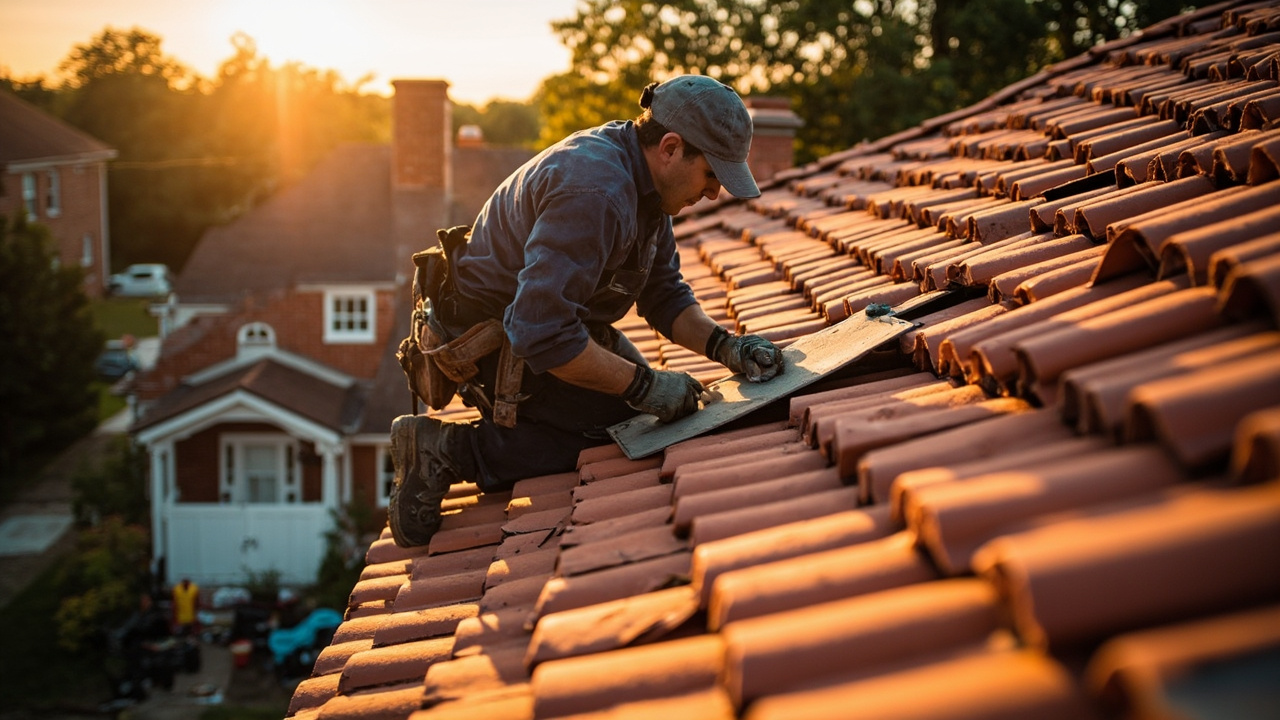
We do not use the same tile roof installation process for every job. St. Louis's climate demands specific adjustments based on roof pitch, exposure, and the building's age.

First, we evaluate the roof deck. Tile weighs 800 to 1,200 pounds per square. If your existing decking is 1/2-inch OSB or has any soft spots, we reinforce or replace it before laying a single tile. We see tile roofing companies skip this step to save money. Six months later, the deck sags and tiles crack.

Second, we install a synthetic underlayment rated for high-temperature exposure. Asphalt felt breaks down under St. Louis's summer heat. Synthetic underlayment stays flexible during freeze-thaw cycles and will not crack when ice forms. We overlap seams by six inches and seal every nail penetration. This creates a secondary water barrier that keeps your attic dry even if a tile breaks during a hailstorm.

Third, we use mechanical fasteners, not adhesive. Wind uplift in St. Louis requires every tile to be nailed or screwed to the batten system. Adhesive fails when temperatures drop below freezing. We space fasteners according to the roof's wind zone rating, not manufacturer minimums. This costs more in labor, but it keeps tiles attached during straight-line winds.

Fourth, we install kickout flashing at every wall-to-roof transition and use pan flashing in valleys. This is where most tile roof repair calls originate. Water channels into valleys during heavy rain. If flashing is not lapped correctly, water backs up under the tiles and into your walls. We use 26-gauge galvanized steel flashing, not aluminum, because it will not corrode when exposed to St. Louis's humidity.

We treat every tile roof installation as a custom build, not a template job.

What Happens During Your Tile Roof Installation

Tile Roofing Services in St. Louis | Built to Last Through Midwest Freeze-Thaw Cycles
01

Roof Deck Inspection

We start by removing a section of your existing roof to inspect the decking, rafters, and underlayment. We measure deck thickness, check for rot or water damage, and test for structural deflection. If your home was built before 1980, we often find inadequate rafter spacing or undersized sheathing. We document everything and explain what needs reinforcement before tile installation begins. This prevents future failures.
02

Underlayment and Flashing

We install synthetic underlayment in horizontal rows, starting at the eaves and working up. Each row overlaps the previous by six inches. We install drip edge, valley flashing, and kickout flashing before any tile goes down. Flashing is the most critical part of a tile roof. We use metal flashing at all penetrations, including chimneys, vents, and skylights. Every seam is sealed with polyurethane sealant rated for temperature extremes.
03

Tile Layout and Fastening

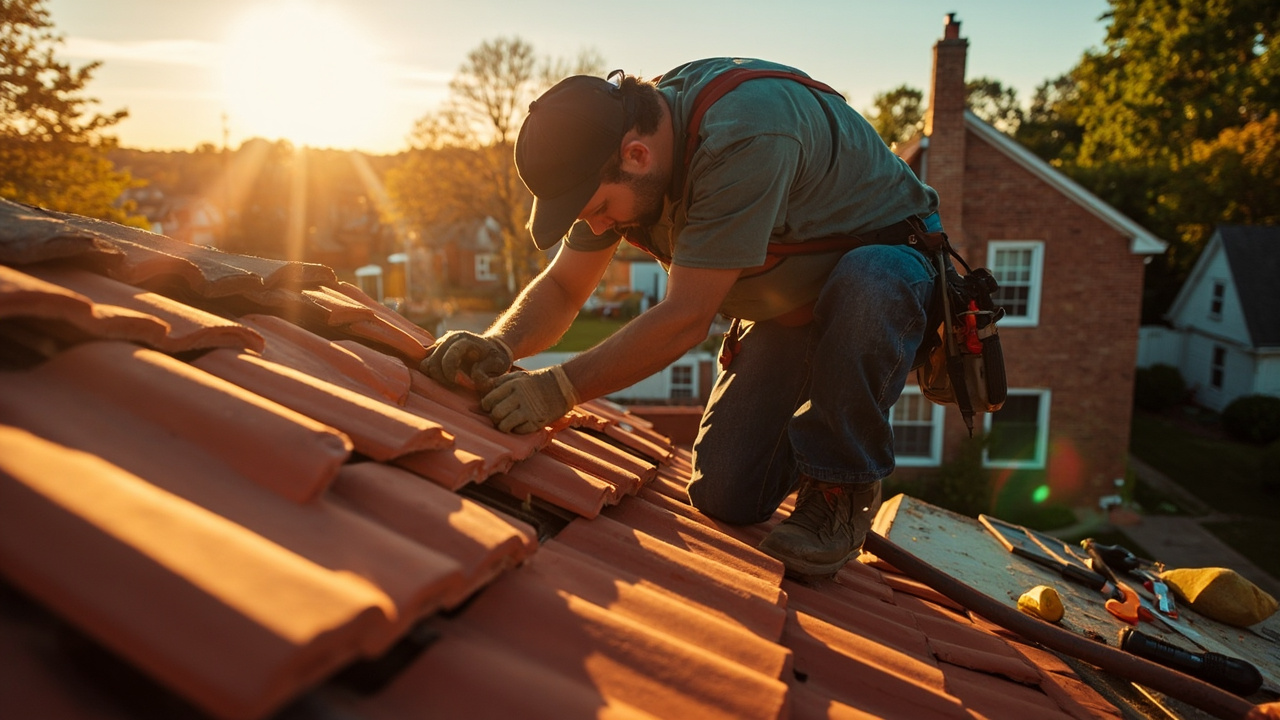
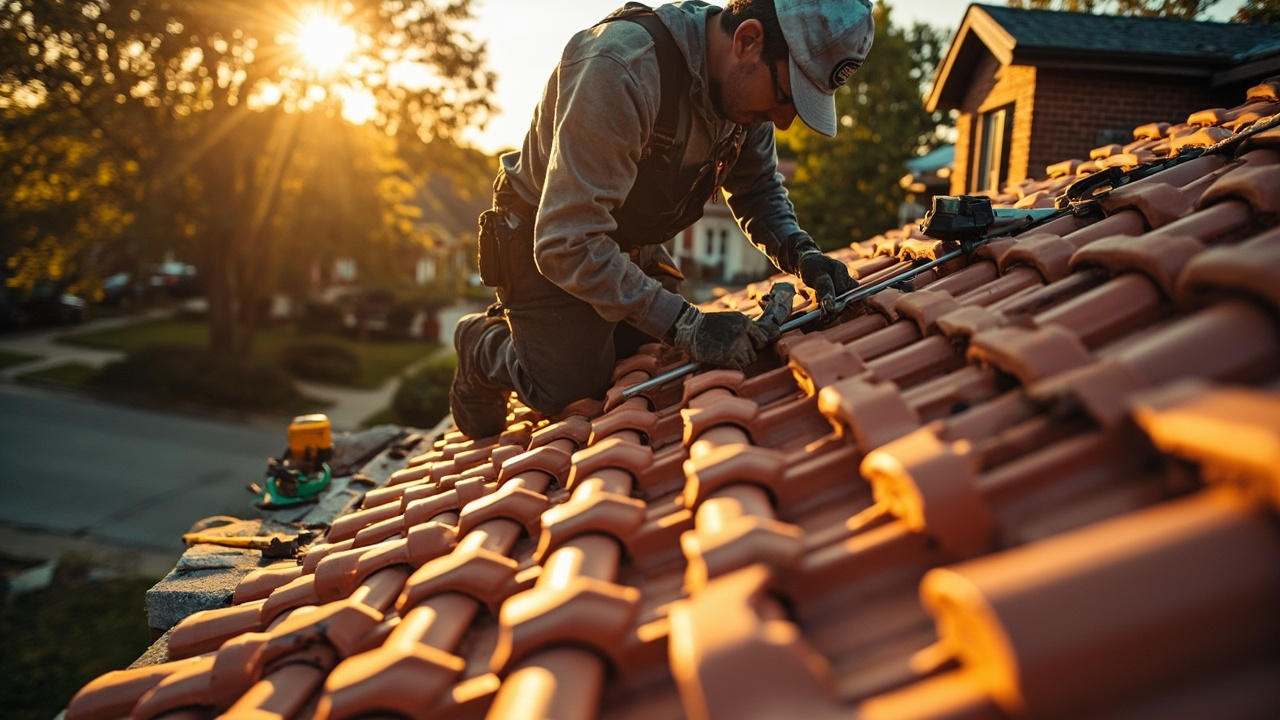
We snap chalk lines to ensure straight rows and consistent exposure. Each tile is nailed through the pre-drilled hole using corrosion-resistant fasteners. We install ridge caps with mortar or foam closures to prevent wind-driven rain from entering at the peak. We inspect every row before moving to the next. Once complete, we conduct a final walkthrough and clean your property. You get a roof built to last 50 years.

Why St. Louis Property Owners Choose Pioneer Roofing for Tile Work

You can find tile roofing contractors who charge less. You will not find tile roofing contractors who understand St. Louis's building environment better.

We have installed tile roofs in every St. Louis neighborhood, from the historic brick homes in Shaw to the mid-century ranches in Affton. We know which tiles hold up to freeze-thaw cycles and which crack after two winters. We know that homes near Forest Park deal with more wind exposure than homes in South City. We adjust our installation methods accordingly.

St. Louis updated its building code in 2020 to require stricter wind uplift ratings for roofing systems. Many tile roofing companies still use pre-2020 fastener schedules because they do not track code changes. We follow current IRC and local amendments. If the city inspects your roof, it passes. If your insurance adjuster questions the installation after storm damage, we provide documentation that proves code compliance.

We also understand how to work with St. Louis's historic architecture. If you own a home in Lafayette Square or Compton Heights, your roof is visible from the street. The city's historic preservation guidelines require specific tile profiles and colors. We have worked with the Cultural Resources Office on multiple projects. We know which tile manufacturers produce profiles that match 1920s clay tile and which modern alternatives meet preservation standards without requiring variances.

When you call us for tile roof repair, we do not just patch the problem. We inspect the entire roof to identify whether the issue is isolated or part of a larger failure pattern. If your roof was installed incorrectly by another contractor, we document the defects and provide a written report you can use for insurance claims or contractor disputes.

We do not upsell. If your tile roof only needs minor repairs, we tell you. If it needs full replacement, we explain why and show you the evidence.

What to Expect When You Hire Us for Tile Roofing Services

Project Timeline and Scheduling

Tile roof installation takes longer than asphalt shingle installation. A typical single-family home takes five to seven days, depending on roof complexity and weather. We do not start your project until materials are on-site and weather permits safe work. We will not install tile in freezing temperatures or when rain is forecast within 48 hours. You get a detailed project schedule before work begins. We update you daily on progress. If delays occur, we explain why and provide a revised timeline. We do not leave your roof open overnight.

Initial Roof Assessment

We start with a roof inspection that includes attic access, deck evaluation, and thermal imaging if needed. We check for existing leaks, measure roof pitch, and assess structural capacity. You receive a written report that includes photos, measurements, and a scope of work. We explain what needs to be done and why. If your roof is repairable, we provide repair options. If it needs replacement, we outline material choices and cost factors. We answer every question before you commit. No pressure, no surprises.

Final Roof Quality and Durability

When we finish your tile roof, you get a system designed to outlast you. Tile roofs in St. Louis regularly exceed 50 years when installed correctly. You get a roof that resists hail, wind, and fire. Tile does not rot, warp, or attract pests. It reflects heat, which lowers your cooling costs in summer. We clean up every nail, tile fragment, and debris piece before we leave. We conduct a final walkthrough with you to ensure you are satisfied. Your property looks better than it did before we arrived.

Post-Installation Support and Maintenance

We provide written documentation of your installation, including material specifications, fastener schedules, and code compliance records. If you need this information for insurance or resale, you have it. We offer maintenance inspections to check for loose tiles, damaged flashing, or debris buildup in valleys. Most tile roofs need minimal maintenance, but annual inspections catch small problems before they become expensive. If storm damage occurs, we respond quickly to assess the damage and work with your insurance adjuster to document the loss.

Frequently Asked Questions

You Have Questions,
We Have Answers

How much does it cost to do a tile roof? +

Tile roof costs vary based on material type, roof complexity, and structural reinforcement needs. Clay tiles typically run higher than concrete options. In St. Louis, you must factor in deck reinforcement because tile weighs significantly more than asphalt shingles. Your home's framing may need additional bracing to handle the load. Pitch, valleys, and penetrations add labor complexity. Removal of old roofing, underlayment quality, and flashing details also affect pricing. Get multiple estimates from contractors experienced with tile installations in historic St. Louis neighborhoods where structural assessments are critical.

How much does it cost to get a roof tiled? +

Getting your roof tiled depends on square footage, tile material choice, and structural prep work. Concrete tiles cost less than clay but still require solid decking. St. Louis homes built before 1980 often need framing upgrades to support tile weight. You pay for materials, tear-off, disposal, underlayment, battens, and skilled labor. Complex rooflines with dormers or multiple valleys increase installation time and cost. Always verify your contractor pulls permits and understands local building codes. Financing options help manage upfront investment for this long-term roofing solution.

How much should a 2000 sq ft roof cost? +

A 2000 square foot roof cost depends on material, pitch, and complexity. Tile roofing runs higher than asphalt due to weight and installation skill required. In St. Louis, freeze-thaw cycles demand quality underlayment and proper flashing to prevent water intrusion. Steep pitches add safety equipment costs and labor time. You also pay for ventilation upgrades, drip edge, and ridge caps. Two-story homes require scaffolding. Get detailed estimates that break down material versus labor so you understand where your investment goes. Cheaper bids often skip critical weatherproofing steps.

How much does it cost to roof a 20x20 garage? +

Roofing a 20x20 garage (400 square feet) with tile requires structural evaluation first. Most detached garages in St. Louis were not built to carry tile weight. You may need to reinforce trusses or decking before installation begins. Material choice affects cost, with concrete tiles being more budget-friendly than clay. Simple gable roofs cost less than hip designs. Factor in tear-off, disposal, underlayment, and flashing. Small projects sometimes carry higher per-square-foot rates due to minimum job charges and material waste on cuts.

What are the disadvantages of tile roofs? +

Tile roofs carry significant weight, requiring structural reinforcement in many St. Louis homes. Installation costs run higher than asphalt shingles, and you need experienced crews to avoid breakage. Individual tiles crack if walked on improperly during maintenance. In winter, ice dams can form if ventilation is inadequate. Tile performs poorly on low-slope roofs where water can back up under edges. Color fading occurs over decades with some concrete tiles. Repairs require matching discontinued profiles, which can be difficult. Despite drawbacks, longevity and durability outweigh negatives for most homeowners.

How many years does a tile roof last? +

Clay tile roofs last 50 to 100 years with proper installation and maintenance. Concrete tiles typically last 40 to 75 years. St. Louis freeze-thaw cycles can accelerate wear on lower-quality concrete tiles, causing surface spalling. The underlayment fails before the tile does, requiring replacement every 20 to 30 years. Your roof deck, flashing, and valleys need periodic inspection to prevent water damage. Quality installation with proper battens and fasteners extends lifespan significantly. Regular maintenance like clearing debris and replacing cracked tiles protects your investment for generations.

Do tile roofs increase home value? +

Tile roofs increase home value through curb appeal, longevity, and perceived quality. Buyers in St. Louis historic districts particularly value authentic clay tile that matches neighborhood character. Energy efficiency from tile's thermal mass reduces cooling costs in summer. Insurance companies sometimes offer discounts for impact-resistant tile in storm-prone areas. Appraisers recognize tile as a premium material with decades of remaining life compared to asphalt shingles. However, return on investment depends on neighborhood standards. Tile makes sense where comparable homes justify the upgrade, not in areas dominated by basic shingle roofs.

How long should it take to tile a roof? +

Tile roof installation takes one to three weeks depending on size, complexity, and weather. A standard 2000 square foot home requires five to seven days for an experienced crew. St. Louis humidity and afternoon thunderstorms can delay progress since underlayment must stay dry during installation. Structural reinforcement adds time before tile work begins. Tear-off and disposal take one to two days. Complex rooflines with multiple valleys, dormers, or turrets extend timelines. Rushing tile installation leads to broken tiles and improper fastening. Quality contractors prioritize precision over speed to ensure decades of performance.

What time of year is the cheapest to replace a roof? +

Late fall and winter offer the cheapest roof replacement timing in St. Louis when demand drops. Contractors compete for work between November and February, often discounting labor rates. However, cold temperatures limit installation days and can affect sealant performance. Early spring before storm season picks up also provides competitive pricing. Avoid summer peak season when hail damage claims flood the market and quality crews book out months ahead. Scheduling flexibility gets better pricing, but tile installation requires dry conditions. Plan ahead and book during shoulder seasons for the best balance of cost and weather.

Is $30,000 too much for a roof? +

Whether $30,000 is too much depends on roof size, material quality, and scope of work. For a 2000 to 2500 square foot tile roof in St. Louis with structural reinforcement, this falls within normal range. Clay tile costs more than concrete. Complex rooflines, multiple stories, or historic restoration work justify higher pricing. Get itemized estimates showing material grades, underlayment specifications, and warranty terms. Compare at least three bids from licensed contractors. Extremely low bids often indicate shortcuts on flashing, ventilation, or ice dam protection. Quality tile installation protects your home for 50-plus years.

How St. Louis's Freeze-Thaw Cycles Impact Tile Roof Longevity

St. Louis experiences an average of 30 freeze-thaw cycles each winter. Water infiltrates tile laps, freezes overnight, and expands. This process lifts tiles, cracks underlayment, and damages flashing. Most tile roofing companies install the same system they use in warmer climates. It fails here. We use synthetic underlayment that remains flexible below freezing and install ice and water shield at eaves and valleys. This prevents the ice dam leaks common in St. Louis tile roofs. If your contractor does not mention freeze-thaw protection during your estimate, they do not understand local conditions.

St. Louis enforces the International Residential Code with local amendments. Tile roofs require engineered fastener schedules based on wind zone ratings. Many tile roofing contractors ignore this requirement. We work with city inspectors regularly and understand what passes inspection. If you are in a historic district like Lafayette Square, you face additional requirements from the Cultural Resources Office. We have completed projects under historic preservation review and know how to navigate the approval process. Choosing a local contractor who understands these layers of regulation saves you time and avoids costly rework.
Roofing Services in The St. Louis Area

Pioneer Roofing is proud to serve the entire St. Louis metropolitan area and surrounding communities. Our local presence means we are always nearby and ready to respond quickly to your roofing needs, whether you are located in the heart of St. Louis or the greater county. View our location and service radius on the map to confirm we cover your neighborhood and then call us to schedule your service!

Address:
Pioneer Roofing St. Louis, 1031 Lami St, St. Louis, MO, 63104

Additional Services We Offer

Our news updates

Latest Articles & News from The Blogs

Can You Actually Install a New Roof Over Your Old Shingles? Roofing a home in St. Louis comes with unique…

Can You Actually Install a New Roof Over Your Old Shingles?

Can You Actually Install a New Roof Over Your Old Shingles? Roofing a home in St. Louis comes with unique…

Why Your Neighbors in Manchester are Choosing Impact Rated Materials

Why Your Neighbors in Manchester are Choosing Impact Rated Materials Living in Manchester means dealing with the unpredictable St. Louis…

Preparing Your Roof for the Sudden Shifts of St. Louis Weather Patterns

Preparing Your Roof for the Sudden Shifts of St. Louis Weather Patterns Your roof faces more than just rain and…

Contact Us

Call (314) 417-7774 now to schedule your roof inspection. We provide written estimates with no obligation. You get honest answers, not sales pressure. Let us show you what a properly installed tile roof looks like.