menu

Homeowner's Guide to Roofing in St. Louis – Master Your Home's Defense Against Midwest Weather

This comprehensive homeowner's guide to roofing walks you through every decision you'll face as a St. Louis property owner, from understanding how freeze-thaw cycles damage shingles to knowing when repair beats replacement.

Slider Image 1
Slider Image 2
Slider Image 3
Slider Image 4
Slider Image 5
Slider Image 7
Slider Image 8
Slider Image 9
Slider Image 10
Slider Image 11

Why St. Louis Homeowners Need a Different Roofing Strategy

Your roof faces conditions that make generic roofing advice useless. St. Louis sits in a climate zone where winter freeze-thaw cycles split shingles apart, spring hail storms punch holes through worn materials, and summer humidity feeds algae growth that breaks down asphalt composition.

The clay-heavy soil throughout St. Louis County shifts with moisture changes. This movement stresses roof structures differently than homes built on rock or sand. You'll see stress cracks around chimneys and nail pops along ridge lines that homeowners in other regions never encounter.

Most residential roofing guides ignore these regional factors. They give you roofing basics for homeowners in Phoenix or Seattle, not the specific challenges you face when your home sits between the Mississippi and Missouri Rivers.

This home roofing handbook focuses on what matters in your zip code. You need to understand how St. Louis's temperature swings create expansion and contraction cycles that age roofing materials faster. You need to know which materials handle our weather patterns and which fail within a decade.

This residential roofing 101 covers the decisions that protect your investment. You'll learn to spot damage before it spreads, understand when temporary fixes make sense, and recognize when you're throwing money at a roof that needs replacement. This homeowner roofing manual gives you the knowledge to have informed conversations with contractors and avoid the costly mistakes that plague uninformed property owners throughout the metro area.

Why St. Louis Homeowners Need a Different Roofing Strategy
The Five Core Systems Every St. Louis Homeowner Must Understand

The Five Core Systems Every St. Louis Homeowner Must Understand

Your roof is not one system. It's five interconnected components that must work together to protect your home from St. Louis weather.

The decking forms your structural foundation. Most St. Louis homes use oriented strand board or plywood sheathing. Water damage shows up here first after leaks penetrate the surface layer. You can't see this damage from the ground, which is why attic inspections matter more than curb appeal.

The underlayment sits between your decking and shingles. This waterproof barrier stops moisture that works past damaged shingles. Older homes used felt paper that degrades in 15 years. Modern synthetic underlayment lasts longer but costs more upfront. The choice affects how long your entire system performs.

The shingle layer takes the direct hit from hail, wind, and UV exposure. Three-tab shingles cost less but fail faster in St. Louis's climate. Architectural shingles with higher wind ratings survive our spring storm season better. Impact-resistant shingles cost more but may lower your insurance premium.

The flashing system seals every penetration and transition point. This includes valleys where two roof planes meet, the junction between your roof and chimney, and the edges where your roof meets walls. Most leaks start at failed flashing, not damaged shingles. Poor flashing installation causes more insurance claims in the St. Louis metro than any other roofing defect.

The ventilation system controls attic temperature and moisture. Without proper intake at your soffits and exhaust at your ridge, heat builds up in summer and moisture condenses in winter. This damages your decking from below while weather damages your shingles from above. You end up replacing your roof years early because the ventilation system failed.

How to Evaluate Your Roof's Current Condition

Homeowner's Guide to Roofing in St. Louis – Master Your Home's Defense Against Midwest Weather
01

Ground-Level Visual Assessment

Walk your property perimeter with binoculars and look for obvious damage indicators. Curled shingle edges signal heat damage and age. Missing granules expose the asphalt mat underneath, which degrades rapidly in sunlight. Sagging sections indicate structural problems with decking or rafters. Check your gutters for excessive granule accumulation, which shows accelerated shingle deterioration across your entire roof surface.
02

Interior Damage Investigation

Go into your attic during daylight hours and turn off all lights. Look for light penetrating through your decking, which indicates holes or gaps in your roofing system. Check for water stains on rafters and decking. Feel the underside of your decking for moisture or soft spots. Examine your insulation for compression or discoloration from water intrusion. These interior signs often reveal problems before exterior damage becomes visible.
03

Professional Documentation and Analysis

Schedule an inspection with a contractor who provides detailed roof reports with photos and measurements. You need documentation of current conditions for insurance purposes and future reference. A proper inspection includes flashing examination, ventilation assessment, and structural evaluation. This baseline documentation helps you track deterioration over time and make informed decisions about repair timing versus full replacement.

Why Local St. Louis Roofing Knowledge Changes Your Outcome

National roofing chains follow standardized procedures that work adequately in average conditions. St. Louis conditions are not average. You need contractors who understand how the region's specific challenges affect material performance and installation methods.

The City of St. Louis and St. Louis County have different permit requirements and inspection processes. Historic districts like Lafayette Square and Soulard have architectural review boards that restrict material choices and color options. A contractor unfamiliar with these requirements will delay your project or install materials that violate local codes.

The Gateway Arch area and neighborhoods along the Mississippi experience different wind patterns than homes in West County. Wind uplift ratings that work in Ladue may be insufficient in Carondelet. Local contractors understand these microclimates and spec materials accordingly.

Spring storm season in St. Louis runs from March through June. Experienced local roofers know this means scheduling projects in late summer or fall when weather windows are wider. Out-of-state contractors often promise timelines that ignore our weather patterns, leaving your home exposed during the worst months.

Insurance claims in Missouri follow specific procedures that differ from surrounding states. Local contractors know which adjusters work for which carriers and how to document damage in ways that survive the claims review process. This knowledge often means the difference between a paid claim and a denied one.

Pioneer Roofing St. Louis has worked in this metro for years, dealing with the specific challenges of homes built on St. Louis soil, exposed to St. Louis weather, and covered by insurance policies written for Missouri properties. We understand the building codes in your municipality and maintain relationships with local inspectors who review our work.

What to Expect When You Need Roofing Work

Timeline and Scheduling Realities

A complete roof replacement takes two to four days for an average-sized home, depending on complexity and weather. Spring storms create backlogs that can push your project back weeks or months. Emergency repairs happen within 24 to 48 hours to prevent further water damage. Permit approval adds three to ten days before work begins. Materials usually arrive within a week of your signed contract. Weather delays are unpredictable in St. Louis. You might lose two or three days to rain during a scheduled week. Contractors who promise exact completion dates are lying. Good contractors give you realistic windows and communicate delays immediately.

The Inspection and Estimate Process

A thorough inspection takes 45 minutes to two hours. The contractor climbs onto your roof to examine shingles, flashing, and penetrations. They check your attic for ventilation issues and moisture damage. They measure your roof's square footage and calculate material quantities. You'll receive a detailed written estimate breaking down labor, materials, and disposal costs. Good estimates specify exact materials by brand and model number, not generic descriptions. The estimate should include permit costs and explain what triggers additional charges. Beware of contractors who give verbal estimates or round-number quotes after a five-minute walk around your house.

Quality Markers in the Finished Work

Shingles should align perfectly with no visible waves or bumps. Flashing around chimneys and vents should lay flat with clean sealant lines. Ridge caps should run straight with consistent overhang on both sides. Valleys should show tight, straight lines where they're woven or cut. Your attic should have visible improvements to ventilation if that was part of the scope. All debris should be removed from your property, including nails swept from driveways and landscaping. You should receive documentation of materials used, including specification sheets and warranty information. A final walkthrough should identify any concerns before you sign off on completion.

Post-Installation Support and Maintenance

Manufacturer warranties cover material defects for 25 to 50 years, depending on the product line you choose. Workmanship warranties typically run five to ten years and cover installation errors. You should receive both warranty documents at project completion. Annual inspections catch small problems before they become expensive failures. Clean your gutters twice yearly to prevent water backup that damages roof edges. Trim tree branches that hang within six feet of your roof surface. After major storms, inspect for damage within 72 hours to document issues for insurance purposes. Most roofing companies offer maintenance plans that include annual inspections and minor repairs.

Frequently Asked Questions

You Have Questions,
We Have Answers

How St. Louis's Freeze-Thaw Cycles Accelerate Roofing Failure

St. Louis winters put your roof through cycles that homeowners in consistent climates never face. Water seeps under shingle edges during rain or snow. Overnight temperatures drop below freezing. That trapped water expands as it freezes, lifting shingles and widening gaps. Daytime temperatures rise above freezing. The ice melts back to water and seeps deeper into the gap. The next night it freezes again, forcing the gap wider. This cycle repeats 30 to 50 times each winter in the St. Louis metro. Each cycle damages your roof incrementally. By spring, shingles that looked fine in fall have lifted edges and broken seals. This is why roofs fail faster here than in places with stable winter temperatures.

St. Louis building codes require specific underlayment and flashing details that differ from surrounding regions. Contractors licensed in Illinois or working primarily in rural Missouri may not know these requirements. County inspectors reject work that doesn't meet local standards, which delays your project and increases costs. Local roofing companies maintain relationships with municipal building departments and know exactly what inspectors look for during reviews. This knowledge prevents costly do-overs and keeps your project on schedule. When you hire a company familiar with St. Louis regulations, you avoid the learning curve that out-of-area contractors charge you for.
Roofing Services in The St. Louis Area

Pioneer Roofing is proud to serve the entire St. Louis metropolitan area and surrounding communities. Our local presence means we are always nearby and ready to respond quickly to your roofing needs, whether you are located in the heart of St. Louis or the greater county. View our location and service radius on the map to confirm we cover your neighborhood and then call us to schedule your service!

Address:
Pioneer Roofing St. Louis, 1031 Lami St, St. Louis, MO, 63104

Additional Services We Offer

Our news updates

Latest Articles & News from The Blogs

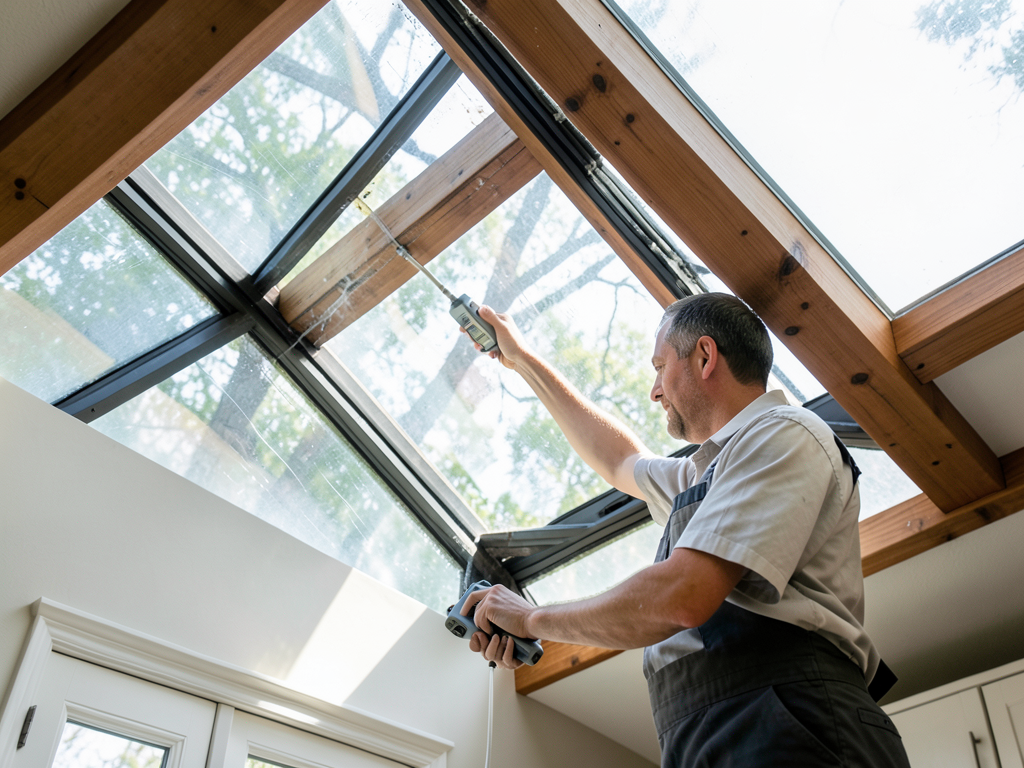
How to Tell if Your Wildwood Skylight is Leaking or Just Dealing with Condensation Water dripping from your Wildwood skylight…

How to Tell if Your Wildwood Skylight is Leaking or Just Dealing with Condensation

How to Tell if Your Wildwood Skylight is Leaking or Just Dealing with Condensation Water dripping from your Wildwood skylight…

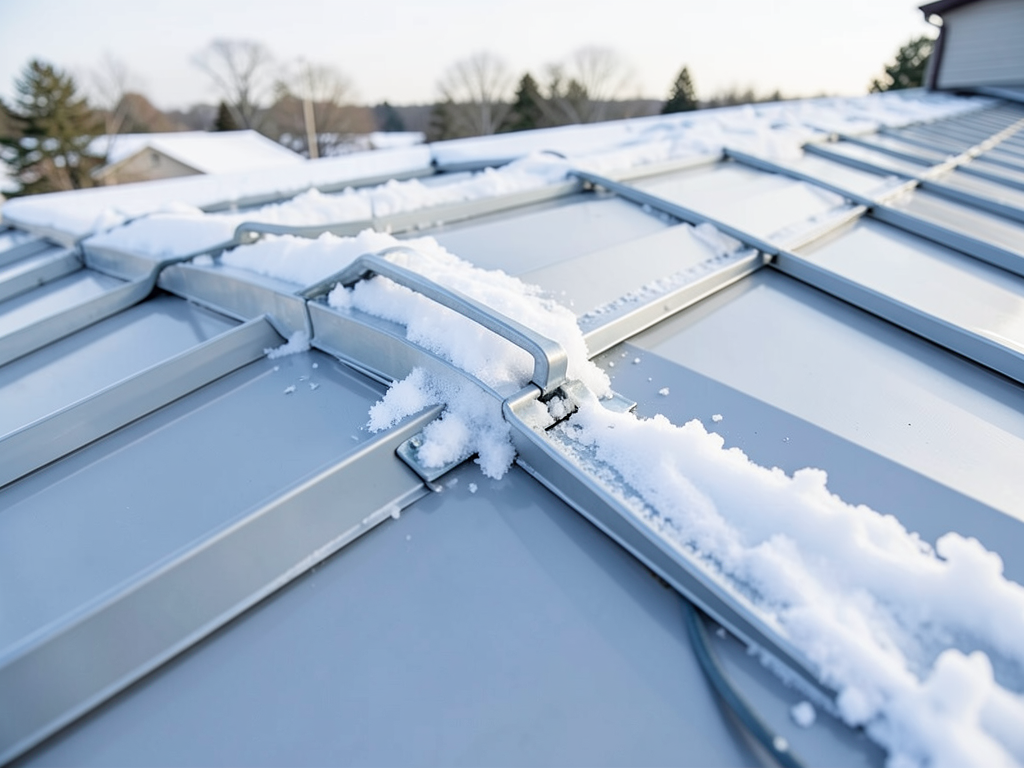
Why Your Eureka Metal Roof Needs Snow Guards Before the Next Big Freeze

Why Your Eureka Metal Roof Needs Snow Guards Before the Next Big Freeze When snow slides off a metal roof…

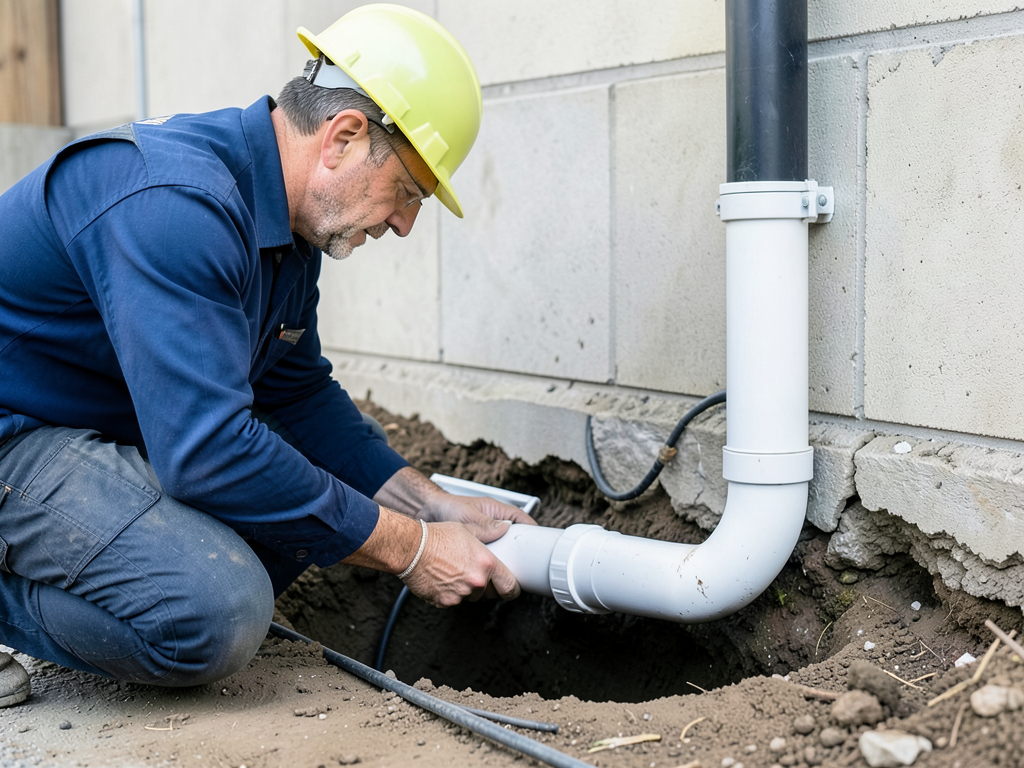
Connecting Your Gutters to Underground Drains to Prevent Basement Flooding in The Hill

Connecting Your Gutters to Underground Drains to Prevent Basement Flooding in The Hill Heavy rains in St. Louis overwhelm standard…

Contact Us

Call Pioneer Roofing St. Louis at (314) 417-7774 today for a detailed inspection and written report on your roof's condition. We'll show you exactly what needs attention now and what can wait. No pressure, just honest answers to your roofing questions.