menu

Water Stains on Ceiling in St. Louis – Expert Leak Detection and Permanent Roof Repairs

Those brown spots on your ceiling are more than cosmetic damage. Water stains on ceiling surfaces signal active roof leaks that threaten your St. Louis home's structural integrity. Get the right diagnosis and permanent fix.

Slider Image 1
Slider Image 2
Slider Image 3
Slider Image 4
Slider Image 5
Slider Image 7
Slider Image 8
Slider Image 9
Slider Image 10
Slider Image 11

Why St. Louis Homes Face More Ceiling Water Damage Than You Think

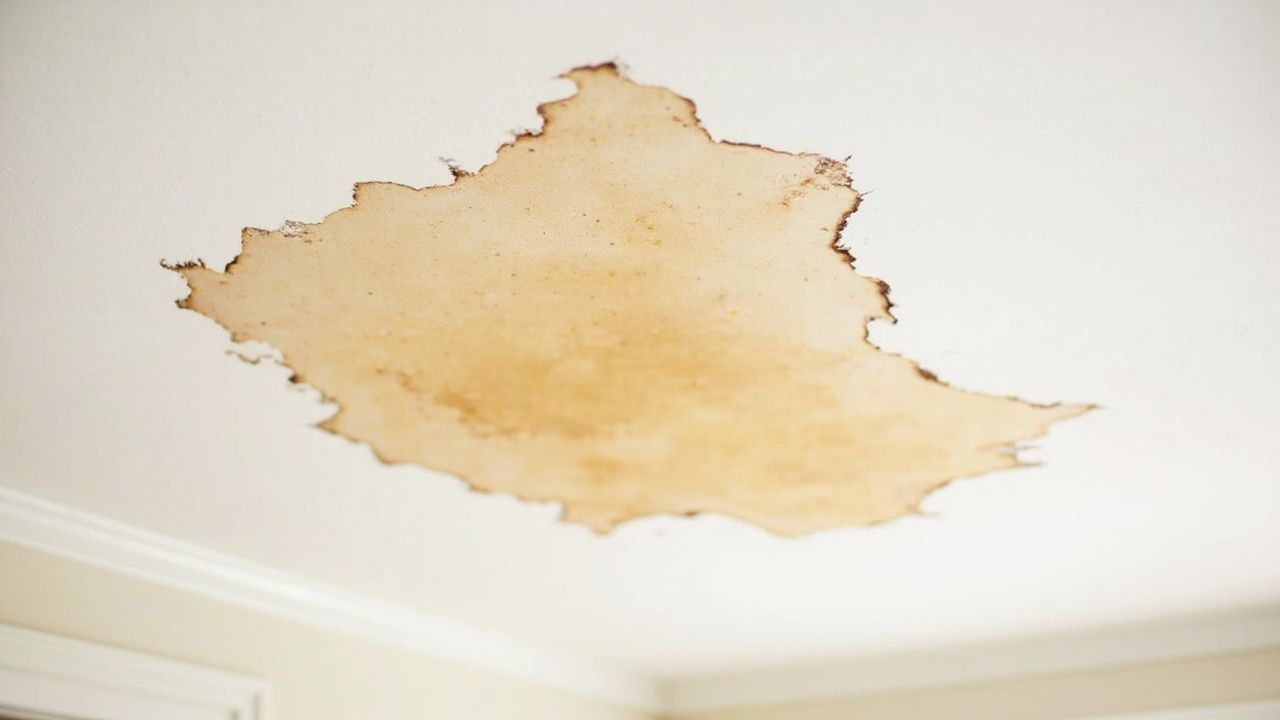
You walk into your bedroom and notice it. A yellow ceiling stain the size of a dinner plate. Maybe it is brown. Maybe the drywall feels soft when you press on it. You wonder if it will go away on its own.

It will not.

St. Louis sits in a climate zone that punishes roofs. We see 42 inches of annual precipitation, which means your roof system takes constant moisture hits from rain, snow melt, and ice dam formation during those brutal freeze-thaw cycles from December through March. Add in the humidity spikes we get every summer, and you have the perfect recipe for hidden roof leaks that manifest as ceiling discoloration inside your home.

Those damp ceiling patches are not random. They point to specific failure points in your roofing system. Flashing around chimneys degrades. Shingles lose granules and crack. Valley channels clog with debris during storms rolling off the Mississippi River basin. The water finds a path through your decking, soaks your insulation, and eventually breaks through to stain your ceiling.

The longer you wait, the worse it gets. That small ceiling water mark today becomes a collapsed drywall section in six months. Mold colonizes the damp insulation. Wood framing begins to rot. Your repair bill multiplies.

St. Louis homeowners who ignore brown spots on ceiling surfaces pay for it later. The water is already inside your home. The question is how much damage has already occurred and how fast you can stop it from spreading.

Why St. Louis Homes Face More Ceiling Water Damage Than You Think
How We Find the Real Source of Your Ceiling Water Stains

How We Find the Real Source of Your Ceiling Water Stains

Water does not leak straight down. It travels along rafters, runs across insulation batts, and emerges through your ceiling 10 feet away from the actual roof penetration. That is why patching the stain accomplishes nothing. You need someone who can trace the water path backward to find the real entry point.

We start with a thermal imaging scan of your attic space. An infrared camera reveals moisture trapped in insulation and framing that you cannot see with your eyes. We look for temperature differentials that indicate wet materials. This technology cuts through guesswork and identifies every compromised area in your roof assembly.

Next, we inspect your roof surface for the specific failure modes common to St. Louis homes. We check step flashing where your roof meets brick chimneys. We examine valley metal for separation and rust-through. We look for lifted shingles on south-facing slopes that take the worst UV exposure. We inspect pipe boot seals around plumbing vents. We check ridge cap integrity.

We also evaluate your attic ventilation system. Poor airflow creates condensation that mimics roof leaks. If your soffit vents are blocked or your ridge vent is undersized, moisture builds up and drips onto your ceiling from the inside. We distinguish between external leaks and condensation problems before we recommend repairs.

You get a diagnostic report with photos of every problem area. We explain what failed, why it failed, and what it takes to fix it permanently. No vague estimates. No upselling. Just the specific repairs your roof needs to stop the water intrusion.

What Happens When You Call Us About Ceiling Stains

Water Stains on Ceiling in St. Louis – Expert Leak Detection and Permanent Roof Repairs
01

Emergency Assessment

We dispatch a technician to your St. Louis home within 24 hours. You get a complete roof and attic inspection using thermal imaging to map every wet area. We document the damage with photos and identify the exact leak source. If you have active dripping, we install emergency tarps to prevent further interior damage while we prepare your repair plan.
02

Targeted Roof Repair

We execute surgical repairs on the specific failure points causing your water stains on ceiling surfaces. That means replacing damaged flashing, sealing valley channels, installing new pipe boots, or replacing compromised shingle sections. We match your existing roofing materials and integrate repairs seamlessly. For extensive damage, we discuss partial or full roof replacement options with transparent pricing.
03

Interior Restoration Coordination

After we stop the leak at its source, we guide you through the interior repair process. We document damage for insurance claims. We connect you with qualified drywall contractors if needed. We verify that your attic insulation is dry and mold-free before closing up the ceiling. You get follow-up inspections after the next heavy rain to confirm the repair holds.

Why St. Louis Homeowners Trust Pioneer Roofing for Leak Diagnostics

You need someone who understands how St. Louis weather attacks roofing systems. We have spent years repairing roofs across the metro, from the historic bungalows in Tower Grove South to the newer subdivisions spreading through St. Charles County. We know which roofing materials hold up in our climate and which ones fail early.

We know that homes built in the 1950s through 1970s often have inadequate attic ventilation, which creates condensation problems that mimic roof leaks. We know that the clay soil throughout the St. Louis region causes foundation settlement, which can shift roof structures and create new leak points. We know that the huge temperature swings we see from winter to summer cause expansion and contraction that degrades flashing seals faster than in more stable climates.

When you call a national chain or a contractor from outside the area, they apply generic solutions. They do not account for the specific challenges St. Louis roofs face. They patch the obvious damage and leave you with recurring leaks six months later.

We use thermal imaging and moisture meters to find hidden damage. We do not assume the ceiling stain location matches the roof leak location. We trace the water path through your attic until we find the actual entry point. That precision saves you money and prevents repeat service calls.

You also get honest assessments. If your roof has five more years of life left, we tell you. We do not push unnecessary replacements. If a targeted repair solves the problem, that is what we recommend. We build long-term relationships with St. Louis homeowners by giving you the truth about your roof condition and the most cost-effective solution.

What to Expect When You Schedule Your Leak Inspection

Fast Response Times

We schedule your inspection within 24 to 48 hours of your call. If you have active water intrusion during a storm, we offer emergency tarp service to stop further damage while we wait for weather to clear for a full roof assessment. Most inspections take 60 to 90 minutes. You get a detailed report the same day with photos of every problem area and a written estimate for repairs. We respect your time and keep you informed at every step.

Comprehensive Leak Diagnosis

Your inspection includes both interior attic assessment and exterior roof surface evaluation. We use thermal imaging cameras to detect moisture in insulation and framing. We check every roof penetration point including chimneys, plumbing vents, skylights, and ridge vents. We inspect flashing at wall intersections and valley channels. We evaluate your ventilation system to rule out condensation issues. You get a complete picture of what is causing those yellow ceiling stains, not just a surface-level guess.

Permanent Leak Repairs

We fix the actual problem, not the symptom. That means repairing or replacing damaged flashing, sealing compromised valleys, installing new pipe boots, or replacing sections of deteriorated shingles. We match your existing roofing materials for seamless integration. All repairs meet current St. Louis building codes. We do not use temporary patches or sealants that fail in six months. You get workmanship that stops the leak permanently and protects your home from future water intrusion.

Post-Repair Verification

After we complete your roof repair, we schedule a follow-up inspection after the next significant rain event. We verify that your ceiling remains dry and that no new water stains appear. We document the successful repair for your records. If you need interior drywall repair or mold remediation, we provide referrals to qualified contractors. We also offer maintenance plans that include annual roof inspections to catch small problems before they become ceiling water marks again.

Frequently Asked Questions

You Have Questions,
We Have Answers

Is a water stain on a ceiling serious? +

Yes. A water stain signals active or past moisture intrusion. Even if the leak stopped, moisture can weaken drywall, rot framing, and trigger mold growth within 24 to 48 hours. St. Louis humidity accelerates mold colonization. The stain is the symptom, not the problem. The real issue hides behind the ceiling: a roof leak, failed flashing, plumbing failure, or HVAC condensation. Ignoring it risks structural damage, compromised insulation, and expensive repairs. Get a professional inspection immediately to identify the source and prevent further damage to your home.

How do you get rid of water stains on the ceiling? +

You must fix the source first. Treating the stain without stopping the leak wastes time and money. Once the leak is repaired and the ceiling dries completely, test moisture levels with a meter. If dry, apply an oil-based stain-blocking primer to seal tannins and prevent bleed-through. Then repaint the ceiling with quality interior paint. In St. Louis, elevated indoor humidity can slow drying, so use fans and dehumidifiers. If drywall is sagging, soft, or crumbling, you need replacement, not just paint. Always address the root cause before cosmetic fixes.

How do I get rid of a water mark on the ceiling? +

A water mark and water stain are the same issue. Stop the leak before treating the mark. Let the area dry thoroughly, which can take several days in St. Louis humidity. Use a moisture meter to confirm dryness. Apply an oil-based or shellac-based stain-blocking primer to prevent discoloration from bleeding through. Once sealed, repaint with matching ceiling paint. If the drywall is damaged, bulging, or discolored despite drying, replace that section. Painting over active moisture or compromised drywall only masks the problem temporarily and invites mold growth.

Why do I have wet spots on my ceiling? +

Wet spots mean active water intrusion. Common causes include roof leaks from damaged shingles or flashing, especially after St. Louis storms with high winds and hail. Plumbing leaks from upstairs bathrooms, burst pipes, or slow drips also create wet spots. HVAC systems with clogged condensate lines or poor insulation on ducts cause moisture buildup. Ice dams are rare here, but freeze-thaw cycles damage roof valleys. Attic condensation from poor ventilation is another culprit. You need immediate diagnosis. The longer water sits, the more damage occurs to framing, insulation, and finishes.

What are signs of a serious ceiling issue? +

Watch for sagging, bulging, or soft drywall, which signals structural weakening. Cracks radiating from the stain indicate stress or movement in framing. Visible mold growth, musty odors, or discoloration spreading beyond the original stain are red flags. Peeling paint or bubbling texture means prolonged moisture exposure. If the ceiling feels damp or cold to the touch, water is still present. In St. Louis, high humidity can hide moisture inside walls longer. Discoloration that darkens or expands after rain confirms an active roof or flashing leak. These signs require immediate professional evaluation.

Should I call a plumber for a ceiling stain? +

It depends on the location and source. If the stain is directly below a bathroom, kitchen, or plumbing fixture, call a plumber first to rule out pipe leaks, failed wax rings, or supply line issues. If the stain is near exterior walls, under a roof valley, or below an attic, the problem is likely roofing related. St. Louis freeze-thaw cycles and summer storms often damage roof penetrations and flashing. A roofer should inspect those areas. Sometimes you need both trades. Start with the most obvious source based on stain location, then escalate if needed.

Can I just paint over a water stained ceiling? +

No. Painting over a water stain without fixing the leak and sealing the stain guarantees failure. Tannins and minerals in the water will bleed through standard latex paint within days. You must first stop the leak, dry the ceiling completely, and verify dryness with a moisture meter. Then apply a stain-blocking primer designed for water damage before repainting. If you skip these steps, the stain reappears and you waste time and money. In St. Louis humidity, mold can develop behind paint if moisture remains trapped. Fix the cause, not the cosmetic symptom.

How much does it cost to fix a wet spot in a ceiling? +

Costs vary widely based on the source and damage extent. Simple drywall patching and repainting might run a few hundred dollars. If the leak damaged framing, insulation, or electrical systems, expect several thousand. Roof repairs depend on the issue: flashing repairs are less expensive than shingle replacement. Plumbing repairs range from minor fixes to full repipes. St. Louis homes with older roofs or plumbing face higher costs. Most contractors provide free inspections to diagnose the source and scope repairs. Get multiple quotes and confirm the contractor addresses the leak source, not just cosmetic damage.

What are the common signs of a roof leak? +

Look for water stains on ceilings or walls, especially near roof valleys, chimneys, or skylights. Missing, cracked, or curling shingles signal roof failure. Daylight visible through roof boards in the attic is a clear sign. Granules collecting in gutters indicate shingle deterioration. St. Louis weather, with severe thunderstorms, hail, and wind, accelerates roof wear. Check for damaged or separated flashing around vents, chimneys, and roof penetrations. Mold or mildew in the attic suggests poor ventilation or active leaks. Sagging rooflines or soft spots when walking on the roof indicate structural damage requiring immediate attention.

Can a small leak cause a big stain? +

Yes. A small, slow leak can create a large stain over time. Water spreads along framing, insulation, and drywall before it becomes visible. St. Louis humidity slows evaporation, allowing water to migrate farther from the source before pooling. A pinhole leak in a pipe or tiny roof gap can drip for weeks, soaking insulation and weakening drywall. By the time the stain appears, significant hidden damage may exist. The stain size does not correlate to leak severity. Always investigate thoroughly and assume the damage extends beyond what you see on the surface.

How St. Louis Freeze-Thaw Cycles Create Hidden Roof Damage That Causes Ceiling Stains

St. Louis experiences an average of 50 freeze-thaw cycles each winter. When temperatures swing from 20 degrees at night to 45 degrees by afternoon, moisture trapped in your roofing materials expands and contracts repeatedly. This process degrades sealants around flashing, cracks shingle adhesive strips, and creates microscopic gaps where water penetrates. Ice dams form along your eaves when melting snow refreezes, forcing water under shingles and into your attic. That is why those brown spots on ceiling surfaces often appear in late winter or early spring after months of freeze-thaw damage has opened up new leak paths.

Pioneer Roofing understands the specific roof failure modes common to St. Louis homes. We have repaired roofs in every neighborhood from Clayton to Florissant. We know which flashing materials hold up to our climate extremes and which ones fail prematurely. We stay current on St. Louis building code requirements for roof ventilation and ice dam prevention. When you choose a local roofing contractor with years of experience in this specific market, you get repairs designed for the weather conditions your roof actually faces, not generic solutions that fail when the next polar vortex hits.
Roofing Services in The St. Louis Area

Pioneer Roofing is proud to serve the entire St. Louis metropolitan area and surrounding communities. Our local presence means we are always nearby and ready to respond quickly to your roofing needs, whether you are located in the heart of St. Louis or the greater county. View our location and service radius on the map to confirm we cover your neighborhood and then call us to schedule your service!

Address:
Pioneer Roofing St. Louis, 1031 Lami St, St. Louis, MO, 63104

Additional Services We Offer

Our news updates

Latest Articles & News from The Blogs

Can You Actually Install a New Roof Over Your Old Shingles? Roofing a home in St. Louis comes with unique…

Can You Actually Install a New Roof Over Your Old Shingles?

Can You Actually Install a New Roof Over Your Old Shingles? Roofing a home in St. Louis comes with unique…

Why Your Neighbors in Manchester are Choosing Impact Rated Materials

Why Your Neighbors in Manchester are Choosing Impact Rated Materials Living in Manchester means dealing with the unpredictable St. Louis…

Preparing Your Roof for the Sudden Shifts of St. Louis Weather Patterns

Preparing Your Roof for the Sudden Shifts of St. Louis Weather Patterns Your roof faces more than just rain and…

Contact Us

Those ceiling water marks will not fix themselves. Every day you wait, more water soaks into your framing and insulation. Call Pioneer Roofing at (314) 417-7774 now for a complete leak diagnostic inspection. We find the real problem and fix it permanently.