menu

Roof Inspection Checklist St. Louis – Your Complete Guide to Protecting Your Home from Missouri Weather Damage

Get a professional roof maintenance checklist designed specifically for St. Louis homes facing freeze-thaw cycles, summer storms, and Gateway City humidity. Download the same residential roof inspection guide trusted by local contractors.

Slider Image 1
Slider Image 2
Slider Image 3
Slider Image 4
Slider Image 5
Slider Image 7
Slider Image 8
Slider Image 9
Slider Image 10
Slider Image 11

Why St. Louis Roofs Need Regular Inspection

Your roof takes a beating in St. Louis. Spring storms dump inches of rain in hours. Summer heat climbs past 90 degrees with suffocating humidity. Winter brings freeze-thaw cycles that crack shingles and open seams. Then there are the winds, the hail, and the ice dams that form along gutters when temperatures swing 40 degrees in 48 hours.

Most homeowners in the Shaw neighborhood or Tower Grove South wait until they see water stains on the ceiling. By then, the damage has spread to sheathing and framing. You need a systematic roof assessment form to catch problems early.

A proper roofing inspection template covers 47 critical checkpoints. These include flashing around chimneys, granule loss on asphalt shingles, nail pops from expansion and contraction, and ventilation issues that trap moisture in your attic. The clay soil under St. Louis homes shifts with seasonal moisture changes. This movement stresses roof structures and creates gaps where water enters.

The roof check sheet approach finds hidden damage before it becomes expensive. Missing shingles after a storm are obvious. Deteriorated underlayment is not. Cracked pipe boots and separated step flashing leak slowly for months before you notice interior damage. A residential roof inspection guide identifies these vulnerabilities during routine checks twice per year, in spring and fall when weather shifts are most severe.

Why St. Louis Roofs Need Regular Inspection
What a Professional Roof Inspection Checklist Covers

What a Professional Roof Inspection Checklist Covers

A complete roof maintenance checklist examines your roof in sections, starting with structural integrity and moving to surface conditions. The inspection begins at the ridge line, where wind damage appears first. Inspectors check for waviness in the ridge cap, missing mortar in masonry chimneys, and gaps around vent pipes.

The field of the roof requires close examination of shingle condition. Look for curling edges, missing granules, cracked tabs, and exposed underlayment. Asphalt shingles in St. Louis typically show wear patterns on south and west exposures where UV damage accumulates faster. The roofing inspection template tracks these patterns to predict when replacement becomes necessary.

Flashing inspection is critical. This includes step flashing along sidewalls, counter flashing at masonry intersections, drip edge at eaves, and valley flashing where roof planes meet. Most leaks in St. Louis homes start at flashing failures, not shingle damage. The roof assessment form documents every transition point where water can penetrate.

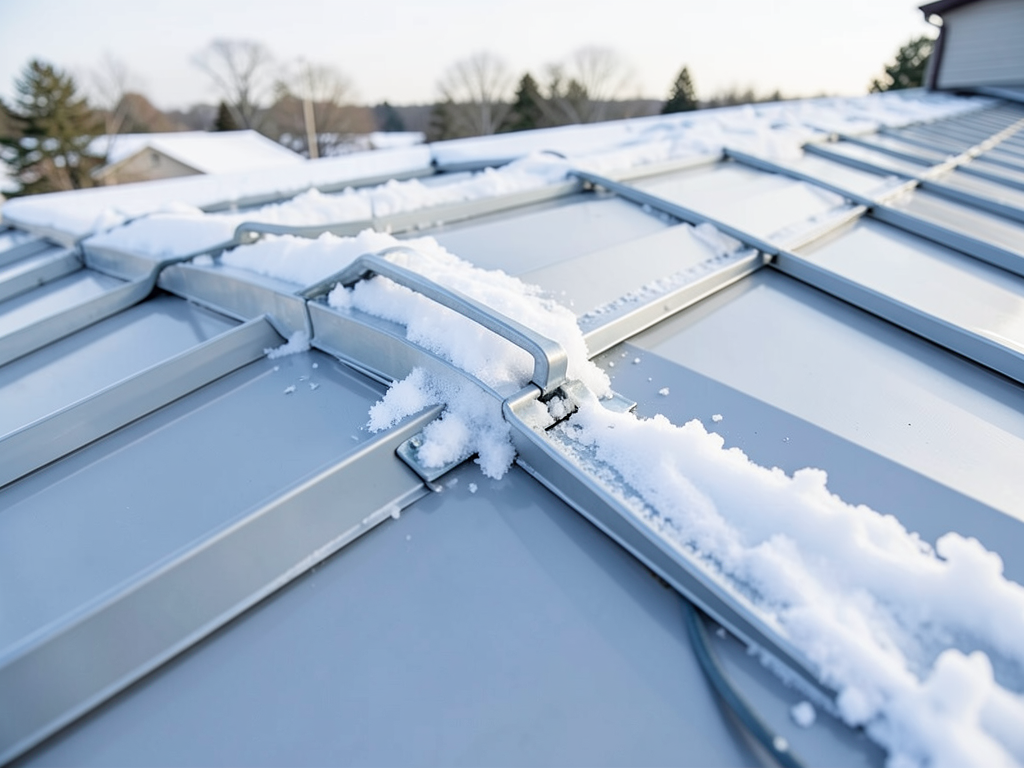
Ventilation analysis measures attic temperature and humidity. Poor ventilation shortens shingle life by trapping heat and moisture. Ridge vents, soffit vents, and gable vents must work together to create proper airflow. The inspection also checks for ice dam damage along eaves, a common problem in Webster Groves and Clayton when snow melt refreezes at the roof edge.

Interior inspection from the attic reveals water stains, mold growth, damaged insulation, and daylight visible through gaps in sheathing. These signs indicate active leaks that surface inspection might miss.

How to Use Your Roof Inspection Checklist

Roof Inspection Checklist St. Louis – Your Complete Guide to Protecting Your Home from Missouri Weather Damage
01

Schedule Seasonal Inspections

Conduct your first inspection in April after winter freeze-thaw cycles end and before spring storms arrive. Schedule the second in October after summer heat subsides and before winter weather begins. These timing windows let you catch damage early and make repairs during mild weather. Document findings with photos and notes on your roof check sheet to track changes over time.
02

Document Problem Areas

Use your residential roof inspection guide to photograph every issue you find. Mark locations on a roof diagram showing which sections need attention. Rate severity on a three-point scale: immediate repair, monitor closely, or routine maintenance. This documentation helps you prioritize repairs and provides records for insurance claims after storm damage. Save inspection reports in a folder with maintenance receipts and warranty information.
03

Create a Repair Plan

Review your completed roof assessment form to identify patterns. Multiple small issues in one area suggest underlying structural problems. Widespread granule loss means replacement planning. Isolated damage allows targeted repairs. Share your inspection findings with a qualified contractor for accurate repair estimates. Update your roofing inspection template after repairs are complete to maintain an accurate maintenance history for your home.

Why Local Expertise Matters for St. Louis Roof Inspections

Generic roof inspection checklists miss problems specific to St. Louis. The city sits at the confluence of three major rivers, creating unique weather patterns. Humidity averages 70% year-round, accelerating algae growth and wood rot. Homes in Soulard and Lafayette Square feature architectural details that require specialized knowledge: slate roofs on historic buildings, clay tile on Mediterranean revivals, and standing seam metal on commercial structures.

Local building codes in St. Louis County and the City of St. Louis differ in wind load requirements and fire ratings. Your roof must meet specific standards based on your address. Contractors familiar with these requirements ensure your repairs maintain code compliance, protecting your property value and insurance coverage.

Pioneer Roofing St. Louis understands how the region's clay soil affects foundation settlement and roof stress. We have documented damage patterns across every neighborhood from The Hill to University City. Our roof maintenance checklist accounts for common failure points in local construction: inadequate attic ventilation in older homes, improper flashing installation on additions, and granule loss patterns from intense summer sun exposure.

The residential roof inspection guide we provide includes St. Louis-specific items like moss growth on north-facing slopes, ice dam vulnerability ratings based on roof pitch and overhang depth, and storm damage assessment criteria matched to local weather events. This localized approach catches problems that out-of-town contractors overlook.

We also track seasonal maintenance needs. Spring inspections focus on winter damage. Summer checks look for heat stress. Fall inspections prepare your roof for cold weather. This rhythm matches the actual stress cycles your roof experiences in the Gateway City.

What to Expect During a Professional Roof Inspection

Inspection Timeline and Scheduling

A thorough roof inspection takes 45 to 90 minutes depending on roof size and complexity. We schedule appointments within 48 hours of your call. The inspector arrives with a comprehensive roof check sheet and documenting equipment. Weather conditions affect inspection quality, so we reschedule if rain or high winds prevent safe access. You receive a completed roofing inspection template within 24 hours of the visit, including photos and repair recommendations organized by priority level.

Detailed Assessment Process

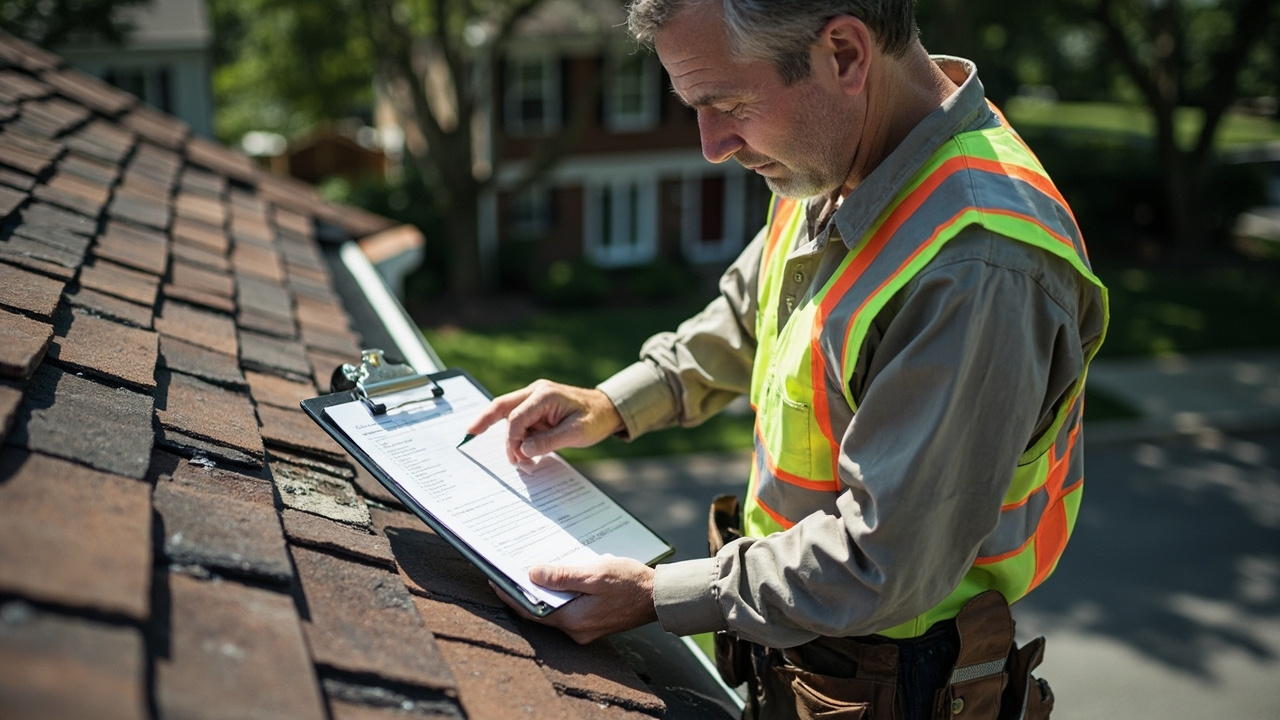
The inspection covers exterior and interior evaluations. We examine shingles, flashing, gutters, and roof penetrations from ground level and by walking the roof when safe. Attic access lets us check for water stains, ventilation problems, and insulation damage. We use moisture meters to detect hidden leaks and infrared cameras on complex cases. Your roof assessment form documents every finding with specific locations, severity ratings, and estimated repair costs to help you make informed decisions.

Comprehensive Inspection Report

You receive a detailed residential roof inspection guide customized to your home. The report includes annotated photos showing problem areas, a roof diagram marking damage locations, and a written summary explaining findings in plain language. We separate immediate repairs from long-term maintenance items. The report also estimates remaining roof life based on material condition and local weather exposure. This documentation helps with insurance claims and provides baseline data for future inspections.

Follow-Up and Maintenance Planning

After completing repairs, we provide an updated roof maintenance checklist showing what was fixed and what requires monitoring. We recommend inspection frequency based on your roof age and condition. Most St. Louis homes benefit from annual inspections, while older roofs or those with past problems need twice-yearly checks. We maintain your inspection history in our system, tracking changes over time to identify developing problems early. This proactive approach extends roof life and prevents emergency repairs.

Frequently Asked Questions

You Have Questions,
We Have Answers

What does a roof inspection include? +

A roof inspection examines your entire roofing system from deck to ridge. Inspectors check shingles for curling, cracking, or granule loss caused by St. Louis freeze-thaw cycles. They examine flashing around chimneys, vents, and valleys for gaps. Gutters and downspouts get checked for clogs and drainage issues. The inspector looks at roof penetrations, soffits, fascia, and attic ventilation. They assess structural integrity, checking for sagging or water damage. In St. Louis, inspectors pay close attention to storm damage from hail and high winds. You receive a detailed report documenting condition, remaining lifespan, and recommended repairs.

What to look for on a roof inspection? +

Look for missing, cracked, or curling shingles. Check flashing around chimneys and vents for rust or separation. Inspect valleys where two roof planes meet for debris buildup or damaged underlayment. Look at granule loss in gutters, a sign your shingles are aging. Check for dark streaks indicating algae growth, common in humid St. Louis summers. Examine soffit and fascia for rot or pest damage. Look for sagging areas that suggest structural issues. Check attic ventilation and insulation. Scan for daylight penetrating through the roof deck. Moss or vegetation growth signals trapped moisture problems.

What are the red flags for roofing contractors? +

Avoid contractors who demand full payment upfront or only accept cash. Be wary of door-to-door solicitors following St. Louis storm events. Red flags include no physical address, lack of local references, or pressure tactics. Contractors who skip permits for structural work ignore building codes. Extremely low bids often mean substandard materials or shortcuts. Watch for vague contracts without scope details, timelines, or material specifications. Unlicensed contractors leave you liable for worksite injuries. Avoid anyone unwilling to provide certificate of insurance. Be cautious of companies that change names frequently or have no online presence beyond a Facebook page.

What are 5 very important things that are inspected in a home inspection? +

Home inspectors prioritize the roof because replacement costs run high. They examine structural components like foundations and framing for cracks or settlement. Electrical systems get scrutinized for code violations, outdated wiring, or safety hazards. Plumbing inspections check for leaks, water pressure, and proper drainage. HVAC systems are tested for function and remaining lifespan. In St. Louis homes, inspectors pay extra attention to basement moisture due to clay soil and seasonal flooding. These five areas represent the most expensive repair categories. Issues here affect your mortgage approval, negotiating power, and long-term maintenance costs.

How much does an average roof inspection cost? +

Basic roof inspections in St. Louis typically run between no cost and a few hundred dollars. Many roofing companies offer free inspections, particularly after storm events. Paid inspections through certified inspectors provide more detailed documentation needed for insurance claims or real estate transactions. Infrared inspections that detect hidden moisture cost more. Costs vary based on roof size, pitch, and accessibility. Multi-story homes or steep pitches increase inspection time and safety requirements. The investment pays off by catching small problems before they become expensive failures. Schedule inspections every three years or after severe weather.

What is the biggest red flag in a home inspection? +

Active water damage represents the biggest red flag. Water stains on ceilings, walls, or attic spaces indicate ongoing leaks that cause mold, rot, and structural deterioration. In St. Louis homes, moisture issues often stem from poor drainage, foundation cracks, or roof failures. Water damage spreads quickly through insulation and framing. It compromises electrical systems and creates health hazards. Unlike cosmetic issues, water intrusion requires immediate attention. The source must be identified and repaired before addressing interior damage. Ignoring water problems leads to exponentially higher repair costs. Banks may refuse financing until water issues are resolved completely.

How St. Louis Weather Patterns Affect Your Roof Inspection Checklist

St. Louis experiences all four seasons with extreme temperature swings. Winter lows reach single digits while summer highs exceed 100 degrees. This 90-degree annual range causes expansion and contraction that loosens nails and cracks sealants. The roofing inspection template must account for thermal stress damage that appears as lifted shingles and separated flashing. Freeze-thaw cycles happen 40 to 50 times per winter, forcing water into tiny cracks where it expands and widens gaps. Your roof assessment form needs specific checkpoints for this damage pattern because it differs from steady-climate wear.

Pioneer Roofing St. Louis has inspected thousands of roofs across the metro area. We know which subdivisions face worst hail damage, which neighborhoods get moss growth from tree cover, and which architectural styles have common flashing failures. This local knowledge makes our residential roof inspection guide more accurate than generic checklists. We understand St. Louis building codes, work with local suppliers for matching materials, and schedule repairs around regional weather patterns. Choosing a contractor who knows your specific neighborhood means getting inspection results you can trust and repair recommendations that match local conditions.
Roofing Services in The St. Louis Area

Pioneer Roofing is proud to serve the entire St. Louis metropolitan area and surrounding communities. Our local presence means we are always nearby and ready to respond quickly to your roofing needs, whether you are located in the heart of St. Louis or the greater county. View our location and service radius on the map to confirm we cover your neighborhood and then call us to schedule your service!

Address:
Pioneer Roofing St. Louis, 1031 Lami St, St. Louis, MO, 63104

Additional Services We Offer

Our news updates

Latest Articles & News from The Blogs

Can You Actually Install a New Roof Over Your Old Shingles? Roofing a home in St. Louis comes with unique…

Can You Actually Install a New Roof Over Your Old Shingles?

Can You Actually Install a New Roof Over Your Old Shingles? Roofing a home in St. Louis comes with unique…

Why Your Neighbors in Manchester are Choosing Impact Rated Materials

Why Your Neighbors in Manchester are Choosing Impact Rated Materials Living in Manchester means dealing with the unpredictable St. Louis…

Preparing Your Roof for the Sudden Shifts of St. Louis Weather Patterns

Preparing Your Roof for the Sudden Shifts of St. Louis Weather Patterns Your roof faces more than just rain and…

Contact Us

Download our complete roof maintenance checklist or schedule a professional inspection. Call Pioneer Roofing St. Louis at (314) 417-7774 to protect your home from Missouri weather damage. Same-day assessments available throughout the metro area.