


Maryland Heights sits in a weather convergence zone where Midwest storms meet Missouri River valley humidity. Your roof endures extreme temperature swings, from winter ice dams when temperatures drop below zero to summer heat that reaches 100 degrees and bakes asphalt shingles. Spring brings severe thunderstorms with hail and high winds that tear off shingles and damage flashing. Fall delivers heavy rain that tests every weak point in your roof system.
The soil composition around Maryland Heights expands and contracts with moisture changes, causing homes to settle and shift. This movement stresses roof structures and creates gaps where water enters. Homes near Creve Coeur Lake and along the Missouri River floodplain face higher humidity levels that accelerate wood rot in roof decking and promote moss growth on shingles.
Local building codes require specific wind ratings and installation methods to handle straight-line winds common in St. Louis County. Many older homes in established neighborhoods were built before modern code standards and need upgrades during replacement. Understanding these local factors separates contractors who just install roofs from experts who build systems that last in Maryland Heights conditions.
Pioneer Roofing St. Louis built our reputation fixing roofs during emergencies when other contractors send you to voicemail. We maintain crews ready to respond to storm damage, active leaks, and wind damage across Maryland Heights. When you call during a crisis, you reach someone who can help immediately, not an answering service or voicemail system.
Our crews know Maryland Heights roof systems because we work here every day. We understand how homes in different neighborhoods age and what problems develop over time. We have seen every roof type in the area, from the ranch homes built in the 1970s near Dorsett Village to newer construction around McKelvey Road. This experience means faster diagnosis and better solutions.
We handle insurance claims daily and know exactly what documentation adjusters need. When storm damage hits your roof, we photograph everything, provide detailed estimates, and communicate directly with your insurance company. Most homeowners get confused by the claims process. We remove that burden and make sure you get every dollar you deserve for repairs or replacement.
Quality matters more than speed when we are not handling emergencies. We use manufacturer-certified installation methods that meet or exceed building code requirements. Our crews include experienced roofers who have installed thousands of roofs across St. Louis County. We do not hire day laborers or subcontract your job to unknown crews. The team that quotes your project completes your work.
We back our work with comprehensive warranties covering both materials and labor. If something goes wrong, we fix it. Our business depends on reputation and referrals from satisfied customers across Maryland Heights. That keeps us accountable long after we finish your roof.

When storms damage your roof or leaks start during heavy rain, our crews respond immediately. We carry emergency tarps, temporary patches, and leak detection equipment on every truck. Call us during a roofing crisis and we dispatch help fast to stop damage from spreading through your home.

We work with insurance adjusters every week and understand exactly what they need for claim approval. Our detailed documentation includes photos, measurements, and material specifications that support your claim. We help Maryland Heights homeowners get full compensation for storm damage without fighting their insurance company.
Our crews follow manufacturer specifications for every roofing system we install. This certification protects your warranty and ensures your roof performs as designed. We stay current on product training and building code changes that affect roofing standards in St. Louis County.
We work exclusively in Maryland Heights and surrounding St. Louis County areas. This focus means we understand local weather patterns, common roof problems, and building department requirements. Our reputation depends on satisfied neighbors who see our trucks in their community every day.
Pioneer Roofing St. Louis handles every roofing need from emergency leak repair to complete roof replacement. Our service range covers residential and commercial properties across Maryland Heights. We work on all roof types including asphalt shingle, metal roofing, flat membrane systems, and tile roofs.
Emergency roof repair stops active damage when storms tear off shingles or trees puncture your roof deck. Our repair specialists patch holes, replace damaged sections, and install temporary protection until we complete permanent fixes. Roof damage repair addresses problems found during inspections, from missing shingles to failed flashing around chimneys and vents.
Full roof replacement involves removing your old system down to the deck, inspecting and repairing structural issues, then installing a complete new roof with proper ventilation and underlayment. We handle every step from permit applications to final inspection. Our installation crews complete most residential replacements in one to three days depending on roof size and complexity.
Roof leak repair requires detective work to find where water enters and trace it to visible damage inside your home. Water travels along rafters and through insulation before showing up as ceiling stains. Our leak specialists use moisture meters and thermal imaging to locate the source, then repair the specific failure point. Roofing repair specialists on our team handle complex problems like ice dam damage, structural repairs, and skylight leaks that general roofers miss.
Severe weather hits Maryland Heights fast and damages roofs in minutes. High winds tear off shingles and lift roof edges. Hail cracks and bruises shingles, compromising their waterproofing. Tree limbs puncture roof decks and rip off sections completely. Our storm response team secures your roof immediately to prevent interior water damage, then works with your insurance company to document losses and complete permanent repairs. We understand claim requirements and provide the detailed evidence adjusters need.
When your roof reaches the end of its service life or damage exceeds repair costs, full replacement protects your home better than patching. We remove old materials, inspect and repair roof decking, install ice and water barrier in vulnerable areas, apply synthetic underlayment, then install your new roofing system with proper ventilation. You choose from architectural shingles, metal roofing, or specialty materials. We handle permits, inspections, and warranty registration. Most residential replacements finish in two days with minimal disruption.
Roof leaks rarely appear where water enters your home. Water travels through insulation and along framing before dripping onto ceilings. Finding the actual entry point requires experience and diagnostic tools. Our leak detection process includes attic inspection with moisture meters, exterior examination of roof penetrations, and water testing of suspect areas. Once we locate the failure point, we repair the specific problem whether that means replacing flashing, sealing around vents, or patching damaged shingles. Roof patching services handle small repairs fast.
Maryland Heights roof problems follow predictable patterns based on weather exposure and home age. Homes on the north side of Maryland Heights face different challenges than properties near the Missouri River. Understanding these common issues helps you spot problems early before minor damage becomes expensive repairs.
Wind damage concentrates on roof edges and corners where uplift forces are strongest. Shingles along rakes and eaves lift first during storms. Once edge shingles fail, wind gets under adjacent shingles and progressively tears off larger sections. Homes in open areas without tree protection face higher wind exposure.
Ice dams form when heat escapes through inadequate attic insulation, melting snow on upper roof sections. Water runs down to cold eaves where it refreezes, building ice barriers that trap water behind them. This trapped water backs up under shingles and leaks into walls and ceilings. Older homes in established neighborhoods often lack sufficient insulation and ventilation to prevent ice dams.
Storm damage from hail and falling branches happens suddenly but causes problems that develop over time. Hail bruises shingles, breaking the bond between granules and asphalt. These damaged shingles lose granules rapidly and fail years before their expected lifespan. Tree damage requires immediate attention to prevent water infiltration into your home structure.
High winds during thunderstorms tear off shingles that were improperly installed or have reached the end of their adhesive bond strength. Wind also lifts metal flashing around chimneys, vents, and roof valleys. Once flashing loosens, water enters during rain and causes rot in roof decking. Missing shingles need immediate replacement to protect the roof deck.
Hailstorms pummel roofs with ice that cracks shingles and knocks off protective granules. Damage may not leak immediately but compromises shingle integrity. Insurance companies inspect for specific hail damage patterns including bruising, cracking, and exposed asphalt. Document hail damage quickly because insurance claims require filing within specific timeframes after storms.
Roof penetrations for chimneys, plumbing vents, and exhaust fans create potential leak points. Flashing seals these openings but deteriorates from UV exposure and temperature cycling. Caulking cracks and metal corrodes. Water enters around failed flashing and rots wood framing. These leaks often appear far from the actual entry point, making detection difficult without professional inspection.
Inadequate attic ventilation traps heat and moisture that damage roof decking from below. Summer heat buildup shortens shingle life. Winter moisture condensation causes wood rot and mold growth. Proper ventilation requires balanced intake vents at soffits and exhaust vents at the ridge. Many older homes lack sufficient ventilation for modern insulation standards.
Your roofing project starts with clear communication about timeline, costs, and what happens at each step. We explain everything in plain language without confusing technical jargon. You know exactly what we will do, how long it takes, and what it costs before we start work.
Our project managers stay in contact throughout your job. You get a direct phone number to reach your project manager with questions or concerns. We provide arrival time estimates and notify you about any schedule changes. Most customers tell us they appreciate knowing what happens next instead of wondering when crews will arrive.
Quality control happens during installation, not after we leave. Our foremen inspect work as crews complete each phase. We check shingle alignment, flashing installation, and fastener placement while we can still fix problems easily. This attention to detail during installation prevents callbacks and ensures your roof performs correctly from day one.
We complete final walkarounds with every customer to inspect finished work together. You see the quality of our installation and ask questions about maintenance or warranty coverage. We remove all debris, use magnetic rollers to collect nails, and leave your property cleaner than we found it. Your satisfaction matters because our business depends on referrals from happy customers across Maryland Heights.
You receive detailed written estimates that break down material costs, labor, and any additional work needed. We explain warranty coverage for both materials and workmanship. Our project managers discuss timeline expectations and what factors might cause delays like weather or material delivery. You get updates when crews arrive, complete major phases, and finish your job. Questions get answered quickly, not days later.
Our installation crews arrive on time with all necessary materials and equipment. Crew members wear company uniforms and drive marked trucks. They protect your landscaping and property during work. Foremen supervise installation to ensure manufacturer specifications are followed correctly. We install roofs right the first time using certified methods that protect your warranty and ensure maximum lifespan for your investment.
Roofing creates debris and dropped nails that must be removed completely. We use tarps to catch material during tear-off, haul away all debris daily, and run magnetic sweepers across your property multiple times. Our final inspection with you ensures you are satisfied with every detail. We provide warranty documentation and maintenance guidelines. Your project is not complete until you are completely satisfied.
We keep the roofing process straightforward and stress-free. Most homeowners dread major home projects because contractors complicate simple jobs. Our three-step process removes confusion and gives you control over decisions that affect your home and budget.
Your project starts with a thorough roof inspection where we examine every component from shingles to flashing to ventilation. We take photos and measurements, then provide a detailed written estimate that explains what work is needed and why. You receive multiple options when possible, from basic repairs to complete replacement. We answer your questions and explain what your insurance may cover if storm damage is involved.
Once you approve the estimate, we schedule your project and order materials. Our crews arrive on schedule, protect your property, then remove old roofing if needed and install your new system following manufacturer specifications. Foremen supervise every phase and inspect work quality as installation progresses. Most residential roofs are completed in one to three days depending on size and complexity.
After installation completes, we conduct a final inspection with you to review the finished work. We walk your property together and address any concerns immediately. Our crews complete final cleanup including magnetic sweeps for nails. You receive all warranty documentation and care instructions. We do not consider the job complete until you are satisfied with every detail.
Professional roofing in Maryland Heights requires understanding current building codes, manufacturer specifications, and best practices for our climate zone. St. Louis County enforces the International Residential Code with local amendments that affect roofing installation methods, ventilation requirements, and inspection protocols.
Wind rating requirements changed after severe storms documented wind speeds exceeding design standards for older installations. Current code requires shingles rated for 110 mph winds in St. Louis County. Proper installation matters more than shingle ratings because improperly installed high-wind shingles fail just as quickly as standard products. Nailing patterns, starter strip installation, and edge securement all affect wind resistance.
Ice and water barrier requirements extend beyond basic code minimums in our climate. While code requires protection at eaves, best practice includes installing barrier in valleys, around all penetrations, and along rakes. This additional protection prevents leaks during ice dams and wind-driven rain. The cost difference is minimal but leak prevention value is substantial.
Ventilation calculations must account for both intake at soffits and exhaust at ridge or near ridge locations. The 1-300 rule requires one square foot of net free ventilation area for every 300 square feet of attic space when ventilation is balanced between intake and exhaust. Unbalanced ventilation creates negative pressure that pulls moisture into attics. Many older homes lack sufficient ventilation and benefit from upgrades during roof replacement.
Roof decking inspection happens during tear-off when damaged or rotted sections become visible. Water damage from old leaks, inadequate ventilation, or ice dams requires decking replacement before new roofing installation. OSB and plywood decking must meet thickness requirements based on rafter spacing. Wet or damaged decking compromises fastener holding power and allows new roofs to fail prematurely.
Material selection affects performance and longevity in Maryland Heights conditions. Architectural shingles with higher weights and premium granule coatings resist algae growth and maintain appearance longer than basic three-tab shingles. Metal roofing offers superior hail resistance and longer lifespan but requires different installation details at penetrations and valleys. Proper underlayment choice matters because cheap felt paper deteriorates faster than synthetic products rated for extended exposure.
St. Louis County requires permits for roof replacement and enforces wind rating requirements, flashing specifications, and ventilation standards. Inspections verify proper installation before final approval. Working with licensed contractors who understand code requirements protects you from installation defects that void warranties or create liability issues. Unpermitted work causes problems during home sales and insurance claims.
Replacement costs depend on roof size, pitch, material choice, and complexity. Steeper roofs require more safety equipment and labor. Multiple valleys, dormers, and skylights increase installation time. Material quality ranges from basic shingles to premium products with extended warranties. Decking repairs, ventilation upgrades, and flashing improvements add value but increase project cost. Quality installation matters more than choosing the cheapest bid.
Most residential roof replacements complete in one to three days after materials arrive. Complex roofs with multiple levels or specialty materials take longer. Weather delays installation when temperatures drop below 40 degrees or rain threatens. Emergency repairs happen within hours of your call. Full replacements require scheduling based on crew availability and material delivery, typically within one to two weeks during normal seasons.
Manufacturer warranties cover material defects for periods ranging from 25 years to lifetime depending on product choice. These warranties require certified installation by approved contractors. Workmanship warranties from your roofing contractor cover installation defects. Extended warranties combine material and labor coverage. Read warranty terms carefully because coverage varies significantly between products and contractors. Proper installation and maintenance protect warranty validity.
Expert guidance on roofing standards and replacement considerations for Maryland Heights homeowners. This video covers wind ratings, storm damage assessment, insurance claim processes, and installation quality factors. Learn about ventilation requirements, flashing details, and material selection for Missouri climate conditions. Pioneer Roofing St. Louis explains what separates quality roof installations from substandard work, including building code compliance and manufacturer certification requirements. Discover how to evaluate roofing contractors and understand replacement cost factors specific to Maryland Heights properties.
Pioneer Roofing St. Louis serves homeowners throughout Maryland Heights and surrounding St. Louis County areas. Our crews work daily across neighborhoods from Dorsett Village to McKelvey Farms, from properties near Creve Coeur Lake to homes along the Missouri River corridor. We understand how roofing needs vary across different parts of Maryland Heights based on home age, architectural style, and weather exposure.
The established residential areas south of Dorsett Road feature ranch homes and two-story colonials built in the 1970s and 1980s. Many of these homes are reaching the point where original roofs need replacement. We work extensively in these neighborhoods helping homeowners navigate insurance claims for storm damage and selecting replacement materials that match neighborhood character while providing modern performance.
Newer construction around McKelvey Road and north toward Interstate 70 includes larger homes with complex roof lines featuring multiple valleys, dormers, and architectural details. These roofs require more sophisticated installation techniques and careful attention to flashing details. Our crews excel at these complex projects where precision matters and shortcuts cause expensive callbacks.
Properties near Creve Coeur Lake and along the Missouri River floodplain face higher humidity levels that accelerate moss and algae growth on north-facing roof slopes. We recommend algae-resistant shingles and proper ventilation to combat these moisture challenges. Homeowners in these areas benefit from regular roof inspections to catch problems early before minor issues become major repairs.
Commercial properties along Dorsett Road and Page Avenue require specialized roofing systems different from residential applications. We handle flat membrane roofs, metal roofing systems, and modified bitumen installations on retail centers, office buildings, and light industrial facilities. Our commercial services include routine maintenance programs that extend roof life and prevent emergency failures.
We maintain our base in the greater St. Louis metro to serve Maryland Heights efficiently. Our crews reach any location in Maryland Heights within 30 minutes during normal conditions and respond faster during roofing emergencies. This proximity means better service and faster response when you need help. We are your neighbors, not a distant contractor who treats Maryland Heights as just another service area. Our reputation depends on satisfied customers who see our work throughout their community every day.
Roof replacement pricing in Maryland Heights depends on several factors. Your home's square footage affects material needs. The roofing material you choose impacts total expense. Roof pitch and complexity add labor time. Removal of existing layers requires extra work. Old material disposal adds to the project. Most Maryland Heights homeowners replace asphalt shingle roofs. Get multiple written estimates from local contractors. Ask about material quality and workmanship details. Compare what each quote includes. Spring and fall often bring competitive pricing. Plan ahead to get the best value for your investment.
Asphalt shingles work well in Maryland Heights. They handle the area's temperature swings and weather patterns. Architectural shingles offer better wind resistance than three-tab options. Metal roofing performs well in severe weather. It sheds snow and ice efficiently. Synthetic slate resists hail damage common in Missouri storms. Impact-rated shingles earn insurance discounts in some cases. Choose Class 4 ratings for maximum hail protection. Your roof pitch affects material options. Darker colors absorb heat in winter. Lighter shades reflect summer sun. Work with a local contractor who understands Missouri climate demands.
Most Maryland Heights roof installations take one to three days. A standard single-family home with asphalt shingles needs one to two days. Larger homes or complex roof designs require more time. Metal roofing takes longer than asphalt installation. Weather delays extend project timelines. Rain stops work immediately. High winds pause installation for safety. Tear-off of multiple existing layers adds time. Deck repairs extend the schedule. Steep pitches slow progress. Your contractor provides a timeline during estimates. Professional crews work efficiently to minimize disruption. Most homeowners resume normal activities the same day.
Roof replacement pricing in Maryland Heights depends on several factors. Your home's square footage affects material needs. The roofing material you choose impacts total expense. Roof pitch and complexity add labor time. Removal of existing layers requires extra work. Old material disposal adds to the project. Most Maryland Heights homeowners replace asphalt shingle roofs. Get multiple written estimates from local contractors. Ask about material quality and workmanship details. Compare what each quote includes. Spring and fall often bring competitive pricing. Plan ahead to get the best value for your investment.
Asphalt shingles work well in Maryland Heights. They handle the area's temperature swings and weather patterns. Architectural shingles offer better wind resistance than three-tab options. Metal roofing performs well in severe weather. It sheds snow and ice efficiently. Synthetic slate resists hail damage common in Missouri storms. Impact-rated shingles earn insurance discounts in some cases. Choose Class 4 ratings for maximum hail protection. Your roof pitch affects material options. Darker colors absorb heat in winter. Lighter shades reflect summer sun. Work with a local contractor who understands Missouri climate demands.
Most Maryland Heights roof installations take one to three days. A standard single-family home with asphalt shingles needs one to two days. Larger homes or complex roof designs require more time. Metal roofing takes longer than asphalt installation. Weather delays extend project timelines. Rain stops work immediately. High winds pause installation for safety. Tear-off of multiple existing layers adds time. Deck repairs extend the schedule. Steep pitches slow progress. Your contractor provides a timeline during estimates. Professional crews work efficiently to minimize disruption. Most homeowners resume normal activities the same day.
Yes, Maryland Heights requires permits for roof replacements. Contact the Maryland Heights Building Department before starting work. Your roofing contractor typically handles permit applications. They submit plans and pay fees on your behalf. Inspectors verify work meets local building codes. Permits protect you from substandard installation. They ensure proper installation techniques. Missing permits cause problems when selling your home. Future buyers' inspectors check permit records. Roof repairs under a certain size sometimes skip permits. Ask your contractor about specific requirements. The city updates codes regularly. Never skip this step to save time or money.
Check your roof twice yearly for problems. Missing or damaged shingles signal needed repairs. Curling shingle edges show age and wear. Granule loss creates bare spots on shingles. Water stains on ceilings mean active leaks. Sagging areas indicate structural problems. Light visible through your attic shows gaps. Widespread damage across multiple areas means replacement makes sense. Roofs over 20 years old often need replacement. Storm damage affects entire roof sections. Get a professional inspection for accurate assessment. Contractors evaluate remaining lifespan. They check for hidden damage you miss from ground level.
Many Maryland Heights roofing contractors offer emergency storm repairs. Local companies respond quickly after severe weather. They provide temporary tarping to prevent further damage. Emergency services run 24/7 during storm seasons. Search online for Maryland Heights roofers with emergency services. Check company reviews for response times. Ask neighbors for recent storm repair recommendations. Keep contact information ready before storms hit. Spring and summer bring severe thunderstorms to the area. Hail and high winds create urgent repair needs. Document all damage with photos. Contact your insurance company promptly after storms.
Homeowners insurance typically covers storm damage and sudden events. Hail damage qualifies for coverage in most policies. Wind damage from severe weather gets approved. Age-related wear and poor maintenance get denied. Insurance companies send adjusters to assess damage. They determine if replacement or repair is needed. Your deductible applies to approved claims. Policies vary in coverage limits and terms. Review your policy before filing claims. Some insurers limit roof claims based on age. Replacement value coverage pays more than actual cash value. Document all damage thoroughly. Work with contractors experienced in insurance claims.
Inspect your Maryland Heights roof twice per year. Schedule inspections in spring and fall. Professional inspections find problems early. They check for loose or damaged shingles. Inspectors examine flashing around chimneys and vents. They look for signs of water penetration. Check after severe storms or hail events. High winds loosen shingles and damage seals. Heavy snow loads stress roof structures. Older roofs need more frequent checks. Roofs over 15 years old benefit from annual professional inspections. Early detection prevents small problems from becoming expensive repairs.
Asphalt shingle roofs in Maryland Heights last 15 to 30 years. Three-tab shingles provide 15 to 20 years of service. Architectural shingles last 20 to 30 years. Actual lifespan depends on several factors. Proper attic ventilation extends roof life. Good installation quality matters tremendously. Severe weather shortens expected lifespan. Hail storms damage shingles prematurely. Your roof's sun exposure affects aging. South-facing slopes wear faster. Regular maintenance adds years to your roof. Tree debris and moss growth reduce longevity. Premium shingles with better warranties last longer.
Maryland Heights building codes limit overlay installations. Most areas allow only one layer over existing shingles. Two or more existing layers require complete removal. Overlays hide deck damage from inspectors. They add weight to your roof structure. Hidden problems go undetected beneath new shingles. Most contractors recommend full tear-off. This lets them inspect and repair the deck. It ensures proper installation and longer lifespan. Overlays void some manufacturer warranties. They make future replacements more expensive. Check local code requirements before deciding. Your contractor advises based on current roof condition.
Yes, Maryland Heights requires permits for roof replacements. Contact the Maryland Heights Building Department before starting work. Your roofing contractor typically handles permit applications. They submit plans and pay fees on your behalf. Inspectors verify work meets local building codes. Permits protect you from substandard installation. They ensure proper installation techniques. Missing permits cause problems when selling your home. Future buyers' inspectors check permit records. Roof repairs under a certain size sometimes skip permits. Ask your contractor about specific requirements. The city updates codes regularly. Never skip this step to save time or money.
Check your roof twice yearly for problems. Missing or damaged shingles signal needed repairs. Curling shingle edges show age and wear. Granule loss creates bare spots on shingles. Water stains on ceilings mean active leaks. Sagging areas indicate structural problems. Light visible through your attic shows gaps. Widespread damage across multiple areas means replacement makes sense. Roofs over 20 years old often need replacement. Storm damage affects entire roof sections. Get a professional inspection for accurate assessment. Contractors evaluate remaining lifespan. They check for hidden damage you miss from ground level.
Many Maryland Heights roofing contractors offer emergency storm repairs. Local companies respond quickly after severe weather. They provide temporary tarping to prevent further damage. Emergency services run 24/7 during storm seasons. Search online for Maryland Heights roofers with emergency services. Check company reviews for response times. Ask neighbors for recent storm repair recommendations. Keep contact information ready before storms hit. Spring and summer bring severe thunderstorms to the area. Hail and high winds create urgent repair needs. Document all damage with photos. Contact your insurance company promptly after storms.
Homeowners insurance typically covers storm damage and sudden events. Hail damage qualifies for coverage in most policies. Wind damage from severe weather gets approved. Age-related wear and poor maintenance get denied. Insurance companies send adjusters to assess damage. They determine if replacement or repair is needed. Your deductible applies to approved claims. Policies vary in coverage limits and terms. Review your policy before filing claims. Some insurers limit roof claims based on age. Replacement value coverage pays more than actual cash value. Document all damage thoroughly. Work with contractors experienced in insurance claims.
Inspect your Maryland Heights roof twice per year. Schedule inspections in spring and fall. Professional inspections find problems early. They check for loose or damaged shingles. Inspectors examine flashing around chimneys and vents. They look for signs of water penetration. Check after severe storms or hail events. High winds loosen shingles and damage seals. Heavy snow loads stress roof structures. Older roofs need more frequent checks. Roofs over 15 years old benefit from annual professional inspections. Early detection prevents small problems from becoming expensive repairs.
Asphalt shingle roofs in Maryland Heights last 15 to 30 years. Three-tab shingles provide 15 to 20 years of service. Architectural shingles last 20 to 30 years. Actual lifespan depends on several factors. Proper attic ventilation extends roof life. Good installation quality matters tremendously. Severe weather shortens expected lifespan. Hail storms damage shingles prematurely. Your roof's sun exposure affects aging. South-facing slopes wear faster. Regular maintenance adds years to your roof. Tree debris and moss growth reduce longevity. Premium shingles with better warranties last longer.
Maryland Heights building codes limit overlay installations. Most areas allow only one layer over existing shingles. Two or more existing layers require complete removal. Overlays hide deck damage from inspectors. They add weight to your roof structure. Hidden problems go undetected beneath new shingles. Most contractors recommend full tear-off. This lets them inspect and repair the deck. It ensures proper installation and longer lifespan. Overlays void some manufacturer warranties. They make future replacements more expensive. Check local code requirements before deciding. Your contractor advises based on current roof condition.
Pioneer Roofing is proud to serve the entire St. Louis metropolitan area and surrounding communities. Our local presence means we are always nearby and ready to respond quickly to your roofing needs, whether you are located in the heart of St. Louis or the greater county. View our location and service radius on the map to confirm we cover your neighborhood and then call us to schedule your service!
Address:
Maryland Heights, MO, 63043
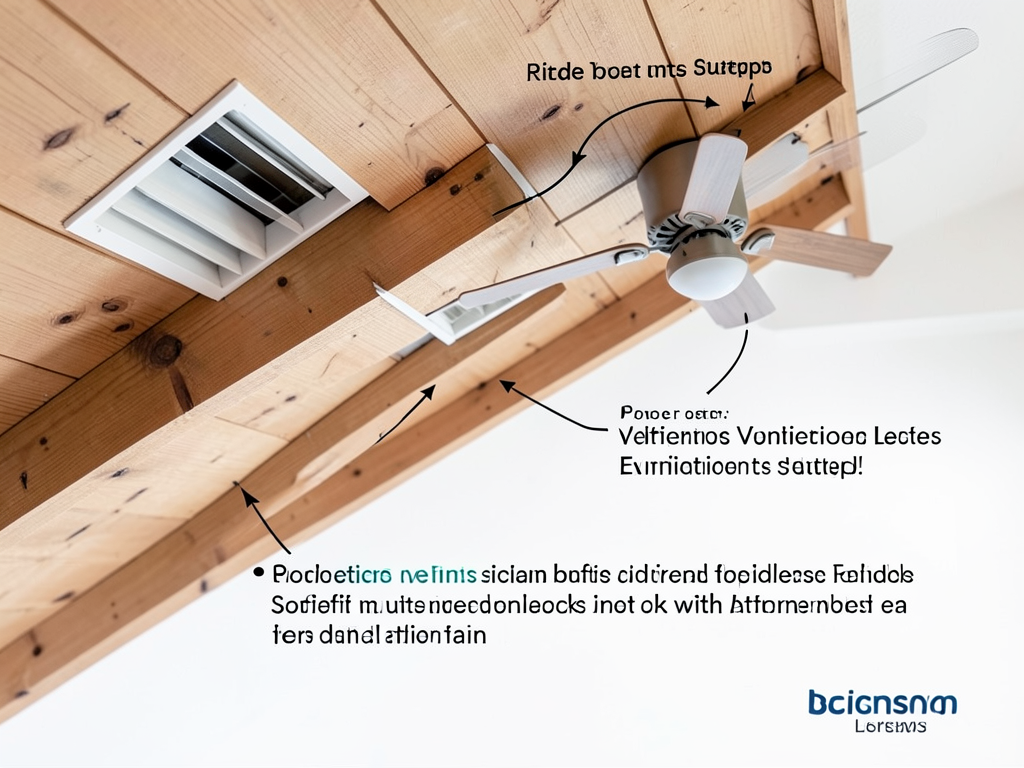
Deciding Between Attic Fans and Whole House Fans for Your Older University City Home University City's historic homes built in the early 1900s often trap heat in their attic spaces during St. Louis summers, creating…
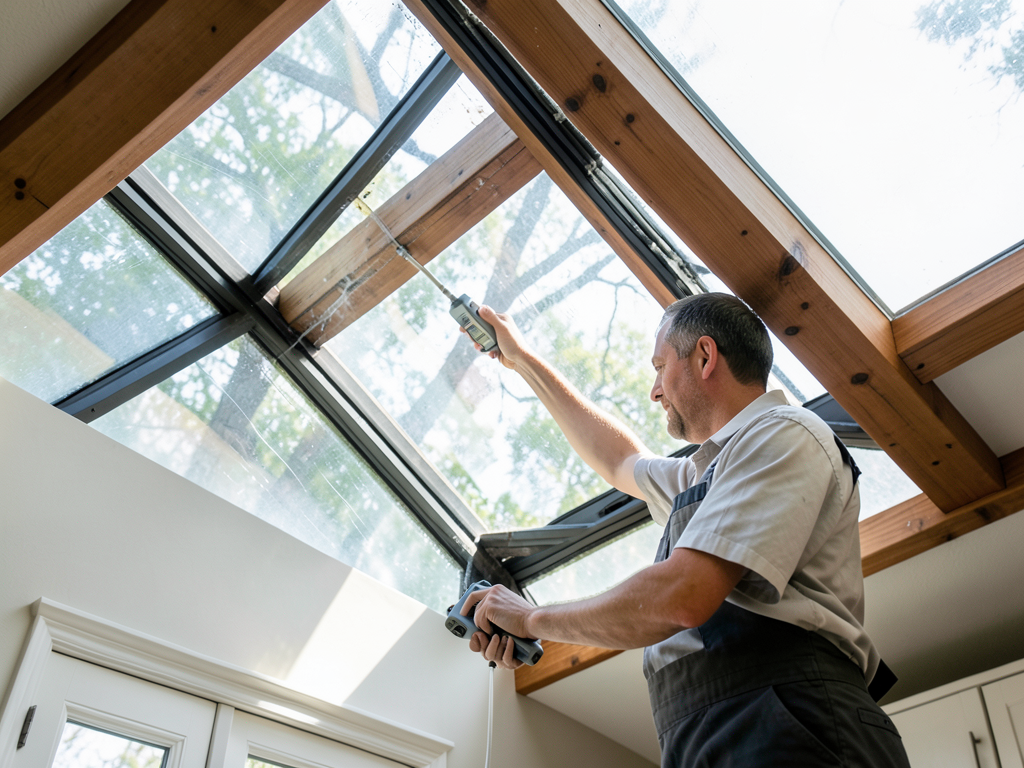
How to Tell if Your Wildwood Skylight is Leaking or Just Dealing with Condensation Water…
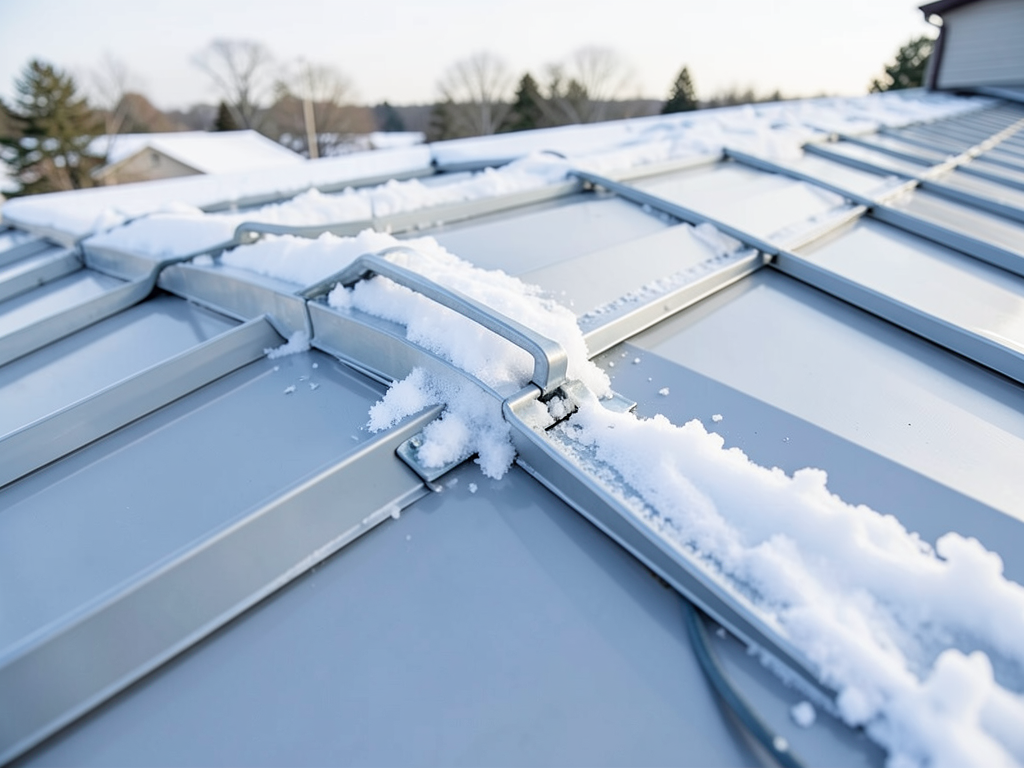
Why Your Eureka Metal Roof Needs Snow Guards Before the Next Big Freeze When snow…
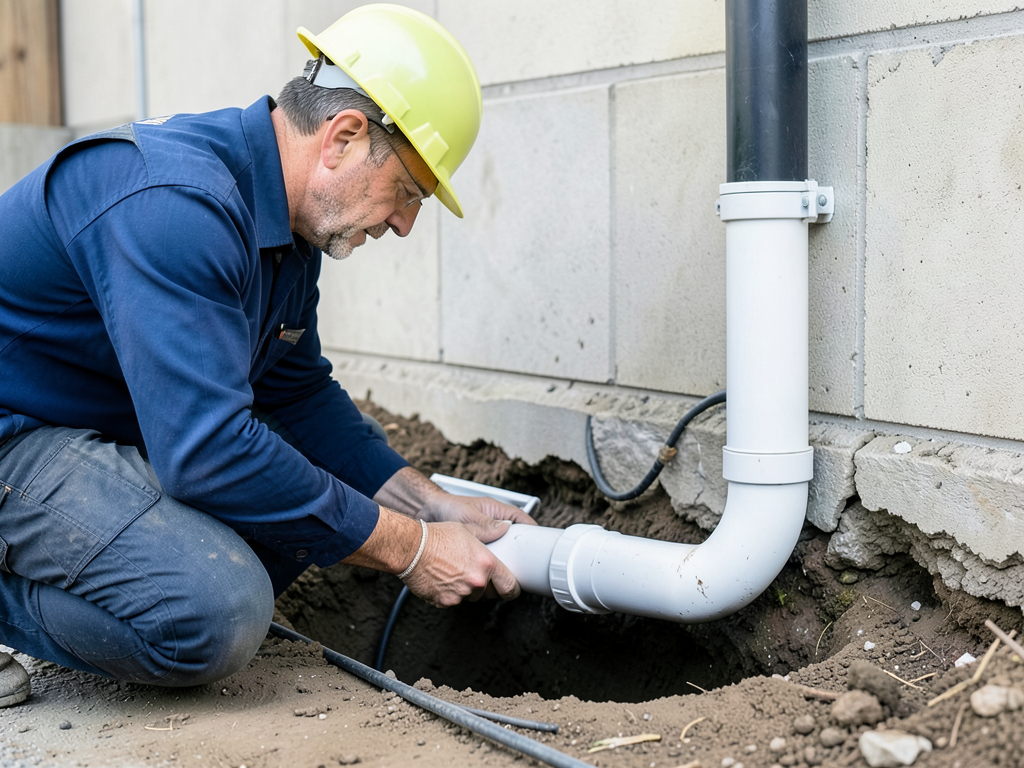
Connecting Your Gutters to Underground Drains to Prevent Basement Flooding in The Hill Heavy rains…
Your roof protects everything you value. Do not wait until small problems become expensive emergencies. Call Pioneer Roofing St. Louis at (314) 417-7774 for a free inspection and honest assessment of your roof condition. We respond fast and provide solutions that fit your needs and budget.