menu

Commercial Roof Coatings in St. Louis | Extend Roof Life and Minimize Operational Downtime

Industrial-grade liquid applied roofing systems and elastomeric roof coatings engineered to protect your facility from St. Louis weather extremes while your operations continue without interruption.

Slider Image 1
Slider Image 2
Slider Image 3
Slider Image 4
Slider Image 5
Slider Image 7
Slider Image 8
Slider Image 9
Slider Image 10
Slider Image 11

Why St. Louis Commercial Properties Need Specialized Roof Coating Systems

Your commercial building faces a unique threat profile in St. Louis. The city sits in a transitional climate zone where freeze-thaw cycles hammer flat roofing membranes from December through March, while summer heat indices routinely exceed 100 degrees. This thermal cycling creates expansion and contraction stress that accelerates membrane degradation, particularly on the built-up and modified bitumen systems common in the Cortex Innovation District and along the I-70 industrial corridor.

Aging commercial roofs develop micro-cracks that channel water into insulation layers and structural decking. In St. Louis's high humidity environment, trapped moisture breeds mold colonies and accelerates rust in metal decking. The result is predictable: reduced R-values that spike HVAC costs, liability exposure from interior water damage, and the looming need for a complete tearoff that shuts down operations and drains capital reserves.

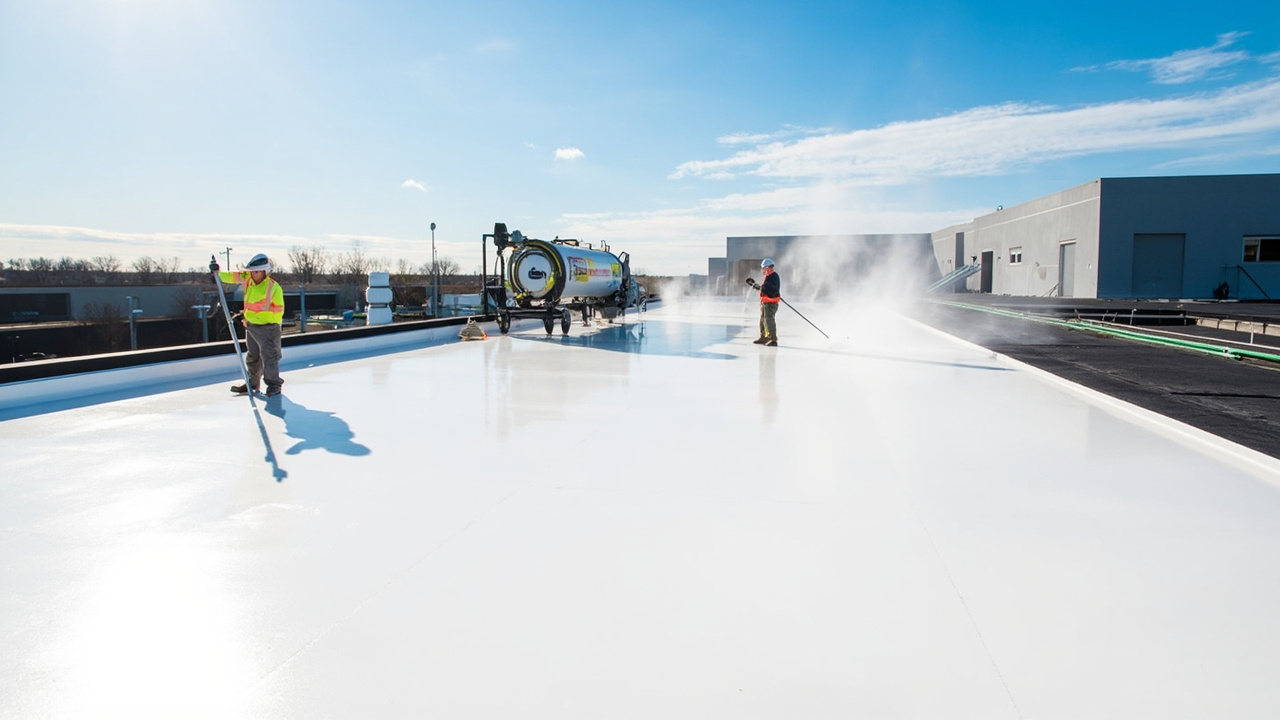
Commercial roof restoration systems offer a different path. Industrial roof coatings create a monolithic membrane that seals existing substrates, reflects solar radiation, and flexes with thermal movement. Elastomeric roof coatings bond directly to aged EPDM, TPO, or metal panels without requiring a tearoff. For facilities in Downtown West or near the riverfront where logistics complicate material delivery, liquid applied roofing eliminates the staging nightmares associated with conventional reroofing.

The business case is straightforward. Commercial flat roof coatings extend serviceable life by 10 to 15 years at a fraction of replacement cost. Operations continue. Capital stays available for revenue-generating investments rather than emergency repairs.

Why St. Louis Commercial Properties Need Specialized Roof Coating Systems
How Commercial Roof Coating Application Differs From Residential Work

How Commercial Roof Coating Application Differs From Residential Work

Commercial roof restoration demands a different methodology than residential applications. Your facility operates on tight margins. Downtime is measured in lost revenue per hour. Our approach centers on phased execution that keeps your operations running.

We begin with infrared thermography and core sampling to map moisture intrusion patterns across your roof assembly. Handheld infrared cameras identify saturated insulation areas that require targeted removal and replacement before coating application. Core samples reveal substrate condition and help us select the appropriate primer system. This diagnostic phase typically occurs after hours to avoid disrupting your workflow.

Surface preparation determines coating performance. Our crews pressure wash to remove biological growth, mill scale, and failed coating remnants. We mechanically abrade glossy surfaces to create adhesion profiles. All seams, penetrations, and termination bars receive reinforcing fabric embedded in base coat. This detailing work eliminates the failure points where water typically breaches coating systems.

We apply commercial roof coatings in multiple passes using airless spray equipment calibrated to manufacturer specifications. Base coat rates vary by substrate, typically 1.5 to 2 gallons per square. Topcoat application follows after cure intervals specified in the technical data sheet. Our crews monitor mil thickness with wet film gauges to ensure specification compliance. For occupied facilities, we coordinate application schedules around your operational requirements and maintain negative air pressure barriers when working above sensitive spaces.

Final inspection includes pull tests on fabric reinforcements and mil thickness verification across the field. You receive documentation that satisfies building department requirements and supports your asset management records.

The Commercial Coating Application Sequence

Commercial Roof Coatings in St. Louis | Extend Roof Life and Minimize Operational Downtime
01

Substrate Assessment and Mapping

We deploy infrared scanning equipment and perform test cuts to map moisture intrusion across your roof assembly. Core samples go to our shop for analysis. This data determines which sections require insulation replacement before coating and which substrates can accept coating directly. Our project manager reviews findings with your facilities team and develops a phased work plan that accommodates your operational calendar and budget constraints.
02

Preparation and Primer Application

Crews remove saturated insulation, install new polyiso or rigid foam, and flash all penetrations with compatible base materials. Power washing removes contaminants. We mechanically abrade smooth surfaces and apply substrate-specific primers that create chemical bonds between aged membranes and new coating systems. All detail work happens first. Fabric reinforcement goes over seams, pitch pans, and termination bars. This preparation phase determines long-term performance.
03

Multi-Pass Coating and Inspection

Base coat application follows manufacturer cure schedules, typically 24 to 48 hours between passes depending on temperature and humidity. Our crews apply elastomeric coatings in two passes to achieve specified mil thickness, usually 20 to 30 mils total system build. Final topcoat provides UV resistance and reflectivity. Post-application inspection verifies coverage, documents mil thickness readings, and confirms all penetrations received proper detailing. You receive a comprehensive report with thermal imagery comparisons and application records.

Why St. Louis Facility Managers Choose Pioneer Roofing St. Louis for Coating Projects

Commercial roof coating projects fail when contractors treat them like oversized residential jobs. The stakes differ. Your facility houses expensive equipment, inventory, and personnel. A poorly executed coating application creates bigger problems than it solves.

Pioneer Roofing St. Louis understands the constraints you face. Our crews have coated distribution centers in Earth City, manufacturing plants along the Missouri riverfront, and office complexes in Clayton. We know how to work around your operations. Night shifts, weekend scheduling, and phased execution are standard practice for us, not special accommodations.

We maintain relationships with the major coating manufacturers and stay current on product evolution. Silicone coatings excel on ponding water areas common to St. Louis's flat topography. Acrylic systems offer cost advantages on sloped metal panels. Polyurethane foams provide insulation upgrades and slope correction in single applications. Our estimators match coating chemistry to your substrate, exposure conditions, and performance requirements rather than pushing a single product line.

Our project managers coordinate with St. Louis Building Division inspectors and understand the documentation requirements for commercial reroofing permits. We pull permits, schedule inspections, and maintain daily logs that satisfy your property management reporting requirements. When your insurance carrier requests proof of maintenance, you have third-party verification of work performed to manufacturer standards.

The commercial roofing market in St. Louis includes plenty of contractors. Few specialize in coating applications. Fewer still have the crew capacity to execute large-scale projects without disrupting your operations. We maintain dedicated coating crews, own our spray equipment, and stock common materials to eliminate lead time delays when your building needs immediate attention.

What to Expect During Your Commercial Coating Project

Project Timeline and Scheduling

Most commercial coating projects span two to four weeks depending on roof size and substrate condition. Weather drives the schedule more than labor availability. Coatings require dry substrates and temperatures above 50 degrees during application and cure. St. Louis spring weather creates scheduling challenges with frequent rain events. Fall offers the most consistent application windows. We provide detailed schedules that break the project into daily work zones, coordinate with your operational needs, and include contingency days for weather delays. You know exactly when crews arrive, which roof sections get addressed each day, and when final inspection occurs.

Initial Roof Assessment Process

Our assessment starts with a visual survey to identify obvious defects, then moves to infrared thermography performed after sunset when temperature differentials reveal trapped moisture. We perform test cuts in suspect areas to verify insulation condition and measure existing membrane thickness. Core samples go to our shop where we clean and photograph them for your records. The assessment report includes thermal imagery with problem areas marked, core sample photos, and a scope of work that breaks repairs into necessary and recommended categories. This data-driven approach eliminates surprise change orders and gives you accurate budget numbers.

Final Coating System Performance

A properly applied commercial roof coating creates a seamless membrane that eliminates the seam failures common to sheet goods. You gain a highly reflective surface that reduces cooling loads by 10 to 30 percent depending on existing roof color. The elastomeric properties accommodate thermal movement without cracking. Most coating systems resist ponding water, biological growth, and UV degradation that destroys conventional membranes. Energy savings begin immediately. Reduced HVAC runtime extends equipment life. The coated surface resists dirt accumulation and maintains reflectivity longer than factory-applied coatings on new membrane products.

System Warranties and Maintenance Requirements

Commercial coating manufacturers offer material warranties ranging from 10 to 20 years depending on system build and substrate condition. These warranties require proper surface preparation, application by approved contractors, and specified mil thickness verified through inspection. Extended warranties typically include annual inspections and minor maintenance provisions. Your coating system requires minimal upkeep. Annual inspections identify and address small issues before they compromise the membrane. We recommend power washing every three to five years to remove accumulated debris and maintain reflectivity. Most facilities see 12 to 18 years of service life from properly maintained coating systems.

Frequently Asked Questions

You Have Questions,
We Have Answers

How much does commercial roof coating cost? +

Commercial roof coating costs vary based on roof size, substrate type, and coating system chosen. Most St. Louis commercial projects range from $1.50 to $4.00 per square foot installed. Silicone and polyurethane coatings typically cost more upfront but offer superior performance against the region's freeze-thaw cycles and ponding water. Acrylic coatings are more economical but require drier conditions during application. Roof accessibility, existing damage requiring repair, and required prep work impact total project cost. A 20,000 square foot flat roof coating project typically reduces disruption compared to tear-off replacement, minimizing business downtime and avoiding costly disposal fees.

What type of roof coating is best? +

The best coating depends on your existing roof substrate and building conditions. Silicone coatings perform best on flat roofs with ponding water issues common in St. Louis, offering superior moisture resistance and UV stability. Polyurethane works well for roofs with foot traffic or mechanical equipment. Acrylic coatings provide cost efficiency for sloped roofs with good drainage. For metal roofs on industrial buildings throughout the St. Louis metro, elastomeric coatings prevent rust and reflect heat. Your substrate material, drainage patterns, and exposure to standing water drive the selection. Professional assessment of your specific roof condition determines the optimal system.

What are the latest trends in commercial roofing? +

Commercial roofing trends focus on sustainability and energy efficiency. Cool roof coatings with high solar reflectance reduce cooling costs for St. Louis warehouses and office buildings during humid summers. Silicone roof restoration systems extend existing roof life 10 to 15 years without tear-off waste. Drone roof inspections provide detailed condition assessments faster and safer. Green roof systems and vegetative layers gain traction for urban properties seeking stormwater management. Fluid-applied membranes offer seamless waterproofing for complex roof geometries. Energy code compliance drives demand for reflective coating systems that lower building operating costs and qualify for utility rebates.

What are the disadvantages of roof coatings? +

Roof coatings require proper surface preparation and dry weather during application. Existing roof damage, wet insulation, or structural issues must be addressed first. Coatings add minimal thickness and will not fix underlying substrate problems. St. Louis humidity and spring rain patterns can delay application schedules, extending project timelines. Coatings require periodic reapplication every 10 to 20 years depending on system type and exposure. Poor installation leads to premature failure, blistering, or delamination. Coatings work best on specific substrates. Not all roof types accept coatings effectively. Professional assessment determines if your roof is a good candidate.

How many years does roof coating last? +

Roof coating lifespan depends on coating type, application quality, and maintenance. Silicone coatings typically last 15 to 20 years in St. Louis conditions with proper maintenance. Acrylic coatings last 10 to 15 years but require more frequent inspections. Polyurethane coatings offer 10 to 15 year performance on high-traffic roofs. Climate factors like UV exposure, ponding water, and freeze-thaw cycles affect longevity. Regular inspections and minor recoating extend service life. Commercial buildings with HVAC equipment or high foot traffic may need touch-ups sooner. Proper substrate preparation and professional installation maximize coating performance and return on investment.

Can roofers make 100k a year? +

This question addresses individual earning potential rather than commercial roof coating performance. Experienced commercial roofers in the St. Louis market can earn six figures annually through combination of base wages, overtime, and specialized skills. Commercial coating applicators with manufacturer certifications command higher rates. Project managers and estimators for commercial roofing firms often exceed this threshold. However, this question falls outside the scope of roof coating selection and performance for your commercial property. For coating system recommendations specific to your St. Louis facility, focus on return on investment, energy savings, and asset preservation instead of contractor compensation structures.

Which roof coating lasts the longest? +

Silicone roof coatings last longest, typically 15 to 20 years in commercial applications. Silicone resists ponding water without degradation, a critical factor for flat roofs in the St. Louis metro. The material will not break down from UV exposure or moisture absorption. Silicone maintains flexibility through freeze-thaw cycles without cracking. Polyurea coatings offer comparable longevity with faster cure times but higher cost. Fluoropolymer coatings provide the longest theoretical lifespan but rarely justify the premium cost for most commercial buildings. Proper installation and routine maintenance extend any coating system. Your roof slope, drainage, and exposure conditions determine which long-lasting option delivers best value.

How much does Rhino RV roof coating cost? +

Rhino RV roof coating is designed for recreational vehicles, not commercial buildings. This product targets the consumer RV market with different performance requirements than commercial roof systems. Commercial properties in St. Louis require coatings engineered for larger square footage, higher wind loads, and building code compliance. Commercial-grade silicone, acrylic, or polyurethane systems from manufacturers like Gaco, Tremco, or Karnak provide appropriate performance specifications. These systems include fire ratings, weathering data, and warranty structures suitable for commercial asset protection. Focus on commercial coating systems designed for your building type rather than residential or automotive products.

Which is better, EPDM or TPO? +

For St. Louis commercial roofs, TPO outperforms EPDM in most applications. TPO offers heat-welded seams that create watertight bonds stronger than the membrane itself. The white reflective surface reduces cooling costs during humid summers. TPO resists ponding water and punctures better than EPDM. EPDM rubber membranes cost less upfront but use adhesive or tape seams that can fail. EPDM absorbs more heat, increasing cooling loads. However, EPDM offers better flexibility in extreme cold. For flat roofs on warehouses and retail buildings throughout the metro, TPO provides better long-term value, energy performance, and code compliance.

What is the 10/50/50 rule? +

The 10/50/50 rule is not a recognized standard in commercial roofing or coating applications. This may reference a specific manufacturer guideline or regional practice outside mainstream industry standards. Commercial roof coatings follow specifications based on dry film thickness, typically 10 to 40 mils depending on system type. Application rates measure in gallons per 100 square feet. St. Louis commercial projects follow building codes, manufacturer specifications, and ASTM standards rather than numerical shorthand rules. If you encountered this term in a proposal or specification, request clarification on what specific performance metric or application guideline it represents for your project.

How St. Louis Freeze-Thaw Cycles Impact Commercial Roof Coating Selection

St. Louis commercial buildings experience an average of 40 freeze-thaw cycles per winter, a pattern that separates inferior coating products from industrial-grade systems. Water trapped in membrane cracks expands during freezing, then contracts during thaws. This cyclic stress propagates existing defects and creates new failure points. Elastomeric roof coatings formulated for northern climates maintain flexibility at temperatures down to minus 20 degrees. Silicone systems offer superior elongation properties that accommodate substrate movement without tearing. Acrylic coatings common in southern markets turn brittle in St. Louis winters and crack under thermal stress. Material selection matters when your building sits between the Great Plains and the Mississippi River valley.

The St. Louis Building Division requires commercial reroofing permits for coating applications that alter fire ratings or add structural load. Our crews understand the inspection protocols and documentation requirements that satisfy city inspectors. We maintain contractor relationships with the major coating manufacturers, which gives you access to technical representatives when questions arise about compatibility or application procedures. For facilities near Lambert Airport or in Earth City where FAA height restrictions apply, we coordinate with aviation authorities when work requires temporary equipment that exceeds standard building heights. Local expertise prevents permit delays and keeps your project on schedule.
Roofing Services in The St. Louis Area

Pioneer Roofing is proud to serve the entire St. Louis metropolitan area and surrounding communities. Our local presence means we are always nearby and ready to respond quickly to your roofing needs, whether you are located in the heart of St. Louis or the greater county. View our location and service radius on the map to confirm we cover your neighborhood and then call us to schedule your service!

Address:
Pioneer Roofing St. Louis, 1031 Lami St, St. Louis, MO, 63104

Additional Services We Offer

Our news updates

Latest Articles & News from The Blogs

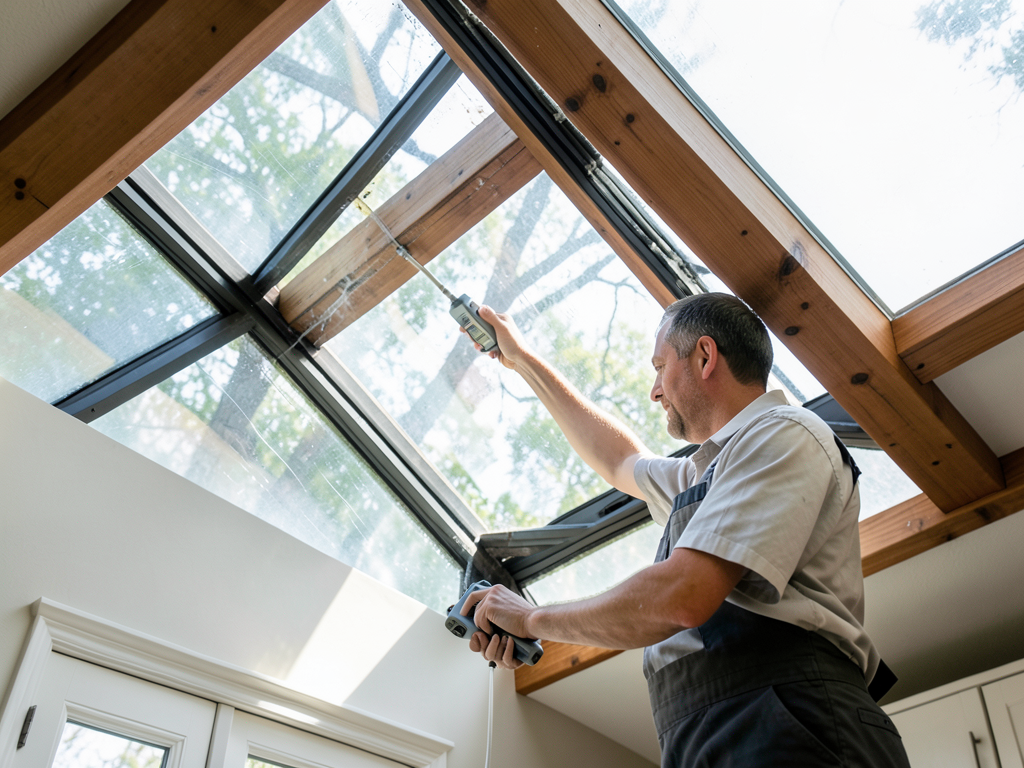
How to Tell if Your Wildwood Skylight is Leaking or Just Dealing with Condensation Water dripping from your Wildwood skylight…

How to Tell if Your Wildwood Skylight is Leaking or Just Dealing with Condensation

How to Tell if Your Wildwood Skylight is Leaking or Just Dealing with Condensation Water dripping from your Wildwood skylight…

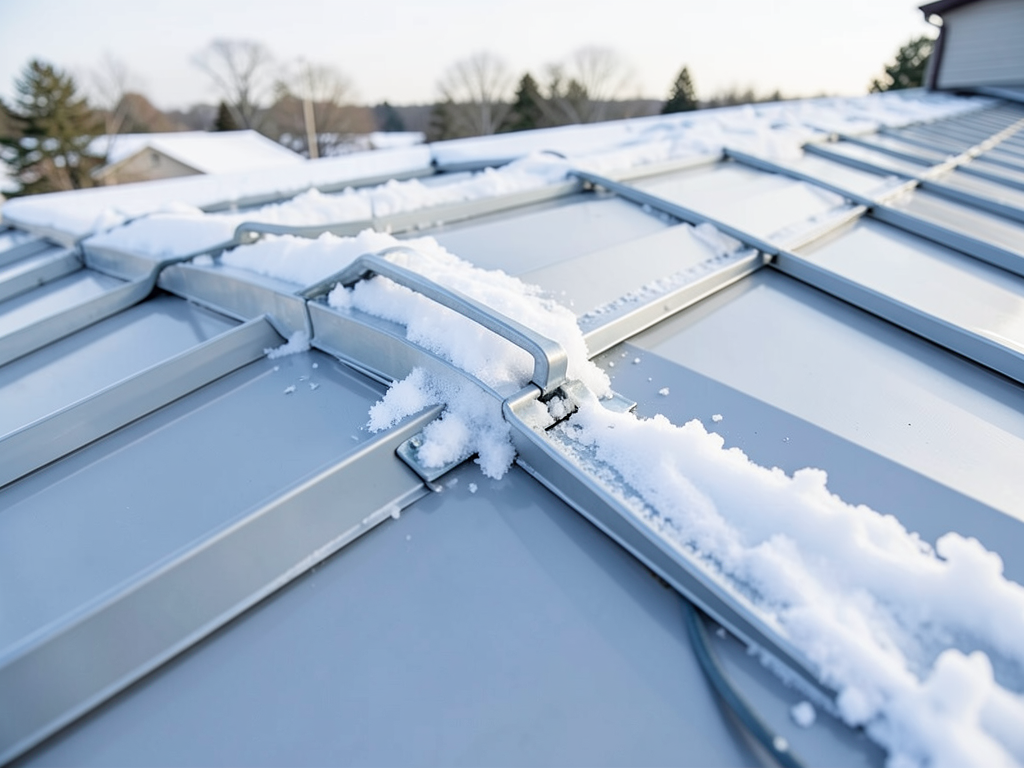
Why Your Eureka Metal Roof Needs Snow Guards Before the Next Big Freeze

Why Your Eureka Metal Roof Needs Snow Guards Before the Next Big Freeze When snow slides off a metal roof…

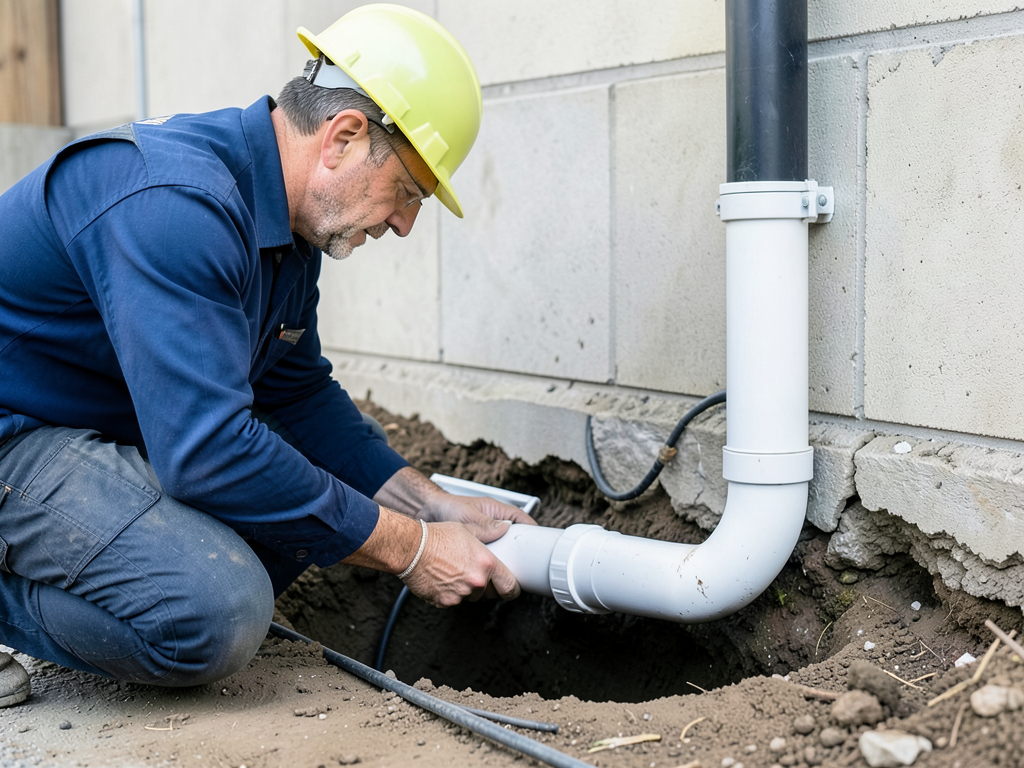
Connecting Your Gutters to Underground Drains to Prevent Basement Flooding in The Hill

Connecting Your Gutters to Underground Drains to Prevent Basement Flooding in The Hill Heavy rains in St. Louis overwhelm standard…

Contact Us

Call Pioneer Roofing St. Louis at (314) 417-7774 to arrange your facility roof inspection. Our project managers provide detailed assessments, accurate cost projections, and work schedules that accommodate your operational requirements. Protect your asset and reduce energy costs with commercial roof coatings engineered for St. Louis conditions.