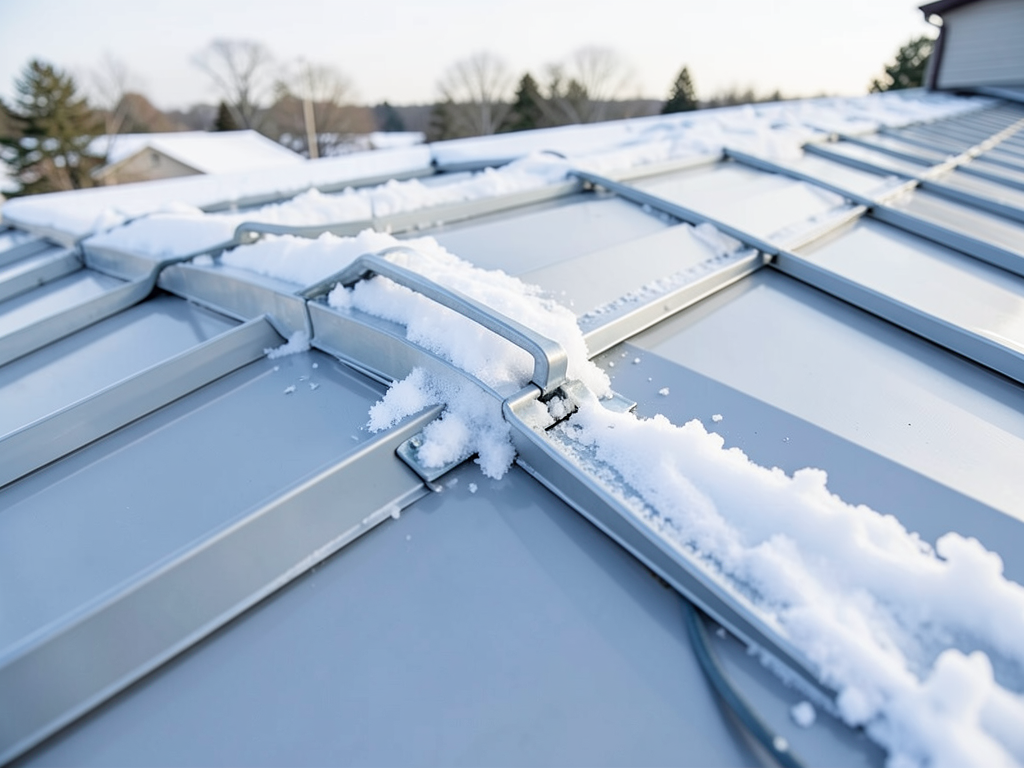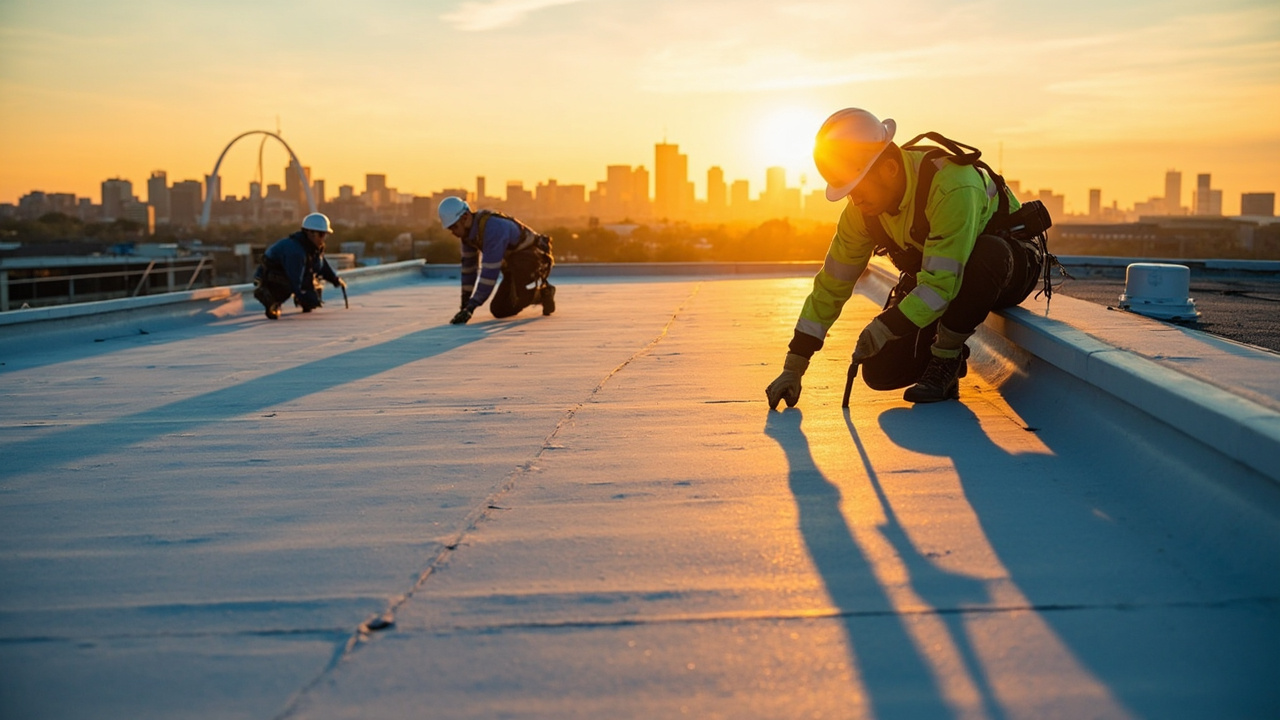
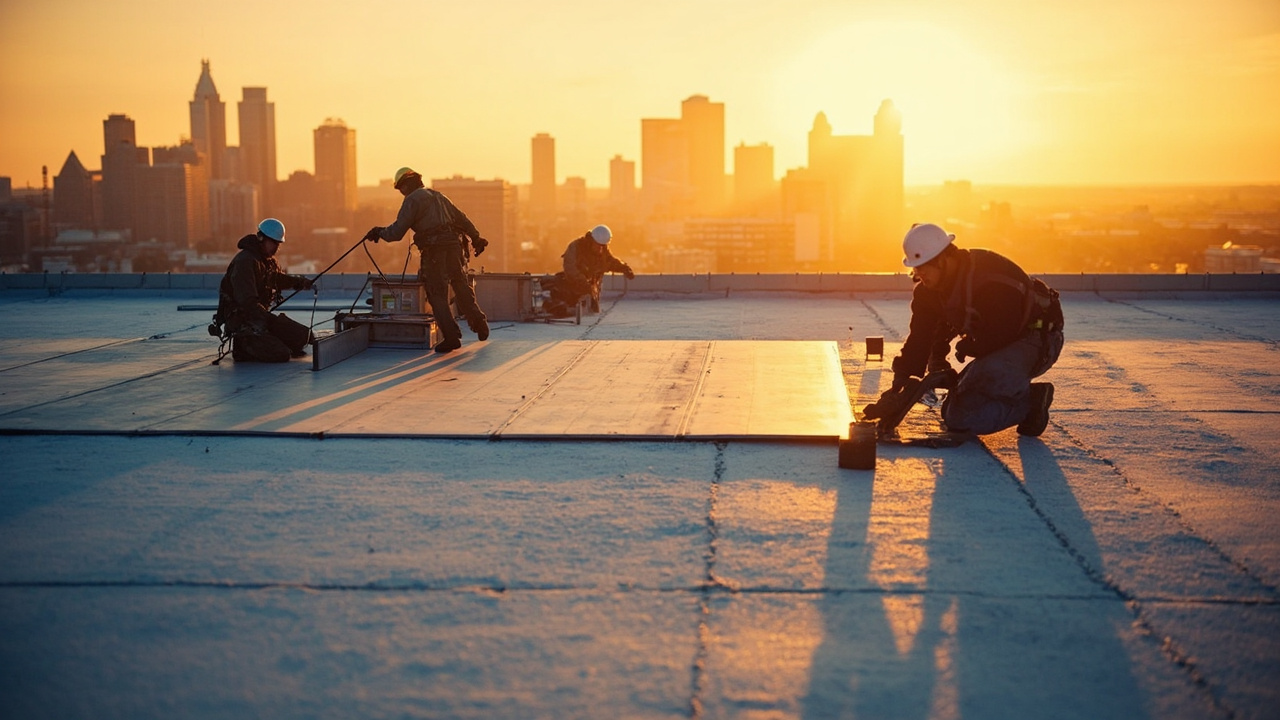

St. Louis sits in a transition zone where continental arctic air masses collide with Gulf moisture. This creates temperature swings from minus 10 degrees in January to 105 degrees in July. Commercial roofs expand and contract through 115-degree temperature ranges annually. TPO membranes installed without adequate slack in seam laps develop stress cracks. EPDM systems without proper ballast or fastener density lift during high wind events. The city's position along the Mississippi River creates high humidity that accelerates biological growth on north-facing roof slopes. Commercial roofing contractors who ignore these climate factors install systems that fail prematurely, creating disruption and unexpected capital expenses for facility managers who budgeted for 20-year service life.
The St. Louis metro includes municipalities with varying permit requirements and inspection protocols. St. Louis City, St. Louis County, St. Charles County, and individual municipalities each maintain separate building departments with different submittal procedures. Commercial roofing companies unfamiliar with local jurisdictions create permit delays that extend project timelines and postpone certificate of occupancy approvals. Industrial roofing contractors working across the metro understand which jurisdictions require third-party inspections, which accept self-certification, and which mandate specific fire-rating documentation. This local knowledge prevents compliance problems that delay project closeout and interfere with your facility operations or financing requirements.