menu

Winter Roof Maintenance Tips in St. Louis – Protect Your Home from Freeze-Thaw Damage and Ice Dam Failures

Get the complete winter roof care guide tailored to St. Louis's unique freeze-thaw cycles, ice accumulation patterns, and sudden temperature swings that crack shingles and create hidden leak points before spring.

Slider Image 1
Slider Image 2
Slider Image 3
Slider Image 4
Slider Image 5
Slider Image 7
Slider Image 8
Slider Image 9
Slider Image 10
Slider Image 11

Why St. Louis Winters Destroy Unprepared Roofs

St. Louis sits in a climatic danger zone. You get the worst of both worlds: intense freeze-thaw cycles that expand and contract roofing materials daily, plus sudden ice storms that drop inches of frozen weight onto your structure. When temperatures swing from 15 degrees at night to 45 degrees by afternoon, your shingles, flashing, and sealants take a beating.

The clay-heavy soil underneath St. Louis homes shifts during winter, creating subtle roof stress that compounds freeze damage. You will not see this until water stains appear on your ceiling in March. By then, the damage is structural.

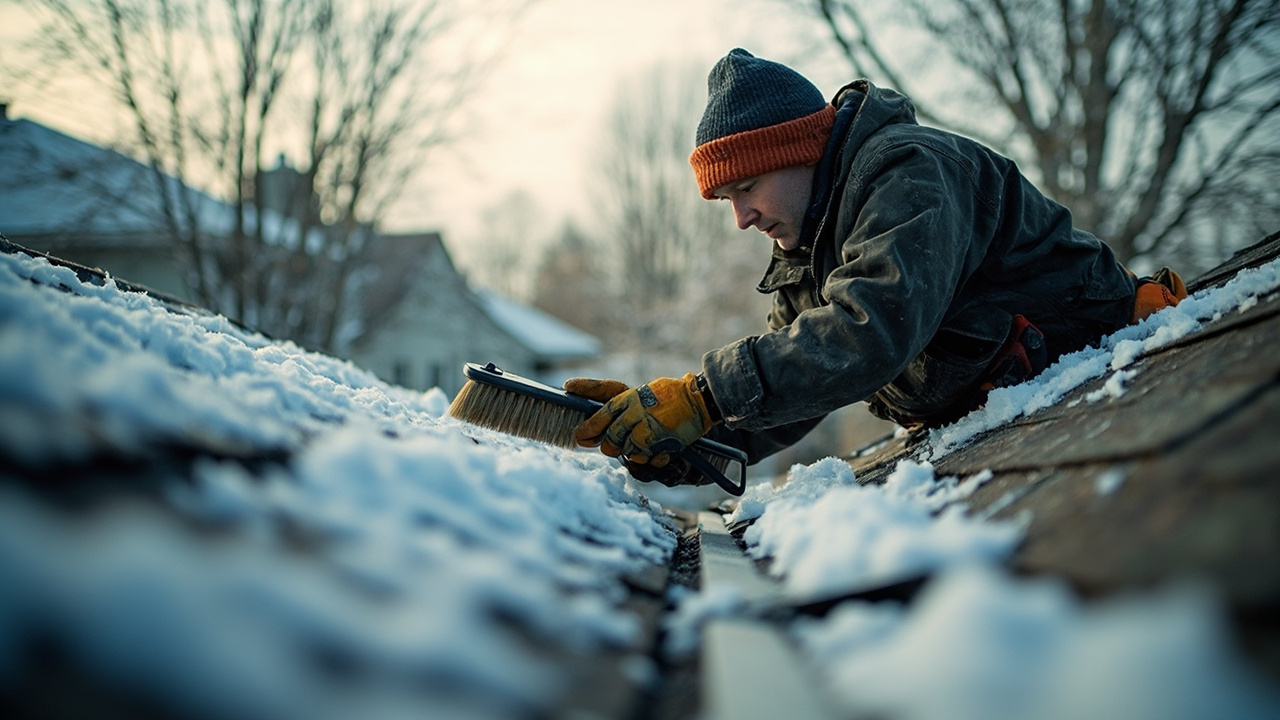
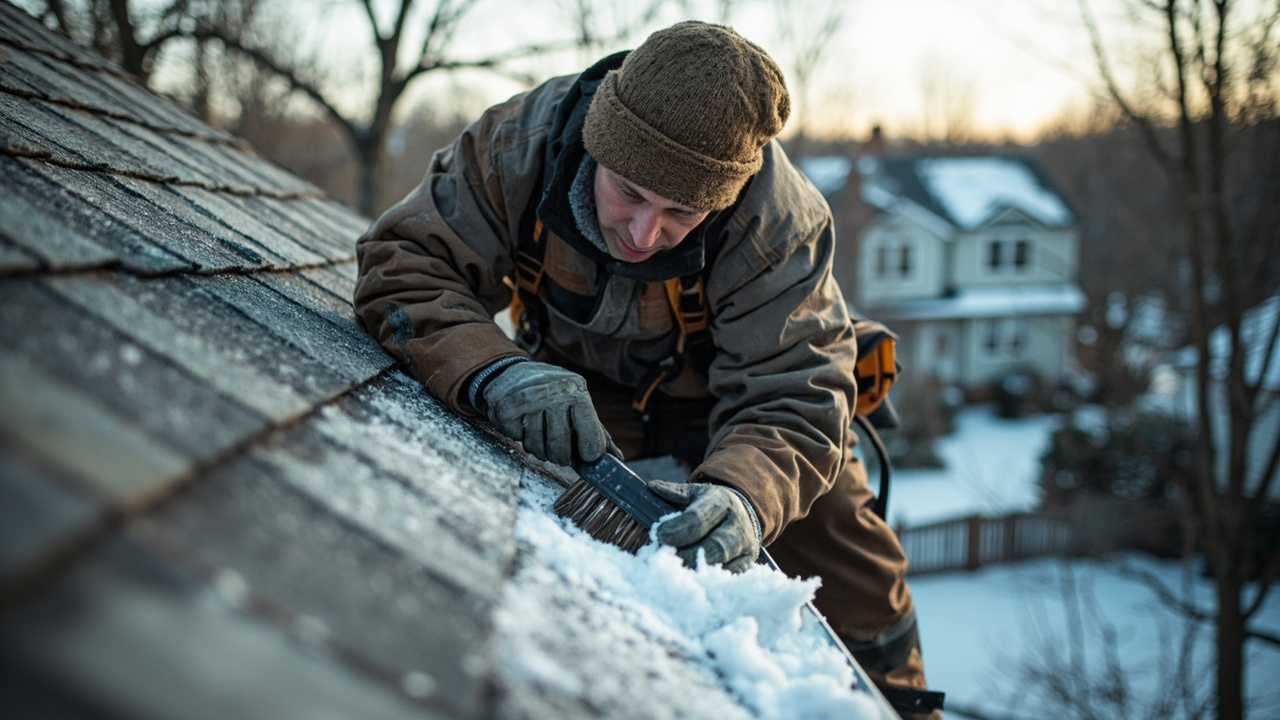
Cold weather roofing upkeep is not optional here. It is damage prevention. Ice dams form along your eaves when heat escapes through your attic, melts snow on your roof peak, and refreezes at the colder edges. That ice backs water under your shingles. One ice dam cycle can destroy a roof valley or penetrate your decking.

Winterizing your roof means addressing the weak points before the first hard freeze: clearing debris from valleys and gutters, inspecting flashing around chimneys and vents, checking attic ventilation, and sealing any gaps where wind-driven rain can enter. St. Louis's winter wind patterns push moisture into cracks that summer storms ignore.

You cannot visually inspect the damage winter causes until it is too late. Preparing your roof for winter is about stopping problems you will not see until they cost thousands to repair.

Why St. Louis Winters Destroy Unprepared Roofs
The Cold-Weather Upkeep System That Stops Leaks Before Spring

The Cold-Weather Upkeep System That Stops Leaks Before Spring

Your roof maintenance checklist for winter requires a sequence, not a random inspection. You start at the penetration points: chimneys, plumbing stacks, skylights, and vent boots. These are where flashing fails first. We check the sealant around each penetration and look for gaps where ice can enter and expand.

Next, we evaluate your attic ventilation and insulation. Poor attic airflow creates the temperature differential that causes ice dams. If your soffit vents are blocked or your ridge vent is inadequate, warm air stays trapped under your roof deck. That melts snow from below and creates ice at the eaves. We measure your ventilation ratio and check insulation depth to prevent this.

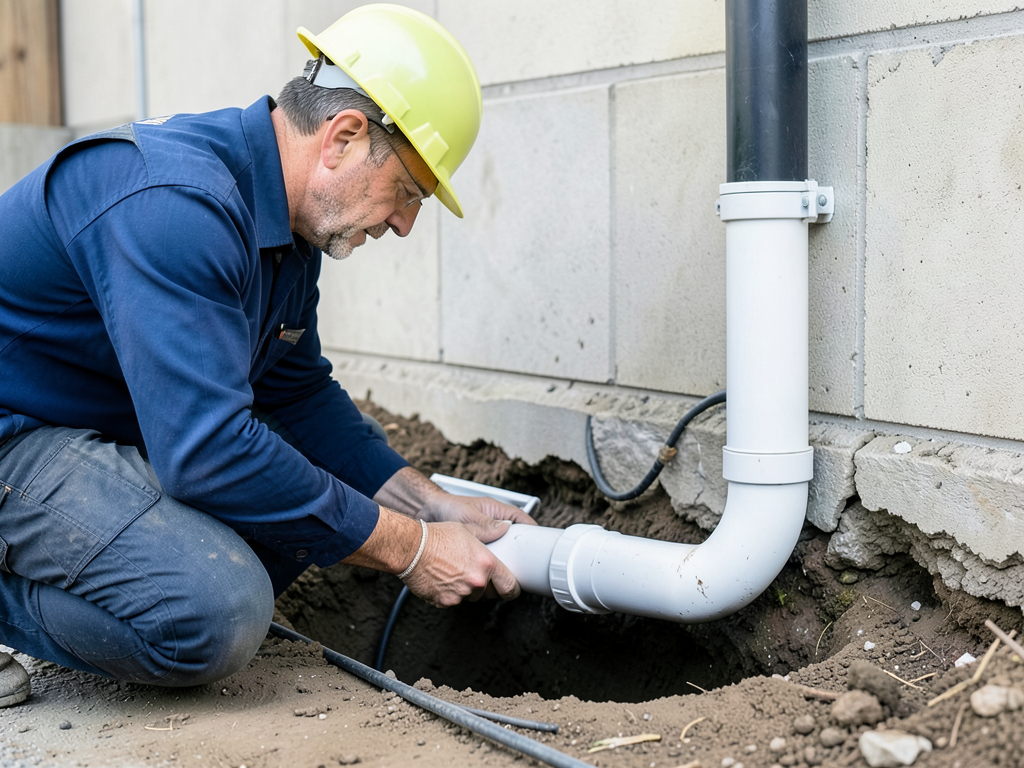
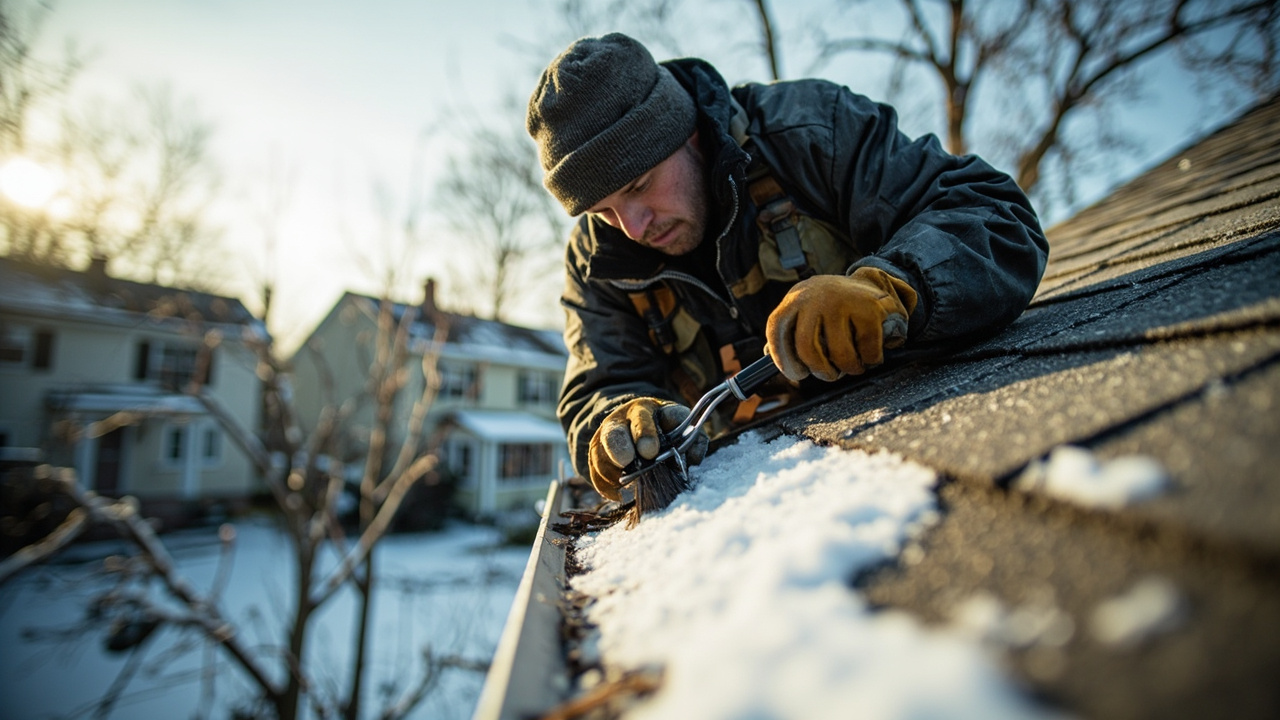
Gutters and downspouts must be clear and secure. Frozen gutters rip away from fascia boards under the weight of ice. We confirm your gutter hangers are tight and your downspouts direct water at least six feet from your foundation. This prevents both roof damage and basement flooding during thaw cycles.

Shingle condition matters more in winter. Small cracks or lifted edges let wind-driven snow underneath. We inspect for granule loss, curling, or missing tabs. Damaged shingles do not just leak. They allow moisture into your decking, where freeze-thaw cycles cause rot.

Finally, we check your attic for signs of prior moisture intrusion: stains on rafters, mold on sheathing, or rust on nails. These tell us where your weak points are before the next storm tests them. Winter roof care is about finding vulnerabilities while you can still fix them affordably.

How Professional Winter Roof Prep Works

Winter Roof Maintenance Tips in St. Louis – Protect Your Home from Freeze-Thaw Damage and Ice Dam Failures
01

Visual Roof Inspection

We begin with a complete roof surface evaluation from the eaves to the ridge. We identify damaged or missing shingles, check flashing integrity at all penetration points, and inspect sealant condition around chimneys and vents. This visual scan catches the obvious damage before we move to hidden vulnerabilities. We document everything with photos so you understand exactly what needs attention before winter weather arrives.
02

Attic and Ventilation Check

We move into your attic to measure insulation depth, check ventilation pathways, and inspect the underside of your roof deck for moisture stains or mold. This step reveals whether your attic is set up to prevent ice dams. We look for blocked soffit vents, inadequate ridge ventilation, and thermal bridging that creates hot spots. Proper attic conditions are the difference between a roof that sheds snow and one that grows destructive ice.
03

Gutter and Drainage Review

We clear all debris from gutters and downspouts, confirm hanger security, and verify that water flows away from your foundation. We check for sagging sections that will trap ice and pull away from your fascia under winter load. You get a written summary of repairs needed and a timeline for completion. This final step ensures your entire drainage system is ready to handle freeze-thaw cycles without causing roof or foundation damage.

Why St. Louis Homeowners Trust Local Winter Roof Expertise

St. Louis roofing is not the same as Kansas City roofing or Chicago roofing. The climate here sits at the intersection of Midwest cold snaps and Southern humidity swings. Your roof faces temperature extremes that require specific material choices and installation techniques.

We understand how St. Louis's historic architecture complicates winter prep. Homes in Shaw, Soulard, and the Central West End have steep roof pitches, complex valley systems, and aging flashing details that need specialized attention. Cookie-cutter inspections miss these details. Local expertise catches them.

St. Louis building codes and insurance requirements also matter. After major winter storms, insurance adjusters look for evidence of proper maintenance. A documented winter roof inspection protects your claim if damage occurs. We provide the written reports and photos you need to prove you took reasonable care of your roof.

We have worked through every major winter event St. Louis has thrown at us: the ice storms of 2007, the polar vortex freezes, and the rapid thaw floods that followed. We know which roof designs fail first and which materials hold up under freeze-thaw stress. That experience matters when you are deciding whether to repair or replace before winter.

You also get faster response because we are local. When a winter storm damages your roof, you cannot wait three weeks for an out-of-town crew. Pioneer Roofing St. Louis keeps crews available through winter specifically for emergency repairs. Local means accountable. We will be here in March to fix what February broke.

What Your Winter Roof Maintenance Service Includes

Inspection Timeline and Availability

Fall is the ideal window for winter roof prep, typically from late September through mid-November before the first hard freeze. Inspections take between 60 and 90 minutes depending on roof size and complexity. We schedule appointments within three to five business days and provide same-week service for urgent concerns. If we identify repairs during the inspection, most can be completed immediately or within a few days, weather permitting. Waiting until December limits your repair options because sealants and adhesives require minimum temperatures to cure properly.

Detailed Assessment Process

You receive a comprehensive evaluation that covers your entire roofing system. We inspect shingle condition, flashing integrity, gutter function, attic ventilation, and insulation adequacy. We use thermal imaging when needed to identify heat loss patterns that cause ice dams. You get a written report with photos of problem areas, a priority ranking of needed repairs, and cost estimates for each item. This allows you to make informed decisions about what to fix now and what can wait until spring.

Quality of Winter Repairs

Winter roof repairs require specific materials and techniques. We use cold-weather sealants rated for sub-freezing application. We do not attempt shingle replacements below 40 degrees because adhesive strips will not bond. For emergency repairs, we use ice-and-water shield membranes and mechanical fastening methods that work in any temperature. All repairs meet or exceed St. Louis building code requirements. You get materials designed to survive freeze-thaw cycles, not generic products that fail by February. Our goal is a repair that lasts through winter and beyond.

Post-Inspection Support and Monitoring

After your winter prep is complete, we remain available for storm damage assessment throughout the season. If a major ice storm or wind event hits St. Louis, you can request a follow-up inspection to check for new damage. We keep your inspection report and photos on file so we can compare pre-storm and post-storm conditions. This documentation is valuable for insurance claims. We also provide guidance on simple maintenance tasks you can handle yourself, like clearing snow from vents or monitoring ice dam formation. You are not on your own once the inspection ends.

Frequently Asked Questions

You Have Questions,
We Have Answers

How to prepare your roof for winter? +

Start by clearing your gutters and downspouts of leaves and debris to prevent ice dams. Inspect your shingles for cracks, curling, or missing tabs. Check flashing around chimneys and vents for gaps where water can penetrate. Trim back tree branches that hang over your roof to prevent damage from winter ice and wind. St. Louis freeze-thaw cycles make small issues worse, so address cracks now. Look for damaged or missing shingles and replace them before snow arrives. Schedule a professional inspection if your roof is over 15 years old or you spot damage.

What do roofers do for work in the winter? +

Roofers in St. Louis stay busy through winter handling emergency repairs from ice dams, wind damage, and storm calls. They replace damaged shingles, fix leaks, and remove ice buildup that threatens structural integrity. Winter work also includes gutter cleaning, attic ventilation assessments, and preparing roofs for spring. During extreme cold below 25 degrees, they focus on temporary repairs and tarping. Many roofers use this season for inspections and estimates, scheduling full replacements for spring. Emergency calls spike after winter storms, so experienced crews stay ready for urgent damage control.

What temperature is too cold for roofing? +

Most asphalt shingles require temperatures above 40 to 50 degrees for proper installation because the adhesive strips need warmth to seal. Below 40 degrees, shingles become brittle and can crack during nailing. Hand-sealing each shingle adds time and labor in cold weather. Emergency repairs can happen in colder temperatures, but full roof replacements should wait. St. Louis winters average in the 30s and 40s, creating marginal installation days. Roofers use hand-sealant and adjusted techniques for urgent winter repairs, but plan major projects for warmer months when materials perform correctly.

How do you winterize a roof? +

Clean your gutters thoroughly to allow proper drainage. Inspect and repair damaged shingles, flashing, and seals around penetrations. Check attic insulation and ventilation to prevent ice dams caused by heat loss. Trim overhanging branches that could break under snow or ice weight. Seal any gaps where water or critters can enter. In St. Louis, where freeze-thaw cycles stress roofing materials, focus on vulnerable areas like valleys and eaves. Apply roof sealant to exposed nail heads or small cracks. Remove debris that traps moisture. A professional inspection catches hidden problems before winter weather makes them worse.

Should I insulate the underside of my roof? +

Insulating the underside of your roof depends on your attic type. For vented attics, insulate the attic floor instead to keep heat in living spaces. For cathedral ceilings or unvented attics, spray foam insulation between rafters works well. Proper insulation prevents ice dams by keeping your roof deck cold, stopping snow melt that refreezes at eaves. St. Louis homes with inadequate attic insulation waste energy and risk ice damage. Pair insulation with ventilation to control moisture. Avoid blocking soffit vents. Adding insulation reduces heating bills and protects shingles from temperature stress during winter freeze-thaw cycles.

Can I apply roof Maxx myself? +

No. Roof Maxx application requires specific equipment, training, and proper surface preparation that homeowners cannot replicate safely. The product needs even distribution at the correct temperature and coverage rate. Improper application voids any product performance claims and can create uneven absorption or runoff. Professional applicators assess your roof condition first to determine if the treatment will work. They also carry liability insurance for roof access work. St. Louis weather conditions affect application timing and curing. DIY attempts risk personal injury from falls and waste money on ineffective results. Always hire certified applicators for roof treatments.

At what temperature do shingles seal? +

Asphalt shingles typically seal when temperatures reach 70 degrees or higher. The adhesive strips soften in warmth, bonding shingles together to resist wind uplift. In cooler weather between 40 and 70 degrees, sealing takes longer, sometimes weeks. Below 40 degrees, shingles may not seal properly without hand-sealing each tab with roofing cement. St. Louis spring and fall installations may require patience as temperatures fluctuate. Shingles installed in winter need monitoring. Wind damage risk increases until sealing completes. Professional roofers hand-seal shingles during cold-weather installations to ensure immediate wind resistance.

Does roof Maxx really work? +

Roof Maxx can extend the life of asphalt shingles by restoring flexibility to aged, brittle materials. The soy-based treatment penetrates shingles and replaces lost oils, improving granule adhesion and flexibility. Results vary based on existing roof condition. Severely damaged, curled, or missing shingles will not benefit. The treatment works best on roofs with 5 to 15 years of life remaining that show drying and minor brittleness. St. Louis weather stresses shingles through freeze-thaw cycles and UV exposure. Independent testing shows measurable improvement in flexibility. Roof Maxx delays replacement but does not fix structural damage or leaks.

How many inches of snow is too heavy for a roof? +

Most residential roofs in St. Louis handle 20 inches of fresh, light snow without concern. Packed or wet snow weighs significantly more. A general rule estimates 1 to 3 pounds per square foot for fresh snow, but wet snow reaches 12 to 20 pounds per square foot. Roofs typically support 20 pounds per square foot safely. Signs of stress include sagging, cracking sounds, or doors that suddenly stick. Older roofs, flat roofs, or those with existing damage face higher risk. Remove snow exceeding 2 feet or after ice buildup. Professionals use roof rakes to safely clear accumulation.

What is the best month to replace a roof? +

Late spring through early fall offers ideal conditions for roof replacement in St. Louis. May through September provides consistent warm temperatures for proper shingle sealing and installer comfort. Avoid extreme summer heat above 90 degrees, which makes shingles too soft and rooftops dangerous. Fall months offer cooler working conditions before winter weather arrives. Schedule projects during dry periods to prevent interior water damage during tear-off. Winter replacements risk material performance issues and weather delays. Spring demand drives higher prices and longer waits. Book projects in late winter for spring installation to secure better rates and preferred scheduling.

How St. Louis's Freeze-Thaw Cycles Accelerate Roof Deterioration

St. Louis averages 20 to 30 freeze-thaw cycles each winter, far more than cities just 100 miles north or south. This constant expansion and contraction breaks down roofing materials faster than steady cold or steady warmth. Water seeps into small cracks during the day, freezes and expands at night, and widens those cracks. By spring, you have leaks that were not there in October. The combination of humidity from the Mississippi and Missouri rivers plus temperature swings creates the worst possible conditions for roof longevity. Winterizing your roof in St. Louis is not about surviving one big storm. It is about surviving dozens of small freeze-thaw events that chip away at your roof's integrity all season long.

St. Louis roofing contractors who understand local weather patterns provide better long-term value than national chains. We know which shingle brands hold up under freeze-thaw stress and which fail prematurely. We understand the specific building code requirements for ice-and-water shield installation in St. Louis County and St. Charles County. We have relationships with local suppliers who stock cold-weather materials when you need them fast. When you hire a local roofer for winter maintenance, you get someone who has repaired hundreds of St. Louis roofs after winter damage. That experience translates to better inspections, smarter repair recommendations, and faster emergency response when winter storms hit.
Roofing Services in The St. Louis Area

Pioneer Roofing is proud to serve the entire St. Louis metropolitan area and surrounding communities. Our local presence means we are always nearby and ready to respond quickly to your roofing needs, whether you are located in the heart of St. Louis or the greater county. View our location and service radius on the map to confirm we cover your neighborhood and then call us to schedule your service!

Address:
Pioneer Roofing St. Louis, 1031 Lami St, St. Louis, MO, 63104

Additional Services We Offer

Our news updates

Latest Articles & News from The Blogs

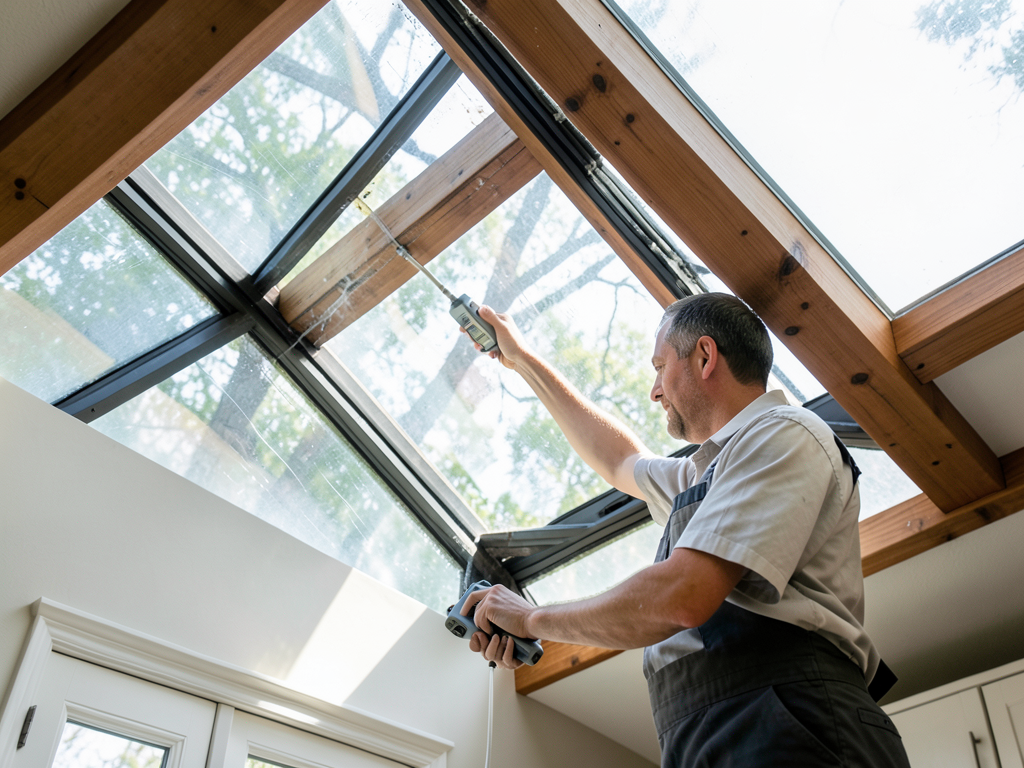
How to Tell if Your Wildwood Skylight is Leaking or Just Dealing with Condensation Water dripping from your Wildwood skylight…

How to Tell if Your Wildwood Skylight is Leaking or Just Dealing with Condensation

How to Tell if Your Wildwood Skylight is Leaking or Just Dealing with Condensation Water dripping from your Wildwood skylight…

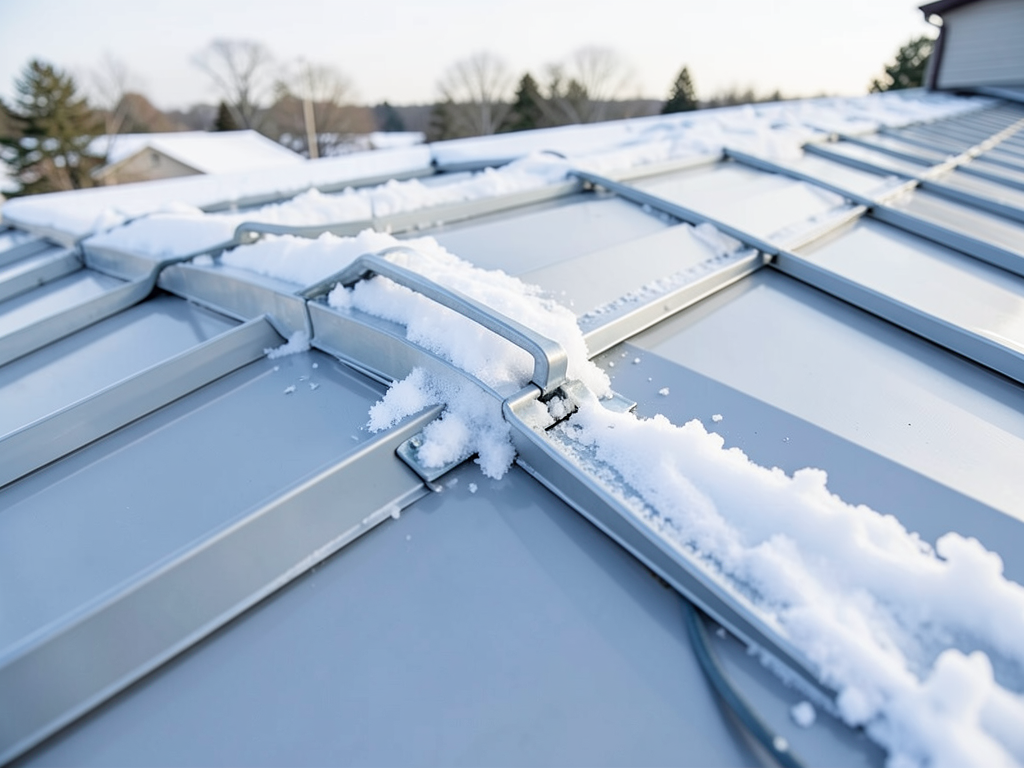
Why Your Eureka Metal Roof Needs Snow Guards Before the Next Big Freeze

Why Your Eureka Metal Roof Needs Snow Guards Before the Next Big Freeze When snow slides off a metal roof…

Connecting Your Gutters to Underground Drains to Prevent Basement Flooding in The Hill

Connecting Your Gutters to Underground Drains to Prevent Basement Flooding in The Hill Heavy rains in St. Louis overwhelm standard…

Contact Us

Do not wait until you see a leak. Call Pioneer Roofing St. Louis at (314) 417-7774 to schedule your comprehensive winter roof assessment. We identify problems while they are still affordable to fix and prepare your roof to handle whatever St. Louis winter throws at it.