menu

Benefits of Cool Roofs in St. Louis – Cut Summer Cooling Costs by Up to 30%

Reflective roofing systems reduce attic temperatures, lower energy bills, and extend roof lifespan in St. Louis's extreme heat and humidity. Discover why cool roofs deliver measurable energy savings and long-term value for your home or business.

Slider Image 1
Slider Image 2
Slider Image 3
Slider Image 4
Slider Image 5
Slider Image 7
Slider Image 8
Slider Image 9
Slider Image 10
Slider Image 11

Why St. Louis Homeowners Are Switching to Cool Roofing Technology

St. Louis summers hit hard. When temperatures climb into the mid-90s with high humidity, traditional dark asphalt shingles absorb massive amounts of solar radiation. Your attic turns into an oven. The heat radiates down into your living space. Your air conditioner runs constantly, struggling to keep up.

The advantages of cool roofing become clear when you understand how much energy you waste fighting heat gain. A standard dark roof can reach surface temperatures of 150 to 170 degrees on a July afternoon. That heat doesn't stay on the surface. It penetrates through roof decking and insulation, raising attic temperatures to 130 degrees or higher. The cool roof pros point to reflective coatings and light-colored materials that reduce surface temperatures by 40 to 60 degrees compared to conventional roofing.

St. Louis homeowners face another challenge: the urban heat island effect. Downtown areas and densely built neighborhoods trap heat, making cooling even harder. Benefits of reflective roofing extend beyond your electric bill. Lower roof temperatures mean less thermal expansion and contraction, which extends material lifespan. Shingles don't curl or crack as quickly. Underlayment stays intact longer.

The cool roof energy savings compound over time. When your attic stays cooler, your HVAC system doesn't work as hard. You reduce compressor runtime. You avoid premature equipment failure. The cool roofing system advantages include better indoor comfort, lower maintenance costs, and measurable energy reduction that shows up on your utility bill every month.

Why St. Louis Homeowners Are Switching to Cool Roofing Technology
How Cool Roofing Systems Work to Maximize Energy Efficiency

How Cool Roofing Systems Work to Maximize Energy Efficiency

Cool roofing technology relies on two measurable properties: solar reflectance and thermal emittance. Solar reflectance measures how much sunlight bounces off the roof surface instead of being absorbed. Thermal emittance measures how efficiently the roof releases absorbed heat. High-performance cool roofs score above 0.65 on solar reflectance and above 0.85 on thermal emittance.

You have multiple material options. White or light-colored asphalt shingles with reflective granules provide a cost-effective entry point. Metal roofing with factory-applied cool pigments offers superior durability and reflectance. Single-ply membranes like TPO or PVC work well for low-slope applications common in commercial buildings. Reflective roof coatings can be applied to existing roofs, transforming them into cool surfaces without full replacement.

The science behind benefits of reflective roofing is straightforward. Dark surfaces absorb up to 95% of solar radiation. Light surfaces with specialized coatings reflect 65% to 85% of that energy back into the atmosphere. The temperature difference is dramatic. A dark gray shingle might reach 165 degrees in direct sun. A cool roof shingle with reflective granules stays at 110 degrees under identical conditions.

Pioneer Roofing St. Louis evaluates your roof deck condition, ventilation system, and insulation levels before recommending a cool roofing solution. We measure current attic temperatures and calculate potential energy savings based on your home's square footage, orientation, and shading. The advantages of cool roofing multiply when paired with proper attic ventilation and adequate insulation levels.

How We Install Your Cool Roofing System

Benefits of Cool Roofs in St. Louis – Cut Summer Cooling Costs by Up to 30%
01

Property Assessment and Analysis

We start with thermal imaging and attic temperature readings to establish baseline conditions. Our team inspects your current roof structure, ventilation system, and insulation levels. We measure roof pitch, calculate surface area, and document sun exposure patterns throughout the day. This data determines which cool roofing materials will deliver maximum energy savings for your specific property and budget requirements.
02

Material Selection and Installation

We present product options with documented solar reflectance index ratings and thermal emittance values. You choose between cool shingles, metal panels, or reflective coatings based on your aesthetic preferences and performance goals. Our certified installers follow manufacturer specifications for underlayment, flashing details, and ventilation integration. We ensure proper air sealing and insulation coordination to maximize the cool roofing system advantages and prevent thermal bridging.
03

Performance Verification and Documentation

After installation, we conduct post-installation thermal readings to verify temperature reduction. You receive documentation of your roof's solar reflectance index rating and energy performance specifications. We photograph all flashing details, penetration seals, and ventilation components. This creates a baseline for future maintenance and provides data for energy rebate applications. We schedule a follow-up inspection after your first summer to measure actual cooling cost reduction.

Why St. Louis Property Owners Trust Local Cool Roofing Expertise

Cool roofing performance depends on correct installation in St. Louis's specific climate conditions. We understand how the Gateway Arch region's weather patterns affect material selection. Summer heat waves with high humidity require different ventilation strategies than dry western climates. Our crews know how to detail ridge vents and soffit intakes to maximize airflow in St. Louis's typical ranch and two-story home designs.

Local building codes in St. Louis County and St. Charles County specify minimum R-values for attic insulation. Cool roofs work best when paired with adequate insulation barriers. We coordinate with local inspectors who understand regional energy efficiency standards. Many homeowners don't realize that reflective roofing materials can qualify for energy efficiency rebates through Ameren Missouri's residential programs. We help you navigate the documentation requirements to capture those savings.

The benefits of cool roofs extend to commercial properties across the metro area. Warehouse buildings in Earth City and Bridgeton face massive cooling loads from flat roof surfaces. Retail centers along Manchester Road and Olive Boulevard reduce HVAC runtime with reflective membrane systems. We have installed cool roofing systems on manufacturing facilities that saw measurable drops in ambient indoor temperatures, improving worker comfort without adding air conditioning capacity.

Pioneer Roofing St. Louis maintains relationships with local suppliers who stock cool roofing materials rated for midwest weather extremes. We source products tested for hail resistance, wind uplift, and freeze-thaw cycling. The advantages of cool roofing only materialize when materials are properly matched to your building's exposure and structural requirements.

What to Expect from Your Cool Roofing Installation

Project Timeline and Scheduling

Most residential cool roof installations take two to four days, depending on square footage and material type. We schedule work during dry weather to protect your home from exposure. Commercial projects require coordination with your business hours to minimize disruption. We provide daily progress updates and adjust crew schedules if weather delays occur. Material delivery happens 24 hours before installation begins. We complete final cleanup and debris removal on the last day of work, leaving your property clean.

Energy Performance Consultation

We calculate projected energy savings based on your roof size, current insulation levels, and HVAC system efficiency. You receive documentation showing the solar reflectance index of your chosen materials and expected surface temperature reduction. We explain how to monitor attic temperatures and compare utility bills before and after installation. Our team identifies opportunities for additional efficiency gains through ventilation upgrades or insulation improvements. You get realistic expectations about payback periods and annual cooling cost reduction.

Material Quality and Performance

All cool roofing materials we install meet Energy Star certification requirements for reflectance and emittance. You receive manufacturer specifications and performance data sheets for your records. We use materials rated for St. Louis wind zones and hail impact resistance. The finished roof provides measurable temperature reduction on day one. Cool shingles maintain their reflective properties for decades through specially engineered granule coatings. Metal panels and membrane systems deliver consistent energy savings throughout their service life.

Long-Term Performance Monitoring

We provide guidance on maintaining reflective properties through periodic roof cleaning. Accumulated dirt and organic growth reduce solar reflectance over time. Simple washing restores performance. We offer annual inspection services to verify that flashing details remain watertight and ventilation systems function properly. Your cool roof's energy savings depend on maintaining proper attic airflow and insulation integrity. We document any changes in roof condition and recommend maintenance before small issues become expensive repairs.

Frequently Asked Questions

You Have Questions,
We Have Answers

What are the benefits of a cool roof? +

Cool roofs reflect more sunlight and absorb less heat than standard roofing materials. In St. Louis, where summer temperatures regularly hit 90 degrees with high humidity, cool roofs reduce attic temperatures by 30 to 50 degrees. This cuts your air conditioning costs by 10 to 30 percent. You also extend your roof lifespan because thermal expansion and contraction damage decreases. Cool roofs reduce urban heat island effects across the metro area. They qualify for energy rebates through local utility programs. Your HVAC system works less, which means fewer repairs and longer equipment life.

What are the cons of a cool roof? +

Cool roofs cost more upfront than standard asphalt shingles. The premium runs 10 to 20 percent higher for reflective materials or coatings. In winter, you lose passive solar heating, which can slightly increase heating bills in St. Louis homes without proper insulation. Some reflective coatings require reapplication every few years to maintain performance. Dirt and algae buildup reduce reflectivity over time, especially in humid climates like ours. Cool roofs may not provide significant savings on older homes with poor attic insulation. You need professional installation to ensure proper ventilation and avoid moisture issues.

What are the benefits of a cold roof? +

A cold roof design places insulation at ceiling level, creating a ventilated air gap between insulation and roof deck. This prevents heat transfer into living spaces during St. Louis summers. The design reduces condensation risk by keeping the roof deck closer to outdoor temperatures. You get better attic ventilation, which extends shingle life and prevents ice dams during our freeze-thaw cycles. Cold roofs work well with existing St. Louis housing stock, particularly older homes with accessible attic spaces. Energy bills drop because your insulation layer blocks heat more effectively. The design also makes attic inspections easier for maintenance.

Are cool roof tiles good or bad? +

Cool roof tiles perform well in St. Louis climate conditions. They reflect solar radiation and reduce cooling costs during our hot, humid summers. Clay and concrete tiles with light colors or reflective coatings stay 50 to 60 degrees cooler than dark asphalt shingles. The tiles last 40 to 50 years, outlasting standard shingles by decades. However, they cost two to three times more than asphalt and add significant weight to your roof structure. Older St. Louis homes may need structural reinforcement. Proper installation matters because thermal expansion can crack tiles during temperature swings.

Why are people getting rid of their solar panels? +

People remove solar panels due to roof replacement needs, system underperformance, or property sales. Panels installed 15 to 20 years ago may sit on aging roofs that need replacement. Removal and reinstallation costs run several thousand dollars. Some St. Louis homeowners find panels produce less energy than projected due to tree shading or north-facing roof slopes. Equipment failures outside warranty periods become expensive. Property buyers sometimes request removal during negotiations. Lease agreements from defunct solar companies create legal complications. Roof damage from improper installation also forces removal. Most removals happen when repair costs exceed system value.

How to keep a house cool in 100 degree weather? +

Close blinds and curtains on south and west windows during peak sun hours. Run ceiling fans counterclockwise to create downdraft cooling. Close vents and doors in unused rooms to concentrate cooling. Apply reflective window film to reduce heat gain through glass. Use exhaust fans in kitchens and bathrooms to remove hot air. Switch to LED bulbs, which produce less heat than incandescent bulbs. Cook outside or use small appliances instead of ovens. Set your AC to 78 degrees and use fans for comfort. Seal air leaks around windows and doors. Install attic insulation rated R-38 or higher for St. Louis climate zones.

How long do cool roofs last? +

Cool roofs last 20 to 50 years depending on material type. Reflective asphalt shingles last 20 to 25 years in St. Louis weather conditions. Metal roofs with reflective coatings last 40 to 50 years. Single-ply membranes on flat roofs last 20 to 30 years. Tile roofs with cool coatings last 40 to 50 years. Coating systems need reapplication every 10 to 15 years to maintain reflectivity. Lifespan depends on proper installation, ventilation, and maintenance. St. Louis freeze-thaw cycles and summer storms affect durability. Regular inspections catch small problems before they become major failures.

What is the 33% rule in solar panels? +

The 33% rule states solar panels should not shade more than one-third of neighboring panels at any time. This prevents voltage mismatches that reduce system output. When one panel gets shaded, it creates resistance that affects the entire string of panels. In St. Louis installations, trees growing over time often violate this rule. String inverters amplify the problem because one shaded panel drags down the whole string. Microinverters solve this issue by optimizing each panel individually. Proper system design accounts for seasonal sun angles and tree growth. Violating this rule can cut production by 50 percent or more.

What are the problems with cold roofs? +

Cold roofs fail when ventilation becomes blocked or inadequate. Insufficient airflow traps moisture in the attic space, which leads to mold growth and wood rot. In St. Louis humidity, condensation forms on cold roof decks when warm interior air leaks into unheated attic spaces. Ice dams form when heat escapes through gaps in ceiling insulation during winter. Improperly installed vapor barriers cause moisture accumulation. Insulation gaps or compression reduce thermal performance. Rodents and pests access attic spaces more easily through ventilation openings. You need professional assessment to ensure soffit vents, ridge vents, and baffles function correctly.

Does a cold roof need venting? +

Yes, cold roofs require continuous ventilation to function properly. You need balanced intake and exhaust airflow to remove moisture and heat from the attic cavity. Install soffit vents at eaves for intake and ridge vents or gable vents for exhaust. Aim for one square foot of ventilation per 150 square feet of attic space. St. Louis humidity makes ventilation critical to prevent condensation on cold roof decks. Use baffles between rafters to maintain airflow paths and prevent insulation from blocking soffit vents. Poor ventilation voids many shingle warranties and causes premature roof failure through moisture damage.

How St. Louis Humidity and Heat Amplify Cool Roof Energy Savings

St. Louis sits at the confluence of two major rivers, creating high humidity that makes summer heat feel more oppressive. When relative humidity reaches 70% to 80% during July and August, your air conditioner works harder to remove moisture and cool air simultaneously. Traditional dark roofs absorb solar radiation and radiate heat into the attic long after sunset. High humidity prevents that heat from dissipating quickly through natural ventilation. Cool roofing systems break this cycle by reflecting solar energy before it enters your building envelope. The temperature difference in your attic can reach 30 to 40 degrees, which directly reduces the cooling load on your HVAC system.

St. Louis County and surrounding municipalities have adopted the International Energy Conservation Code, which encourages reflective roofing for both residential and commercial applications. Local utility rebate programs recognize cool roofs as a proven energy efficiency measure. Pioneer Roofing St. Louis works with property owners throughout the metro area, from historic neighborhoods in Clayton and Webster Groves to newer developments in O'Fallon and St. Peters. We understand how different home styles and roof configurations affect cool roofing performance. Our experience with local architecture ensures your installation maximizes energy savings while maintaining the aesthetic character of your property.
Roofing Services in The St. Louis Area

Pioneer Roofing is proud to serve the entire St. Louis metropolitan area and surrounding communities. Our local presence means we are always nearby and ready to respond quickly to your roofing needs, whether you are located in the heart of St. Louis or the greater county. View our location and service radius on the map to confirm we cover your neighborhood and then call us to schedule your service!

Address:
Pioneer Roofing St. Louis, 1031 Lami St, St. Louis, MO, 63104

Additional Services We Offer

Our news updates

Latest Articles & News from The Blogs

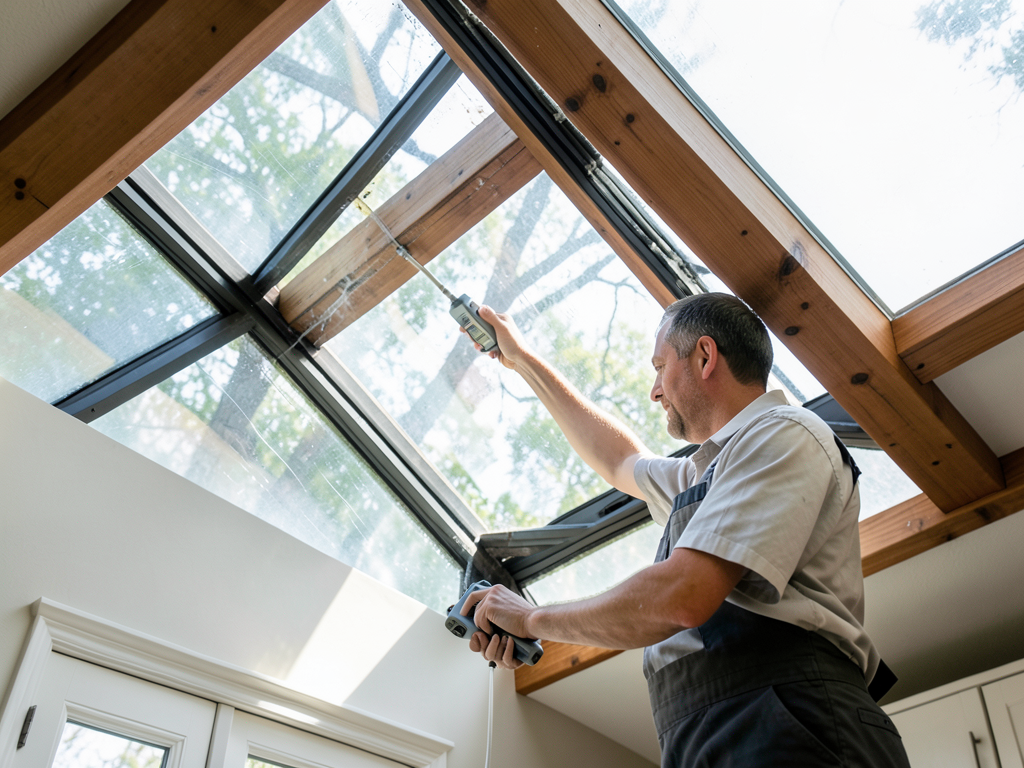
How to Tell if Your Wildwood Skylight is Leaking or Just Dealing with Condensation Water dripping from your Wildwood skylight…

How to Tell if Your Wildwood Skylight is Leaking or Just Dealing with Condensation

How to Tell if Your Wildwood Skylight is Leaking or Just Dealing with Condensation Water dripping from your Wildwood skylight…

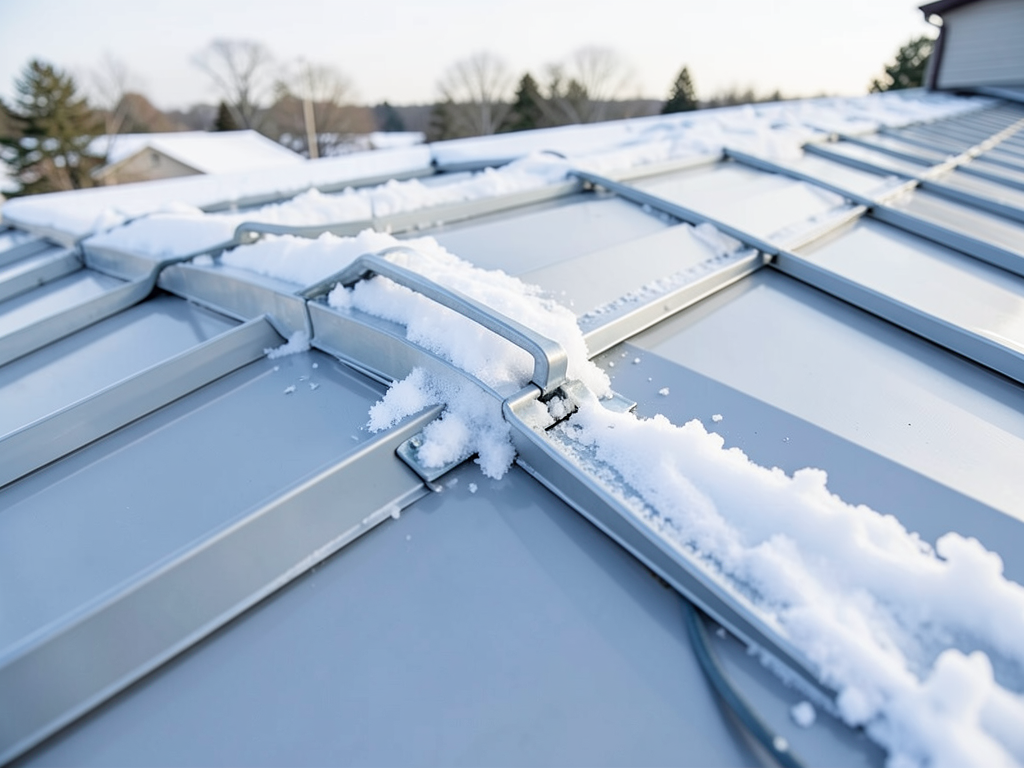
Why Your Eureka Metal Roof Needs Snow Guards Before the Next Big Freeze

Why Your Eureka Metal Roof Needs Snow Guards Before the Next Big Freeze When snow slides off a metal roof…

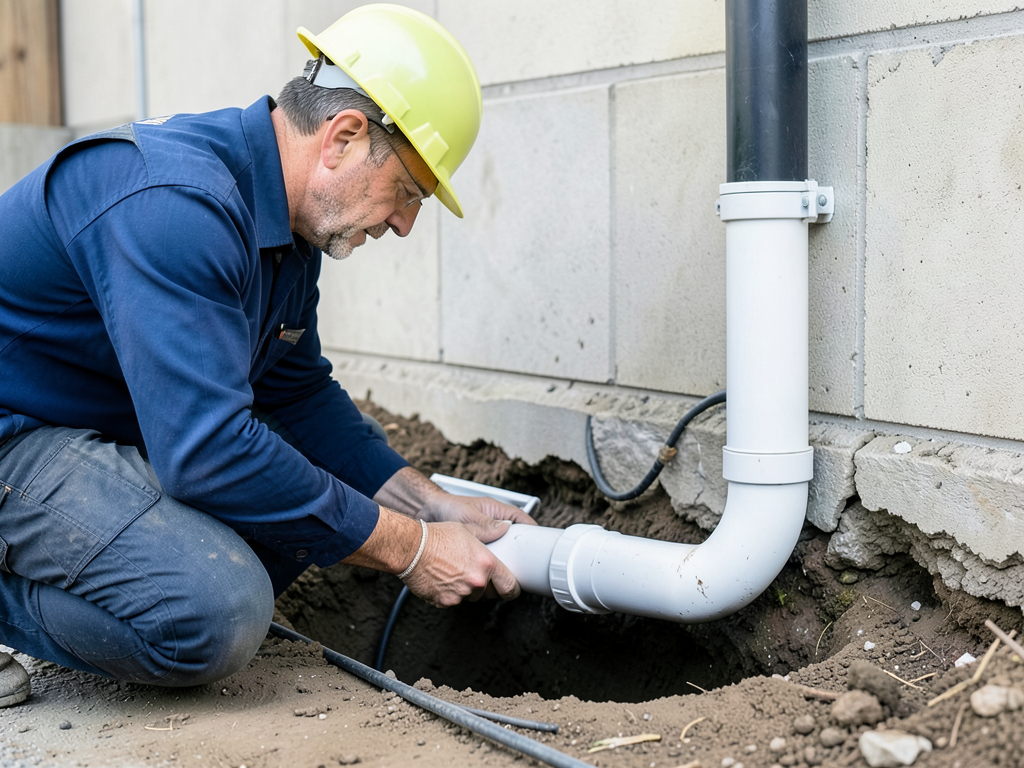
Connecting Your Gutters to Underground Drains to Prevent Basement Flooding in The Hill

Connecting Your Gutters to Underground Drains to Prevent Basement Flooding in The Hill Heavy rains in St. Louis overwhelm standard…

Contact Us

Lower your cooling costs and extend your roof lifespan with proven cool roofing technology. Call Pioneer Roofing St. Louis at (314) 417-7774 for a free energy assessment and material recommendations. We provide thermal analysis and projected savings calculations for your property.