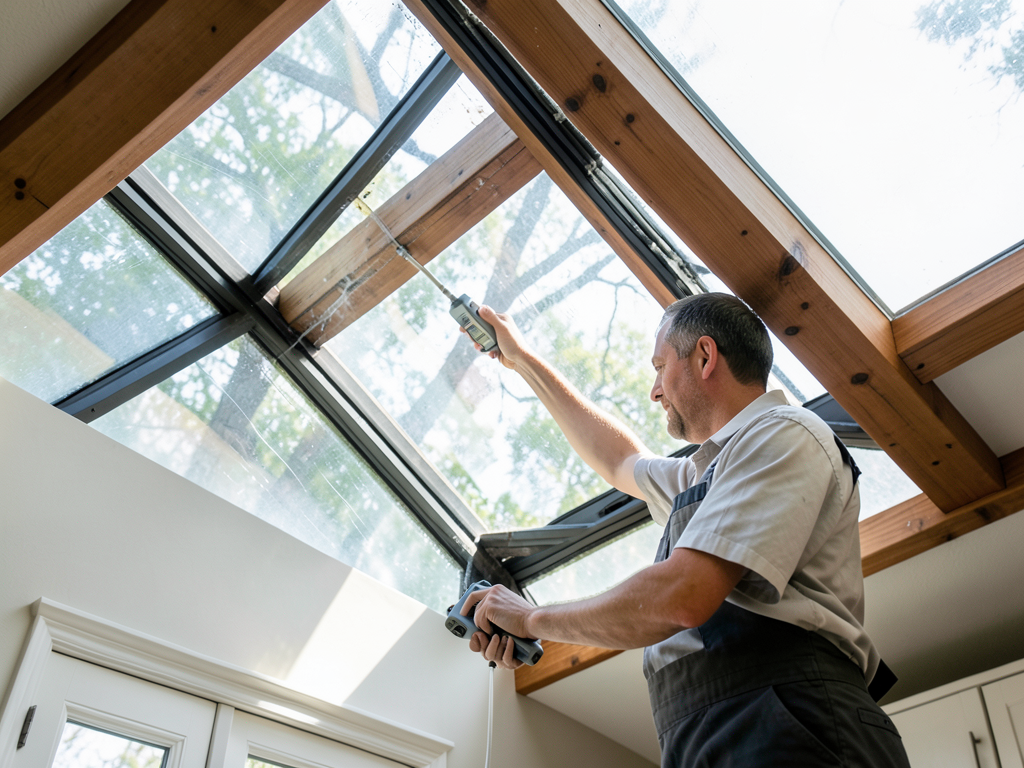
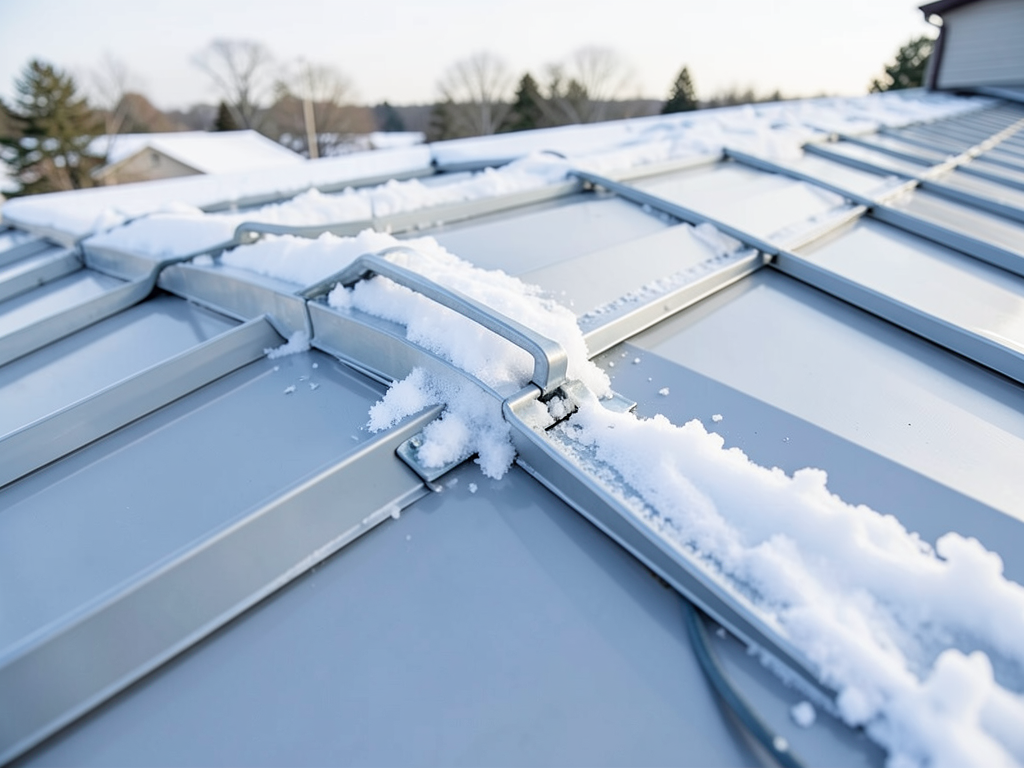
St. Louis sits at the confluence of multiple weather systems that create intense, fast-moving storms. Spring thunderstorms deliver high rainfall rates that overwhelm flashing systems designed for moderate rain. Winter freeze-thaw cycles cause metal flashing to expand and contract, breaking sealant bonds and opening gaps where water can enter. The clay soil common throughout the metro area causes homes to settle unevenly, which can crack skylight curbs and separate flashing from the roof deck. These conditions make leaking skylight flashing more common here than in drier or more stable climates.
Homes in historic neighborhoods like Shaw and Compton Heights often have skylights added decades after original construction. These retrofits were not always detailed correctly because older building codes did not specify flashing requirements as precisely as modern standards do. If you live in a home built before 1980 and your roof window is leaking, there is a strong chance the original installation lacked proper step flashing or used materials that have deteriorated beyond their service life. Local expertise matters because we understand these legacy installation methods and know how to correct them without compromising your roof structure.