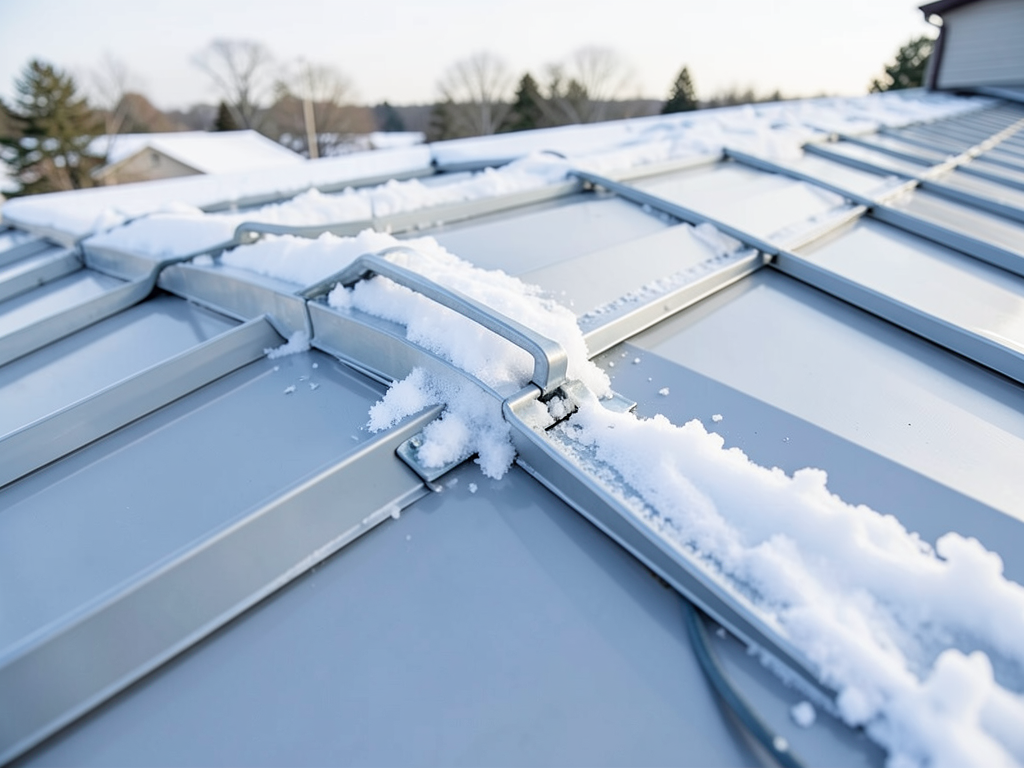
St. Louis sits in a freeze-thaw belt. Winter temperatures swing from 15 degrees at night to 45 degrees by afternoon. Water seeps under loose roof flashing during the day, freezes overnight, and expands. The ice pushes metal away from the roof deck and cracks sealant. By March, the flashing is lifted and rusted. Spring rains pour through the gaps. This cycle repeats every winter, which is why flashing seal failure is so common in older homes across South City and North County. Coastal cities do not see this kind of seasonal metal fatigue.
Local roofers understand how Gateway City weather affects flashing longevity. We see the same failure patterns in Tower Grove, Kirkwood, and Webster Groves. Damaged roof flashing is not always visible from the ground. By the time you notice a ceiling stain, the leak has been active for months. We inspect roofs in every St. Louis ZIP code and know which flashing details fail first on each roof style. Choosing a roofer who understands local construction methods and seasonal challenges means you get a repair designed for your climate, not a generic patch.