menu

Skylight Services in St. Louis – Expert Installation and Repair for Homes and Businesses

Professional skylight contractors serving the greater St. Louis metro with precision installation, leak repair, and custom roof window solutions designed for Missouri's freeze-thaw cycles and extreme weather patterns.

Slider Image 1
Slider Image 2
Slider Image 3
Slider Image 4
Slider Image 5
Slider Image 7
Slider Image 8
Slider Image 9
Slider Image 10
Slider Image 11

Why St. Louis Skylights Fail Faster Than You Think

St. Louis sits in a brutal weather corridor. Summer humidity hovers near 90 percent. Winter brings freeze-thaw cycles that crack flashing and warp seals. Spring storms dump hail across the metro. Your skylight takes every hit.

Most skylight failures start with flashing. The metal trim that seals the skylight to your roof expands in July heat and contracts in January cold. Over time, the metal fatigues. Small gaps form. Water seeps in. You notice a drip during the next thunderstorm. By then, the damage has spread to your decking and insulation.

St. Louis homes built before 1990 often have flat or low-slope sections where skylights were trendy additions. These installations used outdated curb-mount systems prone to leaks. Newer homes in Kirkwood, Webster Groves, and Clayton feature vaulted ceilings with large fixed skylights. When these fail, the repair requires roof access and precise waterproofing.

Skylight companies in St. Louis understand the local challenge. You need installers who account for Missouri's temperature swings. You need roof window services that use ice-and-water shield under flashing. You need skylight specialists who inspect the curb structure before they touch the glass. Generic repairs do not last here. Skylight contractors who skip the prep work create callbacks within a year.

If you see condensation between panes, water stains on the frame, or drafts near the skylight, the seal has failed. If the glass is cracked or the operator handle does not open smoothly, the unit needs replacement. Do not wait. Water damage compounds fast in St. Louis's humid climate.

Why St. Louis Skylights Fail Faster Than You Think
How Professional Skylight Installation Protects Your Roof System

How Professional Skylight Installation Protects Your Roof System

Skylight installation is not a roofing afterthought. It is a structural penetration that requires flashing integration, vapor barrier continuity, and load distribution. Every skylight creates a weakness in your roof envelope. The only way to prevent leaks is to treat the skylight as part of the roofing system from day one.

We start with the curb. The curb is the raised frame that sits on your roof deck. It must be level, square, and sealed to the surrounding shingles or membrane. We rebuild curbs when the wood shows rot or the structure has settled. We never install a new skylight on a compromised curb. That guarantees failure.

Next comes flashing. We use step flashing on shingle roofs and soldered copper pans on slate or tile. Each piece overlaps the one below it. Water runs down the slope and off the roof without ever touching the skylight frame. We add a second layer of ice-and-water shield under the flashing to stop wind-driven rain. This redundancy matters in St. Louis, where summer storms push water sideways.

Skylight installers who rush this phase create callbacks. They rely on caulk instead of mechanical laps. Caulk dries out. Mechanical laps shed water for decades. We also integrate the skylight flashing with the existing roof underlayment. If the skylight sits on a valley or near a chimney, we extend the flashing to tie into those features. Every transition point gets sealed twice.

Ventilating skylights require even more care. The operator mechanism penetrates the frame. We seal the pivot points with gaskets and check the screen mesh for gaps. Operable skylights leak more often than fixed units, so we test the seals before we leave the site.

What Happens During Your Skylight Project

Skylight Services in St. Louis – Expert Installation and Repair for Homes and Businesses
01

Roof and Attic Inspection

We inspect the roof from above and the attic from below. We check for existing water damage, measure the rafter spacing, and confirm the roof slope. We verify that your roof structure can support the skylight weight and that the proposed location does not interfere with trusses or HVAC ducts. We also evaluate the interior ceiling finish to plan the light shaft framing.
02

Curb and Flashing Installation

We cut the roof deck, frame the opening, and build or install the curb. We apply ice-and-water shield around the perimeter and install step flashing that integrates with your existing roofing material. Every lap is mechanically fastened and sealed. We test the flashing with a garden hose before we set the skylight. Water must run off the roof, not into the opening.
03

Skylight Mounting and Sealing

We set the skylight on the curb and fasten it per manufacturer specs. We apply a continuous bead of sealant between the skylight frame and the curb, then install the interior trim and insulation. For operable units, we test the crank mechanism and screen function. We clean the glass, inspect the seals one final time, and walk you through the warranty registration and maintenance schedule.

Why St. Louis Property Owners Choose Local Skylight Specialists

St. Louis is not a one-size-fits-all market. Homes in Soulard feature historic brick structures with steep roof pitches. Subdivisions in Chesterfield and Wildwood have modern roof systems with architectural shingles and complex valleys. Commercial buildings downtown use low-slope membranes and large custom roof windows for daylighting. Each project requires different materials and techniques.

Local skylight contractors understand these differences. We know that Ladue homes often have slate roofs that require copper flashing. We know that Maplewood bungalows have shallow attics where light shaft framing gets tight. We know that St. Louis County requires building permits for structural roof penetrations and that inspectors check flashing laps closely.

We also understand Missouri weather. Summer heat makes asphalt shingles soft and easy to damage during installation. Winter cold makes sealants stiff and hard to apply. We schedule skylight projects during moderate temperature windows when materials perform as intended. We do not cut corners to meet deadlines. We reschedule when conditions are wrong.

Experience with local suppliers matters too. We source skylights from distributors who stock models rated for St. Louis's wind loads and impact resistance. We avoid budget brands that use thin aluminum frames and single-pane glass. We install Velux, Fakro, and JELD-WEN units with tempered or laminated glazing. These products carry transferable warranties and replacement parts availability.

When you hire skylight companies in St. Louis, you want a team that shows up with the right tools and materials. You want installers who know how to tie into your existing roof without creating new leak points. You want a crew that cleans up daily and protects your landscaping. Pioneer Roofing St. Louis delivers that standard on every project.

What to Expect from Professional Skylight Services

Project Timeline and Scheduling

Most skylight installations take one to two days. Simple replacements on accessible roofs finish in a few hours. Complex projects with custom light shafts or structural modifications require longer. We schedule work around St. Louis weather forecasts and confirm the start date three days in advance. We arrive on time, work efficiently, and leave your property clean. For commercial projects, we coordinate with facility managers to minimize business disruption. Emergency leak repairs get same-day or next-day response depending on crew availability and parts inventory.

Initial Consultation and Roof Assessment

We start with a roof inspection and attic evaluation. We measure the proposed skylight location, check the roof structure, and photograph any existing damage. We discuss your goals, whether that is more natural light, better ventilation, or energy efficiency. We explain the difference between fixed, ventilating, and tubular skylights. We review material options, including Low-E glass coatings and solar-powered shades. You get a written estimate that breaks down labor, materials, permits, and disposal fees. No surprises. No upselling. Just clear information so you can make an informed decision.

Quality of Workmanship and Materials

We install skylights that last. Every unit gets proper flashing with ice-and-water shield and mechanical laps. We never rely on caulk alone. We use pressure-treated lumber for curbs and exterior-grade screws for fasteners. We test every installation with a hose before we call it complete. You get a skylight that sheds water, resists leaks, and looks clean from the street. We use the same attention to detail on a single skylight replacement that we use on a full roof renovation. Quality does not change based on project size.

Maintenance Guidance and Long-Term Care

Skylights require maintenance. We recommend annual inspections where we check the seals, clean the glass, and verify that flashing remains intact. We show you how to operate ventilating units without forcing the mechanism. We explain how to spot early signs of seal failure, like condensation or drafts. We also offer maintenance plans for commercial clients who need regular roof access and documentation for property managers. If your skylight develops a leak, we respond quickly. Most repairs involve replacing gaskets or resealing the flashing. Catch problems early and they stay small.

Frequently Asked Questions

You Have Questions,
We Have Answers

How much does it cost to clean a skylight? +

Professional skylight cleaning in St. Louis typically costs between $10 and $30 per skylight for exterior cleaning. Interior cleaning adds another $5 to $15 per unit. Total cost depends on skylight size, pitch accessibility, and height. Hard-to-reach installations on steep roofs increase labor time and safety equipment needs. Most St. Louis homes have one to three skylights, so expect a service call to range from $75 to $200 total. Annual cleaning prevents mineral buildup from Midwest rainwater and removes debris from surrounding trees. Bundling skylight cleaning with gutter maintenance or roof inspections often reduces per-unit costs.

What is the most typical skylight problem? +

Leaking ranks as the most common skylight problem in St. Louis. The culprit is usually failed flashing, not the skylight glass itself. Flashing seals the gap between your skylight and roof deck. St. Louis freeze-thaw cycles stress these metal seals, causing cracks. Heavy spring rains then find any weakness. You will notice water stains on the ceiling or drywall around the unit. Condensation between glass panes signals a broken seal in double-pane models. Cracked glazing happens less often but occurs after hail or falling branches. Check flashing first during any leak investigation before replacing the entire skylight.

What does the company skylight do? +

A skylight company installs, repairs, replaces, and maintains roof windows and tubular daylighting systems. Services include custom sizing for new construction, retrofitting existing roofs, flashing replacement, seal repairs, glass replacement, and condensation troubleshooting. Quality contractors handle both the roofing integration and interior finishing, including drywall shaft framing for vaulted installations. They source fixed, venting, and motorized skylight models. Experienced teams understand how to maintain roof warranty compliance during installation. In St. Louis, skylight specialists address local challenges like ice dam formation around curb-mounted units and proper attic ventilation to prevent moisture problems that affect skylight longevity.

What maintenance do skylights need? +

Skylights need annual inspections, cleaning, and flashing checks. Clean glass twice yearly to maintain light transmission. Remove leaves and debris from the curb area after fall. Inspect flashing, counterflashing, and sealant for cracks each spring. St. Louis homes should check after ice dam periods. Lubricate hinges and operators on venting models annually. Check weatherstripping for gaps. Verify weep holes remain clear to drain condensation. Inspect interior seals for moisture stains. Trim overhanging branches to prevent scratching and debris buildup. Recaulk perimeter sealant every three to five years. Replace worn gaskets when you spot drafts or moisture between panes.

How much should you pay for a window cleaning round? +

Window cleaning pricing varies by structure type, not rounds. Residential window cleaning averages $150 to $300 per visit for a typical St. Louis home with 20 to 30 windows. Expect $5 to $15 per window depending on size, height, and accessibility. A round assumes recurring service, so monthly or quarterly customers often get discounted per-visit rates. Commercial pricing differs entirely, calculated by square footage or pane count. Skylights add $10 to $30 per unit due to roof access requirements. Get quotes based on your specific property rather than generic round pricing to avoid surprises.

Do skylights need to be resealed? +

Yes, skylights need resealing every five to ten years. Sealant around the glass and flashing degrades from UV exposure and temperature swings. St. Louis weather accelerates this breakdown with humid summers and cold winters. You will see cracked caulk lines or feel drafts. Resealing involves removing old sealant, cleaning surfaces, and applying exterior-grade polyurethane or silicone. Flashing counterflashing joints also need resealing when you spot rust or gaps. Catch this early to prevent water intrusion into your roof deck. Resealing costs far less than water damage repairs or premature skylight replacement. Inspect seals during routine roof maintenance.

What's the average lifespan of a skylight? +

Quality skylights last 20 to 30 years with proper maintenance. Glass typically outlasts seals and flashing. Expect to reseal every five to ten years and replace flashing every 15 to 20 years. Double-pane units with argon gas fill may lose seal integrity after 15 years, causing condensation between panes. Acrylic dome skylights yellow and crack sooner, lasting 10 to 15 years. St. Louis freeze-thaw cycles and UV exposure affect lifespan. Metal flashing corrodes faster in high-humidity attics without ventilation. Cheaper builder-grade models fail sooner than premium brands. Factor in replacement costs when budgeting long-term home maintenance.

How to tell if a roofer is lying? +

A dishonest roofer avoids written estimates, pressures immediate decisions, requests large upfront deposits, or lacks local references. They cannot provide proof of insurance or manufacturer certifications. Watch for scare tactics about minor issues or prices far below competitors without explanation. Legitimate contractors itemize material grades and labor separately. They pull permits for structural work and explain local code requirements. In St. Louis, verify they understand flashing requirements for freeze-thaw conditions. Check online reviews across multiple platforms. Request photos of recent projects. A trustworthy roofer welcomes inspections and offers clear warranty terms in writing before starting work.

Is a leaking skylight covered by homeowners insurance? +

Homeowners insurance typically covers skylight leaks only if caused by covered perils like hail, wind, or falling trees. It excludes leaks from poor installation, deferred maintenance, or normal wear. Your policy will not pay for resealing or flashing replacement due to age-related deterioration. Document damage immediately with photos. File claims within your policy timeframe. Insurance may cover interior water damage even if it denies skylight repairs. St. Louis homeowners should review wind and hail coverage limits, as these cause most insurable skylight damage. Expect your adjuster to inspect flashing condition to determine coverage eligibility.

What is the tax credit for skylights? +

The federal Energy Efficient Home Improvement Credit allows up to $600 for qualifying skylights installed through 2032. The skylight must meet Energy Star requirements for your climate zone. St. Louis falls under the Northern climate zone, requiring specific U-factor and Solar Heat Gain Coefficient ratings. You can claim 30 percent of product cost, up to the $600 limit. This credit is nonrefundable but carries forward to future tax years. Save manufacturer certification statements and receipts. The credit applies only to existing homes, not new construction. Consult a tax professional to verify eligibility and ensure your chosen skylight model qualifies.

How St. Louis's Freeze-Thaw Cycles Damage Skylight Flashing and Seals

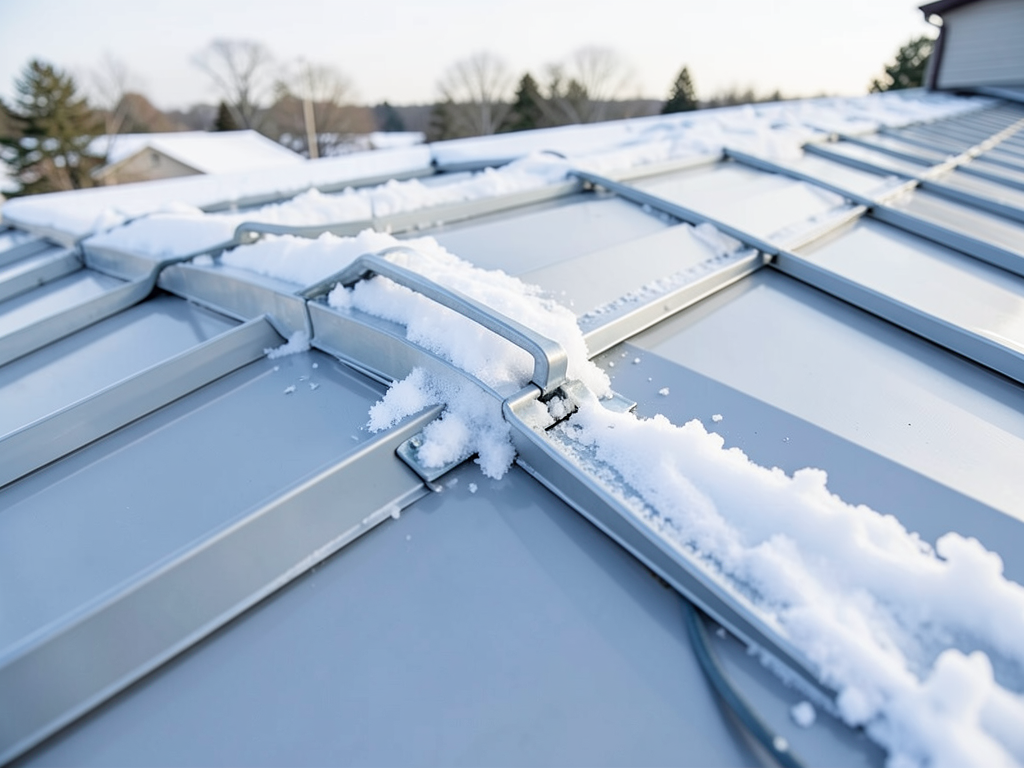
St. Louis experiences 30 to 40 freeze-thaw cycles each winter. Daytime temperatures climb above freezing. Nighttime temps drop below 32 degrees. Water trapped in flashing seams expands when it freezes, creating micro-cracks in the metal. Over several seasons, these cracks widen. Roof window services in St. Louis must account for this cycle by using flexible sealants and overlapping flashing that allows for thermal expansion. Skylight specialists who ignore this detail create leaks within three years. The fix requires removing the skylight, rebuilding the flashing, and reinstalling the unit with proper materials.

St. Louis building codes require roof penetrations to meet IRC standards for wind uplift and water infiltration. Inspectors in St. Louis County and St. Charles County check flashing installation closely during final inspections. Skylight installers who work in this market know what inspectors expect. We pull permits, schedule inspections, and provide documentation that proves compliance. This protects you if you sell your home. Buyers and lenders want proof that roof work was done legally. Choosing local skylight contractors means working with professionals who understand the regulatory environment and build relationships with local inspectors.
Roofing Services in The St. Louis Area

Pioneer Roofing is proud to serve the entire St. Louis metropolitan area and surrounding communities. Our local presence means we are always nearby and ready to respond quickly to your roofing needs, whether you are located in the heart of St. Louis or the greater county. View our location and service radius on the map to confirm we cover your neighborhood and then call us to schedule your service!

Address:
Pioneer Roofing St. Louis, 1031 Lami St, St. Louis, MO, 63104

Additional Services We Offer

Our news updates

Latest Articles & News from The Blogs

Can You Actually Install a New Roof Over Your Old Shingles? Roofing a home in St. Louis comes with unique…

Can You Actually Install a New Roof Over Your Old Shingles?

Can You Actually Install a New Roof Over Your Old Shingles? Roofing a home in St. Louis comes with unique…

Why Your Neighbors in Manchester are Choosing Impact Rated Materials

Why Your Neighbors in Manchester are Choosing Impact Rated Materials Living in Manchester means dealing with the unpredictable St. Louis…

Preparing Your Roof for the Sudden Shifts of St. Louis Weather Patterns

Preparing Your Roof for the Sudden Shifts of St. Louis Weather Patterns Your roof faces more than just rain and…

Contact Us

Get expert skylight installation or repair from a team that understands St. Louis roofs. Call Pioneer Roofing St. Louis at (314) 417-7774 for a free consultation and written estimate. We respond fast and work clean.