menu

Signs You Need a New Roof in St. Louis – Protect Your Home Before Damage Spreads

Learn the critical indicators for roof replacement that St. Louis homeowners ignore until water damage, energy loss, and structural problems cost thousands more than proactive action.

Slider Image 1
Slider Image 2
Slider Image 3
Slider Image 4
Slider Image 5
Slider Image 7
Slider Image 8
Slider Image 9
Slider Image 10
Slider Image 11

How St. Louis Weather Accelerates Roof Deterioration

St. Louis sits in a climate zone that punishes roofing systems year-round. Summer humidity traps moisture in attic spaces and under shingles, creating ideal conditions for mold and wood rot. Winter freeze-thaw cycles force water into microscopic cracks, then expand them when temperatures drop below freezing. Spring storms deliver high winds and hail that strip granules from asphalt shingles. Fall temperature swings cause thermal shock that weakens adhesive seals. This cycle never stops.

Most homeowners in the greater St. Louis metro wait too long to recognize warning signs of roof failure. You notice a small water stain on the ceiling and assume it will wait another season. You see a few missing shingles after a storm and figure it is cosmetic. You ignore the higher electric bills because you think your HVAC system is aging. These are all symptoms of a failing roof that compound quickly in our climate.

The evidence for roof replacement becomes obvious only after damage spreads to structural members, insulation, and interior finishes. By that point, you are paying for repairs to framing, drywall, electrical systems, and mold remediation on top of the roof itself. Knowing how to tell if you need a new roof before visible water intrusion saves you from catastrophic repair bills and protects your home's value. The indicators exist months or years before failure becomes critical, but you need to know what to look for and where to look.

How St. Louis Weather Accelerates Roof Deterioration
The 8 Warning Signs of Roof Failure

The 8 Warning Signs of Roof Failure

Age is the first factor. Asphalt shingle roofs in St. Louis typically last 18 to 25 years depending on ventilation, attic insulation, and installation quality. If your roof approaches 20 years old, you are in the replacement window regardless of visible damage. The adhesive bond between shingles weakens, granule loss accelerates, and substrate flexibility declines.

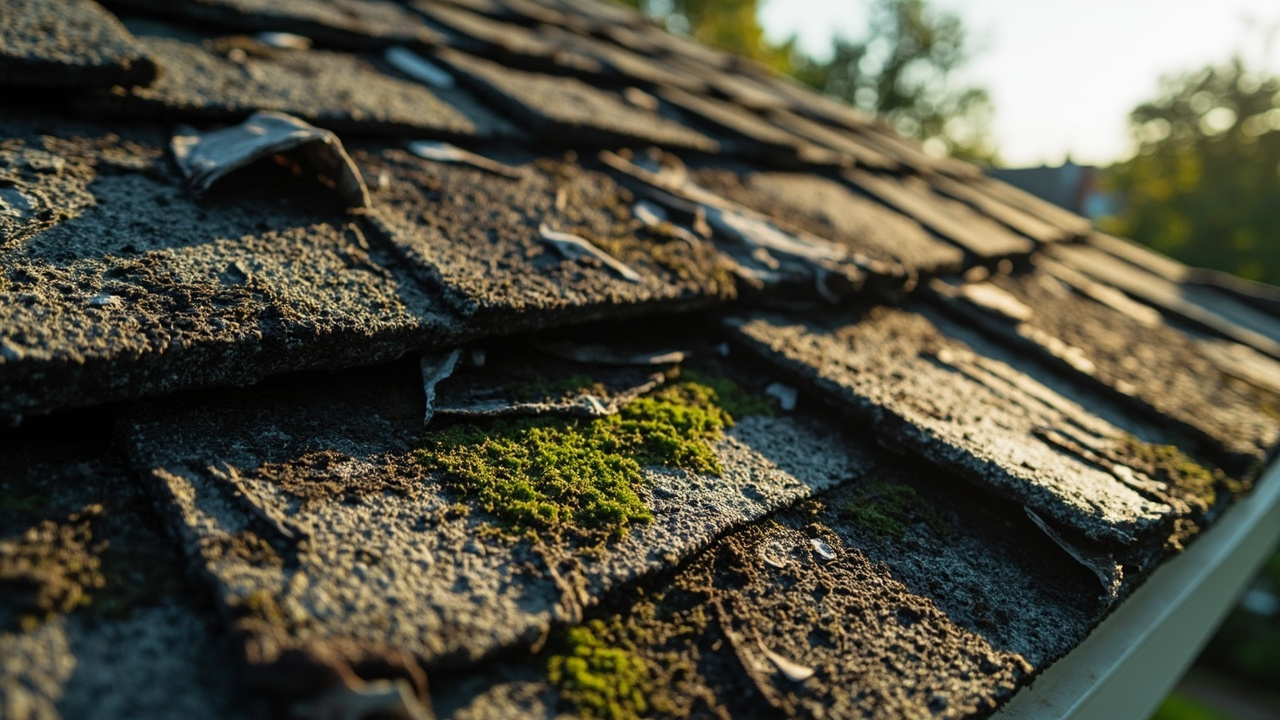
Granule loss shows up as bald spots on shingles or piles of granules in gutters and downspouts. Granules protect the asphalt mat from UV degradation. Once they erode, the shingle deteriorates rapidly. Curling or cupping shingles indicate moisture intrusion or poor attic ventilation. The shingle edges lift or the centers buckle, breaking the weatherproof seal.

Missing shingles after storms are obvious indicators for roof replacement. Wind uplift starts at weakened edges and spreads across sections. Flashing around chimneys, vent pipes, and skylights deteriorates faster than field shingles because of thermal expansion and sealant failure. Rust stains, gaps, or lifted edges around flashing mean water is already entering your home.

Interior symptoms include water stains on ceilings or walls, especially near valleys or penetrations. Sagging roof decking visible from the attic signals structural damage from prolonged moisture exposure. Mold or mildew in attic spaces means ventilation failure or active leaks. Higher energy bills result from compromised insulation or air leaks at the roof plane. Daylight visible through roof boards in the attic is a clear sign of substrate failure.

How We Evaluate Your Roof Condition

Signs You Need a New Roof in St. Louis – Protect Your Home Before Damage Spreads
01

Exterior and Interior Inspection

We examine every roof plane from ground level and use drones for steep or multi-story homes. We inspect shingle condition, flashing integrity, and penetration seals. Then we move into your attic to check decking, insulation, ventilation, and moisture evidence. This dual approach catches problems hidden from single-perspective inspections and gives you a complete picture of roof health.
02

Detailed Documentation and Report

We photograph every defect, measure remaining shingle life by granule density, and assess substrate condition. You receive a written report with annotated photos showing exactly where problems exist and why they matter. We explain whether you need immediate replacement, can extend life with repairs, or have years remaining. No pressure, just facts about your roof's current state and projected lifespan.
03

Material and Cost Options

If replacement is necessary, we walk you through material options suited to St. Louis weather patterns and your home's architectural style. Asphalt shingles, metal roofing, and synthetic products each have advantages depending on your budget, aesthetic preferences, and performance priorities. We explain ventilation upgrades, decking repairs, and warranty coverage so you make an informed decision without surprises during installation.

Why St. Louis Homeowners Trust Pioneer Roofing

Pioneer Roofing St. Louis understands how local conditions impact roofing systems. We have worked on homes in Soulard's historic brick buildings, Tower Grove's Craftsman bungalows, and Clayton's modern estates. Each architectural style and neighborhood microclimate presents unique challenges. Historic district regulations require specific materials and installation methods. Homes near the Mississippi River face higher humidity exposure. Properties in West County deal with severe hail and wind events.

We know St. Louis building codes and permit requirements for roof replacement. We understand how proper attic ventilation offsets our humid summers and prevents ice damming in winter. We source materials from suppliers familiar with regional weather performance data, not just national averages. Our installation crews have experience with the clay soil movement that affects structural loads and flashing details around chimneys and additions.

When you call Pioneer Roofing St. Louis, you get a roofing contractor who has seen every failure mode common to our region. We do not upsell replacements when repairs extend useful life. We do not downplay problems to win bids, then surprise you with change orders. We provide honest assessments based on measurable roof condition and realistic lifespan projections for St. Louis weather exposure. Your roof protects the largest investment most families make. We treat that responsibility seriously and give you the information needed to make the right decision at the right time.

What to Expect During a Roof Evaluation

Same-Week Scheduling for Inspections

We schedule roof inspections within three to five business days of your call. The evaluation takes one to two hours depending on roof complexity and attic accessibility. We work around your schedule and do not require you to be home during the exterior portion. If we find active leaks or urgent problems, we explain temporary mitigation steps and prioritize your replacement or repair in our schedule. You are not waiting weeks for answers while damage spreads.

Comprehensive Condition Assessment

Our inspectors evaluate shingle wear patterns, flashing condition, ventilation adequacy, and structural integrity. We measure attic temperatures and humidity levels to identify ventilation failures. We probe decking in vulnerable areas like valleys and eaves to detect hidden rot. We check gutter systems and drainage patterns because water management affects roof lifespan. You receive a written report with photos, measurements, and our professional opinion on remaining service life and recommended actions.

Clear Explanation of Findings

We sit down with you after the inspection and walk through every finding. We explain which problems are cosmetic, which are functional failures, and which threaten your home's structure or interior. We show you exactly where issues exist using photos and diagrams. You understand why we recommend replacement, repairs, or continued monitoring. There is no technical jargon without explanation and no pressure to decide immediately. You get the information needed to make a confident decision.

Post-Replacement Support and Monitoring

After we install your new roof, we provide documentation for manufacturer warranties and our workmanship guarantee. We schedule a one-year follow-up inspection to check flashing seals, verify ventilation performance, and address any minor issues before they become problems. We remain available for questions about maintenance, storm damage assessment, and insurance claims if hail or wind causes future damage. Your relationship with Pioneer Roofing St. Louis continues beyond installation day.

Frequently Asked Questions

You Have Questions,
We Have Answers

How do you know when it's time to replace your roof? +

You need a new roof when you spot multiple missing or curling shingles, granules collecting in gutters, or daylight visible through the attic. Water stains on ceilings, sagging sections, or moss growth signal serious problems. In St. Louis, freeze-thaw cycles accelerate shingle damage, so inspect after harsh winters. If your roof is over 20 years old and showing these signs, replacement beats repair. Small leaks often hide larger structural issues, so address visible problems quickly before they spread.

What are the signs of a failing roof? +

Failing roofs show curling, cracked, or missing shingles, especially after St. Louis storms. Check for bald spots where granules have worn away. Interior signs include water stains on ceilings, peeling paint, or mold growth in attics. Sagging rooflines indicate structural damage from trapped moisture. Flashing around chimneys and vents often fails first, causing leaks. Daylight through roof boards means immediate action. High summer humidity in St. Louis accelerates rot in damaged decking, so inspect both inside and outside regularly.

What is the average age of a roof before replacement? +

Asphalt shingle roofs last 20 to 25 years, which represents most St. Louis homes. Metal roofs reach 40 to 70 years, while tile or slate can exceed 50 years. Your roof's lifespan depends on installation quality, ventilation, and weather exposure. St. Louis freeze-thaw cycles and summer storms shorten lifespans compared to milder climates. If your roof nears 20 years and shows damage, plan for replacement soon. Proper attic ventilation extends life by preventing heat and moisture buildup.

What is the average cost of a full roof replacement? +

Cost varies widely based on size, materials, and complexity. Asphalt shingle replacements typically run less than premium materials like metal or tile. Roof pitch, number of penetrations, and decking repairs affect totals. St. Louis homes with steep pitches or multiple levels cost more due to labor intensity. Remove-and-replace projects cost more than simple overlays, which many codes now prohibit. Get multiple estimates from licensed contractors. Beware extremely low bids that skip necessary underlayment or ventilation upgrades.

Is $30,000 too much for a roof? +

$30,000 sits on the higher end but makes sense for large homes, premium materials, or complex designs. A 3,000-square-foot home with architectural shingles and significant decking repairs reaches this range. Metal roofing or tile installations cost more upfront but last decades longer. In St. Louis, homes with multiple dormers, steep pitches, or historic district requirements justify higher costs. Compare itemized estimates. Verify the quote includes proper underlayment, flashing, and ventilation. Cheap roofs fail early.

How old may a roof be before insurance claims it's too old? +

Most insurers scrutinize roofs over 20 years old for claims. Some deny coverage for roofs 25 years or older, especially with pre-existing damage. In St. Louis, carriers may require inspections after severe storms before approving claims. Policies vary, so review yours annually. Insurers often depreciate older roofs, paying replacement cost minus depreciation. Document your roof's condition with photos. If your roof nears 20 years, consider replacement before filing claims to avoid denial or policy non-renewal.

What is the most expensive part of replacing a roof? +

Labor represents the largest expense, often 40 to 60 percent of the total. Removing old materials, repairing damaged decking, and installing new roofing requires skilled crews and safety equipment. Materials like underlayment, shingles, and flashing add significant cost. Complex roof geometries with valleys, hips, and penetrations increase labor hours. In St. Louis, summer heat and winter cold limit working conditions, affecting scheduling and costs. Quality installation prevents callbacks, so prioritize experienced crews over the lowest bid.

Does homeowners insurance pay for a leaky roof? +

Coverage depends on the leak's cause. Insurance covers sudden damage from storms, hail, or fallen trees. It does not cover leaks from neglect, gradual wear, or poor maintenance. In St. Louis, storm damage claims succeed when you document the event and file promptly. Insurers deny claims for old roofs with pre-existing issues. Review your policy's roof coverage terms. Take photos after storms. Address small leaks immediately to prevent mold, which insurers often exclude from coverage.

What is the average lifespan of a roof? +

Asphalt shingles last 20 to 25 years, which covers most residential roofs. Metal roofs reach 40 to 70 years. Tile and slate exceed 50 years with proper maintenance. St. Louis weather, especially freeze-thaw cycles and summer storms, shortens lifespans compared to moderate climates. Poor ventilation traps heat and moisture, accelerating deterioration. Quality installation and regular inspections extend life. Plan replacement when your roof reaches 75 percent of its expected lifespan to avoid emergency situations during storms.

How much does it cost to change a whole roof? +

Full roof replacement costs depend on size, materials, and structural repairs needed. Asphalt shingle projects cost less than metal or tile. A typical St. Louis home averages 1,500 to 2,500 square feet of roof surface. Steep pitches, multiple levels, and decking repairs increase costs. Tear-off and disposal add to the total. Get itemized estimates from multiple licensed contractors. Factor in underlayment, flashing, and ventilation upgrades. Investing in quality materials and installation saves money long-term by avoiding premature failure.

Why Freeze-Thaw Cycles Make Roof Inspection Critical for St. Louis Homes

St. Louis experiences an average of 40 to 50 freeze-thaw cycles each winter. Water seeps into small cracks, gaps in flashing, or damaged shingles during above-freezing days. When temperatures drop overnight, that water freezes and expands, widening the openings. This cycle repeats throughout winter and early spring, turning minor defects into major leaks within a single season. Roofs that pass inspection in fall can fail catastrophically by March because freeze-thaw damage compounds exponentially. Recognizing symptoms of a failing roof before winter protects you from emergency repairs during the coldest months when material availability drops and labor costs spike.

Pioneer Roofing St. Louis has built relationships with insurance adjusters, building inspectors, and suppliers throughout the metro area. We understand how local code officials interpret ventilation requirements for different home styles. We know which manufacturers provide the best performance data for St. Louis humidity and temperature ranges. We have worked with homeowners associations in Clayton, Ladue, and Webster Groves to navigate architectural review processes for roof replacements. Choosing a contractor with deep local knowledge means your project proceeds smoothly through permitting, installation, and final inspection without delays or compliance issues.
Roofing Services in The St. Louis Area

Pioneer Roofing is proud to serve the entire St. Louis metropolitan area and surrounding communities. Our local presence means we are always nearby and ready to respond quickly to your roofing needs, whether you are located in the heart of St. Louis or the greater county. View our location and service radius on the map to confirm we cover your neighborhood and then call us to schedule your service!

Address:
Pioneer Roofing St. Louis, 1031 Lami St, St. Louis, MO, 63104

Additional Services We Offer

Our news updates

Latest Articles & News from The Blogs

Can You Actually Install a New Roof Over Your Old Shingles? Roofing a home in St. Louis comes with unique…

Can You Actually Install a New Roof Over Your Old Shingles?

Can You Actually Install a New Roof Over Your Old Shingles? Roofing a home in St. Louis comes with unique…

Why Your Neighbors in Manchester are Choosing Impact Rated Materials

Why Your Neighbors in Manchester are Choosing Impact Rated Materials Living in Manchester means dealing with the unpredictable St. Louis…

Preparing Your Roof for the Sudden Shifts of St. Louis Weather Patterns

Preparing Your Roof for the Sudden Shifts of St. Louis Weather Patterns Your roof faces more than just rain and…

Contact Us

Call Pioneer Roofing St. Louis at (314) 417-7774 today to schedule your comprehensive roof inspection. We provide honest assessments and clear recommendations so you can protect your home and budget with confidence.