menu

Understanding Roof Warranties in St. Louis – Your Complete Guide to Protection That Actually Works

Learn exactly what your roof warranty covers, what it doesn't, and how to avoid the fine print traps that leave St. Louis homeowners paying out of pocket for repairs they thought were protected.

Slider Image 1
Slider Image 2
Slider Image 3
Slider Image 4
Slider Image 5
Slider Image 7
Slider Image 8
Slider Image 9
Slider Image 10
Slider Image 11

Why Most St. Louis Homeowners Misunderstand Their Roof Warranty Until It's Too Late

You installed a new roof. You got a warranty. You assumed you were protected. Then a storm hit, shingles lifted, and you discovered the warranty doesn't cover what you thought it did.

This happens constantly in St. Louis. Our freeze-thaw cycles stress roofing systems in ways that trigger warranty exclusions most homeowners never read. A manufacturer warranty might cover defective shingles but not wind damage. A workmanship warranty might expire after two years while you assumed it lasted ten. The roofing guarantee details buried in page six become critical when you need a repair and discover you're responsible for labor, flashing replacement, or tear-off costs.

St. Louis weather is unforgiving. We see temperature swings of 40 degrees in a single day during spring. Ice dams form along eaves in winter. Summer storms bring hail and straight-line winds that exceed 60 mph. These conditions expose the gaps in warranty coverage faster than in milder climates.

Most warranties separate into three categories. Manufacturer warranties cover material defects. Workmanship warranties cover installation errors. System warranties cover the entire roof assembly but require specific products and certified installers. The types of roofing warranties matter less than understanding which specific damages they exclude.

The problem is not the warranty itself. The problem is no one explains how roof warranties work in plain language. You get a folder at closing or after installation. You file it away. Then you need it and realize the roof warranty coverage explained in legal terms protects the manufacturer more than it protects you. We built this roofing warranty guide to change that.

Why Most St. Louis Homeowners Misunderstand Their Roof Warranty Until It's Too Late
The Three Types of Roof Warranties and What They Actually Cover

The Three Types of Roof Warranties and What They Actually Cover

Manufacturer material warranties cover defects in the shingles, underlayment, or other products. If granules shed prematurely or shingles crack due to manufacturing flaws, the manufacturer replaces the materials. They do not cover labor. They do not cover disposal. They do not cover damage from improper installation, wind, hail, or normal wear. These warranties range from 10 years on basic three-tab shingles to 50 years on premium architectural shingles, but the coverage often prorates after the first decade. A 30-year warranty might give you full replacement for 10 years, then only cover 60% of material cost in year 15.

Workmanship warranties cover installation errors. If flashing fails because it was installed incorrectly, or if shingles blow off because nailing patterns were wrong, the contractor repairs it. Quality contractors in St. Louis offer workmanship warranties ranging from 2 to 10 years. This is where you see the biggest variation in protection. A two-year workmanship guarantee leaves you exposed if a valley detail fails in year three. Workmanship coverage is only as reliable as the contractor's longevity. If the company closes, the warranty is worthless.

Enhanced system warranties combine both. Manufacturers like GAF, Owens Corning, and CertainTeed offer these when certified contractors install a complete system using their products. You get coverage for materials and labor, often for 25 or 50 years. The catch is strict installation requirements. Miss one specification and the coverage drops to standard material-only protection. These warranties also exclude wind speeds above certain thresholds unless you purchase wind coverage upgrades. Pioneer Roofing St. Louis holds manufacturer certifications that unlock these enhanced warranties for clients who want comprehensive protection.

How to Review Your Roof Warranty the Right Way

Understanding Roof Warranties in St. Louis – Your Complete Guide to Protection That Actually Works
01

Locate All Documentation

Gather every warranty document you received at installation. You should have a manufacturer material warranty, a contractor workmanship warranty, and possibly an enhanced system warranty. Check your closing documents if the roof was new construction. Verify the warranty start date matches your installation date. Missing paperwork means missing coverage. Contact your original contractor or the manufacturer to request copies if you cannot find the originals.
02

Identify Coverage Limits

Read the exclusions section first. Look for wind speed limits, maintenance requirements, and transferability terms. Most warranties exclude damage from lack of maintenance, algae growth, or improper ventilation. Check if the warranty requires annual inspections or gutter cleaning to remain valid. Note the proration schedule. Full coverage might only last 10 years even on a 30-year warranty. Understanding roofing guarantee details means knowing when your coverage drops from 100% to 50%.
03

Document Your Roof Condition

Take photos of your roof annually. Document any maintenance you perform, like gutter cleaning or moss removal. If damage occurs, photograph it immediately before making temporary repairs. Warranty claims require proof of proper maintenance and clear evidence the damage falls within coverage terms. Keep receipts for all roof-related work. This documentation determines whether your claim gets approved or denied when you need roof warranty coverage explained by an adjuster.

Why St. Louis Homeowners Need Local Experts to Navigate Warranty Claims

Warranty claims fail when homeowners handle them alone. Manufacturers look for reasons to deny coverage. Adjusters cite improper maintenance, pre-existing damage, or exclusions buried in fine print. You need someone who speaks their language and understands their processes.

Pioneer Roofing St. Louis has filed hundreds of warranty claims with every major manufacturer. We know the approval process. We know what documentation they require. We know how to phrase the claim to match coverage terms. When you call about storm damage, we inspect for both obvious issues and underlying problems that warranties might cover. We photograph everything. We document installation dates, product specifications, and maintenance history. Then we submit the claim with the evidence manufacturers need to approve it.

Local expertise matters because St. Louis roofing challenges are specific. Clay soil expansion causes foundation movement that stresses roof framing. The Mississippi River creates humidity that accelerates algae growth and material degradation. Winter ice dams form along north-facing eaves. Insurance adjusters and warranty representatives from other regions miss these details. We use them to strengthen your claim. When an adjuster says wind damage isn't covered, we show how St. Louis's straight-line winds exceed the policy threshold. When they claim lack of maintenance, we provide documentation showing the damage resulted from installation errors, not neglect.

The other advantage of working with established local contractors is continuity. National chains and fly-by-night installers disappear. Their workmanship warranties vanish with them. We have been serving St. Louis for years. Our workmanship warranty is backed by a company that will still be here when you need a repair in year five or year ten. That reliability is the foundation of real warranty protection.

What You Should Expect When Filing a Warranty Claim

Claim Review Timeline

Manufacturer warranty claims take two to six weeks for review. The manufacturer requests photos, proof of purchase, and installation documentation. They may send an inspector to verify the defect. Workmanship warranty claims through your original contractor are faster, often resolved within one to two weeks. Enhanced system warranties managed by the manufacturer follow the longer timeline but offer better coverage. File claims as soon as you notice damage. Delays weaken your case, especially if weather events or continued deterioration obscure the original cause.

Documentation Requirements

Successful warranty claims require clear photos showing the defect, installation date records, maintenance logs, and proof the product was installed according to manufacturer specifications. You need before and after photos if repairs were made. You need receipts showing you purchased the warranted product. If you cannot provide this documentation, manufacturers deny the claim. This is why working with contractors who maintain detailed installation records matters. We keep copies of every specification sheet, product invoice, and installation photo for our clients. When you need warranty support, we already have what the manufacturer requires.

Approval and Repair Process

Approved material warranty claims result in replacement product shipment. You still pay labor unless you have an enhanced system warranty. Approved workmanship warranty claims include free labor and materials from the original contractor. Once approval comes through, schedule repairs immediately. Leaving damaged roofing exposed worsens the problem and can void future warranty coverage. Quality contractors prioritize warranty repair work because it protects their reputation and maintains manufacturer certification status. The repair must meet the same installation standards as the original work to preserve the remaining warranty term.

Warranty Transferability and Maintenance

Most manufacturer warranties transfer to new homeowners if you sell, but the transfer process requires registration and sometimes a fee. Enhanced system warranties offer better transferability terms. Workmanship warranties rarely transfer. To keep warranties valid, perform annual inspections and address minor repairs immediately. Clean gutters twice yearly. Remove debris from valleys and roof penetrations. Trim overhanging branches. Document this maintenance with photos and receipts. Warranties require proof you maintained the roof properly. Neglect gives manufacturers grounds to deny coverage when you need it most.

Frequently Asked Questions

You Have Questions,
We Have Answers

How St. Louis's Four-Season Climate Tests Roof Warranty Coverage

St. Louis experiences temperature extremes that stress roofing systems year-round. Winter brings freeze-thaw cycles that cause shingle adhesive to fail and flashing to lift. Spring storms deliver hail and high winds. Summer heat accelerates shingle aging and causes attic ventilation issues that void warranties if not corrected. Fall brings falling leaves that clog valleys and create moisture traps. These conditions expose warranty gaps faster than in milder climates. A roof that performs well in Arizona might fail in St. Louis due to ice damming, yet the warranty excludes ice damage. Understanding how roof warranties work in our specific climate means knowing which exclusions matter most.

Pioneer Roofing St. Louis works with homeowners throughout the Metro East and St. Louis County to match roofing systems to local conditions. We install products that meet St. Louis building codes and weather requirements. We carry manufacturer certifications that unlock enhanced warranty options. When warranty issues arise, we handle the claim process, documentation, and negotiations with manufacturers. Our local knowledge of storm patterns, clay soil foundation movement, and Mississippi River humidity helps build stronger warranty claims. Choosing contractors who understand St. Louis roofing challenges means choosing warranty protection that actually works when you need it.
Roofing Services in The St. Louis Area

Pioneer Roofing is proud to serve the entire St. Louis metropolitan area and surrounding communities. Our local presence means we are always nearby and ready to respond quickly to your roofing needs, whether you are located in the heart of St. Louis or the greater county. View our location and service radius on the map to confirm we cover your neighborhood and then call us to schedule your service!

Address:
Pioneer Roofing St. Louis, 1031 Lami St, St. Louis, MO, 63104

Additional Services We Offer

Our news updates

Latest Articles & News from The Blogs

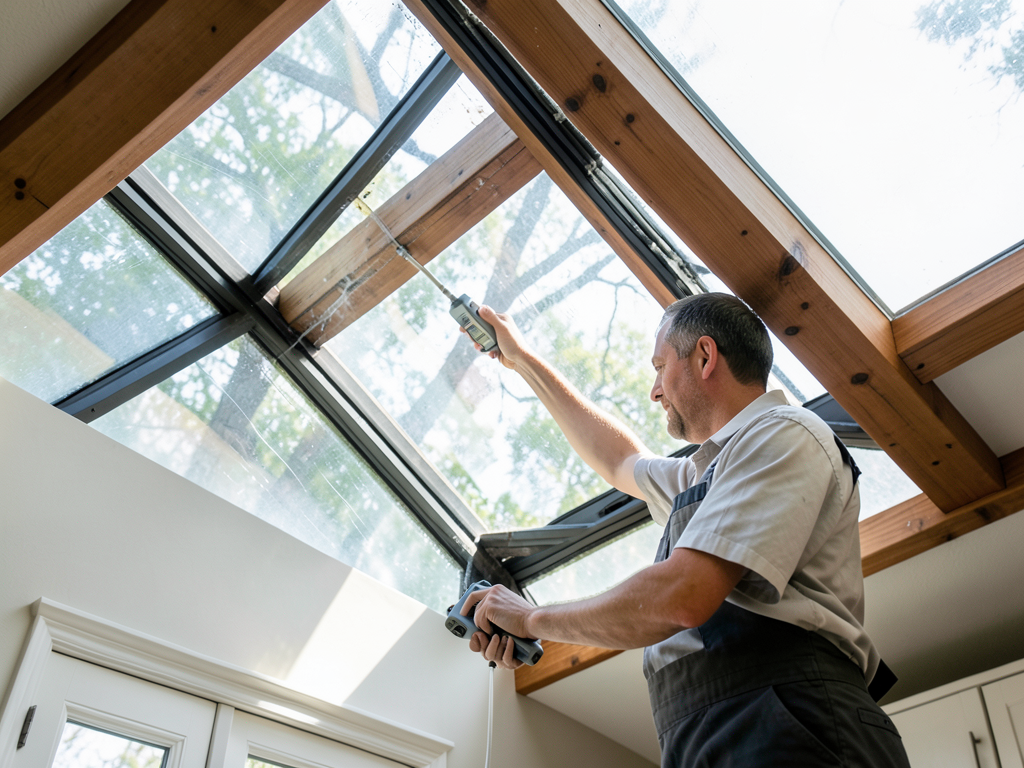
How to Tell if Your Wildwood Skylight is Leaking or Just Dealing with Condensation Water dripping from your Wildwood skylight…

How to Tell if Your Wildwood Skylight is Leaking or Just Dealing with Condensation

How to Tell if Your Wildwood Skylight is Leaking or Just Dealing with Condensation Water dripping from your Wildwood skylight…

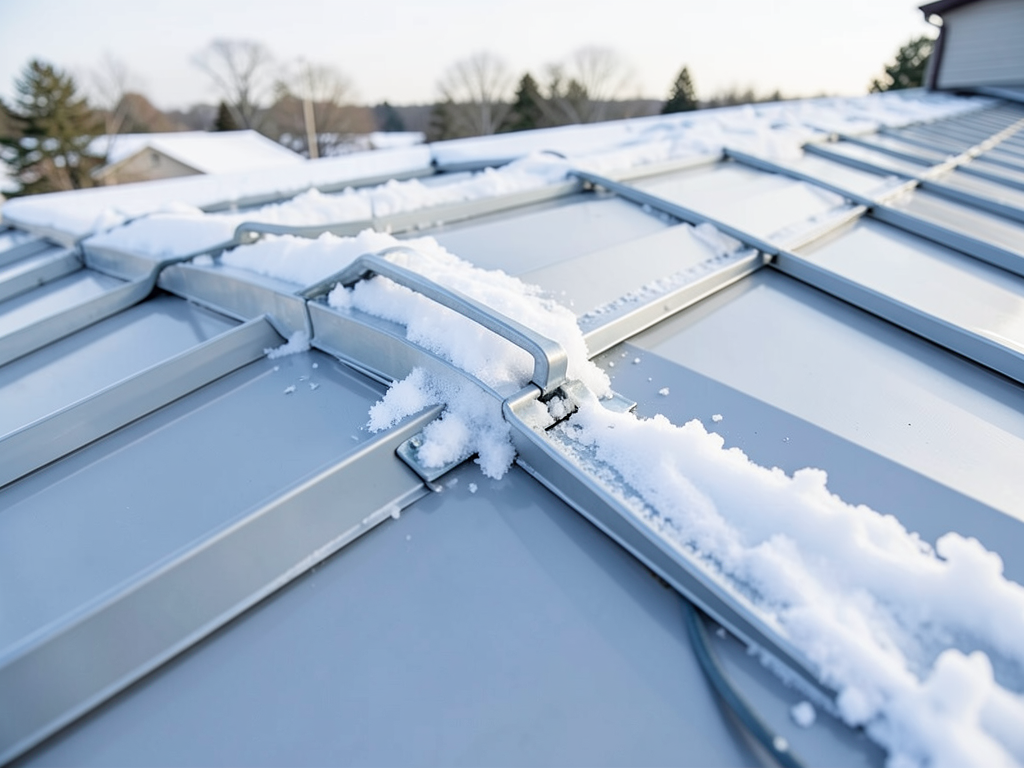
Why Your Eureka Metal Roof Needs Snow Guards Before the Next Big Freeze

Why Your Eureka Metal Roof Needs Snow Guards Before the Next Big Freeze When snow slides off a metal roof…

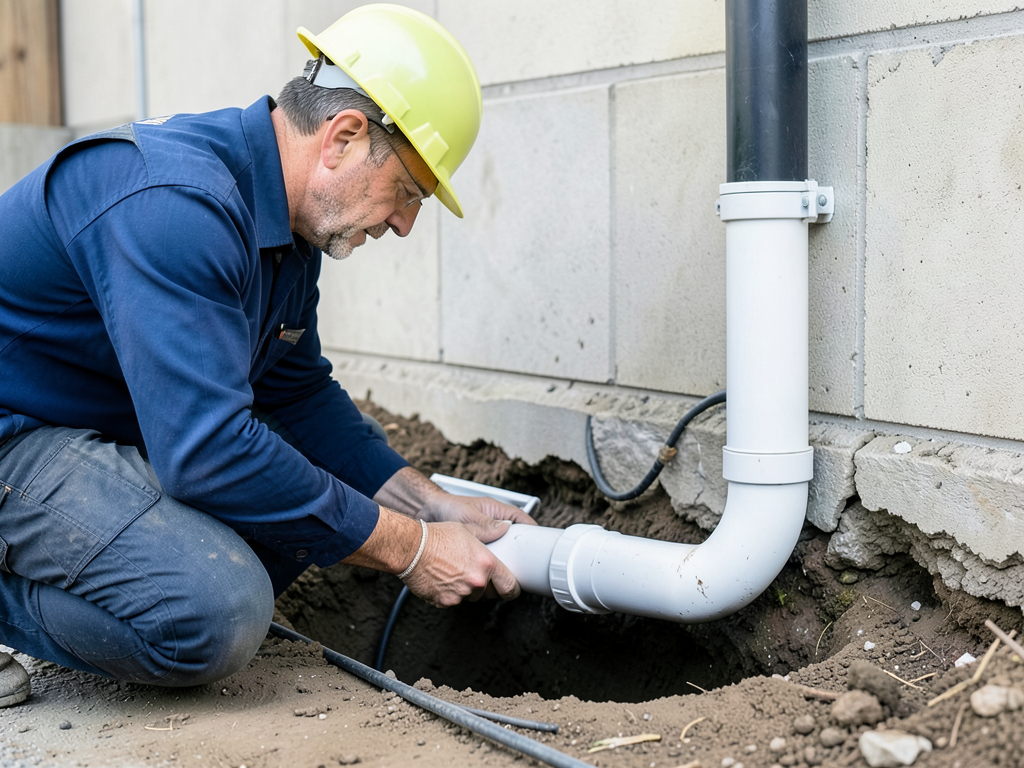
Connecting Your Gutters to Underground Drains to Prevent Basement Flooding in The Hill

Connecting Your Gutters to Underground Drains to Prevent Basement Flooding in The Hill Heavy rains in St. Louis overwhelm standard…

Contact Us

Do not wait until damage occurs to understand your warranty coverage. Call Pioneer Roofing St. Louis at (314) 417-7774 for a free warranty review. We will explain exactly what your current warranty covers and help you document your roof condition to protect future claims.