menu

Metal Roofing Systems in St. Louis | Built to Survive Midwest Freeze-Thaw and Hail Damage

Pioneer Roofing St. Louis installs metal roofing systems engineered for St. Louis's extreme weather swings, from ice storms to summer hail, with materials proven to outlast asphalt by decades.

Slider Image 1
Slider Image 2
Slider Image 3
Slider Image 4
Slider Image 5
Slider Image 7
Slider Image 8
Slider Image 9
Slider Image 10
Slider Image 11

Why St. Louis Homeowners Switch to Metal Roofing Systems

St. Louis sits in a weather battleground. Winter brings freeze-thaw cycles that crack asphalt shingles. Spring delivers hail. Summer heat cooks traditional roofs until they warp. Fall wind gusts rip off weak fasteners. This cycle repeats every year, and asphalt roofs absorb the punishment.

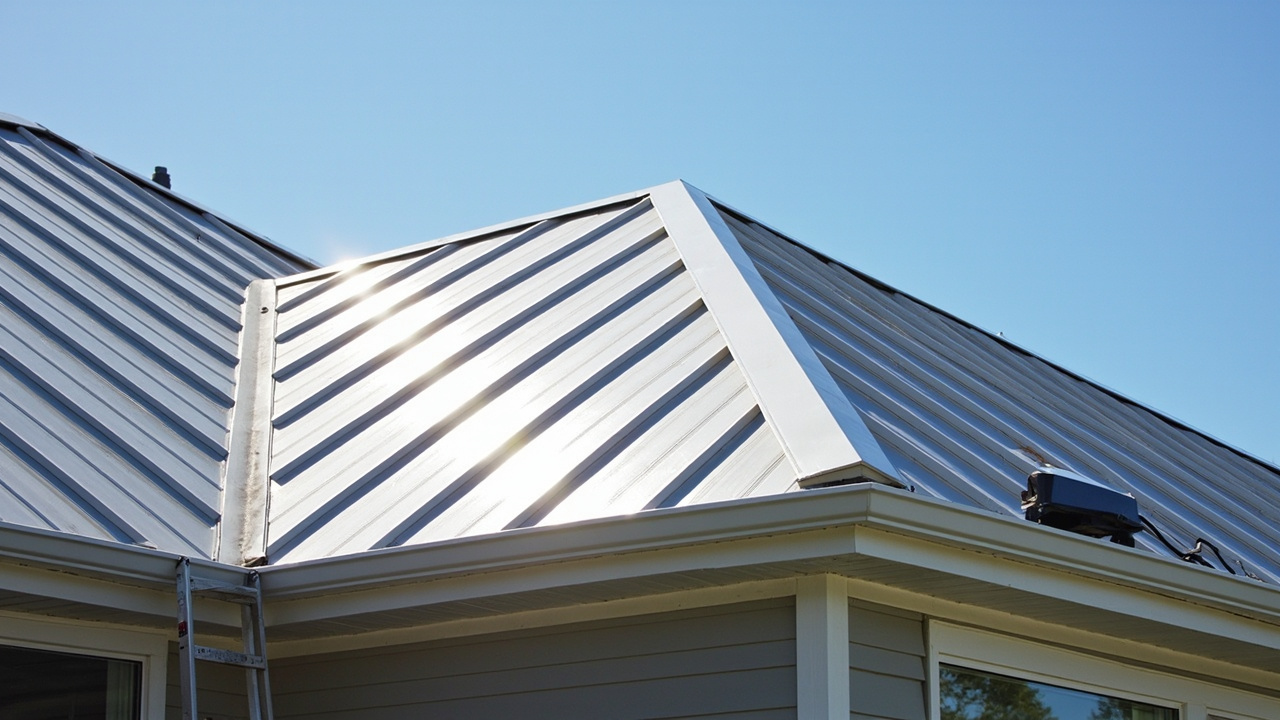
Metal roofing systems handle what St. Louis throws at them. Metal roofing panels expand and contract without cracking. They shed ice and snow faster than asphalt, reducing load stress. When hail hits, metal roofs dent but do not penetrate. Metal roofing materials resist wind uplift at speeds that would strip an asphalt roof bare.

Neighborhoods like Soulard and Lafayette Square feature historic brick homes. Adding a metal roof protects the structure without adding weight. Clay tile and slate look beautiful but weigh 900 pounds per square. Metal roofing products weigh 50 to 150 pounds per square, reducing stress on aging framing.

Energy costs matter in St. Louis. Summer humidity forces air conditioners to run nonstop. Metal roof sheets reflect solar radiation instead of absorbing it. Your attic stays cooler. Your HVAC system works less. You save money every month.

Insurance companies notice metal roofs. They reduce premiums because metal systems resist fire, wind, and impact damage better than asphalt. The upfront cost pays back through lower bills and fewer repairs. You stop replacing your roof every 15 years. A metal roof lasts 40 to 70 years with minimal maintenance.

Why St. Louis Homeowners Switch to Metal Roofing Systems
How Pioneer Roofing St. Louis Installs Metal Roofing Systems Correctly

How Pioneer Roofing St. Louis Installs Metal Roofing Systems Correctly

Metal roofing systems fail when installers skip steps. Panels leak at fastener penetrations. Thermal expansion creates noise. Condensation rots the decking. We prevent these failures through precise installation.

We start with structural assessment. St. Louis homes built before 1950 often have dimensional lumber rafters spaced 24 inches on center. We inspect for rot, sagging, or insect damage. Metal roofing panels require solid substrate. We replace damaged decking with OSB or plywood rated for your roof pitch and snow load.

Next comes underlayment. We install synthetic underlayment, not felt paper. Synthetic material resists moisture and stays flat during installation. It creates a secondary water barrier if wind-driven rain gets under the panels. We tape seams and seal around penetrations.

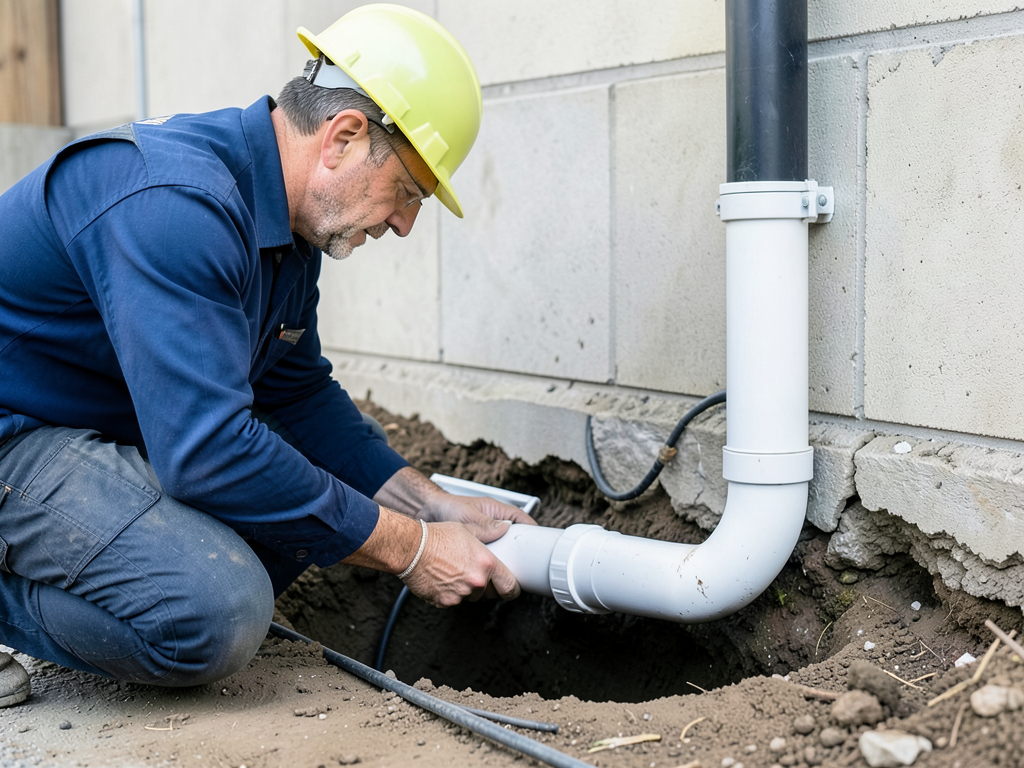
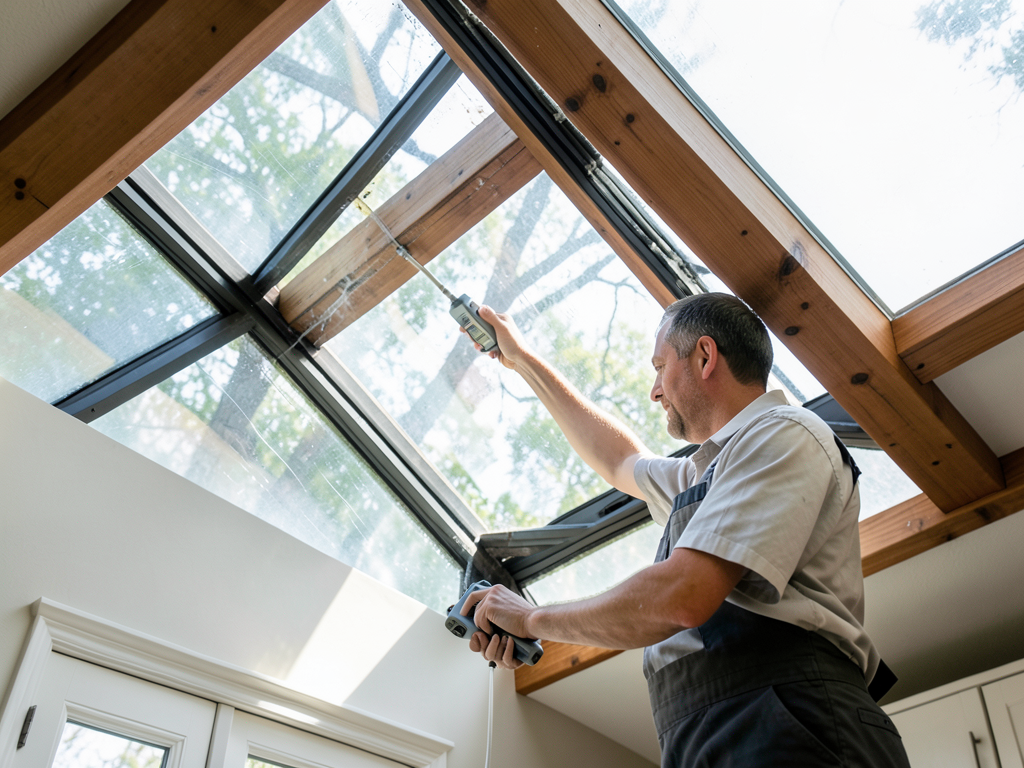
Flashing determines whether your roof leaks. We custom-fabricate flashing for valleys, chimneys, skylights, and wall transitions. Pre-formed flashing from big-box stores does not fit St. Louis's varied architecture. We use hemmed edges and sealant-backed fasteners to prevent water entry.

Panel attachment matters. We use pancake head screws with EPDM washers, driven into rafters, not just decking. Screws placed in panel flats allow thermal movement. We follow manufacturer torque specs. Over-tightening crushes washers. Under-tightening allows leaks.

Ridge venting goes on every metal roof we install. St. Louis humidity creates attic condensation. Metal roofing materials conduct temperature changes faster than asphalt. Without ventilation, condensation drips onto insulation and framing. We install continuous ridge vent with baffled intake at the soffits to create airflow.

What Happens During Your Metal Roof Installation

Metal Roofing Systems in St. Louis | Built to Survive Midwest Freeze-Thaw and Hail Damage
01

Site Inspection and Planning

We measure your roof and photograph every penetration, transition, and flashing point. We calculate panel layout to minimize cuts and waste. We check your attic ventilation and insulation. You receive a written scope that lists every material, fastener type, and trim piece. We identify potential issues before work begins, like rotted fascia or undersized gutters that cannot handle metal roof runoff.
02

Removal and Deck Prep

We strip your old roof down to the decking. Metal roofing systems install over solid substrate, not over old shingles. We inspect every sheet of decking and replace damaged areas. We install drip edge along eaves and rakes. We roll out synthetic underlayment and secure it with cap nails. We install valley flashing and step flashing before the first panel goes up. Proper sequencing prevents leaks.
03

Panel Installation and Finishing

We start at the eave and work upward. Each metal roofing panel overlaps the previous panel by one rib. We fasten into rafters at manufacturer-specified intervals. We install ridge cap with ventilation. We seal all fastener penetrations. We clean metal roof sheets to remove metal shavings that cause rust stains. You get a roof designed to last decades, not years.

Why St. Louis Residents Choose Pioneer Roofing for Metal Roofing Systems

St. Louis building codes require specific wind ratings. Metal roofs must meet uplift standards for 90 mph wind gusts. We install metal roofing products rated for St. Louis's wind zone. We pull permits and schedule inspections. Contractors who skip permits leave you liable if the roof fails.

We source metal roofing materials from domestic manufacturers. Panels ship from mills in the Midwest, not overseas. You get Galvalume-coated steel or aluminum with Kynar 500 finishes. These coatings resist fading and chalking in St. Louis's UV exposure. Cheaper paint systems fade to chalk within five years.

Our crews know St. Louis architecture. Bungalows in The Hill feature low-slope roofs with complex valleys. Colonial Revival homes in Clayton have steep pitches and dormers. We adapt installation techniques to each roof style. A standing seam metal roof installs differently than a corrugated panel roof. We match the system to your home's structure and aesthetic.

We handle insurance claims. Hail damage qualifies for roof replacement if dents exceed a certain depth. We document damage with photos and measurements. We meet with adjusters. We provide line-item estimates that match insurance software. You do not fight the claim alone.

Local suppliers matter. When a panel arrives damaged or a custom flashing piece needs fabrication, we drive to a local metal shop and get it the same day. National chains order parts that arrive in two weeks. Your roof stays tarped. Weather gets in. We finish jobs on schedule because we control our supply chain.

What to Expect When You Hire Pioneer Roofing for Metal Roofing Systems

Installation Timeline

Most residential metal roofing systems install in three to five days. Complex roofs with multiple valleys, skylights, or steep pitches take longer. We schedule work around weather. We do not install metal roofing panels in high wind or rain. We tarp your roof every night to prevent water intrusion. We communicate daily about progress. You know when crews arrive, when inspections happen, and when final cleanup occurs. We do not leave jobs half-finished for weeks.

Pre-Installation Assessment

We conduct a full attic inspection before providing a quote. We look for inadequate ventilation, damaged insulation, or structural issues. Metal roofs amplify existing problems. A poorly vented attic creates condensation on metal roofing materials. We identify these issues upfront. We provide separate line items for ventilation upgrades or decking repairs. You decide what gets fixed. We do not surprise you with change orders mid-project. Our written estimate lists every material and labor charge.

Finished Roof Quality

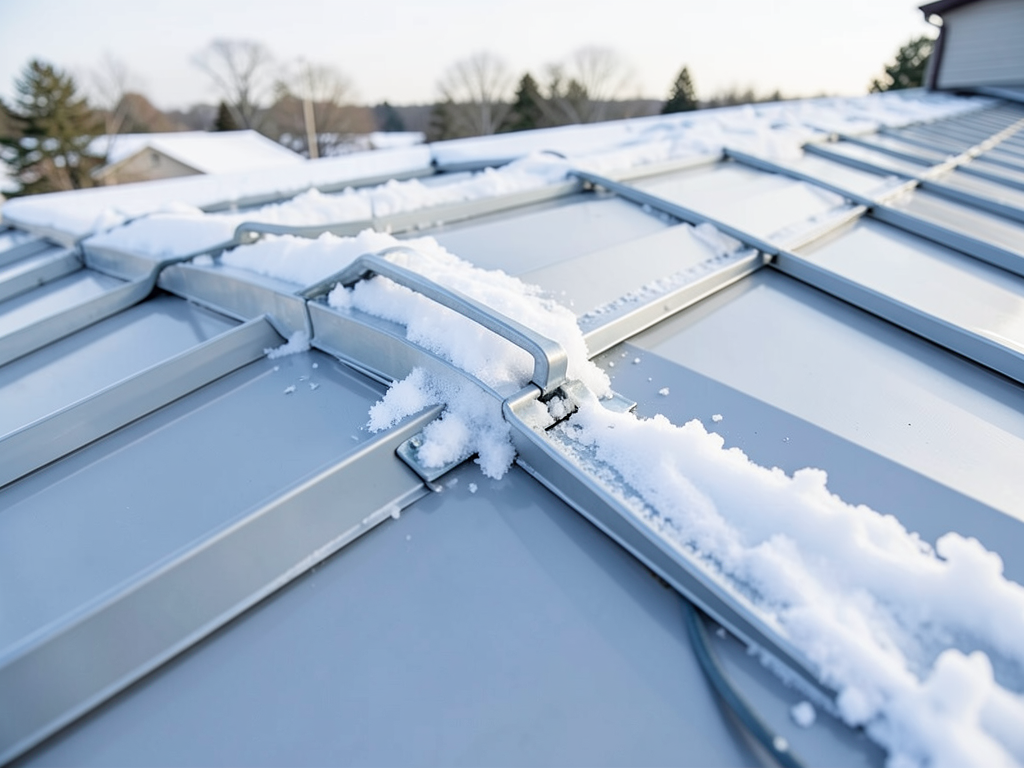
Your metal roof will have straight panel lines, sealed fasteners, and clean trim work. We use color-matched fasteners and trim. We install closure strips at the eave to prevent insect and debris entry. We caulk every flashing seam with polyurethane sealant rated for metal-to-metal contact. We install snow guards if your roof overhangs walkways or entrances. We clean your gutters and remove all debris. You get a roof that looks professional and performs for decades without callbacks.

Manufacturer Warranties and Maintenance

Metal roofing products carry manufacturer warranties on paint and substrate. We register your roof with the manufacturer to activate the warranty. We provide documentation for your records. Metal roofs require minimal maintenance. Inspect fasteners every five years for loosening. Clear debris from valleys after storms. Rinse metal roof sheets annually to remove pollen and dirt. We offer maintenance contracts if you prefer professional inspections. We check flashing, reseal fasteners, and document roof condition for insurance purposes.

Frequently Asked Questions

You Have Questions,
We Have Answers

What is the biggest problem with metal roofs? +

The biggest problem with metal roofs is improper installation, which causes leaks at penetrations and panel seams. In St. Louis, freeze-thaw cycles and high humidity magnify these issues when flashing is not correctly sealed around chimneys, vents, and valleys. Expansion and contraction from our temperature swings can loosen fasteners over time if installers do not use the right clips and screws. Condensation buildup in attics is another common issue when ventilation is inadequate. Oil canning, the waviness visible on flat panels, bothers some homeowners but does not affect performance. You need experienced installers who understand metal roof systems and local climate demands.

What is the best type of metal roofing? +

Standing seam metal roofing is the best type for St. Louis homes because it handles our weather extremes well. The concealed fastener system prevents leaks and allows panels to expand and contract during temperature swings without damage. Steel with a Galvalume coating or aluminum provides excellent rust resistance in our humid climate. Gauge matters. 24-gauge or 26-gauge steel offers durability without excessive weight. Stone-coated steel is another solid option if you want a traditional shingle look with metal benefits. Corrugated panels work for sheds and agricultural buildings but lack the weather-tightness residential structures need. Choose materials rated for high wind uplift and impact resistance.

How much would it cost to put a metal roof on a 1000 square foot house? +

Material and labor costs vary based on roof complexity, accessibility, and material grade. A simple gable roof requires less material and labor than a multi-plane roof with dormers and valleys. Standing seam systems cost more than corrugated panels but offer better performance and longevity. Removal of existing shingles, roof deck repairs, and upgraded underlayment add to the total. In St. Louis, your roof pitch and attic ventilation needs affect pricing. Get multiple quotes from contractors experienced with metal installations. Ask about panel gauge, fastener type, and warranty coverage. Focus on value over the lowest bid to avoid installation problems later.

Is it cheaper to put a metal roof or shingles? +

Metal roofs cost more upfront than asphalt shingles, but the gap narrows when you factor in longevity and maintenance. Asphalt shingles last 15 to 20 years in St. Louis, while metal roofs last 40 to 70 years depending on material. You replace shingles two or three times in the lifespan of one metal roof. Metal reflects heat, which lowers cooling costs during our humid summers. It sheds snow and ice better during winter storms. Insurance discounts for impact and fire resistance offset some costs. Metal requires less maintenance and resists algae growth common on shingles in our climate. Calculate total cost of ownership, not just installation price.

How St. Louis's Freeze-Thaw Cycles Make Metal Roofing Systems Essential

St. Louis averages 20 freeze-thaw cycles each winter. Water seeps under asphalt shingles, freezes, expands, and lifts the shingles. Ice dams form at eaves when attic heat melts snow, and meltwater refreezes at the cold overhang. Metal roofing systems shed snow and ice before dams form. Metal roof sheets do not absorb water, so freeze-thaw damage does not occur. The panels expand and contract with temperature changes, but concealed fastener systems allow movement without creating leaks. This durability matters in a climate where winter temperatures swing 40 degrees in 24 hours.

St. Louis building codes require roof system inspections during permit reviews. Metal roofing installations must meet wind uplift standards defined by the International Building Code as adopted by the city. We work with St. Louis inspectors regularly. We know what they check. We know which fastener patterns pass inspection. Choosing a contractor unfamiliar with local codes delays your project and creates compliance issues. We pull permits, schedule inspections, and handle code compliance so you do not have to navigate city offices or risk failed inspections.
Roofing Services in The St. Louis Area

Pioneer Roofing is proud to serve the entire St. Louis metropolitan area and surrounding communities. Our local presence means we are always nearby and ready to respond quickly to your roofing needs, whether you are located in the heart of St. Louis or the greater county. View our location and service radius on the map to confirm we cover your neighborhood and then call us to schedule your service!

Address:
Pioneer Roofing St. Louis, 1031 Lami St, St. Louis, MO, 63104

Additional Services We Offer

Our news updates

Latest Articles & News from The Blogs

Can You Actually Install a New Roof Over Your Old Shingles? Roofing a home in St. Louis comes with unique…

Can You Actually Install a New Roof Over Your Old Shingles?

Can You Actually Install a New Roof Over Your Old Shingles? Roofing a home in St. Louis comes with unique…

Why Your Neighbors in Manchester are Choosing Impact Rated Materials

Why Your Neighbors in Manchester are Choosing Impact Rated Materials Living in Manchester means dealing with the unpredictable St. Louis…

Preparing Your Roof for the Sudden Shifts of St. Louis Weather Patterns

Preparing Your Roof for the Sudden Shifts of St. Louis Weather Patterns Your roof faces more than just rain and…

Contact Us

Call (314) 417-7774 to schedule your roof inspection. We provide detailed estimates with material specs and installation timelines. Stop replacing your roof every 15 years. Invest in a metal roofing system built for St. Louis weather.