menu

Commercial Gutter Systems in St. Louis | Industrial-Grade Solutions That Minimize Downtime

Pioneer Roofing St. Louis installs and maintains commercial roof gutters engineered for high-volume water management, designed to keep your facility operational during Midwest storms and reduce liability from overflow damage.

Slider Image 1
Slider Image 2
Slider Image 3
Slider Image 4
Slider Image 5
Slider Image 7
Slider Image 8
Slider Image 9
Slider Image 10
Slider Image 11

Why St. Louis Commercial Buildings Demand Heavy-Duty Gutter Infrastructure

St. Louis commercial properties face aggressive precipitation patterns, with thunderstorms dumping 3 to 4 inches of rain in under an hour during spring and summer. Your building's gutter system is not a decorative afterthought. It is a critical drainage component that protects foundation integrity, prevents pooling near loading docks, and mitigates slip-and-fall liability.

Standard residential gutters cannot handle the square footage and roof area of commercial buildings. A 20,000-square-foot flat roof channels massive volumes toward downspouts. If your industrial guttering is undersized, clogged, or improperly pitched, water backs up onto the roof membrane. This accelerates deterioration, voids warranties, and creates interior leaks that disrupt operations.

The clay soil composition under most St. Louis commercial properties expands when saturated. Poor gutter performance means water dumps directly against your foundation, causing hydrostatic pressure and cracking. Over time, this leads to basement flooding, compromised structural footings, and expensive remediation.

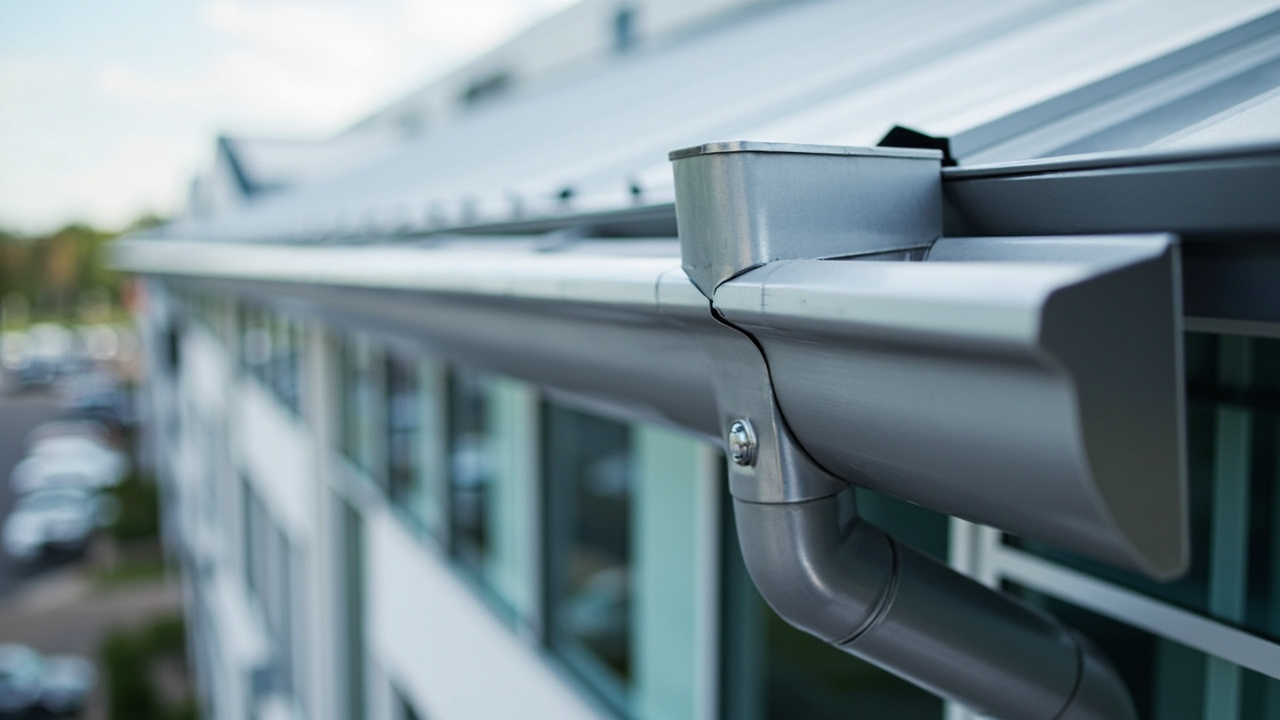
Commercial grade gutters are built with thicker gauge aluminum or steel, reinforced hangers rated for wind loads, and downspouts sized to handle peak flow rates. Industrial rain gutters on warehouses, office buildings, and retail centers must integrate with your existing roof drainage system, including scuppers, internal drains, and overflow ports. If these components fail to work together, you face code violations, insurance complications, and tenant complaints.

You need a gutter system that functions as a high-capacity drainage network, not a cosmetic add-on. That requires commercial building gutters designed for your roof type, occupancy load, and the specific hydraulic demands of St. Louis weather.

Why St. Louis Commercial Buildings Demand Heavy-Duty Gutter Infrastructure
How Pioneer Roofing St. Louis Engineers Commercial Gutter Systems for Maximum Flow Capacity

How Pioneer Roofing St. Louis Engineers Commercial Gutter Systems for Maximum Flow Capacity

We do not install off-the-shelf residential gutters on commercial properties. Every commercial gutter system we design begins with a hydraulic load calculation based on your roof area, slope, and regional rainfall intensity data from NOAA's St. Louis weather station. This determines gutter width, downspout diameter, and hanger spacing.

For flat or low-slope roofs common in industrial and retail construction, we integrate commercial roof gutters with existing internal drains and overflow scuppers. This creates redundancy. If one drainage path clogs, water has a secondary route off the roof. We use 6-inch or 7-inch K-style gutters for high-volume applications, paired with 4-inch downspouts positioned to prevent backflow during peak storms.

Material selection depends on your building type and budget constraints. Heavy-gauge aluminum resists corrosion and handles thermal expansion without warping. Galvanized steel offers superior strength for buildings with wide eaves or heavy snow loads. Copper is used for historic buildings in districts like Lafayette Square, where aesthetics and longevity justify the investment.

Hanger spacing is critical. Residential gutters use hangers every 24 to 36 inches. Commercial installations require hidden hangers or strap hangers every 18 to 24 inches to support the weight of standing water during heavy rain. We anchor directly into fascia boards or roof decking, never just into trim.

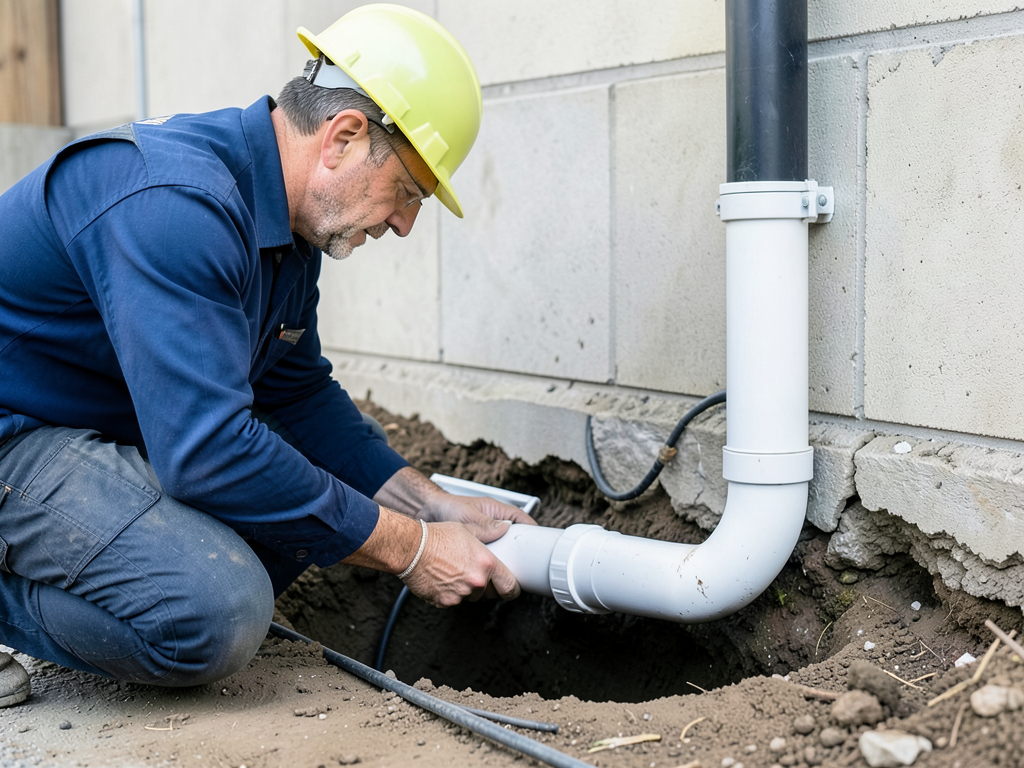
Downspout placement follows building codes and site grading. We discharge away from foundations, toward storm drains or detention ponds. If your site lacks proper drainage infrastructure, we coordinate with civil engineers to design extensions that prevent erosion and ponding near entryways or parking areas.

This approach eliminates the guesswork. You get a system that moves water efficiently, reduces maintenance calls, and extends the lifespan of your roof membrane.

What Happens When You Schedule a Commercial Gutter System Installation

Commercial Gutter Systems in St. Louis | Industrial-Grade Solutions That Minimize Downtime
01

Site Assessment and Load Calculation

We inspect your roof to measure square footage, identify existing drainage components, and evaluate fascia condition. Using rainfall intensity data for St. Louis, we calculate required gutter capacity and downspout diameter. This assessment includes a review of your building's grading, proximity to storm drains, and any code compliance issues that could delay permitting.
02

Custom Fabrication and Scheduling

We fabricate gutters to exact lengths, eliminating seams that leak over time. Material is selected based on your building type, budget, and architectural requirements. Installation is scheduled during off-peak hours or weekends to avoid disrupting business operations. For multi-tenant properties, we coordinate with property managers to notify tenants and secure loading zones for equipment access.
03

Installation and Flow Testing

Our crew anchors gutters with commercial-grade hangers, seals end caps with industrial sealant, and connects downspouts to existing drainage infrastructure. Before leaving the site, we perform a water flow test to confirm proper pitch and verify that downspouts discharge away from the foundation. You receive documentation of the installation, including material specifications and a maintenance schedule to prevent future clogs.

Why St. Louis Property Managers Choose Pioneer Roofing for Commercial Gutter Projects

Commercial gutter work is not a handyman job. It requires knowledge of load-bearing structures, understanding of local building codes, and the equipment to safely access multi-story buildings. Pioneer Roofing St. Louis has worked on office complexes in Clayton, industrial warehouses in Wellston, and retail centers throughout St. Louis County. We understand the unique challenges of Midwest weather and aging commercial infrastructure.

St. Louis adopted the International Building Code with local amendments that govern roof drainage systems. These codes specify minimum gutter sizes, overflow provisions, and material standards. A contractor unfamiliar with these requirements can install a system that fails inspection, delaying your certificate of occupancy or triggering fines during routine inspections.

We also understand the operational realities of commercial properties. Downtime costs money. Tenant complaints damage your reputation. That is why we schedule installations around your business hours, coordinate with tenants, and complete work in phases if necessary. For properties with multiple buildings, we prioritize areas with the most drainage problems first, then address lower-risk sections.

Our familiarity with St. Louis architecture matters. Many commercial buildings in the city were constructed in the 1960s and 1970s with built-in gutters or parapet walls. These systems are prone to failure as sealants degrade and metal corrodes. We know how to retrofit modern gutter systems onto older structures without compromising the building envelope or violating historic preservation guidelines in areas like the Central West End.

You also get transparent communication. We provide detailed estimates that break down material costs, labor, and disposal fees. No surprises. No change orders unless you request modifications. And if we identify additional issues during installation, such as rotted fascia or inadequate roof flashing, we document it with photos and give you options before proceeding.

What You Can Expect from a Commercial Gutter System Installation

Project Timeline and Coordination

Installation timelines depend on building size and gutter length. A single-story retail building with 200 linear feet of gutters typically takes one to two days. Multi-story office buildings or industrial facilities with complex roof layouts may require three to five days. We schedule work to minimize disruption, often starting early or working weekends. For occupied buildings, we notify tenants in advance and coordinate with property management to secure parking areas for lifts and material staging. Weather delays are communicated immediately, and we adjust schedules to avoid leaving your building exposed.

Pre-Installation Inspection and Planning

Before installation, we conduct a roof inspection to assess fascia condition, identify hidden rot, and verify that your roof structure can support new gutter loads. We measure roof area, calculate drainage requirements, and review your site grading to determine optimal downspout placement. If your building requires permits, we handle the application process and coordinate inspections with the City of St. Louis or county building departments. This planning phase prevents surprises and ensures the system integrates seamlessly with your existing roof drainage components.

Quality of Materials and Workmanship

We use commercial-grade materials rated for the load and environmental conditions your building faces. Gutters are fabricated to length, eliminating seams that leak over time. Hangers are anchored into solid fascia or roof decking, not just trim boards. All joints are sealed with industrial-grade sealant that resists UV degradation and temperature swings. Downspouts are secured with heavy-duty straps and elbows are welded or sealed to prevent separation. The result is a system that handles high-volume water flow without sagging, leaking, or requiring frequent repairs.

Post-Installation Maintenance Recommendations

Commercial gutters require periodic maintenance to function properly. We recommend inspections twice per year, in spring and fall, to remove debris and check for clogs in downspouts. For buildings surrounded by trees, you may need quarterly cleanings. We offer maintenance contracts that include scheduled cleanings, gutter guard installation, and priority service if issues arise. Regular maintenance extends the lifespan of your gutter system, prevents overflow damage, and reduces liability from water pooling near entryways. We document each service visit and provide a report on system condition.

Frequently Asked Questions

You Have Questions,
We Have Answers

How St. Louis's Severe Thunderstorms and Freeze-Thaw Cycles Impact Commercial Gutter Performance

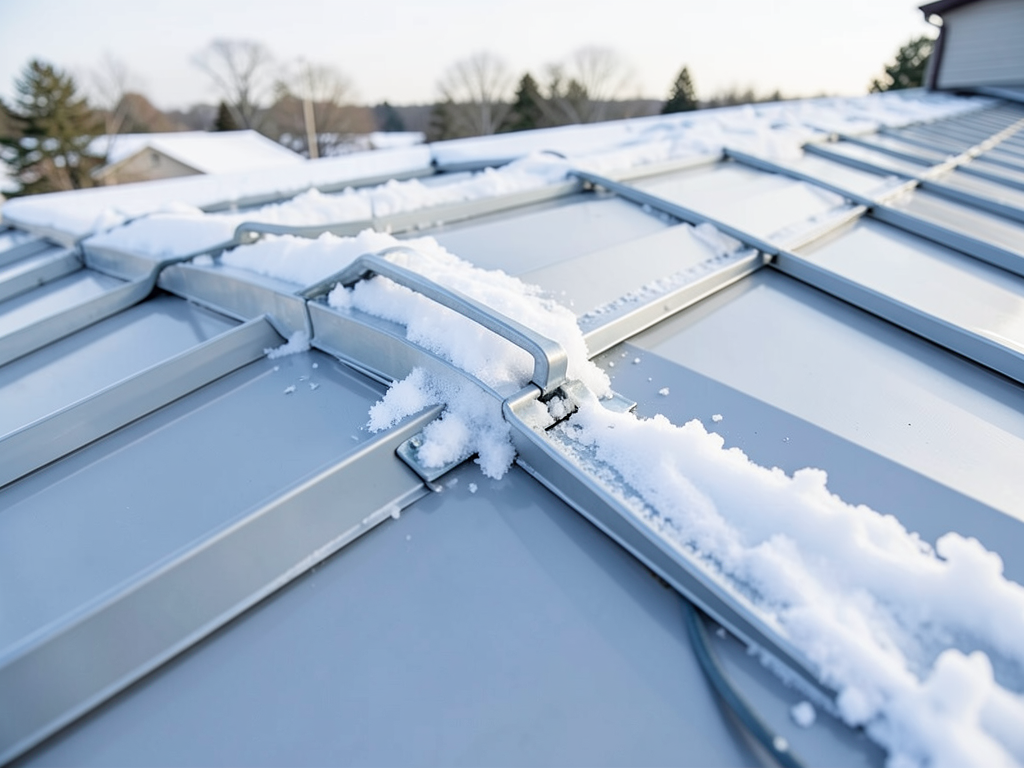
St. Louis experiences severe thunderstorms with rainfall rates that exceed 2 inches per hour, overwhelming undersized commercial roof gutters and causing overflow onto sidewalks and parking lots. This creates slip-and-fall liability and accelerates foundation erosion. The region also endures freeze-thaw cycles throughout winter, where water trapped in gutters expands as it freezes, cracking seams and pulling hangers loose from fascia boards. Industrial guttering must be pitched correctly and kept clear of debris to prevent ice dams from forming along roof edges. Buildings in flood-prone areas near the Mississippi River or in low-lying neighborhoods require oversized downspouts and proper grading to handle both storm runoff and seasonal flooding.

Pioneer Roofing St. Louis has installed commercial building gutters on properties throughout the metro area, from warehouses in North County to office buildings in Clayton and retail centers in Chesterfield. We understand local code requirements, including amendments to the International Building Code that govern roof drainage systems in the City of St. Louis and St. Louis County. Our crew is familiar with the architectural styles common in the region, from mid-century flat-roof buildings to older masonry structures with parapet walls. Choosing a local contractor means faster response times, familiarity with permitting processes, and access to a crew that understands how St. Louis weather impacts gutter performance.
Roofing Services in The St. Louis Area

Pioneer Roofing is proud to serve the entire St. Louis metropolitan area and surrounding communities. Our local presence means we are always nearby and ready to respond quickly to your roofing needs, whether you are located in the heart of St. Louis or the greater county. View our location and service radius on the map to confirm we cover your neighborhood and then call us to schedule your service!

Address:
Pioneer Roofing St. Louis, 1031 Lami St, St. Louis, MO, 63104

Additional Services We Offer

Our news updates

Latest Articles & News from The Blogs

Can You Actually Install a New Roof Over Your Old Shingles? Roofing a home in St. Louis comes with unique…

Can You Actually Install a New Roof Over Your Old Shingles?

Can You Actually Install a New Roof Over Your Old Shingles? Roofing a home in St. Louis comes with unique…

Why Your Neighbors in Manchester are Choosing Impact Rated Materials

Why Your Neighbors in Manchester are Choosing Impact Rated Materials Living in Manchester means dealing with the unpredictable St. Louis…

Preparing Your Roof for the Sudden Shifts of St. Louis Weather Patterns

Preparing Your Roof for the Sudden Shifts of St. Louis Weather Patterns Your roof faces more than just rain and…

Contact Us

Do not wait until water damage disrupts your operations. Call Pioneer Roofing St. Louis at (314) 417-7774 to schedule a site assessment. We will calculate your drainage requirements, provide a detailed estimate, and install a system that keeps your building dry and compliant.