menu

Repair vs. Replace Analysis in St. Louis – Data-Driven Roof Assessments That Save You Money

Pioneer Roofing St. Louis uses thermal imaging and structural load testing to determine if your roof needs targeted repairs or full replacement, helping St. Louis homeowners avoid unnecessary costs while protecting their investment.

Slider Image 1
Slider Image 2
Slider Image 3
Slider Image 4
Slider Image 5
Slider Image 7
Slider Image 8
Slider Image 9
Slider Image 10
Slider Image 11

Why St. Louis Roofs Age Faster Than You Think

St. Louis sits in a unique climate zone where freeze-thaw cycles hit hard from December through March, then summer humidity pushes 80% most days. Your roof expands and contracts more than 200 times per year. Add in the clay soil shifting underneath your foundation, and you get stress points most homeowners never see until a leak appears.

The question is not if your roof will need attention, it is when and how much. A roof repair vs replacement cost comparison starts with understanding what is actually failing. Is it the shingles themselves, or is the decking compromised? Did the flashing around your chimney fail, or is the entire underlayment saturated?

Most St. Louis homes were built between 1950 and 1980, meaning roofs are hitting their 20 to 30 year mark. That is the danger zone. You do not want to spend money on a reroof vs repair assessment only to find out six months later you fixed the wrong problem.

A fix vs replace roof evaluation requires someone who knows what St. Louis weather does to asphalt shingles, modified bitumen, and metal panels. You need a roof restoration vs replacement analysis that accounts for local building codes and your home's specific architecture. The wrong call costs you double.

The roof repair or replace decision guide is not a checklist you find online. It is a field assessment that factors in your roof's age, the extent of damage, and what it will take to pass inspection if you sell in the next five years.

Why St. Louis Roofs Age Faster Than You Think
How We Assess Your Roof Without Guessing

How We Assess Your Roof Without Guessing

We do not climb up, look around, and tell you what we think. We use thermal imaging to identify moisture intrusion invisible to the naked eye. Wet decking shows up as cold spots on the scan. If the problem is localized, you repair. If the entire roof plane is compromised, you replace.

We test the structural load capacity of your decking. St. Louis building code requires decking to support 20 pounds per square foot live load plus the weight of the roofing system. If your decking sags or feels spongy, no amount of shingle replacement will fix the underlying rot.

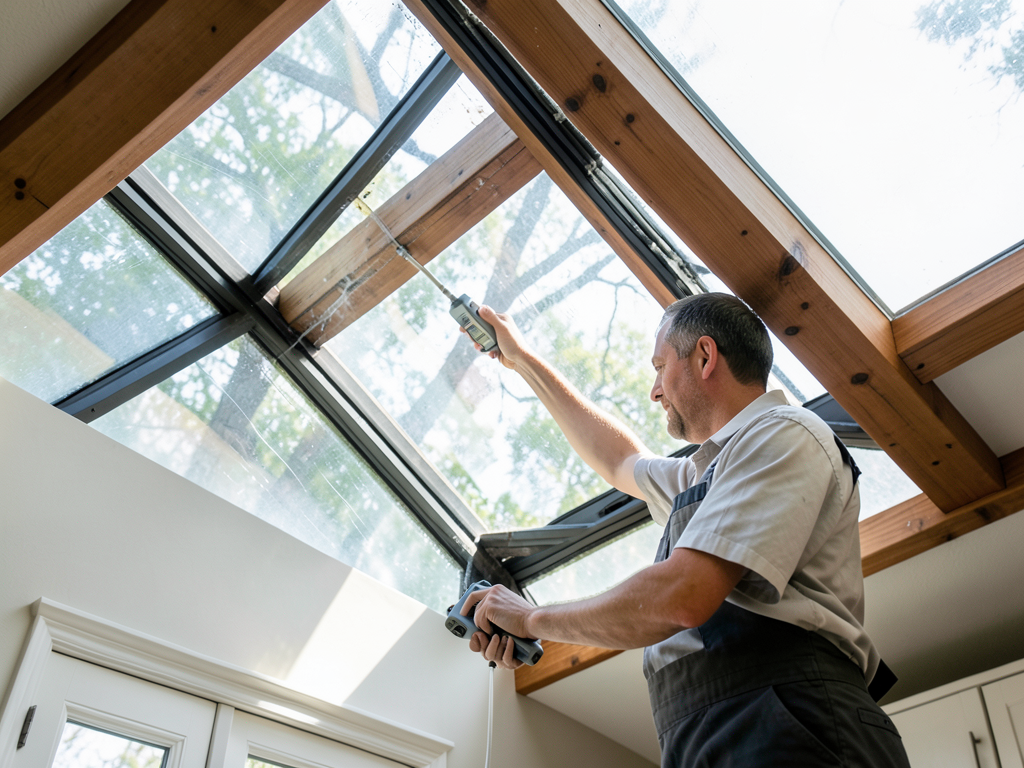
We inspect every penetration point: skylights, vents, chimneys, and soil stacks. Flashing failures account for 70% of residential roof leaks in this region. Replacing flashing costs a fraction of what a full tear-off runs, but most roofers skip this step because it is labor-intensive.

We pull sample shingles to check for granule loss and brittleness. Asphalt shingles degrade from UV exposure and thermal cycling. If you have lost more than 30% of the protective granules, the mat underneath is exposed to moisture. That means the clock is ticking.

We document everything with photos and written notes. You get a report that shows the current condition, the projected lifespan of repairs versus replacement, and the cost difference. No sales pitch. Just the data you need to make the call.

Pioneer Roofing St. Louis does not upsell you on a full replacement if targeted repairs will buy you another five to seven years. We also do not patch a roof that is three years past its useful life. We give you the honest assessment.

What Happens During Your Roof Assessment

Repair vs. Replace Analysis in St. Louis – Data-Driven Roof Assessments That Save You Money
01

Exterior and Attic Inspection

We start on the roof surface, checking shingle condition, flashing integrity, and drainage patterns. Then we go into your attic to inspect the underside of the decking for water stains, mold, or structural sagging. Attic ventilation is critical in St. Louis humidity. Poor airflow accelerates shingle aging and creates condensation that rots the decking. We measure ventilation ratios and check for blocked soffit vents.
02

Thermal Imaging and Moisture Mapping

We use an infrared camera to scan the roof surface after sunset, when temperature differentials are most pronounced. Wet insulation and saturated decking show up as distinct thermal signatures. This tells us if the leak is isolated or if water has spread across multiple bays. Moisture meters confirm the findings. If more than 25% of the roof area shows moisture intrusion, replacement makes more financial sense than piecemeal repairs.
03

Written Report and Cost Analysis

You get a written report with photos, thermal images, and a breakdown of every issue we found. We provide two estimates: one for targeted repairs with a projected lifespan, and one for full replacement with material options. The report includes code compliance notes and what your insurance adjuster will look for if you file a claim. You make the decision with all the facts in front of you, not a sales pitch.

Why Local Knowledge Matters for Roof Decisions

St. Louis has specific building code requirements that changed in 2018 after the microburst storms. If your roof was installed before that date, it may not meet current wind uplift standards. That matters when you sell your home. Inspectors flag outdated installations, and buyers use it as leverage to renegotiate.

We know the architectural styles in neighborhoods like Soulard, The Hill, and Webster Groves. Historic homes often have steep roof pitches and complex valley configurations. You cannot use the same assessment criteria for a 1920s bungalow that you would for a 1990s ranch. The flashing details are completely different, and so are the repair costs.

We understand how St. Louis clay soil shifts during wet and dry cycles. Foundation movement creates stress points where the roof meets the walls. If your fascia is pulling away from the roofline or you see cracks in your brick veneer, the problem might not be the roof at all. It might be settlement. Replacing shingles will not fix that.

We work with local insurance adjusters who know what storm damage looks like in this region. Hail patterns, wind shear marks, and impact dents all have specific characteristics. If you have a legitimate claim, we document it correctly. If you do not, we tell you that too, so you do not waste time filing.

Pioneer Roofing St. Louis has assessed roofs in every zip code in the metro area. We know what fails first, what lasts longest, and what materials hold up best in this climate. That experience informs every recommendation we make. You are not getting a generic assessment. You are getting one built for your specific home in this specific location.

What You Get From Our Roof Analysis

Same-Day Scheduling for Most Assessments

We schedule most roof assessments within 48 hours of your call. The inspection itself takes 60 to 90 minutes depending on your roof size and complexity. If you have an active leak, we prioritize emergency assessments and can often get someone out the same day. You do not need to wait a week to find out if you need a repair or a replacement. We move fast because roof damage accelerates quickly, especially during St. Louis's wet spring months when a small leak can turn into saturated insulation in days.

Detailed Inspection With Diagnostic Tools

You get a thorough inspection that uses thermal imaging, moisture meters, and structural assessment tools. We do not just look at the surface. We check the decking, the underlayment, the flashing, and the ventilation system. Every penetration point gets inspected. Every valley and hip gets documented. You receive a written report with photos that shows exactly what we found and why we recommend either repair or replacement. The report is detailed enough to share with your insurance company if needed.

Honest Recommendations With No Pressure

We tell you what your roof needs, not what makes us the most money. If targeted repairs will give you another five to seven years, we recommend that. If your roof is too far gone and patching it is throwing money away, we tell you that too. You get two estimates: one for repairs with a realistic lifespan projection, and one for replacement with material options and costs. We explain the pros and cons of each approach so you can make an informed decision. No upselling. No scare tactics.

Follow-Up Support and Maintenance Planning

If you choose repairs, we provide a maintenance plan that outlines what to watch for and when to schedule follow-up inspections. If you replace your roof, we explain what routine maintenance extends its lifespan and what warranty coverage you have. We do not disappear after the job is done. You get our direct line for any questions or concerns. If a storm rolls through and you want us to check for damage, we come back out. We treat roof assessments as the start of a relationship, not a one-time transaction.

Frequently Asked Questions

You Have Questions,
We Have Answers

What is the difference between replace and repair? +

Repair means fixing a damaged or failing component while keeping the original system in place. Replace means removing the entire system and installing a new one. For St. Louis roofs, repair works for isolated damage like missing shingles after a storm or minor flashing issues. Replace becomes necessary when the entire roof deck shows rot, multiple layers exist, or widespread granule loss appears. St. Louis freeze-thaw cycles accelerate deterioration, so a repair might only buy you a year or two if underlying damage exists. Inspect the entire system before deciding. Patch jobs on failing substrates waste money.

How do you determine if you should repair or replace a machine? +

Start with a cost comparison. Calculate repair costs against replacement costs, then factor in the system's age. For St. Louis roofs, if repair costs exceed 50 percent of replacement and the roof is past 15 years old, replace it. Check for recurring problems. Patching the same leak three times signals deeper issues. Consider energy efficiency gains. Modern materials handle St. Louis humidity and temperature swings better than older systems. Evaluate how long the repair extends the lifespan. A two-year patch on a 20-year-old roof delays the inevitable. Get a professional assessment that includes deck inspection and structural review.

What are the 4 types of repair in communication? +

This question applies to linguistics and conversational analysis, not roofing systems. The four types are self-repair, other-repair, third-position repair, and fourth-position repair. These describe how people correct misunderstandings in dialogue. For roofing decisions in St. Louis, focus on structural repair types instead: preventive maintenance, corrective repairs addressing current damage, emergency repairs after storm events, and restoration work that extends lifespan. St. Louis homeowners face wind damage, hail impacts, and ice dam issues that require immediate corrective action. Understanding repair categories helps you communicate clearly with contractors about what your roof needs and when.

Why is it better to repair than replace? +

Repair costs less upfront and generates less waste. For St. Louis roofs, repairing isolated storm damage makes sense when the remaining system functions well. You avoid the expense and disruption of full replacement. However, this only applies to newer roofs with localized issues. St. Louis weather stresses roofing materials through humidity, freeze-thaw cycles, and severe storms. Repairing a failing system throws money away. The decking might hide rot, ventilation could be inadequate, and outdated materials lack energy efficiency. Repair works when you address problems early. Once deterioration spreads, replacement delivers better long-term value and protects your home properly.

Does repair mean replace? +

No. Repair and replace are different actions with different outcomes. Repair means fixing specific damaged components while keeping the original system intact. You patch a leak, replace torn shingles, or reseal flashing. Replace means tearing off the entire roof and installing a new system from deck to ridge cap. For St. Louis homes, this distinction matters when filing insurance claims after storm damage. Adjusters differentiate between repair costs and replacement value. Contractors should clarify which approach they recommend based on your roof's age, damage extent, and structural condition. Mixing up these terms leads to confusion during estimates and project planning.

What is the 30 60 90 rule for car maintenance? +

This rule applies to vehicle maintenance intervals, not roofing systems. It suggests checking fluids and filters at 30,000, 60,000, and 90,000 miles. For St. Louis roofs, think in years instead. Inspect roofs every three years for wear patterns. At year 10, evaluate remaining lifespan and plan financially. By year 15, prepare for replacement unless you installed premium materials. St. Louis climate accelerates aging through humidity, storms, and temperature swings. Schedule inspections after major weather events. Check attic ventilation annually to prevent moisture damage. Missing these intervals leads to surprise failures and emergency replacement costs when prevention would have saved money.

What are the 3 C's of auto repair? +

The three Cs are complaint, cause, and correction. You describe the problem, the shop diagnoses why it happens, then they fix it. This framework applies to roofing evaluations in St. Louis too. Your complaint might be water stains on the ceiling. The cause could be failed flashing around the chimney, common in St. Louis freeze-thaw conditions. Correction involves removing old flashing, inspecting for rot, and installing new weatherproof barriers. Good contractors walk you through all three steps with documentation. They show you the damage, explain how St. Louis weather contributed, and detail the fix. This transparency helps you make informed repair versus replacement decisions.

What are the 4 types of maintenance strategies? +

The four strategies are reactive, preventive, predictive, and reliability-centered maintenance. Reactive means fixing failures as they occur. Preventive involves scheduled inspections and minor repairs. Predictive uses monitoring to catch problems early. Reliability-centered focuses on critical components. For St. Louis roofs, preventive maintenance works best. Schedule inspections after storm seasons to catch wind damage and missing shingles. Clean gutters twice yearly to prevent ice dam formation. Reseal flashing every five years as temperature swings degrade sealants. This approach costs less than reactive emergency repairs and extends roof lifespan. Waiting for leaks means water already damaged your decking and insulation.

Can I demand a replacement rather than repair? +

Your rights depend on warranty terms, state law, and the damage type. For St. Louis roofing, insurance companies control this decision after covered events like hail storms. They determine if damage warrants repair or replacement based on their adjuster's assessment. You can dispute their findings with independent inspections and documentation. For contractor warranties, Missouri law requires reasonable repairs first. You cannot demand replacement if repair restores function. However, if multiple repair attempts fail or damage is too extensive, replacement becomes justified. Document all issues with photos and written communication. Get second opinions from licensed St. Louis contractors who understand local building codes and weather patterns.

What are 5 examples of repair? +

Five common roofing repairs in St. Louis include replacing wind-damaged shingles after thunderstorms, resealing flashing around chimneys and vents where freeze-thaw cycles cause separation, patching small punctures from fallen branches, fixing soffit and fascia damage from moisture exposure, and repairing ridge cap shingles that lift during high winds. Each addresses specific failure points without replacing the entire system. These repairs work when your roof is under 15 years old and damage stays localized. St. Louis homes face repetitive storm damage that requires ongoing attention. Track all repairs over time. Multiple fixes in the same area signal deeper problems that need full replacement instead of continued patching.

How St. Louis Freeze-Thaw Cycles Complicate Roof Repair Decisions

St. Louis experiences an average of 40 freeze-thaw cycles per winter. Water seeps into small cracks in shingles or flashing, freezes overnight, expands, and widens the gap. By spring, those hairline cracks have become entry points for major leaks. This cycle makes roof repair vs replacement cost comparison more complex than in stable climates. A repair that might last ten years in Arizona might only last three years here. You need someone who understands how ice dams form on north-facing roof planes and why proper attic ventilation prevents condensation that accelerates decking rot.

Pioneer Roofing St. Louis has worked with St. Louis County building inspectors and knows the local code amendments that went into effect after the 2018 storm season. We understand the wind uplift requirements for different roof pitches and the flashing standards for valley installations. When you get a roof restoration vs replacement analysis from us, it accounts for what local inspectors will flag during a home sale. We have relationships with adjusters at the major insurance carriers operating in St. Louis, so our documentation holds weight when you file a claim. Local expertise is not just about knowing the weather. It is about knowing the systems and standards that govern roof work in this region.
Roofing Services in The St. Louis Area

Pioneer Roofing is proud to serve the entire St. Louis metropolitan area and surrounding communities. Our local presence means we are always nearby and ready to respond quickly to your roofing needs, whether you are located in the heart of St. Louis or the greater county. View our location and service radius on the map to confirm we cover your neighborhood and then call us to schedule your service!

Address:
Pioneer Roofing St. Louis, 1031 Lami St, St. Louis, MO, 63104

Additional Services We Offer

Our news updates

Latest Articles & News from The Blogs

Can You Actually Install a New Roof Over Your Old Shingles? Roofing a home in St. Louis comes with unique…

Can You Actually Install a New Roof Over Your Old Shingles?

Can You Actually Install a New Roof Over Your Old Shingles? Roofing a home in St. Louis comes with unique…

Why Your Neighbors in Manchester are Choosing Impact Rated Materials

Why Your Neighbors in Manchester are Choosing Impact Rated Materials Living in Manchester means dealing with the unpredictable St. Louis…

Preparing Your Roof for the Sudden Shifts of St. Louis Weather Patterns

Preparing Your Roof for the Sudden Shifts of St. Louis Weather Patterns Your roof faces more than just rain and…

Contact Us

Call Pioneer Roofing St. Louis at (314) 417-7774 to schedule your roof assessment. We provide honest evaluations with no pressure and no upselling. Find out if you need repairs or replacement before small problems become expensive disasters.