menu

Sagging Roof Deck in St. Louis – Expert Diagnosis and Structural Repair Before Total Failure

We identify the root cause of bowing roof sheathing, warped roof plywood, and sunken roof boards across St. Louis homes, then engineer permanent solutions that restore load capacity and prevent catastrophic collapse.

Slider Image 1
Slider Image 2
Slider Image 3
Slider Image 4
Slider Image 5
Slider Image 7
Slider Image 8
Slider Image 9
Slider Image 10
Slider Image 11

Why St. Louis Homes Experience Sagging Roof Decks More Than Most

You walk into your attic and notice the roof decking dips between the rafters. Maybe you see it from outside as a visible wave across the roofline. This is not cosmetic. This is structural failure in progress.

St. Louis's climate accelerates roof deck deterioration faster than drier regions. Summer humidity saturates plywood and OSB sheathing. Winter freeze-thaw cycles stress the wood fibers. Spring storms dump water through compromised shingles. The result is bowing roof sheathing that loses its ability to transfer loads from the roofing material down to the rafters.

The city's housing stock includes thousands of post-war homes built with thinner sheathing standards than modern code requires. Many roofs in neighborhoods like South City and North County were sheathed with half-inch plywood when five-eighths or three-quarter-inch material is now standard. Add decades of moisture exposure and you get warped roof plywood that deflects under normal snow loads.

Dipping roof decking often appears after a roof replacement when the new shingles reveal what the old layers concealed. The weight of multiple tear-offs stresses already weakened boards. Sunken roof boards between trusses signal that the sheathing has lost rigidity. Deflected roof sheathing compromises the fastener hold for shingles and underlayment, which accelerates leaks.

Ignoring this problem does not make it cheaper. It makes it dangerous. When roof decking fails, it takes the shingles, underlayment, and interior ceilings with it.

Why St. Louis Homes Experience Sagging Roof Decks More Than Most
How We Diagnose and Repair Structural Roof Deck Failure

How We Diagnose and Repair Structural Roof Deck Failure

Most roofers replace shingles and ignore the decking. We do not. Pioneer Roofing St. Louis starts every roof inspection with a structural assessment of the sheathing layer. We walk the attic space with a moisture meter and deflection gauge. We probe suspect areas for rot. We measure the span between rafters and compare sheathing thickness to current load requirements.

If we find localized damage, we cut out the compromised sections and sister in new plywood or OSB that matches or exceeds the original thickness. If the damage is widespread, we recommend full deck replacement before we install new roofing material. This is not upselling. This is engineering.

We do not reuse fastener holes in degraded sheathing. We do not patch over soft spots with an extra layer of underlayment. We do not tell you the problem will fix itself. We give you a written assessment that identifies every section of deflected sheathing, quantifies the severity, and explains the structural risk.

Our repair methodology follows IRC guidelines for sheathing attachment. We use ring-shank nails or structural screws into solid framing. We stagger seams. We apply ice and water barrier over the entire repaired section to prevent future moisture intrusion. We inspect the ventilation system to confirm adequate airflow that prevents condensation buildup.

When we leave, your roof deck meets or exceeds current code. The surface is flat. The sheathing is rigid. The structure can handle the design loads for St. Louis wind and snow events. You get documentation of the work with photos and material specifications.

What Happens During a Roof Deck Repair

Sagging Roof Deck in St. Louis – Expert Diagnosis and Structural Repair Before Total Failure
01

Attic and Surface Inspection

We access the attic to inspect sheathing from below using moisture meters and visual deflection tests. We walk the roof surface to identify soft spots and measure sag depth. We document every compromised section with photos and measurements. We check ventilation adequacy and insulation contact. We identify the failure pattern to determine if the issue is localized rot, inadequate thickness, or fastener pullout across multiple bays.
02

Sheathing Removal and Replacement

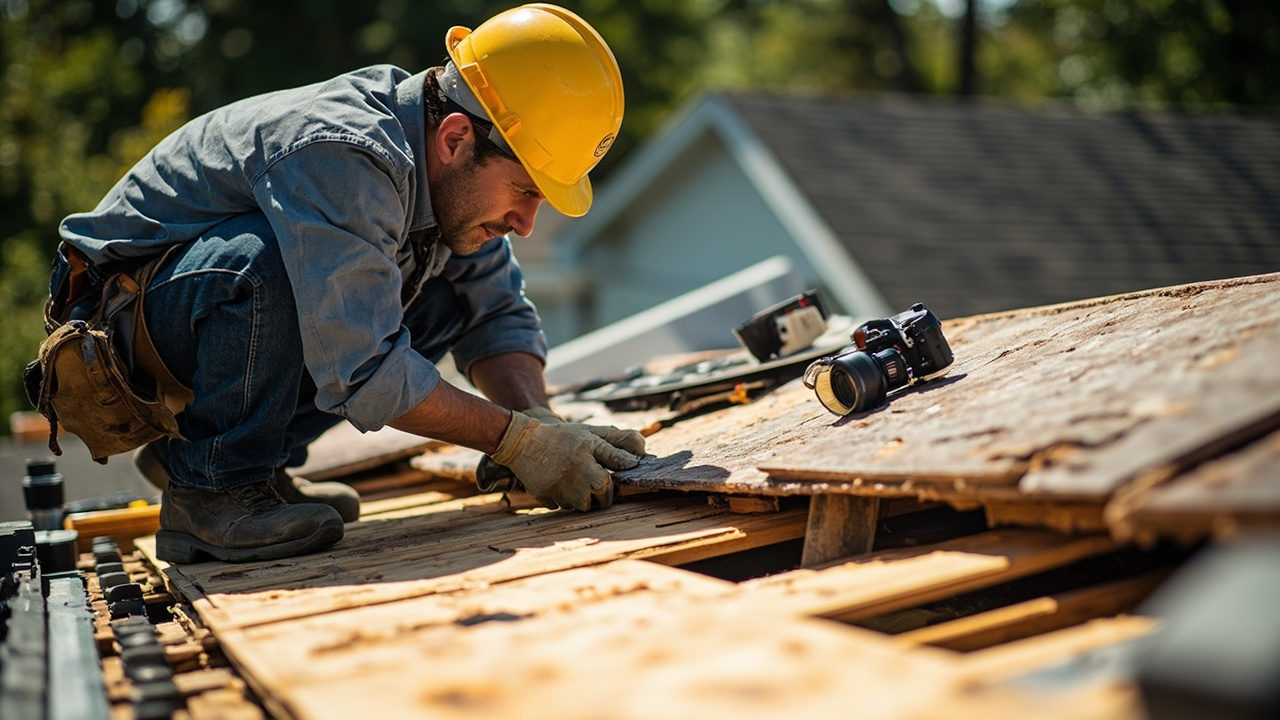
We remove the roofing material over the affected area, then cut out damaged sheathing back to solid framing. We install new plywood or OSB that meets current thickness standards for your rafter spacing. We fasten the sheathing with ring-shank nails on six-inch centers at panel edges and twelve-inch centers in the field. We seal seams with approved underlayment. We verify flatness with a straightedge before reinstalling roofing material.
03

Roofing Reinstallation and Documentation

We install new underlayment and shingles over the repaired deck section, blending the materials to match your existing roof. We inspect flashing and penetrations in the repair zone. We provide a written report with before and after photos, material specifications, and a diagram showing the extent of the replacement. You receive documentation that proves the structural integrity of your roof deck for insurance and resale purposes.

Why St. Louis Homeowners Choose Pioneer Roofing for Structural Repairs

Roof deck failure is not a shingle problem. It is a carpentry problem. Most roofing crews lack the skills or interest to properly diagnose and repair structural sheathing issues. They want to lay shingles and leave. That approach fails when the foundation of your roofing system is compromised.

Pioneer Roofing St. Louis employs crews trained in structural assessment and wood framing repair. We understand the difference between cosmetic damage and load-bearing failure. We know when to sister in a repair and when to recommend full replacement. We do not guess. We measure, calculate, and engineer solutions.

We work across the St. Louis metro, from the historic brick homes in Lafayette Square to the ranch-style neighborhoods in Affton. We understand how local building codes have evolved and what standards your roof must meet. We know which inspectors serve which jurisdictions and what documentation they require for structural repairs.

Our clients include insurance adjusters who trust our assessments and real estate inspectors who refer buyers to us for pre-purchase evaluations. We have repaired sagging decks on century-old homes with skip sheathing and on tract homes with engineered trusses. We adapt our approach to the structure, not the other way around.

When you call us, you get a technician who understands structural loading, not a salesperson who pushes unnecessary replacements. We explain the problem in plain language. We show you the damage. We give you options with transparent cost factors. We do not pressure you into decisions. We educate you so you can make the right choice for your home and budget.

What to Expect When You Work With Us

Fast Scheduling and Response

We schedule attic inspections within two business days of your call. If you have an active leak or visible structural sag, we prioritize your appointment. The inspection takes one to two hours depending on attic accessibility and roof size. You receive a written assessment within 24 hours with photos and repair recommendations. If you approve the work, we schedule the repair within one week for localized damage or two to three weeks for full deck replacement, weather permitting.

Thorough Structural Assessment

Our inspection includes attic access to view sheathing from below, roof surface walking to test deflection, moisture meter readings at suspect areas, and rafter spacing measurements. We check ventilation adequacy and insulation contact with sheathing. We identify the root cause of the sag, whether it is rot, inadequate thickness, fastener failure, or rafter spread. You get a diagram showing the extent of the damage and a written explanation of the structural implications. No guesswork. No assumptions.

Engineered, Code-Compliant Repairs

We replace damaged sheathing with material that meets or exceeds current IRC standards for your rafter spacing. We use ring-shank nails or structural screws on specified centers. We stagger panel seams and seal joints with approved underlayment. We verify flatness before reinstalling roofing material. You get a roof deck that can handle design loads for St. Louis wind and snow events. The repair integrates seamlessly with the existing structure. No visible patches. No soft spots. No future callbacks.

Documentation and Long-Term Support

You receive a detailed report with before and after photos, material specifications, and a diagram showing the repair extent. This documentation supports insurance claims, home sales, and future maintenance planning. We provide guidance on ventilation improvements and moisture control to prevent recurrence. If you experience any issues with the repaired section, we return to assess and address the problem. We stand behind our structural work because we engineer it correctly the first time.

Frequently Asked Questions

You Have Questions,
We Have Answers

What is a sagging roof deck? +

A sagging roof deck is when the plywood or OSB sheathing beneath your shingles loses structural integrity and dips or droops between rafters. You see visible depressions or waves across the roofline. In St. Louis, the freeze-thaw cycles and high humidity accelerate wood rot and moisture damage. The deck supports everything above it. When it fails, water pools, shingles buckle, and the entire system weakens. Common causes include inadequate ventilation, prolonged leaks, undersized framing, or age-related deterioration. If you see sagging from the ground or inside your attic, you need a professional inspection immediately.

How much roof sagging is acceptable? +

No roof sagging is acceptable. Any visible dip, wave, or depression signals structural compromise. A healthy roof deck should appear flat and uniform across the entire plane. Even minor sagging means the sheathing has weakened, framing has shifted, or moisture damage has occurred. In the St. Louis metro, humidity and storm exposure worsen these issues fast. Small sags expand during winter freeze-thaw cycles and summer heat. What looks like a slight droop today becomes a dangerous failure point tomorrow. If you notice any irregularity in your roofline, schedule an attic inspection to assess the damage before it spreads.

Can a sagging deck be fixed? +

Yes, a sagging deck can be fixed, but the solution depends on the cause and extent. Minor sags from isolated rot may require replacing damaged sheathing panels and reinforcing rafters. Widespread sagging often demands full deck replacement, new framing members, or sistering joists to restore structural support. In St. Louis, moisture intrusion from ice dams or storm damage often affects multiple sections. A qualified roofer will inspect from the attic and roof surface to identify compromised areas. Fixing the deck properly prevents future leaks, shingle failure, and potential collapse. Ignoring it guarantees escalating repair costs and safety risks.

Is it expensive to fix a sagging roof? +

Yes, fixing a sagging roof is expensive because it involves structural carpentry, not just surface repairs. You pay for tear-off, sheathing replacement, potential rafter reinforcement, and full re-roofing. Costs vary based on square footage, damage severity, and accessibility. St. Louis homes with multiple sag points or widespread rot face higher bills. However, delaying repairs increases costs exponentially. A small sagging section today becomes a full roof replacement tomorrow. Factor in potential water damage to insulation, ceilings, and framing. The investment protects your home's structural integrity and prevents catastrophic failure during severe weather common to the region.

Does homeowners insurance cover a sagging roof? +

Homeowners insurance coverage for a sagging roof depends on the cause. Sudden damage from storms, hail, or falling trees is typically covered. Gradual deterioration from age, poor maintenance, or long-term leaks is not. In St. Louis, storm-related damage from high winds or heavy snow may qualify. Insurance adjusters distinguish between acute events and chronic neglect. Document everything with photos and get a professional inspection report immediately after noticing sagging. File claims promptly. If the adjuster denies coverage, appeal with evidence linking the damage to a covered peril. Never assume coverage without reading your policy's exclusions.

How much does it cost to lift a roof? +

Lifting a roof involves jacking and reinforcing the entire structure, not just the deck. Costs depend on square footage, structural modifications, permits, and whether you need new framing or just sistered rafters. This is major carpentry work requiring engineering assessments. In St. Louis, older homes with settled foundations or undersized framing face higher costs. Most sagging roofs do not require lifting. Instead, roofers replace damaged sheathing and reinforce framing from inside the attic. True lifting is rare and expensive, reserved for severe structural failure or major additions. Get multiple professional opinions before committing to this level of intervention.

How to tell if a roofer is lying? +

Spot a dishonest roofer by these red flags. They push for immediate tear-off without explaining why. They cannot provide local references from the St. Louis metro or proof of insurance. They demand large upfront deposits or offer suspiciously low bids. They discourage attic inspections or refuse to show you damaged areas. They use pressure tactics like limited-time discounts or storm-chasing urgency. Honest roofers document damage with photos, explain repair options clearly, provide written estimates, and allow you time to decide. Always verify licensure, check reviews, and get three estimates before signing contracts.

What is the most expensive part of replacing a roof? +

The most expensive part of replacing a roof is the labor and material for tearing off the old system and installing new sheathing, underlayment, and shingles. In St. Louis, structural deck replacement adds significant cost when moisture damage has compromised the sheathing. Upgrading to architectural shingles, adding ventilation systems, or replacing flashing around chimneys and valleys increases expenses. Steep pitches, multi-story homes, and difficult access drive labor costs higher. The deck itself is critical. If your sheathing needs replacement due to sagging or rot, expect costs to jump substantially compared to simple overlay projects.

How to tell if a roof is about to collapse? +

Warning signs of imminent roof collapse include severe sagging or dipping across large sections, cracks in exterior or interior walls, doors and windows that suddenly stick or misalign, and visible bowing of rafters in the attic. You may hear cracking or popping sounds. In St. Louis homes, heavy snow loads combined with weakened decking create collapse risk. Water stains spreading rapidly across ceilings signal structural failure. If you see daylight through the roof boards or notice the roofline drooping from the street, evacuate immediately and call a structural engineer. Do not enter the attic or upper floors.

How much does it cost to fix a sagging deck? +

Fixing a sagging deck costs vary widely based on damage extent, square footage, and structural repairs needed. Replacing isolated sections of sheathing costs less than full deck replacement. Adding rafter reinforcement, sistering joists, or addressing widespread rot increases expenses. St. Louis homes often face compounded moisture damage requiring extensive work. Costs include labor, materials like plywood or OSB, disposal, and re-roofing over repaired areas. Get detailed written estimates from licensed contractors after attic inspections. Prioritize quality materials and experienced framers. Cheap fixes fail fast, leaving you with repeat repairs and worsening structural problems during severe weather.

How St. Louis's Humidity and Freeze-Thaw Cycles Accelerate Roof Deck Failure

St. Louis sits at the confluence of the Mississippi and Missouri Rivers, creating a humid continental climate that punishes wood sheathing. Summer dew points regularly exceed 70 degrees, saturating attic spaces with moisture. Winter temperatures swing above and below freezing multiple times per week, cycling water in and out of the wood grain. This expansion and contraction weakens the lignin bonds in plywood and OSB. Over time, the sheathing loses rigidity and begins to deflect under normal loads. Homes in low-lying areas near the riverfront or in neighborhoods with mature tree canopies experience even higher humidity levels. The result is warped roof plywood and bowing roof sheathing that fails years earlier than in drier climates.

St. Louis County and City building codes require specific sheathing thicknesses based on rafter or truss spacing, but enforcement varies by jurisdiction. Homes built before the 1980s often used thinner materials that no longer meet current standards. When you hire a local contractor familiar with these code evolutions, you get repairs that comply with modern requirements and pass inspection. Pioneer Roofing St. Louis works with inspectors across the metro. We understand the documentation they need and the standards they enforce. We repair roof decks to current code, not outdated practices. That local knowledge protects your investment and your safety.
Roofing Services in The St. Louis Area

Pioneer Roofing is proud to serve the entire St. Louis metropolitan area and surrounding communities. Our local presence means we are always nearby and ready to respond quickly to your roofing needs, whether you are located in the heart of St. Louis or the greater county. View our location and service radius on the map to confirm we cover your neighborhood and then call us to schedule your service!

Address:
Pioneer Roofing St. Louis, 1031 Lami St, St. Louis, MO, 63104

Additional Services We Offer

Our news updates

Latest Articles & News from The Blogs

Can You Actually Install a New Roof Over Your Old Shingles? Roofing a home in St. Louis comes with unique…

Can You Actually Install a New Roof Over Your Old Shingles?

Can You Actually Install a New Roof Over Your Old Shingles? Roofing a home in St. Louis comes with unique…

Why Your Neighbors in Manchester are Choosing Impact Rated Materials

Why Your Neighbors in Manchester are Choosing Impact Rated Materials Living in Manchester means dealing with the unpredictable St. Louis…

Preparing Your Roof for the Sudden Shifts of St. Louis Weather Patterns

Preparing Your Roof for the Sudden Shifts of St. Louis Weather Patterns Your roof faces more than just rain and…

Contact Us

Sagging roof decks do not heal. They fail. Call Pioneer Roofing St. Louis at (314) 417-7774 for an attic inspection and written structural assessment. We identify the problem, explain the fix, and give you options. No pressure. Just honest answers.