menu

Flat Roof Repair & Restoration in St. Louis | Minimize Downtime with Industrial-Grade Solutions

Pioneer Roofing St. Louis delivers fast-tracked commercial flat roof restoration and low slope roof refurbishment that keeps your operation running while we eliminate leaks, extend roof lifespan, and protect your bottom line.

Slider Image 1
Slider Image 2
Slider Image 3
Slider Image 4
Slider Image 5
Slider Image 7
Slider Image 8
Slider Image 9
Slider Image 10
Slider Image 11

Why Commercial Flat Roofs Fail Faster in St. Louis

Your commercial flat roof faces relentless attack in St. Louis. The metro area's freeze-thaw cycles split seams and crack membranes. Winter temperatures plunge below freezing, then spike above 40 degrees within 48 hours. Water trapped in seams expands when it freezes, then contracts when it thaws. This cycle repeats 30 to 40 times per winter season, fatiguing your roof membrane faster than in stable climates.

Summer heat compounds the problem. St. Louis regularly hits 95 degrees with high humidity. Your flat roof absorbs this heat, causing EPDM and TPO membranes to soften and lose elasticity. Ponding water sits on low slope sections, magnifying UV damage and accelerating membrane breakdown. The combination of thermal cycling and standing water reduces your roof's service life by 20 to 30 percent compared to drier, more temperate regions.

Industrial flat roof repair becomes necessary when you see membrane blistering, open seams at penetrations, or interior water stains near HVAC units. Commercial roof waterproofing fails at flashing details first. You will notice leaks around rooftop equipment, parapet walls, and drainage areas before widespread failure occurs. These localized failures disrupt operations, damage inventory, and create liability exposure.

Commercial flat roof restoration addresses these failures without the cost and downtime of full replacement. Low slope roof refurbishment and commercial roof coating services extend your roof's lifespan while you maintain business continuity. The key is addressing damage before it spreads beyond economical repair thresholds.

Why Commercial Flat Roofs Fail Faster in St. Louis
How We Execute Commercial Flat Roof Restoration Without Disrupting Operations

How We Execute Commercial Flat Roof Restoration Without Disrupting Operations

We begin with infrared thermography and core sampling to map subsurface moisture in your roof assembly. This non-invasive testing identifies wet insulation and delaminated membrane areas without tearing into sound sections. We generate a moisture map that shows exactly where water has penetrated, allowing surgical repairs instead of wholesale replacement.

Our approach prioritizes phased work schedules. We divide your roof into zones and complete one section while your facility operates normally in adjacent areas. For manufacturing plants and distribution centers, we schedule noisy work during second or third shifts to avoid production disruption. We coordinate with your operations manager to restrict access only to active work zones, keeping 85 to 90 percent of your roof accessible throughout the project.

For low slope roof refurbishment, we remove only the damaged membrane sections and wet insulation. We install new tapered insulation to eliminate ponding water, then apply a new membrane with heat-welded seams that exceed original factory specifications. At penetrations and terminations, we install prefabricated flashing boots and metal counterflashing that shed water away from vulnerable seams.

Commercial roof coating services provide a cost-effective alternative when your membrane is structurally sound but showing surface weathering. We apply silicone or acrylic coatings at 20 to 25 mils thickness, creating a seamless monolithic barrier that reflects UV radiation and stops leaks at existing seams. These coatings cure quickly, usually within four to six hours, minimizing weather exposure during application.

Industrial flat roof repair for mechanical damage requires different tactics. We sister new structural decking to damaged sections, then rebuild the insulation and membrane layers to match existing roof height and drainage patterns.

What Happens During Your Commercial Roof Restoration Project

Flat Roof Repair & Restoration in St. Louis | Minimize Downtime with Industrial-Grade Solutions
01

Diagnostic Roof Assessment

We conduct infrared scanning after sunset when temperature differentials reveal moisture trapped in your roof assembly. Core samples confirm insulation saturation levels and membrane adhesion quality. You receive a detailed report with photos, thermal images, and repair scope recommendations within 48 hours. This data-driven approach eliminates guesswork and prevents unnecessary tear-off of sound roofing.
02

Phased Restoration Execution

We section your roof into work zones and establish staging areas away from loading docks and employee entrances. Each zone receives full waterproofing before we move to the next section. We install temporary weather protection over open areas at the end of each shift. Your operations continue without interruption while we systematically eliminate leaks and restore structural integrity to your roof system.
03

Final Inspection and Documentation

We perform flood testing at drains and penetrations to verify watertight integrity. You receive as-built drawings showing all repair locations, new flashing details, and membrane warranty information. We document coating thickness with mil gauges and provide application rate records for warranty compliance. This documentation protects your investment and streamlines future maintenance planning for your facility management team.

Why St. Louis Facility Managers Choose Local Flat Roof Specialists

Pioneer Roofing St. Louis operates from our facility in the metro area. We respond to your site within 90 minutes for emergency leak calls. Our crews know the building stock in Downtown, Clayton, and the industrial corridors along Interstates 55, 64, and 70. We have restored roofs on distribution centers in Earth City, manufacturing plants in Hazelwood, and office buildings throughout the Central Business District.

We understand St. Louis building codes and the International Building Code amendments adopted by St. Louis County and the City of St. Louis. Commercial roof projects require permits when you replace more than 50 percent of your roof area or alter structural elements. We handle permit applications, inspections, and certificate of occupancy documentation. You avoid code violations and the operational delays they create.

Our familiarity with local commercial architecture matters. Many St. Louis commercial buildings feature built-up roofing over concrete decks or corrugated metal decks. These assemblies require different repair approaches than wood-framed structures. We have restored roofs on mid-century industrial buildings with coal tar pitch systems and newer facilities with single-ply membranes. This breadth of experience means we diagnose problems correctly the first time.

We maintain relationships with manufacturers like Firestone, GAF, and Carlisle. These partnerships give you access to extended warranties that transfer if you sell your property. Material availability is never an issue because we stock common membranes, insulation, and flashing components in our local warehouse. When your roof fails, we start repairs immediately instead of waiting for material shipments.

Our project managers communicate in business terms you understand. We explain how roof damage affects your insurance premiums, property valuations, and tenant retention. You receive repair options with cost-benefit analysis, not pressure tactics.

What to Expect From Your Commercial Roof Restoration Project

Project Timeline and Scheduling Flexibility

Most commercial flat roof restoration projects take two to four weeks depending on roof size and damage extent. We schedule crews around your operational needs. Distribution centers get night and weekend crews. Office buildings get daytime crews with noise restrictions near occupied floors. Manufacturing facilities get shift-specific scheduling that avoids production hours. We provide a detailed timeline before work begins and update you daily on progress. Weather delays happen, but we maintain temporary waterproofing at all times so rain never enters your building during construction.

Comprehensive Roof Condition Assessment

Your assessment includes infrared thermography, core sampling, and visual inspection of all roof penetrations, drains, and perimeter details. We test drain flow rates and document ponding areas with laser levels. You receive a written report with thermal images showing wet insulation, photos of damaged areas, and core sample analysis. We identify the root cause of failures, not just visible symptoms. This diagnostic process takes four to six hours for typical commercial roofs. You get repair recommendations with cost estimates for restoration, coating, or replacement options.

Quality Control and Performance Standards

We follow manufacturer installation specifications for all membrane and coating applications. Our crews are factory-trained and certified by the manufacturers whose products we install. You get seam strength that meets or exceeds ASTM testing standards. We verify coating thickness with mil gauges and document application rates for warranty compliance. Every penetration receives code-compliant flashing with mechanical attachment and sealant backup. Final inspection includes flood testing at drains and a comprehensive punch list walk-through. Your roof receives a warranty backed by both our company and the material manufacturer.

Ongoing Maintenance and Warranty Support

Commercial roof coatings require maintenance inspections every 12 to 18 months to maintain warranty coverage. We provide scheduled inspections, clean drains, remove debris, and touch up minor coating damage before it becomes a leak. You receive written inspection reports with photos documenting roof condition. Membrane warranties typically run 10 to 20 years depending on the system installed. We handle all warranty claims directly with manufacturers. Our maintenance programs keep your roof performing at peak efficiency and extend service life beyond the initial warranty period. You avoid emergency repairs and budget roof costs predictably.

Frequently Asked Questions

You Have Questions,
We Have Answers

What is the average cost to repair a flat roof? +

Flat roof repair costs depend on the damage scope, material type, and building access. Minor membrane patching or flashing repairs typically cost less than addressing structural issues or widespread water infiltration. St. Louis freeze-thaw cycles accelerate membrane fatigue, which can increase repair complexity. TPO, EPDM, and modified bitumen systems each have different labor and material costs. For commercial properties, factor in potential business disruption during repairs. Request a detailed inspection to identify hidden moisture damage in the decking or insulation layers. Professional contractors provide itemized estimates that separate material, labor, and disposal costs for accurate budgeting.

Is it expensive to repair a flat roof? +

Flat roof repairs range from affordable quick fixes to significant capital expenditures depending on damage extent. Small leaks caught early cost substantially less than deferred maintenance that causes structural rot or interior damage. Commercial building owners in St. Louis face higher costs when repairs require crane access or extended downtime. The expense must be weighed against liability exposure from water damage, mold growth, and code violations. Preventive maintenance contracts reduce long-term costs by addressing minor issues before they escalate. Compare repair costs against remaining roof lifespan to determine if restoration or replacement offers better ROI for your facility.

How often should a flat roof be redone? +

Complete flat roof replacement intervals depend on material type, installation quality, and maintenance history. EPDM membranes typically last 20 to 25 years, TPO systems 15 to 20 years, and modified bitumen 15 to 20 years. St. Louis weather extremes accelerate membrane degradation through UV exposure, thermal cycling, and ponding water stress. Commercial properties with high foot traffic or HVAC equipment may need earlier replacement. Annual inspections identify when repairs no longer extend service life cost-effectively. Restoration coatings can add 10 to 15 years between full replacements. Base decisions on documented condition assessments, not arbitrary timelines.

What is the best way to repair a flat roof? +

The optimal flat roof repair method depends on membrane type, damage location, and building use. Professional contractors assess whether patching, heat welding, adhesive bonding, or coating application best addresses your specific failure. St. Louis humidity requires proper substrate drying before repair to prevent trapped moisture. Commercial facilities need repairs that minimize operational disruption and meet fire and building codes. Membrane compatibility is critical. mixing incompatible materials voids warranties. Proper flashing details at penetrations and edges prevent future leaks. Quality repairs include infrared scanning to verify dry substrates and thermal imaging to confirm complete adhesion. Choose contractors who follow manufacturer specifications exactly.

Is flat roof repair covered by insurance? +

Commercial property insurance typically covers flat roof damage from sudden events like storm damage, hail impact, or fallen debris. Gradual deterioration from deferred maintenance rarely qualifies for coverage. St. Louis wind events and severe weather create legitimate claims, but insurers scrutinize maintenance records closely. Document all inspections and repairs to demonstrate proper stewardship. Many policies exclude coverage for roofs beyond specific age thresholds or require higher deductibles. Water damage to interior contents or tenant spaces may have separate coverage limits. File claims promptly after storm events and engage contractors experienced with insurance documentation requirements for commercial properties.

What time of year is the cheapest to replace a roof? +

Fall months offer the most favorable conditions and competitive pricing for flat roof replacement in St. Louis. Moderate temperatures between September and November allow proper membrane adhesion without extreme heat or cold complications. Contractors have more availability after summer rushes but before winter weather halts work. Spring presents scheduling challenges due to storm damage backlogs. Winter replacements face material handling issues and shorter workdays. For commercial properties, coordinate replacement during slow business periods to minimize disruption. Budget approval cycles and lead times for specialized materials may override seasonal pricing advantages. Plan 60 to 90 days ahead for optimal scheduling flexibility.

What is the lifespan of a flat roof? +

Flat roof lifespan varies by membrane type, installation quality, and maintenance rigor. EPDM rubber roofs last 20 to 30 years, TPO membranes 15 to 25 years, modified bitumen 15 to 20 years, and built-up roofing 15 to 25 years. St. Louis temperature swings and UV exposure reduce these ranges without proper maintenance. Commercial roofs with heavy equipment loads or frequent foot traffic age faster. Ponding water from inadequate drainage cuts lifespan significantly. Regular inspections and minor repairs extend service life substantially. Restoration coatings applied mid-life can add 10 to 15 years. Track installation dates and inspection records to predict replacement timing accurately.

How much does it cost to replace 1000 sq ft of roof? +

Replacing 1000 square feet of flat roofing involves material selection, tear-off requirements, structural repairs, and disposal costs. Commercial-grade membranes, insulation upgrades, and code compliance for St. Louis building standards all affect total investment. Single-ply membranes cost less than multi-layer systems. Projects requiring deck repairs or parapet wall work increase costs substantially. Crane access for high-rises adds logistical expense. Request detailed proposals separating material, labor, structural repairs, and permits. For commercial facilities, factor in business interruption costs and potential tenant accommodation expenses. Compare long-term performance and warranty coverage rather than initial price alone when evaluating bids.

What are signs my flat roof needs replacing? +

Visible signs requiring flat roof replacement include widespread membrane cracking, seam failures, multiple leak locations, and persistent ponding water after 48 hours. Interior indicators include recurring water stains, mold growth, and musty odors suggesting saturated insulation. Infrared scans reveal hidden moisture in roof assemblies that visual inspections miss. St. Louis freeze-thaw cycles cause blistering and delamination in aging membranes. Exposed substrate, torn flashing, and vegetation growth signal advanced deterioration. When annual repair costs exceed 15 percent of replacement value, replacement becomes more economical. Professional assessments document conditions for capital planning and insurance purposes.

How old may a roof be before insurance claims it's too old? +

Insurance carriers typically limit coverage for roofs exceeding 15 to 20 years old on commercial properties. Many policies exclude coverage entirely beyond these thresholds or impose higher deductibles and depreciated claim payments. Carriers in St. Louis increasingly require roof condition certifications for older buildings during policy renewals. Some insurers offer extended coverage with documented maintenance records and professional inspections. Age-based exclusions vary by membrane type, with some carriers allowing longer coverage for premium systems. Proactive replacement before age limits take effect preserves full coverage. Review policy language annually and budget for replacement before insurance restrictions create coverage gaps that expose your business to liability.

How St. Louis Humidity and Temperature Swings Accelerate Flat Roof Deterioration

St. Louis sits at the confluence of the Mississippi and Missouri Rivers. This geography creates humidity levels that average 70 percent year-round. Your commercial flat roof absorbs this moisture through seams, penetrations, and any membrane defects. When temperatures drop below freezing, trapped moisture expands and splits seams from the inside out. This freeze-thaw cycle repeats throughout winter. Spring brings heavy rain, with St. Louis receiving 42 inches of annual precipitation. Poor drainage on low slope roofs creates ponding water that sits for days, accelerating membrane breakdown and fostering mold growth in saturated insulation. Commercial roof waterproofing and low slope roof refurbishment become necessary years earlier in St. Louis than in drier climates.

Pioneer Roofing St. Louis holds contractor licenses in both St. Louis City and St. Louis County. We pull permits, coordinate inspections, and ensure your commercial flat roof restoration meets all local code requirements. Our crews have restored roofs on industrial facilities throughout the metro area. We understand the unique challenges of St. Louis commercial architecture, from pre-war masonry buildings downtown to modern tilt-up concrete distribution centers in the outer counties. Local building officials know our work. This familiarity speeds permit approval and inspection sign-offs, keeping your project on schedule. Choosing a local commercial roofing contractor means faster response times, accountability, and crews who understand regional construction practices.
Roofing Services in The St. Louis Area

Pioneer Roofing is proud to serve the entire St. Louis metropolitan area and surrounding communities. Our local presence means we are always nearby and ready to respond quickly to your roofing needs, whether you are located in the heart of St. Louis or the greater county. View our location and service radius on the map to confirm we cover your neighborhood and then call us to schedule your service!

Address:
Pioneer Roofing St. Louis, 1031 Lami St, St. Louis, MO, 63104

Additional Services We Offer

Our news updates

Latest Articles & News from The Blogs

How to Tell if Your Wildwood Skylight is Leaking or Just Dealing with Condensation Water dripping from your Wildwood skylight…

How to Tell if Your Wildwood Skylight is Leaking or Just Dealing with Condensation

How to Tell if Your Wildwood Skylight is Leaking or Just Dealing with Condensation Water dripping from your Wildwood skylight…

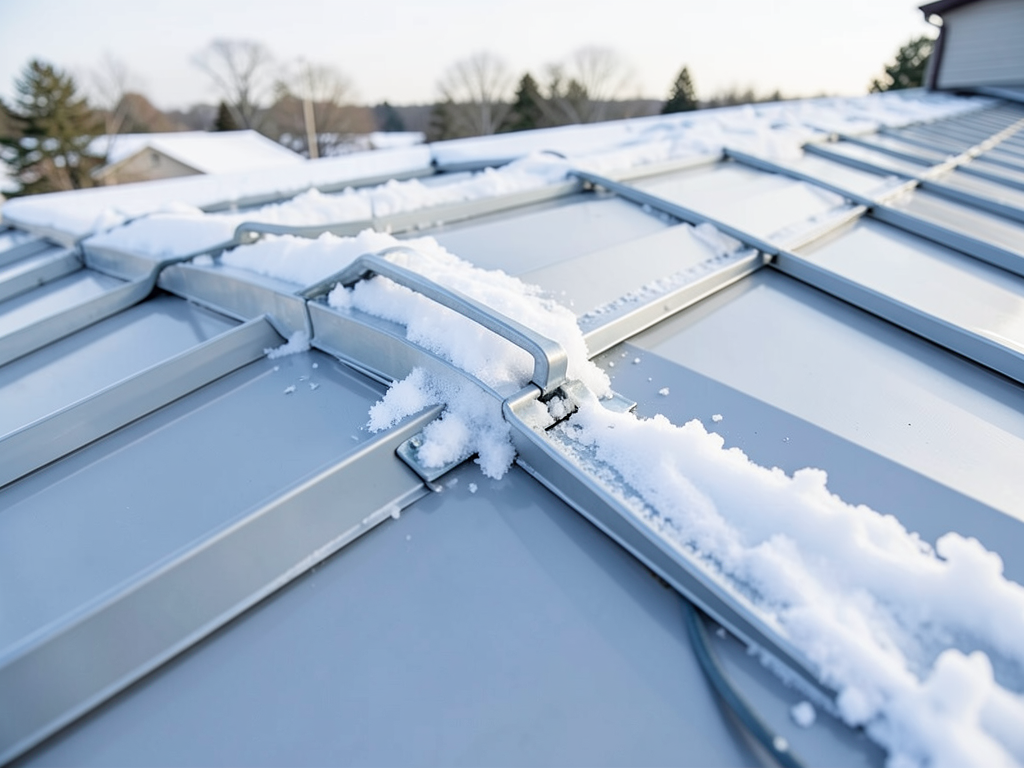
Why Your Eureka Metal Roof Needs Snow Guards Before the Next Big Freeze

Why Your Eureka Metal Roof Needs Snow Guards Before the Next Big Freeze When snow slides off a metal roof…

Connecting Your Gutters to Underground Drains to Prevent Basement Flooding in The Hill

Connecting Your Gutters to Underground Drains to Prevent Basement Flooding in The Hill Heavy rains in St. Louis overwhelm standard…

Contact Us

Call Pioneer Roofing St. Louis now at (314) 417-7774. We will dispatch a project manager to your facility within 24 hours for a comprehensive roof assessment. Get your detailed inspection report and restoration plan before water damage forces an expensive emergency shutdown.