
Connecting Your Gutters to Underground Drains to Prevent Basement Flooding in The Hill
Heavy rains in St. Louis overwhelm standard downspouts. Water pools near your foundation and seeps through basement walls. Homes in The Hill face unique challenges from the neighborhood’s clay-heavy soil that expands when wet. Connecting gutters to underground drains stops this cycle by moving water away from your home’s foundation before it causes damage. St. Louis County Building Regulations.
Why The Hill Homes Need Underground Drainage Systems
The Hill sits on expansive Missouri clay that holds water like a sponge. When downspouts dump rainwater within six feet of your foundation, that moisture saturates the soil. The clay swells against your basement walls creating hydrostatic pressure. Over time this pressure forces water through tiny cracks or porous concrete.
St. Louis averages 42 inches of rain annually. The Hill’s older homes often have undersized gutters that cannot handle sudden downpours. During a typical spring storm, a 1,500 square foot roof sheds over 900 gallons of water. Without proper drainage, that volume creates a miniature lake around your foundation. Fixing Wind and Storm Damage Before It Ruins Your St. Louis Home.
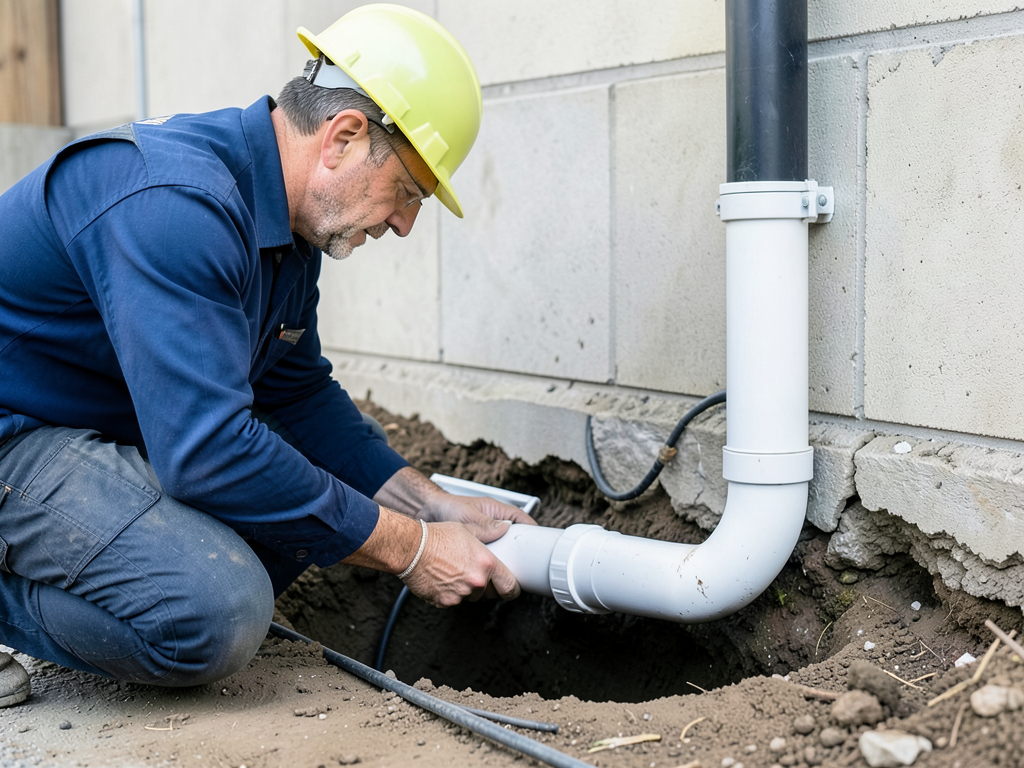
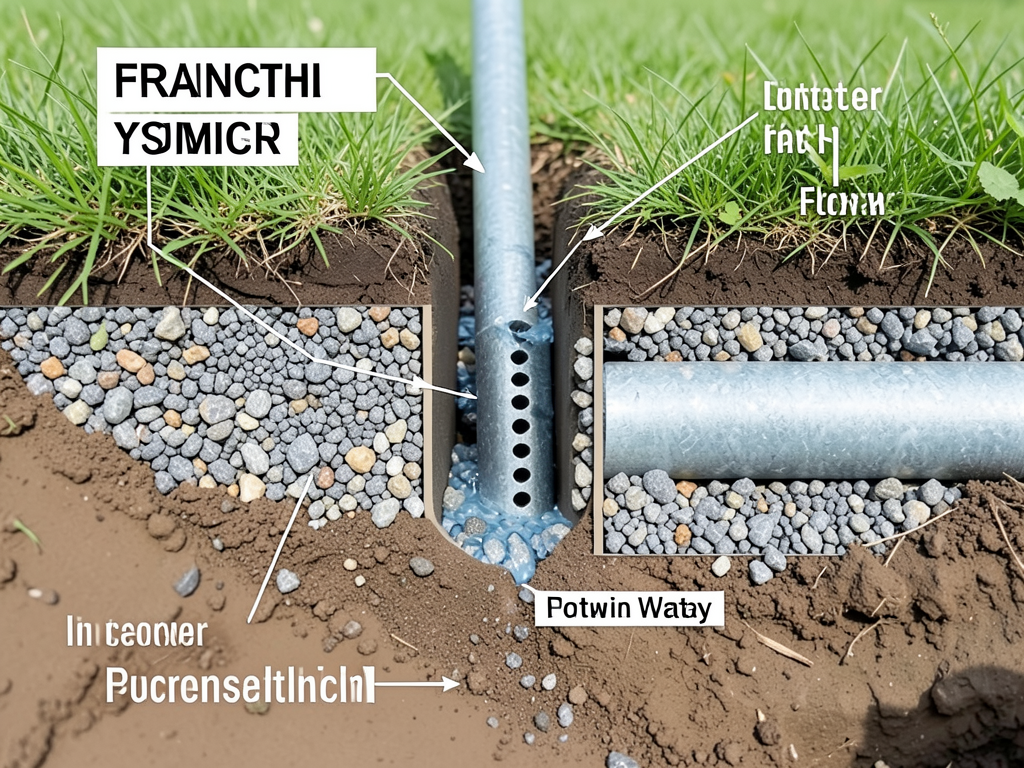
Diagram showing how underground drain pipes move water from downspouts to street or yard drainage areas away from foundation walls.
Common Drainage Failure Points in The Hill
Most basement flooding starts with gutter system failures. Downspouts that terminate above ground create erosion channels that direct water toward your home. Splash blocks under downspouts often wash away during heavy rains. Surface grading around older The Hill homes settles over decades creating negative slopes toward the foundation.
Clay soil’s low permeability means water cannot drain away quickly. A properly sized French drain system requires perforated pipe surrounded by gravel to create escape routes for groundwater. Without this, water accumulates in the soil and eventually finds its way inside.
Underground Drainage System Components
Effective systems use four main components working together. Downspout adapters connect vertical pipes to horizontal underground lines. Solid PVC pipes move water away from the house without leaking. Pop-up emitters discharge water at the surface when the pipe fills. Catch basins collect surface water from low spots in your yard.
PVC pipe outperforms corrugated alternatives in The Hill’s freeze-thaw cycles. PVC resists cracking when soil shifts and handles root intrusion better than flexible pipe. A typical residential system uses four-inch diameter pipe sloped at minimum 1/4 inch per foot.
St. Louis Building Code Requirements
St. Louis County requires downspouts to discharge at least five feet from foundation walls. The International Residential Code Section R903.4 mandates positive drainage away from all structures. For homes in The Hill’s historic district, additional approvals may be required for exterior modifications.
Underground drainage must comply with Metropolitan St. Louis Sewer District regulations. MSD prohibits direct connections to sanitary sewers for roof drainage. All systems must discharge to storm sewers, surface drainage, or approved infiltration areas.
Installation Process for Underground Drains
Professional installation follows specific steps to ensure long-term performance. Technicians first locate all underground utilities using MISS DIG811 services. They then excavate trenches following the planned drainage path. Slope measurements confirm proper fall away from the foundation.
Pipe installation requires careful bedding in gravel for stability. Connections use watertight fittings to prevent soil infiltration. Backfill with clean aggregate around pipes allows water to enter the system. Final grading restores the surface while maintaining drainage slope.
Technician using a laser level to verify proper slope on an underground drain installation in The Hill.
French Drain Systems for Saturated Soil
French drains solve problems where surface grading cannot create adequate slope. These systems use perforated pipes surrounded by gravel to collect subsurface water. Water enters through the pipe perforations and flows to a discharge point.
The Hill properties with basements benefit most from French drains installed along foundation footings. Water pressure against basement walls decreases when subsurface water has an escape route. A typical system extends ten feet from the foundation with six inches of gravel coverage over the pipe.
Sump Pump Discharge Integration
Homes with existing sump pumps need proper discharge routing. Direct discharge next to the foundation defeats the pump’s purpose. Underground discharge pipes move water well away from the house where it cannot recycle back through the soil.
Discharge lines should extend at least twenty feet from the foundation. Pop-up emitters prevent pipes from freezing in winter while allowing discharge during pump operation. Ice guard fittings prevent backflow when pipes freeze.
Cost Factors for Drainage Projects
Underground drainage costs depend on linear footage, soil conditions, and discharge requirements. Simple downspout extensions cost less than comprehensive French drain systems. The Hill’s mature landscaping may require careful removal and replacement of plants and hardscaping.
Permit fees for St. Louis County range from $50 to $200 depending on project scope. Historic district properties may require additional review adding two to four weeks to project timelines. Most residential systems complete in two to three days.
Maintenance Requirements
Underground systems need minimal maintenance when properly installed. Annual inspections check for sediment buildup at discharge points. Gutter cleaning prevents debris from entering the drainage system. Vegetation roots can infiltrate pipes over decades requiring occasional cleaning.
Signs of system failure include water pooling near foundation walls, soggy areas in yards, or basement moisture after rains. Catch basins with removable grates allow easy cleaning of accumulated debris. Pop-up emitters should move freely and not stick in the closed position.
Before and after photos showing water damage around a foundation before drainage installation and dry conditions afterward. Hail Damage Assessment.
Benefits Beyond Flood Prevention
Proper drainage protects more than just your basement. Foundation movement from soil expansion and contraction causes structural damage over time. Water erosion washes away landscaping and creates trip hazards. Moisture attracts termites and other pests that damage wood structures.
Energy efficiency improves when basements stay dry. Wet insulation loses R-value and forces HVAC systems to work harder. Mold growth in damp basements creates health hazards and expensive remediation needs. Good drainage preserves your home’s value and prevents costly repairs. EPA Stormwater Management Guidelines.
Choosing a Qualified Contractor
Drainage work requires specific expertise beyond basic landscaping. Contractors should understand St. Louis soil conditions and building codes. Proper excavation techniques prevent utility damage. Quality materials and installation methods ensure systems function for decades. High Quality Roof Replacements for Creve Coeur Properties.
Ask contractors about their experience with The Hill’s specific challenges. Request references from similar projects. Verify licensing and insurance coverage. Professional contractors provide detailed proposals with materials specifications and project timelines.
Seasonal Timing Considerations
Spring installation catches problems before summer storms. Fall work addresses issues before winter freeze-thaw cycles cause soil movement. Winter installations possible in mild weather but frozen ground increases excavation difficulty and costs.
The Hill’s clay soil moisture content affects excavation. Dry soil breaks apart easily but may not show true drainage patterns. Wet soil sticks to equipment and creates muddy conditions. Moderate moisture levels provide ideal working conditions for most drainage projects.
Frequently Asked Questions
How deep should underground drain pipes be installed?
Residential drain pipes typically install 12 to 18 inches deep. This depth protects pipes from surface damage while allowing proper drainage slope. Deeper installation may be necessary where driveways or other structures cross the drainage path.
Can I connect my underground drains to the city storm sewer?
MSD regulations generally prohibit direct connections to storm sewers for residential properties. Most systems discharge to surface drainage, dry wells, or approved infiltration areas. Check local regulations before planning connections to public systems.
How long do underground drainage systems last?
Quality PVC systems last 30 to 50 years with minimal maintenance. Corrugated pipe systems typically last 15 to 20 years. System longevity depends on installation quality, soil conditions, and maintenance practices.
Will underground drains freeze in winter?
Properly sloped pipes with pop-up emitters rarely freeze. Water flows through pipes before freezing temperatures can penetrate deep into the ground. Buried pipes benefit from soil insulation that maintains temperatures above freezing even during cold snaps.
Take Action Before the Next Storm
Water damage repairs cost thousands while drainage prevention costs much less. The Hill’s spring storm season approaches quickly. Don’t wait until water appears in your basement to address drainage problems. Who to Call for 24 Hour Roof Repairs Anywhere in St. Louis.
Call (314) 417-7774 today to schedule your drainage assessment. Our team evaluates your specific property conditions and recommends solutions that protect your home. We serve The Hill and surrounding St. Louis neighborhoods with proven drainage systems that work in our unique climate and soil conditions.
Don’t let another storm put your basement at risk. Pick up the phone and call (314) 417-7774 before water finds its way inside your home. Our estimates are free and our work comes with warranties you can trust.
{
“@context”: “https://schema.org”,
“@type”: “BlogPosting”,
“headline”: “Connecting Your Gutters to Underground Drains to Prevent Basement Flooding in The Hill”,
“description”: “Stop basement flooding in The Hill with proper gutter-to-drain connections. Learn how St. Louis clay soil and storm patterns make underground drainage essential.”,
“wordCount”: 1465,
“datePublished”: “2026-06-10T13:29:00.000Z”,
“dateModified”: “2026-06-10T13:29:00.000Z”,
“inLanguage”: “en-US”,
“mainEntityOfPage”: {
“@type”: “WebPage”,
“@id”: “https://pioneerroofingstlouis.com”
},
“publisher”: {
“@type”: “LocalBusiness”,
“name”: “Pioneer Roofing St. Louis”,
“url”: “https://pioneerroofingstlouis.com”
},
“author”: {
“@type”: “Organization”,
“name”: “Pioneer Roofing St. Louis”,
“url”: “https://pioneerroofingstlouis.com”
},
“image”: {
“@type”: “ImageObject”,
“url”: “https://pioneerroofingstlouis.com/wp-content/uploads/2026/03/connecting-your-gutters-to-underground-drains-to-p-1.png”
}
}
{
“@context”: “https://schema.org”,
“@type”: “RoofingContractor”,
“name”: “Pioneer Roofing St. Louis”,
“url”: “https://pioneerroofingstlouis.com”,
“address”: {
“@type”: “PostalAddress”,
“addressLocality”: “St. Louis”
},
“areaServed”: {
“@type”: “City”,
“name”: “St. Louis”
}
}
{
“@context”: “https://schema.org”,
“@type”: “FAQPage”,
“mainEntity”: [
{
“@type”: “Question”,
“name”: “How deep should underground drain pipes be installed?”,
“acceptedAnswer”: {
“@type”: “Answer”,
“text”: “Residential drain pipes typically install 12 to 18 inches deep. This depth protects pipes from surface damage while allowing proper drainage slope. Deeper installation may be necessary where driveways or other structures cross the drainage path.”
}
},
{
“@type”: “Question”,
“name”: “Can I connect my underground drains to the city storm sewer?”,
“acceptedAnswer”: {
“@type”: “Answer”,
“text”: “MSD regulations generally prohibit direct connections to storm sewers for residential properties. Most systems discharge to surface drainage, dry wells, or approved infiltration areas. Check local regulations before planning connections to public systems.”
}
},
{
“@type”: “Question”,
“name”: “How long do underground drainage systems last?”,
“acceptedAnswer”: {
“@type”: “Answer”,
“text”: “Quality PVC systems last 30 to 50 years with minimal maintenance. Corrugated pipe systems typically last 15 to 20 years. System longevity depends on installation quality, soil conditions, and maintenance practices.”
}
},
{
“@type”: “Question”,
“name”: “Will underground drains freeze in winter?”,
“acceptedAnswer”: {
“@type”: “Answer”,
“text”: “Properly sloped pipes with pop-up emitters rarely freeze. Water flows through pipes before freezing temperatures can penetrate deep into the ground. Buried pipes benefit from soil insulation that maintains temperatures above freezing even during cold snaps.”
}
}
]
}
{
“@context”: “https://schema.org”,
“@type”: “BreadcrumbList”,
“itemListElement”: [
{
“@type”: “ListItem”,
“position”: 1,
“name”: “Home”,
“item”: “https://pioneerroofingstlouis.com”
},
{
“@type”: “ListItem”,
“position”: 2,
“name”: “Blog”,
“item”: “https://pioneerroofingstlouis.com/blog”
},
{
“@type”: “ListItem”,
“position”: 3,
“name”: “Connecting Your Gutters to Underground Drains to Prevent Basement Flooding in The Hill”
}
]
}
{
“@context”: “https://schema.org”,
“@type”: “Service”,
“serviceType”: “Roofing”,
“provider”: {
“@type”: “LocalBusiness”,
“name”: “Pioneer Roofing St. Louis”,
“url”: “https://pioneerroofingstlouis.com”
},
“areaServed”: {
“@type”: “City”,
“name”: “St. Louis”
},
“description”: “Stop basement flooding in The Hill with proper gutter-to-drain connections. Learn how St. Louis clay soil and storm patterns make underground drainage essential.”
}