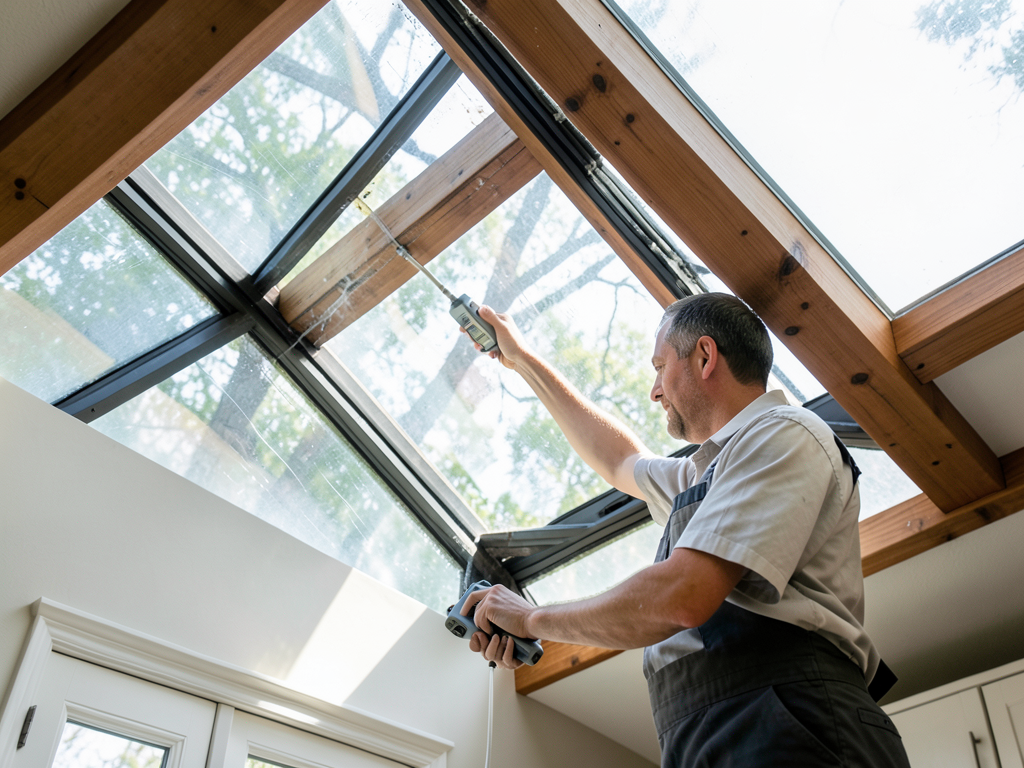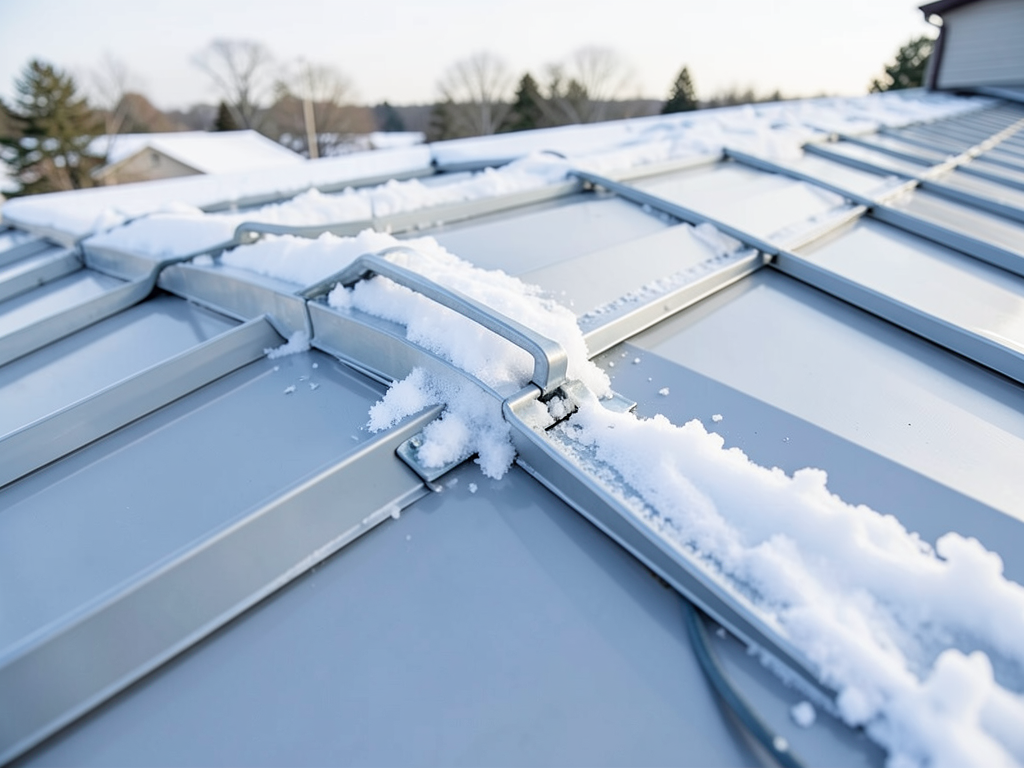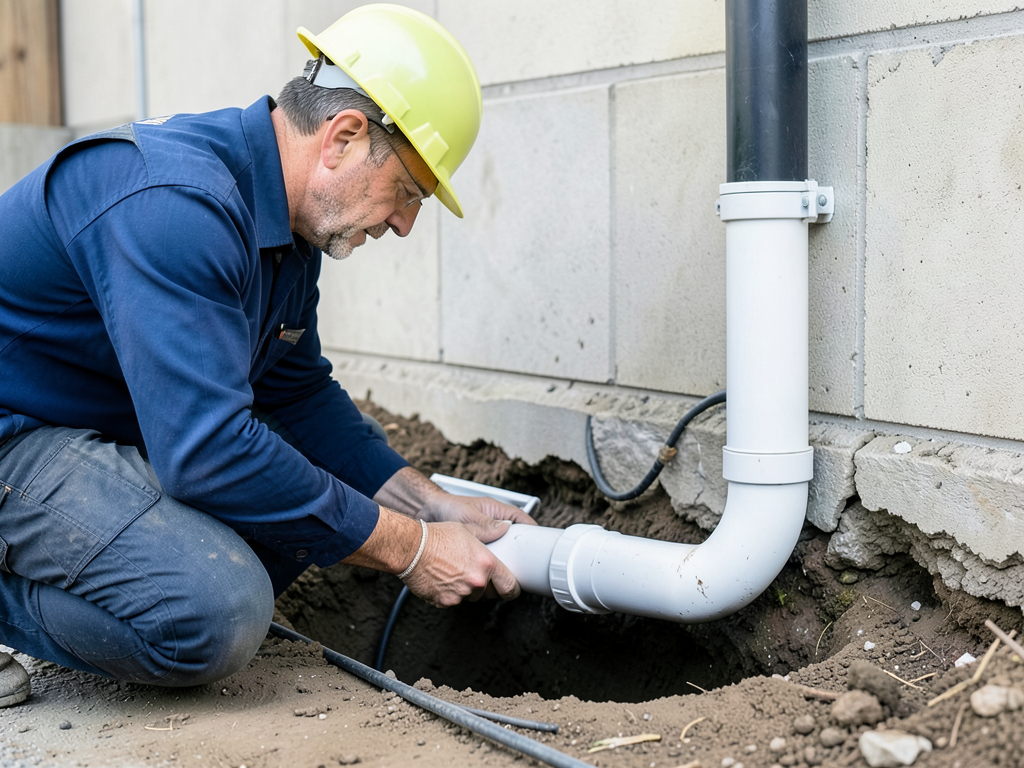


St. Louis sits at the boundary between humid subtropical and humid continental climate zones. Winter temperatures swing from 15 degrees at night to 45 degrees by afternoon. Water trapped in membrane seams freezes, expands, and reopens the seam when it thaws. This happens 40 to 50 times each winter. By the time your roof is five years old, those cycles have stressed every connection point, flashing detail, and penetration boot. Commercial roof survey reports catch this cumulative damage before it becomes a leak. Buildings in University City, Maplewood, and Webster Groves with north-facing roof sections show accelerated deterioration because those surfaces stay frozen longer and experience more extreme temperature swings. You need documentation that accounts for microclimate effects and exposure-specific aging rates.
Pioneer Roofing St. Louis has been inspecting commercial roofs in the metro area since the business community along the I-64 corridor began expanding in the early 2000s. We have baseline data on how specific membrane types perform under local conditions. We know which manufacturers' products hold up to St. Louis weather and which ones fail prematurely. Our commercial roof evaluation reports reference local performance history, not generic service-life tables from product literature. That local knowledge matters when you are deciding whether to repair or replace. We also maintain working relationships with commercial insurance adjusters, lenders, and engineering firms operating in St. Louis, which means our reports carry credibility when you need third-party validation for budgeting or claims purposes.