
Why Your Eureka Metal Roof Needs Snow Guards Before the Next Big Freeze
When snow slides off a metal roof in Eureka, it doesn’t just melt gently. It crashes down like a small avalanche, endangering gutters, landscaping, and anyone below. The smooth surface of standing seam metal roofing creates a dangerous low-friction zone where snow and ice build up, then release all at once when temperatures fluctuate. In Eureka’s hilly terrain, where homes sit close to walkways and driveways, this isn’t just a nuisance—it’s a safety hazard that needs immediate attention. Reliable Roofing Services for Your Affton Home or Rental Property.
St. Louis winters bring frequent freeze-thaw cycles that cause snow to melt slightly, refreeze, and then slide off in heavy sheets. Your metal roof accelerates this process because Kynar-coated panels shed snow faster than asphalt shingles. Without snow retention systems, you risk property damage, personal injury, and costly repairs to gutters and landscaping. The solution isn’t optional—it’s essential protection for your Eureka home. Who to Call for 24 Hour Roof Repairs Anywhere in St. Louis.
The Danger of ‘Roof Avalanches’ in St. Louis
Metal roofs in Eureka create a unique hazard during Missouri winters. The low-friction surface allows snow to slide off in large, heavy sheets rather than melting gradually. This phenomenon, often called a ‘roof avalanche,’ can send hundreds of pounds of snow crashing onto whatever’s below—patio furniture, HVAC units, or worse, family members walking to the car. Missouri Department of Transportation.
St. Louis’s climate creates the perfect conditions for these events. Our area experiences 15-20 freeze-thaw cycles each winter, according to the National Weather Service. During these cycles, daytime temperatures above freezing cause partial melting, while nighttime temperatures drop below freezing, creating ice layers that make the next day’s snow release even more dramatic. The Missouri Department of Transportation reports that Eureka receives an average of 18 inches of snow annually, with significant ice accumulation during winter storms. National Weather Service St. Louis.
The physics are simple but dangerous. Standing seam metal roofs have a coefficient of friction as low as 0.15, compared to 0.40 for asphalt shingles. This means snow slides at nearly three times the speed and with much greater force. A 12-inch snowfall on a 2,000-square-foot roof can weigh over 12,000 pounds. When that releases suddenly, the kinetic energy is substantial enough to crush gutters, damage siding, and create safety hazards for anyone below.
Local building codes in St. Louis County now recommend snow retention systems for metal roofs with slopes greater than 4:12 pitch, particularly in areas where pedestrian traffic is common. The International Residential Code (IRC) Section R301.2.3 specifically addresses snow load requirements, and while it doesn’t mandate snow guards, it recognizes the hazard of sliding snow on low-friction surfaces.
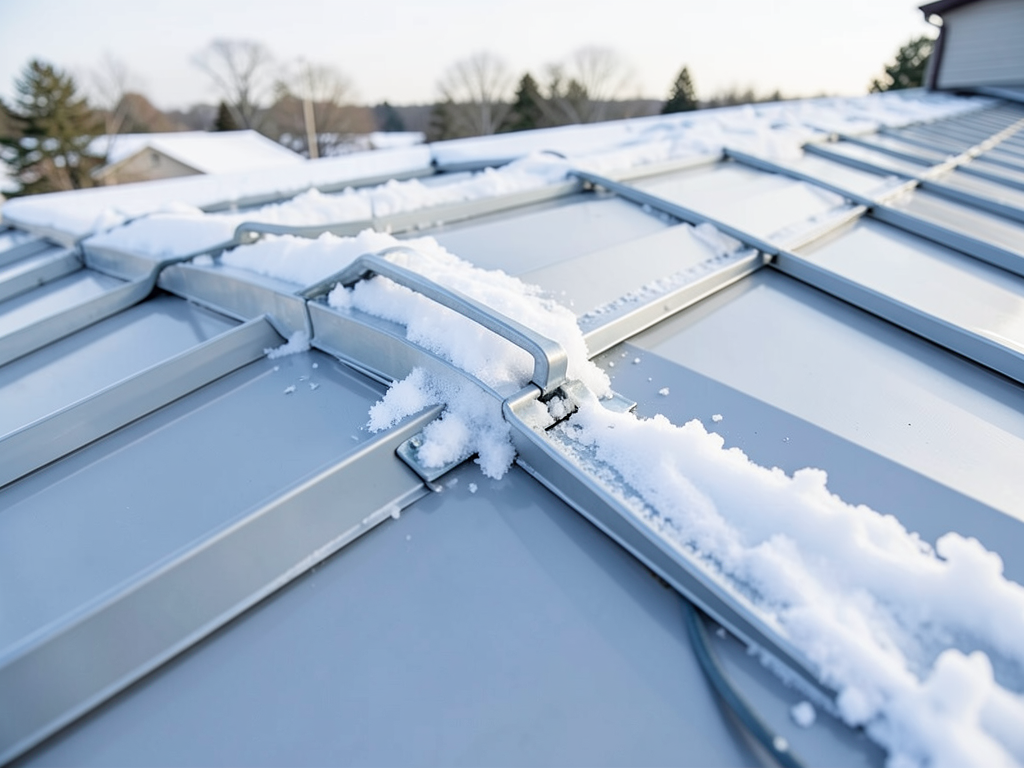
Diagram showing snow accumulation patterns on metal vs. asphalt roofs during freeze-thaw cycles
Types of Snow Guard Systems for Metal Roofs
Not all snow guards work effectively on metal roofing. The smooth, hard surface requires specialized attachment methods that won’t compromise the roof’s waterproofing. Understanding the differences between snow guard types helps you choose the right system for your Eureka home.
Pad-style snow guards are the most common option for metal roofs. These individual brackets attach to the roof surface and create friction points that hold snow in place. For standing seam metal roofs, non-penetrating clamps like the S-5! system are ideal because they grip the seam without drilling holes. These clamps use a two-piece design that tightens around the seam, creating a secure hold without violating the roof warranty.
Pipe-style or fence systems provide more comprehensive snow retention. These consist of horizontal pipes mounted across the roof surface, creating a barrier that prevents snow from sliding. Fence systems work particularly well on steeper pitches where individual pad guards might not provide enough retention. The pipes are typically mounted using the same non-penetrating clamps, ensuring the roof’s integrity remains intact.
Polycarbonate snow guards offer a clear, low-profile option that blends with most roof colors. These guards are UV-resistant and can withstand extreme temperature variations. Metal snow guards, typically made from aluminum or stainless steel, provide maximum durability and can be powder-coated to match your roof’s finish. The choice between materials often depends on your roof’s color and your aesthetic preferences.
For Eureka’s climate, we recommend systems rated for at least 50 pounds per square foot of snow load. The Missouri building code requires residential roofs to withstand 20 pounds per square foot, but snow guards need additional capacity to handle the concentrated force when snow releases. Pipe-style systems generally offer the highest capacity, while high-quality pad systems can handle most residential applications when properly installed. High Quality Roof Replacements for Creve Coeur Properties.
Why Metal Roofs Need Specialized Retention
Standard snow guards designed for asphalt shingles won’t work on metal roofing. The fundamental difference lies in how these materials interact with snow and ice. Metal’s smooth surface creates a thermodynamic effect where snow melts from the bottom up due to heat transfer from the building’s interior, then slides off when a thin water layer forms.
Kynar-coated metal panels, common in residential applications, have an exceptionally low coefficient of friction. This fluoropolymer finish not only provides excellent color retention but also creates a surface where snow struggles to grip. The result is that snow builds up during storms, then releases in large sections when temperatures rise above freezing. This is exactly what you want to prevent with snow guards. Fixing Wind and Storm Damage Before It Ruins Your St. Louis Home.
The thermal properties of metal also contribute to the problem. Metal conducts heat much more efficiently than asphalt, meaning the roof deck stays closer to the building’s interior temperature. This can create melt-freeze cycles even when outdoor temperatures remain below freezing. The ice that forms during these cycles adds weight and creates even more dangerous sliding conditions when it finally releases.
Standing seam metal roofs present additional challenges because their raised seams create channels where snow can accumulate. When this snow releases, it often does so in long, narrow sections that can be particularly dangerous because they concentrate the force in a smaller area. The seams also make installation more complex, requiring specialized brackets that grip the seam without penetrating the panel.
Another factor is the roof’s pitch. Metal roofs are often installed on steeper pitches than asphalt roofs because the material’s strength allows for longer spans. Steeper pitches increase the velocity of sliding snow, making retention even more critical. A 12:12 pitch roof will send snow sliding at significantly higher speeds than a 4:12 pitch, multiplying the force of impact when it reaches the ground.
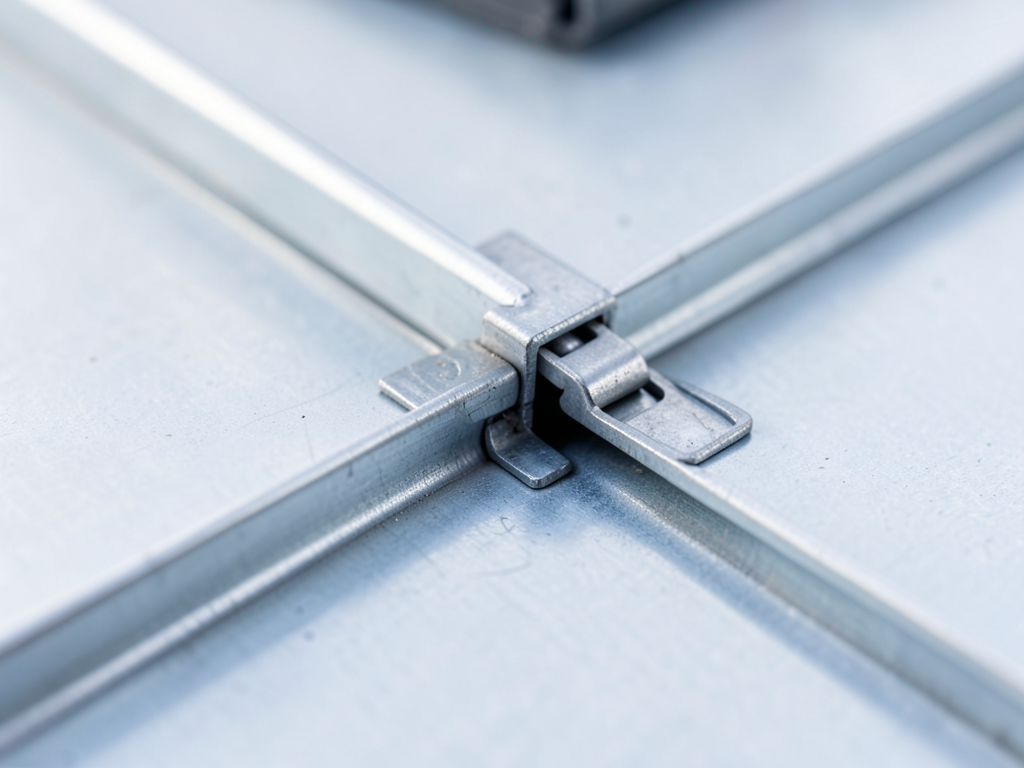
Close-up of S-5! non-penetrating clamps securing snow guards to standing seam metal roofing
Our Installation Process & Local Standards
Professional installation of snow guards on metal roofs requires specific expertise and tools. The process begins with a comprehensive roof assessment to determine the optimal placement pattern. We evaluate your roof’s pitch, the location of walkways and entrances, and the typical snow accumulation patterns on your specific home.
The installation process starts with marking the precise locations for each snow guard based on engineering calculations. For most residential roofs, guards should be spaced 24-30 inches apart horizontally and staggered in a brick-like pattern vertically. This creates a grid that effectively holds back snow while maintaining the roof’s aesthetic appeal. The exact spacing depends on your roof’s pitch and the snow guard system’s load rating.
Non-penetrating clamps are the preferred attachment method for standing seam metal roofs. These clamps use a setscrew mechanism that tightens onto the seam without drilling through the panel. The installation requires specific torque specifications—typically 1/4 to 1/2 turn past initial contact—to ensure proper grip without damaging the seam. We use calibrated torque wrenches to achieve consistent, reliable installation every time.
For screw-down metal roofs, the installation process differs slightly. In these cases, we may need to penetrate the panel, but we use sealing washers and proper sealants to maintain waterproofing. The key is understanding your roof’s warranty requirements, as some manufacturers void warranties if snow guards are installed improperly. We’re familiar with all major metal roofing brands and their specific installation requirements.
The Missouri building code requires that any modifications to roofing systems maintain the original wind uplift ratings. This means our snow guard installations are engineered to withstand the same wind loads as your roof. In Eureka’s location, this typically means designing for winds up to 90-100 mph, accounting for the area’s occasional severe weather events.
Timing is critical for snow guard installation. The best time is late summer or early fall, before winter weather arrives. This allows us to work under optimal conditions and ensures your system is in place before the first snowfall. However, we can install snow guards year-round as long as the roof surface isn’t covered in snow or ice.
Frequently Asked Questions
Will snow guards damage my metal roof?
When installed correctly using non-penetrating clamps, snow guards won’t damage your metal roof. Our installation process preserves your roof’s waterproofing and maintains manufacturer warranties. We use specialized brackets designed specifically for standing seam metal roofing that grip the seam without drilling holes.
How much do snow guards cost in St. Louis?
The cost varies based on your roof’s size, pitch, and the type of snow guard system chosen. Most Eureka homeowners invest between $1,500 and $3,500 for a complete snow guard installation. This investment is minimal compared to potential costs from property damage or injuries from falling snow. Why Ladue Homeowners Trust These Specialized Roofing Contractors.
Can snow guards be added to an existing metal roof?
Yes, snow guards can be retrofitted to existing metal roofs. The process is slightly more complex than installation during initial construction, but our experienced team can add snow guards to any standing seam or screw-down metal roof without compromising its integrity.
Do snow guards require maintenance?
Snow guards require minimal maintenance. We recommend an annual inspection to check clamp tightness and look for any signs of wear. After severe storms, it’s wise to check that guards remain properly aligned. Most quality snow guard systems last 15-20 years with proper installation.
Will snow guards affect my roof’s warranty?
Professional installation using manufacturer-approved methods won’t void your roof warranty. We’re familiar with all major metal roofing brands and their specific requirements. In fact, some manufacturers recommend snow guards for certain climates and may even require them to maintain warranty coverage.
Before and after installation showing snow guards on a Eureka home’s standing seam metal roof
Protect Your Eureka Home Before Winter Hits
The time to install snow guards is before the first major snowfall, not after you’ve experienced the danger of a roof avalanche. In Eureka, where homes often sit on hillsides with walkways directly below roof edges, the risk is particularly acute. The combination of metal roofing’s smooth surface and St. Louis’s freeze-thaw cycles creates a perfect storm for dangerous snow slides.
Professional installation ensures your snow guards are properly engineered for your specific roof configuration and local weather conditions. We consider factors like roof pitch, typical snow loads, and the location of high-traffic areas to create a customized snow retention plan. Our team understands the unique challenges of Eureka’s terrain and St. Louis’s winter weather patterns.
Don’t wait until you see snow sliding off your roof or hear the crash of ice hitting your patio. The cost of snow guard installation is minimal compared to potential property damage, personal injury liability, or emergency repairs after a snow-related incident. Plus, snow guards can actually extend your roof’s lifespan by preventing the stress of sudden snow releases.
Call (314) 417-7774 today to schedule your free snow guard consultation. Our team will assess your Eureka home’s specific needs and provide a detailed quote for professional installation. We serve all of St. Louis County, including the Eureka area, with fast, reliable service that protects your home and family from winter’s hidden dangers.
Pick up the phone and call (314) 417-7774 before the next storm hits. Winter in St. Louis is unpredictable, and once snow starts falling, our schedule fills quickly. Don’t let your metal roof become a safety hazard—take action now to protect your property and loved ones.
- Roof Assessment
Evaluate roof pitch, snow load patterns, and high-traffic areas to determine optimal guard placement.
- Guard Selection
Choose between pad-style, pipe-style, or fence systems based on roof configuration and local building codes.
- Clamp Installation
Attach non-penetrating clamps using calibrated torque wrenches to ensure proper grip without damaging seams.
- Guard Mounting
Secure snow guards to clamps following manufacturer specifications and engineering calculations for load distribution.
- Final Inspection
Verify all components are properly installed and the system meets local building code requirements.
Information based on St. Louis County building standards and National Weather Service data for the greater St. Louis metropolitan area.
{
“@context”: “https://schema.org”,
“@type”: “BlogPosting”,
“headline”: “Why Your Eureka Metal Roof Needs Snow Guards Before the Next Big Freeze”,
“description”: “Prevent dangerous snow slides from your Eureka metal roof this winter. Learn about snow guard systems, local installation standards, and safety for your home and property.”,
“wordCount”: 2140,
“datePublished”: “2026-06-11T11:56:00.000Z”,
“dateModified”: “2026-06-11T11:56:00.000Z”,
“inLanguage”: “en-US”,
“mainEntityOfPage”: {
“@type”: “WebPage”,
“@id”: “https://pioneerroofingstlouis.com”
},
“publisher”: {
“@type”: “LocalBusiness”,
“name”: “Pioneer Roofing St. Louis”,
“url”: “https://pioneerroofingstlouis.com”
},
“author”: {
“@type”: “Organization”,
“name”: “Pioneer Roofing St. Louis”,
“url”: “https://pioneerroofingstlouis.com”
},
“image”: {
“@type”: “ImageObject”,
“url”: “https://pioneerroofingstlouis.com/wp-content/uploads/2026/03/why-your-eureka-metal-roof-needs-snow-guards-befor-1.png”
}
}
{
“@context”: “https://schema.org”,
“@type”: “RoofingContractor”,
“name”: “Pioneer Roofing St. Louis”,
“url”: “https://pioneerroofingstlouis.com”,
“address”: {
“@type”: “PostalAddress”,
“addressLocality”: “St. Louis”
},
“areaServed”: {
“@type”: “City”,
“name”: “St. Louis”
}
}
{
“@context”: “https://schema.org”,
“@type”: “FAQPage”,
“mainEntity”: [
{
“@type”: “Question”,
“name”: “Will snow guards damage my metal roof?”,
“acceptedAnswer”: {
“@type”: “Answer”,
“text”: “When installed correctly using non-penetrating clamps, snow guards won’t damage your metal roof. Our installation process preserves your roof’s waterproofing and maintains manufacturer warranties. We use specialized brackets designed specifically for standing seam metal roofing that grip the seam without drilling holes.”
}
},
{
“@type”: “Question”,
“name”: “How much do snow guards cost in St. Louis?”,
“acceptedAnswer”: {
“@type”: “Answer”,
“text”: “The cost varies based on your roof’s size, pitch, and the type of snow guard system chosen. Most Eureka homeowners invest between $1,500 and $3,500 for a complete snow guard installation. This investment is minimal compared to potential costs from property damage or injuries from falling snow. Why Ladue Homeowners Trust These Specialized Roofing Contractors.”
}
},
{
“@type”: “Question”,
“name”: “Can snow guards be added to an existing metal roof?”,
“acceptedAnswer”: {
“@type”: “Answer”,
“text”: “Yes, snow guards can be retrofitted to existing metal roofs. The process is slightly more complex than installation during initial construction, but our experienced team can add snow guards to any standing seam or screw-down metal roof without compromising its integrity.”
}
},
{
“@type”: “Question”,
“name”: “Do snow guards require maintenance?”,
“acceptedAnswer”: {
“@type”: “Answer”,
“text”: “Snow guards require minimal maintenance. We recommend an annual inspection to check clamp tightness and look for any signs of wear. After severe storms, it’s wise to check that guards remain properly aligned. Most quality snow guard systems last 15-20 years with proper installation.”
}
},
{
“@type”: “Question”,
“name”: “Will snow guards affect my roof’s warranty?”,
“acceptedAnswer”: {
“@type”: “Answer”,
“text”: “Professional installation using manufacturer-approved methods won’t void your roof warranty. We’re familiar with all major metal roofing brands and their specific requirements. In fact, some manufacturers recommend snow guards for certain climates and may even require them to maintain warranty coverage.”
}
}
]
}
{
“@context”: “https://schema.org”,
“@type”: “HowTo”,
“name”: “How to Install Snow Guards on Metal Roofs”,
“step”: [
{
“@type”: “HowToStep”,
“position”: 1,
“name”: “Roof Assessment”,
“text”: “Evaluate roof pitch, snow load patterns, and high-traffic areas to determine optimal guard placement.”
},
{
“@type”: “HowToStep”,
“position”: 2,
“name”: “Guard Selection”,
“text”: “Choose between pad-style, pipe-style, or fence systems based on roof configuration and local building codes.”
},
{
“@type”: “HowToStep”,
“position”: 3,
“name”: “Clamp Installation”,
“text”: “Attach non-penetrating clamps using calibrated torque wrenches to ensure proper grip without damaging seams.”
},
{
“@type”: “HowToStep”,
“position”: 4,
“name”: “Guard Mounting”,
“text”: “Secure snow guards to clamps following manufacturer specifications and engineering calculations for load distribution.”
},
{
“@type”: “HowToStep”,
“position”: 5,
“name”: “Final Inspection”,
“text”: “Verify all components are properly installed and the system meets local building code requirements.”
}
],
“image”: “https://pioneerroofingstlouis.com/wp-content/uploads/2026/03/why-your-eureka-metal-roof-needs-snow-guards-befor-1.png”
}
{
“@context”: “https://schema.org”,
“@type”: “BreadcrumbList”,
“itemListElement”: [
{
“@type”: “ListItem”,
“position”: 1,
“name”: “Home”,
“item”: “https://pioneerroofingstlouis.com”
},
{
“@type”: “ListItem”,
“position”: 2,
“name”: “Blog”,
“item”: “https://pioneerroofingstlouis.com/blog”
},
{
“@type”: “ListItem”,
“position”: 3,
“name”: “Why Your Eureka Metal Roof Needs Snow Guards Before the Next Big Freeze”
}
]
}
{
“@context”: “https://schema.org”,
“@type”: “Service”,
“serviceType”: “Roofing”,
“provider”: {
“@type”: “LocalBusiness”,
“name”: “Pioneer Roofing St. Louis”,
“url”: “https://pioneerroofingstlouis.com”
},
“areaServed”: {
“@type”: “City”,
“name”: “St. Louis”
},
“description”: “Prevent dangerous snow slides from your Eureka metal roof this winter. Learn about snow guard systems, local installation standards, and safety for your home and property.”
}