menu

PVC Roof Installation in St. Louis – Minimize Business Downtime with Industrial-Grade Membrane Systems

Pioneer Roofing St. Louis delivers commercial PVC roofing installation designed for flat and low-slope structures across the metro, engineered to withstand St. Louis's freeze-thaw cycles and summer heat without interrupting operations.

Slider Image 1
Slider Image 2
Slider Image 3
Slider Image 4
Slider Image 5
Slider Image 7
Slider Image 8
Slider Image 9
Slider Image 10
Slider Image 11

Why St. Louis Commercial Buildings Require Heat-Welded PVC Membrane Systems

St. Louis's continental climate creates a hostile environment for flat commercial roofs. Winter temperatures drop below freezing, then spike above 90 degrees by June. This constant expansion and contraction cracks asphalt systems and splits seams on outdated membrane roofs. Add in the humidity that rolls off the Mississippi River, and you get ponding water that accelerates deterioration on any roof without proper drainage.

Most commercial buildings in the metro area feature low-slope or flat roofs. These structures house warehouses in Earth City, office complexes in Clayton, and industrial facilities near the riverfront. When a roof fails, business stops. Inventory gets damaged. Tenants complain. Insurance premiums climb.

Polyvinyl chloride roof installation solves this problem through heat-welded seams that create a monolithic barrier. Unlike glued or mechanically fastened systems, PVC membrane installation uses hot air welding to fuse seams at the molecular level. This eliminates the weak points where water infiltrates traditional systems. The material itself resists UV degradation, chemical exposure from HVAC exhaust, and punctures from rooftop equipment. A properly installed PVC roofing system installation delivers watertight protection for 20 to 30 years without constant repairs that drain maintenance budgets. For St. Louis commercial properties, this durability translates directly to uninterrupted operations and predictable capital planning.

Why St. Louis Commercial Buildings Require Heat-Welded PVC Membrane Systems
How Pioneer Roofing St. Louis Executes Commercial PVC Roofing Installation

How Pioneer Roofing St. Louis Executes Commercial PVC Roofing Installation

We begin with infrared moisture scanning to map trapped water in the existing roof deck. St. Louis's humidity means water intrusion often goes undetected until the decking rots. Thermal imaging identifies these pockets before we tear off the old membrane. This prevents installing a new PVC flat roof installation over compromised substrate that will fail within months.

Next, we evaluate the roof deck and insulation layers. Commercial roofs in St. Louis often sit on corrugated metal decking or concrete slabs. Both require different attachment methods. We use mechanically fastened systems for high-wind zones near the riverfront and fully adhered systems for buildings with strict noise restrictions. The insulation layer gets upgraded to polyisocyanurate boards that meet current energy codes while providing a smooth base for the membrane.

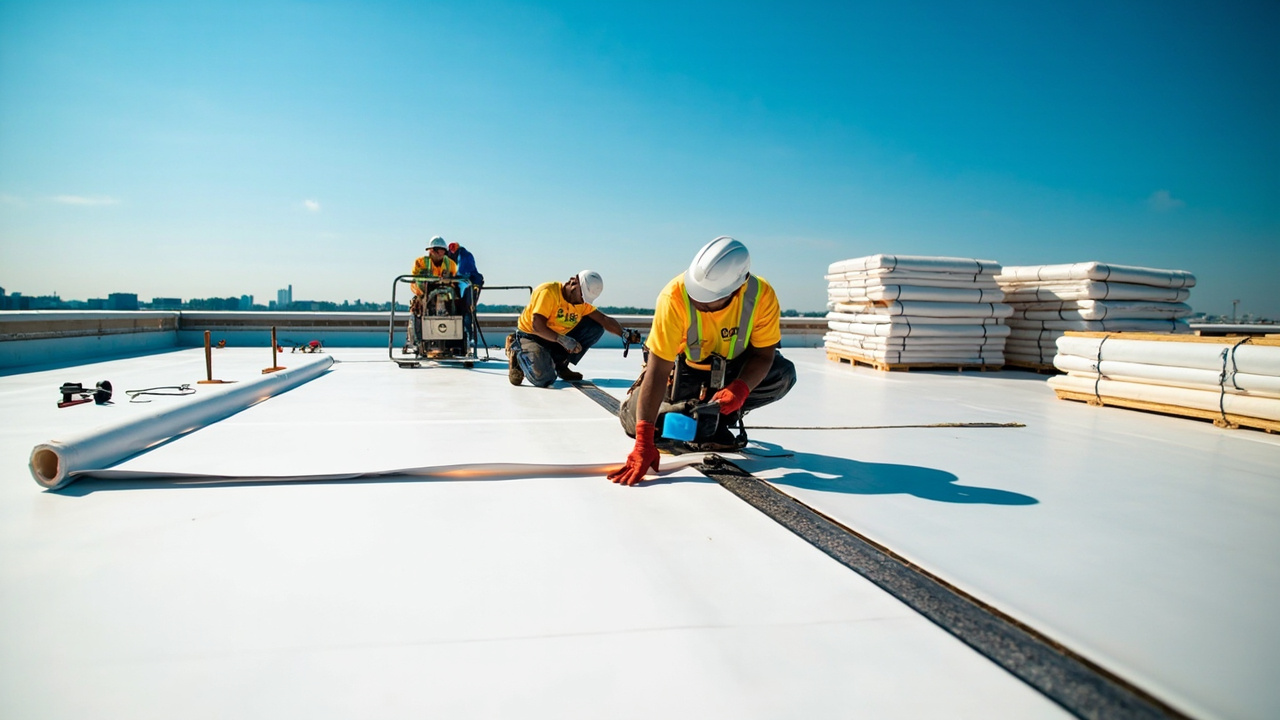
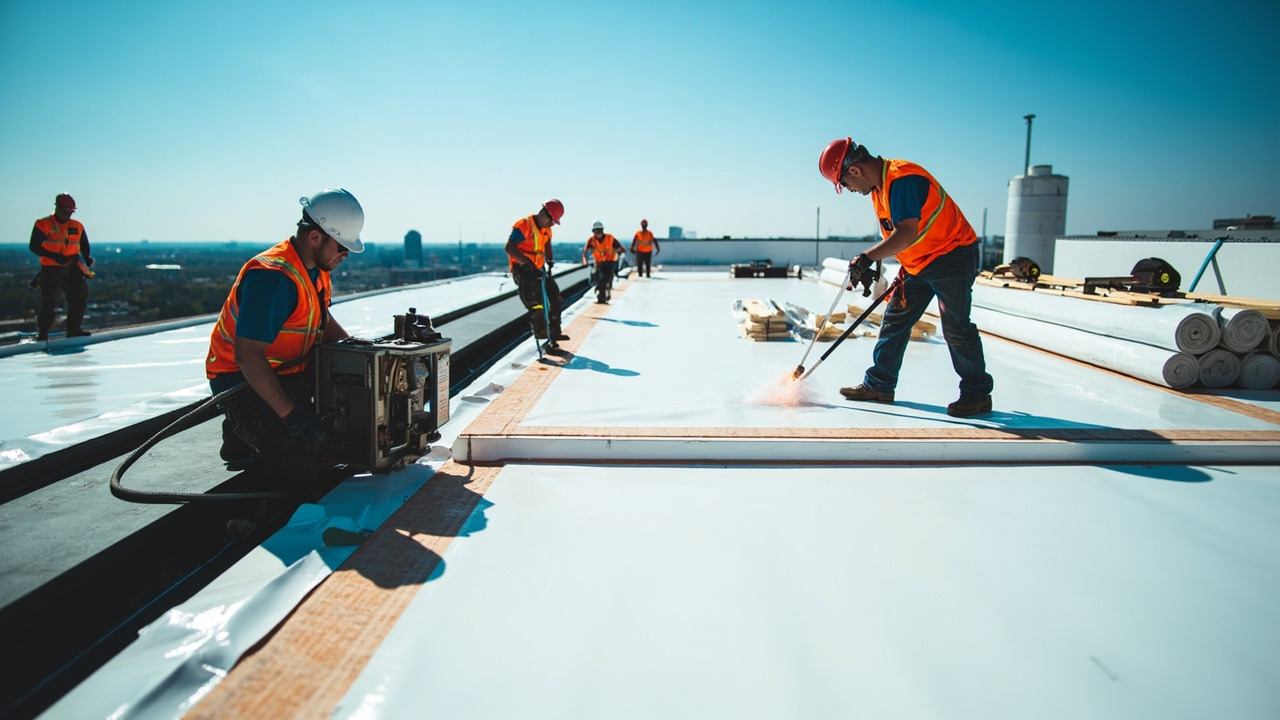
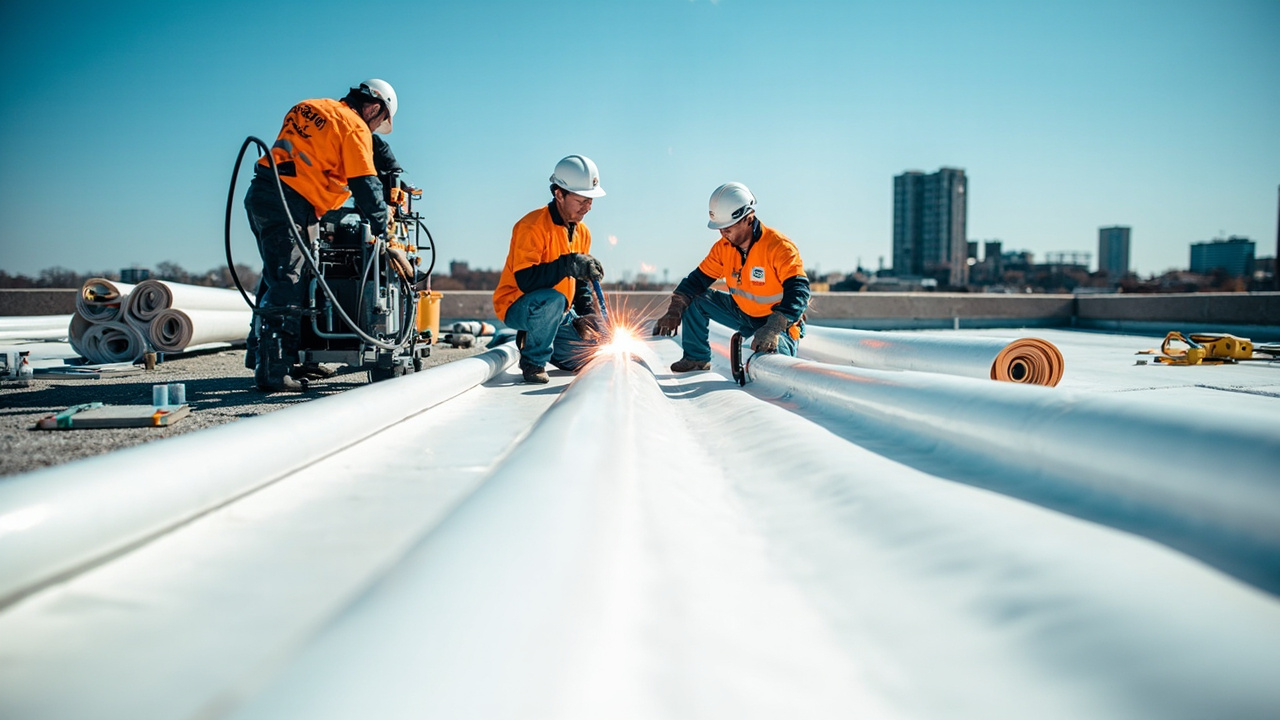
The PVC membrane itself arrives in rolls that range from 6 to 12 feet wide, depending on roof geometry. We roll out each section, align it to prevent wrinkles, then use hot air welders that heat the seams to 1,000 degrees. This creates a bond stronger than the membrane itself. Every seam gets tested with a probe to verify integrity. Penetrations for HVAC units, exhaust vents, and drainage pipes get custom-fabricated flashings that integrate with the membrane through the same heat-welding process.

We install tapered insulation systems on roofs with ponding water issues. This creates positive drainage to scuppers and drains, eliminating standing water that degrades even the best PVC roofing system installation. The final result is a white reflective surface that reduces cooling loads and provides a platform for safe rooftop equipment maintenance.

Our Commercial PVC Membrane Installation Sequence

PVC Roof Installation in St. Louis – Minimize Business Downtime with Industrial-Grade Membrane Systems
01

Pre-Installation Roof Assessment

We conduct a full structural evaluation of your existing roof system, including core samples to check insulation R-value and deck integrity. Infrared scans map moisture intrusion. We measure drainage slopes and identify ponding areas. You receive a detailed report with photos and thermal images that documents current conditions. This assessment determines whether a tear-off or recover installation makes sense for your building and budget, ensuring the new PVC membrane goes over a sound substrate.
02

Heat-Welded Membrane Installation

Our crew removes the old roofing system during off-hours to minimize disruption. We inspect and repair the deck, install new insulation boards, then roll out the PVC membrane in sections calculated for your roof layout. Every seam gets hot air welded and tested with a probe. Flashings around penetrations get custom-fabricated and welded in place. We install new edge metal and secure all terminations. The building stays weathertight throughout the process through temporary waterproofing measures if needed.
03

Final Testing and Handover

We perform a final roof inspection that includes seam integrity testing and drainage verification. You receive as-built drawings showing membrane layout, attachment methods, and all penetration details. We walk your facilities team through proper maintenance procedures for drains and HVAC curbs. The roof gets photographed for your records. We provide documentation for building inspectors and insurance carriers. Your operations resume without interruption, backed by a fully tested commercial PVC roofing system designed for St. Louis conditions.

Why St. Louis Commercial Property Managers Choose Pioneer Roofing

We understand how St. Louis's building stock differs from other markets. The metro area has thousands of mid-century commercial structures with original built-up roofing that needs replacement. These buildings often house multiple tenants, making leak response time critical. A warehouse roof failure in Maryland Heights can halt distribution operations. An office building leak in Creve Coeur disrupts professional services and damages equipment.

Pioneer Roofing St. Louis maintains crews trained specifically in commercial PVC membrane installation. We do not subcontract roof installations. Our welders hold manufacturer certifications that ensure seam quality meets warranty requirements. This matters because improperly welded seams are the leading cause of premature PVC roof failure. We use Leister hot air welders calibrated for St. Louis's temperature and humidity ranges, adjusting heat settings based on ambient conditions to achieve proper seam fusion.

We also navigate St. Louis building codes and permitting processes efficiently. Commercial roof replacements require permits through the city or county, depending on location. We handle the paperwork and coordinate inspections so your project stays on schedule. Our familiarity with local inspectors prevents delays caused by compliance issues.

For properties near the Mississippi River or in flood zones, we design drainage systems that meet both building codes and insurance requirements. This includes overflow scuppers positioned to prevent water backup during heavy rain events that St. Louis experiences during spring and fall. We also coordinate with property insurance carriers to document the installation process, which can reduce premiums for buildings transitioning from problematic roof systems to proven PVC membranes.

What Your Commercial PVC Roof Installation Includes

Project Timeline and Scheduling

Commercial PVC flat roof installation timelines vary based on building size and complexity. A 20,000-square-foot warehouse typically takes one to two weeks from tear-off to final inspection. Larger industrial facilities require phased installations that maintain building operations throughout the project. We schedule work during off-hours for facilities that operate 24/7. Weather delays get communicated immediately with revised schedules. You receive a detailed project calendar before work begins, with daily progress updates during installation. All equipment and materials get staged to minimize disruption to parking and loading areas. We coordinate with your facilities team to ensure rooftop HVAC units remain operational during the installation process.

Comprehensive Roof Evaluation Process

Our initial assessment includes a roof-level inspection to document current conditions. We check for structural damage, measure insulation thickness, and test drainage function. Core samples verify deck composition and reveal hidden moisture in insulation layers. Infrared scanning happens during evening hours when temperature differentials make moisture visible. You receive a written report with annotated photos showing problem areas. We identify code compliance issues that affect insurance coverage or tenant safety. The evaluation includes a cost-benefit analysis comparing tear-off versus recover options. This assessment provides the data you need for capital planning and budget approvals, with no obligation to proceed with installation.

Installation Quality and Performance

Your completed polyvinyl chloride roof installation delivers a watertight building envelope engineered for St. Louis weather extremes. The white reflective surface reduces summer cooling loads by reflecting solar radiation instead of absorbing it like dark roofing materials. Heat-welded seams eliminate the leak points that plague mechanically fastened or glued systems. Custom flashings around rooftop equipment create permanent seals that flex with building movement. The membrane resists punctures from foot traffic and hail impact. Properly installed tapered insulation eliminates ponding water that accelerates roof deterioration. You get a roof system designed for 20 to 30 years of service with minimal maintenance requirements beyond annual drain cleaning and debris removal.

Manufacturer Warranties and Maintenance Plans

Commercial PVC roofing system installation through certified contractors qualifies for manufacturer warranties that cover material defects. We provide documentation required for warranty registration and work directly with manufacturers if issues arise. Beyond warranties, we offer maintenance agreements that include biannual roof inspections, drain cleaning, and minor repairs. These programs catch small problems before they become expensive failures. Regular inspections also maintain warranty compliance and provide documentation for insurance carriers. We keep detailed service records for each property, tracking roof condition over time. This data supports capital planning by showing actual roof performance versus projected lifespan, helping you time future replacements or major repairs strategically.

Frequently Asked Questions

You Have Questions,
We Have Answers

What are the disadvantages of PVC roofing? +

PVC roofing carries higher upfront material costs compared to TPO or EPDM systems. The membrane can become brittle in extreme cold, which matters during St. Louis freeze-thaw cycles. Installation requires certified applicators and specialized heat-welding equipment, limiting your contractor options. PVC membranes are susceptible to punctures from sharp objects or heavy foot traffic during maintenance. The material can also shrink slightly over time if improperly installed, stressing seams. For commercial buildings in St. Louis with frequent HVAC service calls, you must plan for walkway pads to protect the membrane and maintain your building warranty compliance.

How much does it cost to install a PVC roof? +

PVC roof installation typically costs more than TPO or modified bitumen systems due to material expenses and specialized labor requirements. Multiple factors affect your final price: existing roof removal, deck repairs, insulation upgrades, parapet flashing complexity, and drainage modifications. Commercial buildings in downtown St. Louis often face additional costs for crane access and material staging. Your square footage, membrane thickness (45-mil to 80-mil), and attachment method (fully adhered versus mechanically attached) drive significant cost variations. Request detailed proposals from certified installers who account for St. Louis building code requirements and your specific business occupancy needs.

How long will a PVC roof last? +

A properly installed PVC roof lasts 20 to 30 years on commercial buildings. Longevity depends on membrane thickness, installation quality, and maintenance frequency. St. Louis weather conditions including UV exposure, ponding water from summer storms, and freeze-thaw cycles affect lifespan. Buildings with regular HVAC maintenance traffic need protective walkways to prevent premature membrane damage. Your roof performs better with biannual inspections to catch seam issues or flashing deterioration early. Chemical resistance makes PVC ideal for St. Louis restaurants or manufacturing facilities where grease or industrial exhaust contacts the roof. Proper drainage design prevents ponding that accelerates weathering.

What is the minimum pitch for a PVC roof? +

PVC roofing systems function on slopes as low as one-quarter inch per foot, the minimum pitch for proper drainage. Commercial buildings in St. Louis require adequate slope to prevent ponding water, which voids most manufacturer warranties after 48 hours. Your roof design must account for summer thunderstorm volumes and spring rainfall patterns common to the region. Dead-level roofs trap water, accelerating membrane degradation and creating leak pathways at seams. Even with low-slope capability, you should design for positive drainage using tapered insulation or structural slope. Building codes require overflow scuppers when primary drains cannot handle storm intensity.

How many years does a PVC ceiling last? +

PVC ceiling panels used for interior applications last 15 to 25 years depending on environmental exposure and quality. This differs completely from PVC roofing membrane systems. Interior ceilings avoid UV degradation, temperature extremes, and moisture cycling that roofing membranes endure. For commercial spaces in St. Louis, PVC ceiling panels resist humidity in warehouses or manufacturing areas better than traditional materials. They require minimal maintenance and tolerate cleaning chemicals. However, PVC roofing membrane longevity and interior ceiling performance are unrelated applications with different performance standards. Evaluate your specific application needs when comparing these distinct products.

What is better, PVC or polycarbonate roof? +

PVC roofing outperforms polycarbonate for commercial flat or low-slope applications. Polycarbonate panels suit pitched skylight or greenhouse applications where light transmission matters. For St. Louis commercial buildings, PVC membrane provides superior weather resistance, fire ratings, and waterproofing performance. Polycarbonate expands and contracts significantly with temperature swings, creating seal failures on flat installations. PVC offers better chemical resistance for facilities with rooftop equipment or exhaust systems. Installation costs differ substantially since polycarbonate requires structural framing while PVC membrane applies directly over roof decks. Choose PVC for watertight commercial roofing, polycarbonate only for specialized translucent applications.

Which is better EPDM or PVC roofing? +

PVC excels over EPDM for commercial buildings with rooftop grease, chemicals, or heavy equipment traffic. The heat-welded seams on PVC create watertight bonds stronger than EPDM's adhesive or tape seams. St. Louis restaurants and industrial facilities benefit from PVC's superior puncture resistance and chemical tolerance. EPDM costs less initially but requires more frequent seam maintenance. PVC reflects heat better, reducing cooling loads during St. Louis summers. However, EPDM performs better in extreme cold flexibility. For most commercial applications prioritizing longevity and low maintenance, PVC delivers better return on investment despite higher upfront costs.

What does it cost to roof a 2000 sq ft house? +

This question addresses residential roofing, while PVC systems typically serve commercial flat or low-slope applications. Residential steep-slope roofs in St. Louis use asphalt shingles, metal, or tile, not PVC membrane. Cost depends on material choice, roof complexity, removal requirements, and structural repairs. A 2000 square foot home might need 2200 to 2400 squares accounting for pitch and waste. For commercial PVC applications, square footage alone does not determine cost. Consult contractors who specialize in your specific building type and roofing system. Residential and commercial roofing represent entirely different trades with separate pricing structures.

How much does a 4x8 sheet of PVC weigh? +

Single-ply PVC roofing membrane is sold in rolls, not rigid 4x8 sheets. Rolls typically measure 10 or 12 feet wide and weigh approximately 25 to 40 pounds per 100 square feet, depending on membrane thickness. A 60-mil PVC membrane weighs about 33 pounds per square. This differs from rigid PVC sheet goods used in manufacturing or signage. For commercial roofing in St. Louis, membrane weight affects structural load calculations and installation logistics. Your contractor calculates total material weight including insulation and cover boards when evaluating roof deck capacity. Membrane rolls require proper storage to prevent creasing before installation.

Is $30,000 too much for a roof? +

Cost reasonableness depends entirely on your building size, system type, and scope complexity. For a small commercial building under 5000 square feet with extensive repairs, this figure might be appropriate. For larger buildings with straightforward PVC installations, this represents premium pricing. St. Louis commercial projects require detailed proposals breaking down materials, labor, removal, insulation, flashing, and code compliance costs. Compare proposals from multiple certified contractors on a line-item basis. Evaluate total lifecycle cost, not just installation price. A properly installed PVC system delivering 25 years of service provides better value than cheap installations requiring replacement in 12 years.

How St. Louis's Mississippi River Humidity Impacts Commercial Flat Roof Performance

St. Louis sits at the confluence of the Mississippi and Missouri Rivers, creating elevated humidity levels that trap moisture in commercial roof systems. This moisture accelerates insulation degradation and promotes mold growth in roof decks. Traditional roofing materials absorb water vapor that condenses when temperatures drop at night. Over years, this hidden moisture rots wood decking and corrodes metal fasteners. PVC membrane installation prevents this damage through vapor barriers that block moisture migration while allowing the roof deck to breathe. The heat-welded seams create a monolithic barrier that water cannot penetrate, even during the prolonged spring rain events that characterize St. Louis weather patterns.

Commercial building codes in St. Louis County and the City of St. Louis require specific wind uplift ratings for roof systems, particularly in areas near the riverfront where wind speeds increase. Pioneer Roofing St. Louis designs every PVC roofing system installation to meet or exceed these requirements through proper attachment methods and edge detailing. We work with local building inspectors who know our installation quality and trust our adherence to code requirements. This relationship prevents project delays and ensures your roof passes inspection on the first attempt. Our familiarity with St. Louis's commercial building stock means we anticipate challenges specific to your building type and location.
Roofing Services in The St. Louis Area

Pioneer Roofing is proud to serve the entire St. Louis metropolitan area and surrounding communities. Our local presence means we are always nearby and ready to respond quickly to your roofing needs, whether you are located in the heart of St. Louis or the greater county. View our location and service radius on the map to confirm we cover your neighborhood and then call us to schedule your service!

Address:
Pioneer Roofing St. Louis, 1031 Lami St, St. Louis, MO, 63104

Additional Services We Offer

Our news updates

Latest Articles & News from The Blogs

How to Estimate the Remaining Life of Your Roof Without Climbing a Ladder Standing on your roof can be dangerous…

How to Estimate the Remaining Life of Your Roof Without Climbing a Ladder

How to Estimate the Remaining Life of Your Roof Without Climbing a Ladder Standing on your roof can be dangerous…

The Essential Spring Roof Checklist for Every Homeowner in Clayton and Ladue

The Essential Spring Roof Checklist for Every Homeowner in Clayton and Ladue Spring in St. Louis means rapid temperature swings…

Why the Steep Rooflines of Lemay Ranch Homes Need Extra Attention During Storm Season

Why the Steep Rooflines of Lemay Ranch Homes Need Extra Attention During Storm Season \n\n Lemay’s mid-century ranch homes with…

Contact Us

Call Pioneer Roofing St. Louis at (314) 417-7774 for a comprehensive roof evaluation. We provide detailed reports with thermal imaging and cost analysis within 48 hours. Stop losing revenue to roof leaks and emergency repairs.