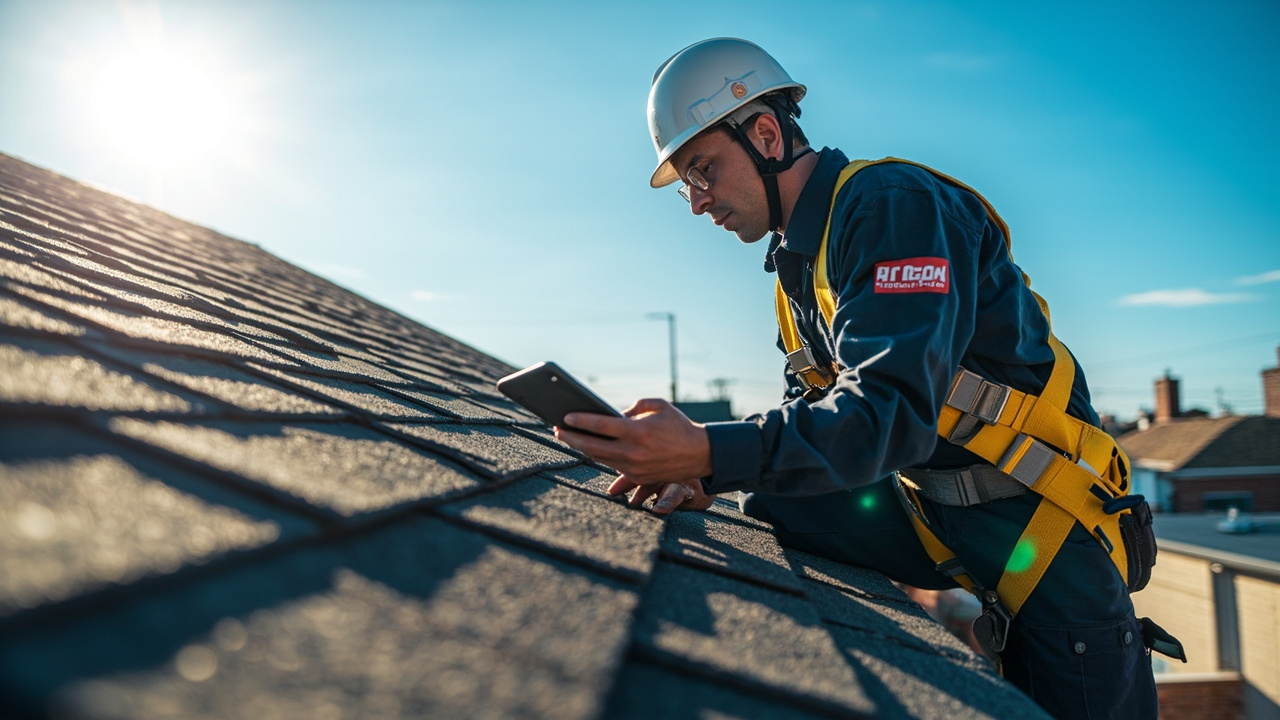


St. Louis sits at the intersection of multiple weather systems that create extreme stress on roofing materials. Our winter freeze-thaw cycles force water into shingle cracks where it expands and contracts, creating progressive damage that shortens service life. Spring severe weather brings hail that damages shingles in patterns insurance adjusters scrutinize closely. Summer temperatures regularly exceed 95 degrees, baking asphalt shingles until they lose protective granules and become brittle. Fall humidity combines with cooling temperatures to create condensation problems in poorly ventilated attic spaces. These conditions make accurate roof life certification more complex than simple age calculations. Professional assessment must account for accelerated wear patterns specific to our regional climate exposure.
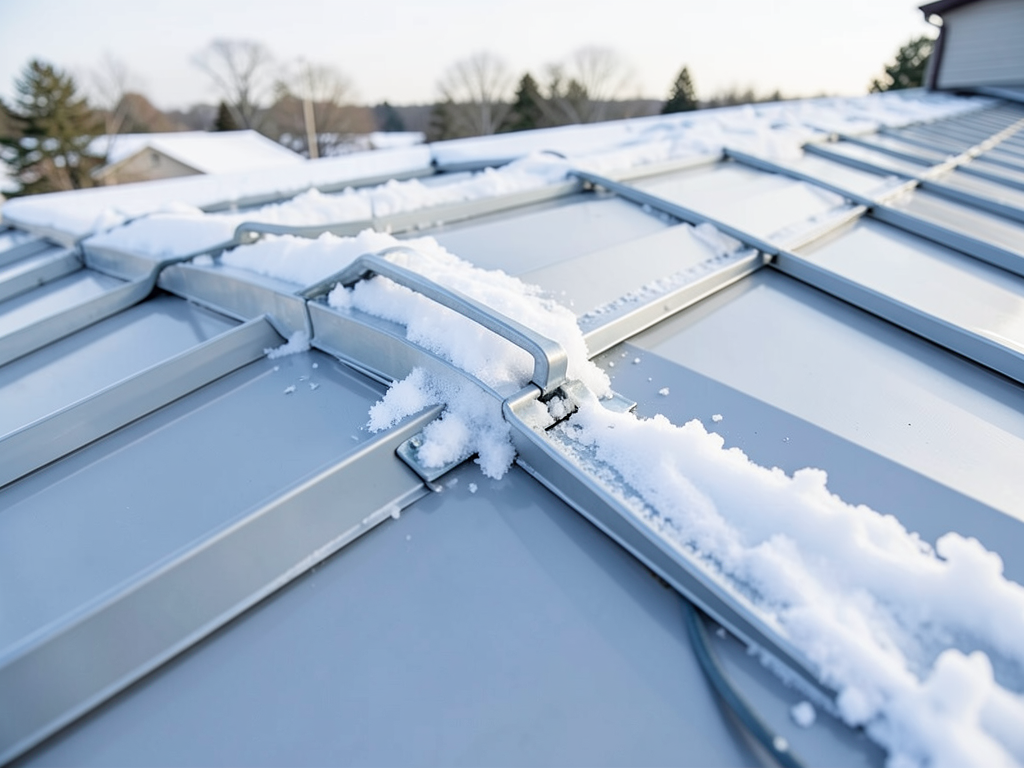
St. Louis building codes include specific requirements for wind uplift resistance and ice dam protection that affect certification validity. Underwriters familiar with our market look for documentation that these code requirements were met during installation. They want confirmation that proper underlayment was installed in valleys where ice dams form during winter weather. They need verification that shingle fastener patterns meet wind load requirements for our exposure zone. Generic inspection reports miss these local compliance factors that determine whether certification gets accepted or rejected. Our familiarity with St. Louis building standards and typical installation practices positions us to provide the specific documentation that local underwriters and lenders expect to see.