
Deciding Between Attic Fans and Whole House Fans for Your Older University City Home
University City’s historic homes built in the early 1900s often trap heat in their attic spaces during St. Louis summers, creating second-floor bedrooms that feel like saunas by August. The decision between attic fans and whole house fans can significantly impact your comfort and energy bills. This guide breaks down the differences, installation requirements, and which option works best for your specific University City home’s needs.
Older University City homes typically feature balloon-frame construction, tall ceilings, and minimal modern insulation. These architectural elements, while charming, create unique ventilation challenges when summer temperatures in St. Louis regularly exceed 90 degrees with high humidity. Understanding how each fan type addresses these specific conditions will help you make the right choice for your home.
How Attic Fans Work in St. Louis Climate
Attic fans mount directly on your roof or gable and actively exhaust hot air from your attic space. In University City’s climate, where summer attic temperatures can reach 150 degrees Fahrenheit, these fans create negative pressure that pulls cooler air through existing soffit vents. This continuous airflow prevents heat from radiating down into your living spaces.
The effectiveness of attic fans depends heavily on proper intake ventilation. University City homes often have blocked or undersized soffit vents due to years of insulation settling or improper installation. A professional assessment should measure your current ventilation ratio against the International Residential Code requirement of 1 square foot of net free area for every 300 square feet of attic space. International Residential Code Ventilation Requirements.
Attic fans operate automatically via thermostats, typically set between 90-110 degrees Fahrenheit. During St. Louis’s humid summers, this automated control prevents the fan from running unnecessarily while still protecting your roof structure from moisture damage and premature aging. Hail Damage Assessment.
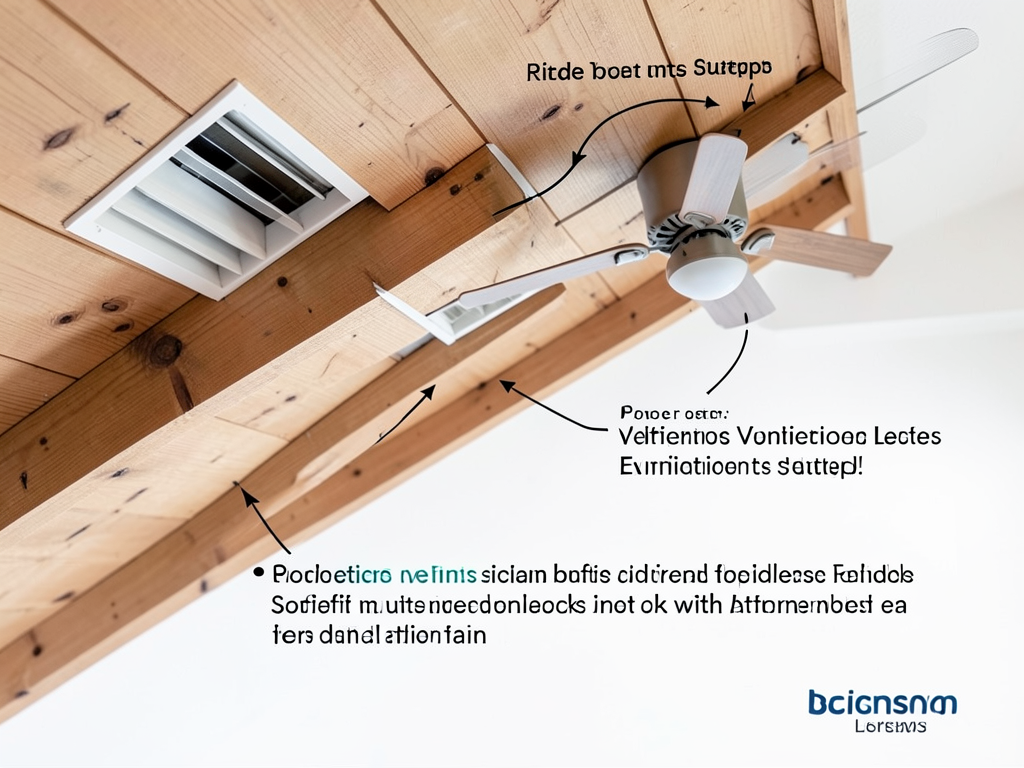
Diagram showing proper attic ventilation setup with soffit intake vents and ridge exhaust vents working with an attic fan
Whole House Fans: Cooling Your Living Space
Whole house fans mount in your ceiling, typically in a central hallway, and pull cool evening air through open windows while exhausting hot air through your attic. This creates a complete air exchange that can reduce indoor temperatures by 10-15 degrees in a matter of minutes. For University City homes, this means you can cool your entire living space rather than just the attic.
The timing of whole house fan operation is critical in St. Louis. These fans work best when outdoor temperatures drop below 75 degrees, typically between 7 PM and 7 AM during summer months. Running them during peak heat hours would actually draw hot air into your home, defeating the purpose.
Whole house fans require careful sealing and insulation during winter months. University City’s freeze-thaw cycles can create condensation around improperly sealed fan units, potentially leading to moisture damage in your ceiling. Quality installations include insulated doors that seal tightly when the fan is not in use. High Quality Roof Replacements for Creve Coeur Properties.
Installation Considerations for University City Homes
University City’s historic district regulations may affect your fan installation options. Homes in the Parkview or University Hills neighborhoods often require permits and may have restrictions on roof penetrations. A local roofing contractor familiar with University City’s building codes can navigate these requirements efficiently. Reliable Roofing Services for Your Affton Home or Rental Property.
Roof pitch and material also impact installation. Many University City homes feature 8:12 to 12:12 pitch roofs with slate or clay tile, which require specialized mounting techniques to prevent leaks. The Missouri climate’s freeze-thaw cycles demand proper flashing installation that can withstand seasonal expansion and contraction.
Electrical requirements differ significantly between fan types. Attic fans need dedicated circuits and proper grounding, while whole house fans require larger wiring due to their higher power consumption. University City homes built before 1950 may need electrical system upgrades to safely support modern ventilation equipment.
Energy Efficiency Comparison
Attic fans typically consume 250-400 watts and can reduce your air conditioning load by 10-15%. In University City’s climate, where cooling costs average $150-200 monthly during peak summer, this translates to $15-30 monthly savings. The return on investment for attic fan installation usually occurs within 2-3 summers.
Whole house fans use 600-1,500 watts but can eliminate air conditioning use entirely during cooler evenings. For University City residents who can adapt their schedules to natural cooling cycles, this can save $75-100 monthly during summer months. However, the initial investment is typically 30-40% higher than attic fan installation.
Ameren Missouri offers rebates for energy-efficient ventilation products. Current programs provide up to $50 for attic fans meeting Energy Star specifications and up to $100 for whole house fans with automatic thermostats. These rebates can significantly offset installation costs for University City homeowners. Ameren Missouri Energy Efficiency Rebates.
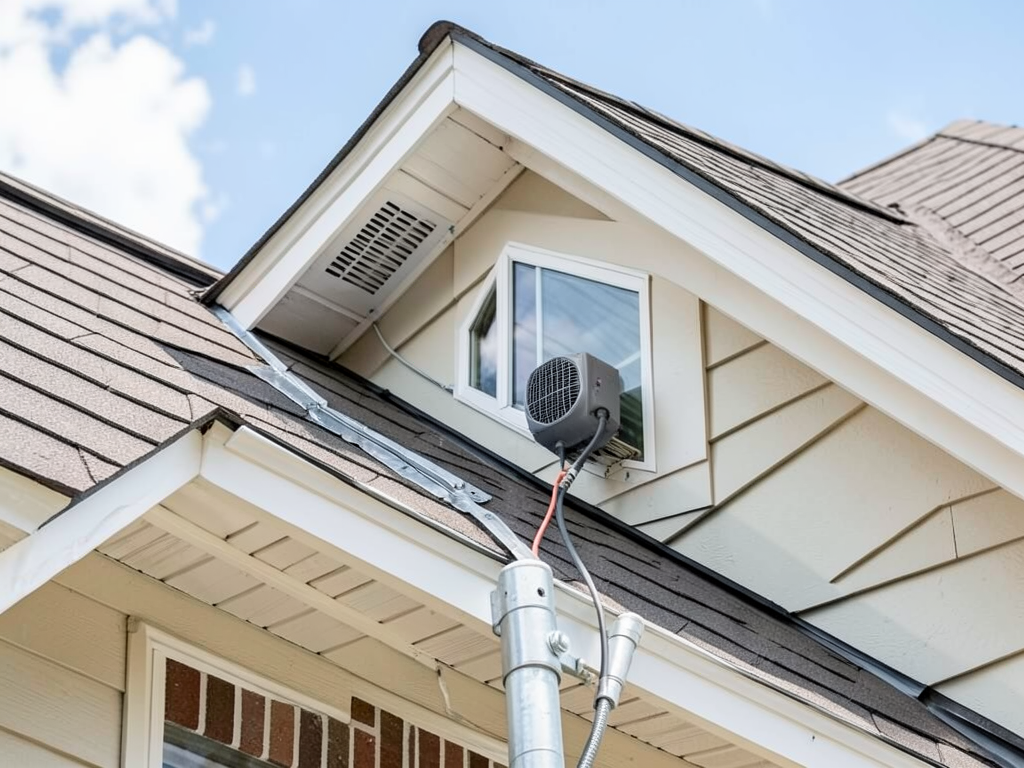
Photo showing professional attic fan installation with proper flashing and weatherproofing on a University City home
Maintenance Requirements and Longevity
Attic fans require annual maintenance to ensure optimal performance. University City’s humid climate promotes rust and corrosion on metal components. Bearings should be lubricated annually, and the fan blade should be cleaned of dust and debris that accumulates during winter months.
Whole house fans need more frequent maintenance due to their exposure to indoor air. Filters should be cleaned monthly during cooling season, and the louvers should be inspected for proper sealing. The belt-driven models common in University City homes require tension adjustment every two years to prevent premature bearing wear.
Both fan types have different failure patterns in St. Louis’s climate. Attic fans often fail due to moisture intrusion around the mounting flange, while whole house fans typically experience motor burnout from continuous operation during heat waves. Understanding these failure modes helps you schedule preventive maintenance appropriately.
Cost Analysis for University City Properties
Attic fan installation in University City typically ranges from $800-1,500, depending on roof access and electrical requirements. Whole house fan installation costs $1,200-2,500, reflecting the more complex ceiling penetration and larger equipment size. Both prices include permits and basic electrical work for homes built after 1960.
Homes built before 1950 may incur additional costs due to outdated wiring or structural modifications needed for proper installation. University City’s older housing stock often requires asbestos testing before any ceiling modifications, adding $200-400 to the project cost.
Professional installation is crucial for both fan types. Improper attic fan installation can lead to roof leaks during University City’s spring thunderstorms, while poorly installed whole house fans can create dangerous negative pressure that pulls carbon monoxide from gas appliances back into your home. Fixing Wind and Storm Damage Before It Ruins Your St. Louis Home.
Climate-Specific Performance Factors
St. Louis’s high humidity levels affect fan performance differently. Attic fans work well in humid conditions because they only exhaust attic air without affecting indoor humidity levels. However, whole house fans can introduce humid outdoor air into your home, potentially making your living space feel muggy if outdoor dew points exceed 65 degrees.
University City’s location near Forest Park creates unique microclimates. Homes in the eastern part of the city often experience slightly cooler evening temperatures due to the park’s cooling effect, making whole house fans more effective in these specific areas.
Winter operation considerations are important for both fan types. Attic fans should include insulated dampers to prevent heat loss during winter months, while whole house fans need tight-sealing doors to prevent warm air from escaping through the ceiling penetration.
Making the Right Choice for Your Home
Choose an attic fan if you have adequate soffit ventilation, want to protect your roof structure, have limited budget, or cannot modify your ceiling for a whole house fan installation. This option works best for University City homes with good attic access and modern insulation.
Select a whole house fan if you want to cool your entire living space, can adapt to natural cooling schedules, have open floor plans that facilitate air movement, and want maximum energy savings. This option is ideal for University City homes with central hallways and multiple bedrooms on the second floor.
Consider a hybrid approach for optimal results. Many University City homeowners install both systems: an attic fan to protect the roof structure year-round and a whole house fan for seasonal cooling. This combination provides comprehensive ventilation while maximizing energy efficiency. Why Ladue Homeowners Trust These Specialized Roofing Contractors.
Professional Installation Benefits
Professional installation ensures proper sizing for your specific home. An undersized attic fan will run continuously without effectively cooling your attic, while an oversized whole house fan can create uncomfortable drafts and excessive noise. University City’s varied home sizes require careful calculation of required CFM (cubic feet per minute) for optimal performance.
Quality installation includes proper weatherproofing that prevents leaks during University City’s frequent thunderstorms. Professional roofers understand how to integrate fan mounting with existing roofing materials and flashing patterns to maintain your roof’s integrity and warranty.
Local contractors familiar with University City’s building codes can obtain necessary permits quickly and ensure your installation meets all safety requirements. This knowledge prevents costly mistakes and ensures your ventilation system operates safely and efficiently.
Frequently Asked Questions
Can I install these fans myself to save money?
DIY installation is not recommended for either fan type. Both require electrical work that must meet current National Electrical Code standards, and improper installation can lead to roof leaks, electrical hazards, or carbon monoxide backdrafting. Professional installation includes warranties and ensures code compliance.
How long does installation take?
Attic fan installation typically requires 4-6 hours for a straightforward project. Whole house fan installation takes 6-8 hours due to the more complex ceiling work and electrical requirements. Both installations can usually be completed in a single day by experienced professionals.
Will these fans affect my roof warranty?
Professional installation using manufacturer-approved mounting methods should not void your roof warranty. However, DIY installation or using improper flashing techniques can void warranties and lead to leaks. Always verify that your installer is familiar with your specific roofing material’s warranty requirements.
What maintenance do these fans need?
Attic fans need annual maintenance including bearing lubrication, blade cleaning, and inspection of mounting hardware. Whole house fans require monthly filter cleaning during cooling season and annual inspection of the motor and belt system. Both benefit from professional inspection every two years.
How do I know which size fan I need?
Fan sizing depends on your attic or home volume. Attic fans typically require 1 CFM per cubic foot of attic space, while whole house fans need 2-3 CFM per square foot of living space. A professional assessment considers your home’s specific layout, insulation levels, and local climate factors.
Before and after comparison showing temperature reduction in an attic space with proper fan installation
Call (314) 417-7774 Today to Schedule Your Inspection
Don’t let another St. Louis summer make your University City home uncomfortable. Our experienced team understands the unique ventilation challenges of older homes and can recommend the perfect solution for your specific situation. We’ll assess your current ventilation, evaluate your roof structure, and provide a detailed proposal with transparent pricing.
Call (314) 417-7774 now to schedule your free consultation. We’ll help you choose between attic fans and whole house fans based on your home’s architecture, your cooling needs, and your budget. Our installations come with warranties and we handle all necessary permits for University City properties.
Pick up the phone and call (314) 417-7774 before the next heat wave hits. Your comfort and energy savings are just one call away. We serve all of University City including the Parkview, University Hills, and East District neighborhoods.
{
“@context”: “https://schema.org”,
“@type”: “BlogPosting”,
“headline”: “Deciding Between Attic Fans and Whole House Fans for Your Older University City Home”,
“description”: “Struggling with heat in your University City home? Compare attic fans vs whole house fans for St. Louis summers. Learn installation, costs, and energy savings from local experts.”,
“wordCount”: 1931,
“datePublished”: “2026-06-13T15:52:00.000Z”,
“dateModified”: “2026-06-13T15:52:00.000Z”,
“inLanguage”: “en-US”,
“mainEntityOfPage”: {
“@type”: “WebPage”,
“@id”: “https://pioneerroofingstlouis.com”
},
“publisher”: {
“@type”: “LocalBusiness”,
“name”: “Pioneer Roofing St. Louis”,
“url”: “https://pioneerroofingstlouis.com”
},
“author”: {
“@type”: “Organization”,
“name”: “Pioneer Roofing St. Louis”,
“url”: “https://pioneerroofingstlouis.com”
},
“image”: {
“@type”: “ImageObject”,
“url”: “https://pioneerroofingstlouis.com/wp-content/uploads/2026/03/deciding-between-attic-fans-and-whole-house-fans-f-1.png”
}
}
{
“@context”: “https://schema.org”,
“@type”: “RoofingContractor”,
“name”: “Pioneer Roofing St. Louis”,
“url”: “https://pioneerroofingstlouis.com”,
“address”: {
“@type”: “PostalAddress”,
“addressLocality”: “St. Louis”
},
“areaServed”: {
“@type”: “City”,
“name”: “St. Louis”
}
}
{
“@context”: “https://schema.org”,
“@type”: “FAQPage”,
“mainEntity”: [
{
“@type”: “Question”,
“name”: “Can I install these fans myself to save money?”,
“acceptedAnswer”: {
“@type”: “Answer”,
“text”: “DIY installation is not recommended for either fan type. Both require electrical work that must meet current National Electrical Code standards, and improper installation can lead to roof leaks, electrical hazards, or carbon monoxide backdrafting. Professional installation includes warranties and ensures code compliance.”
}
},
{
“@type”: “Question”,
“name”: “How long does installation take?”,
“acceptedAnswer”: {
“@type”: “Answer”,
“text”: “Attic fan installation typically requires 4-6 hours for a straightforward project. Whole house fan installation takes 6-8 hours due to the more complex ceiling work and electrical requirements. Both installations can usually be completed in a single day by experienced professionals.”
}
},
{
“@type”: “Question”,
“name”: “Will these fans affect my roof warranty?”,
“acceptedAnswer”: {
“@type”: “Answer”,
“text”: “Professional installation using manufacturer-approved mounting methods should not void your roof warranty. However, DIY installation or using improper flashing techniques can void warranties and lead to leaks. Always verify that your installer is familiar with your specific roofing material’s warranty requirements.”
}
},
{
“@type”: “Question”,
“name”: “What maintenance do these fans need?”,
“acceptedAnswer”: {
“@type”: “Answer”,
“text”: “Attic fans need annual maintenance including bearing lubrication, blade cleaning, and inspection of mounting hardware. Whole house fans require monthly filter cleaning during cooling season and annual inspection of the motor and belt system. Both benefit from professional inspection every two years.”
}
},
{
“@type”: “Question”,
“name”: “How do I know which size fan I need?”,
“acceptedAnswer”: {
“@type”: “Answer”,
“text”: “Fan sizing depends on your attic or home volume. Attic fans typically require 1 CFM per cubic foot of attic space, while whole house fans need 2-3 CFM per square foot of living space. A professional assessment considers your home’s specific layout, insulation levels, and local climate factors.”
}
}
]
}
{
“@context”: “https://schema.org”,
“@type”: “BreadcrumbList”,
“itemListElement”: [
{
“@type”: “ListItem”,
“position”: 1,
“name”: “Home”,
“item”: “https://pioneerroofingstlouis.com”
},
{
“@type”: “ListItem”,
“position”: 2,
“name”: “Blog”,
“item”: “https://pioneerroofingstlouis.com/blog”
},
{
“@type”: “ListItem”,
“position”: 3,
“name”: “Deciding Between Attic Fans and Whole House Fans for Your Older University City Home”
}
]
}
{
“@context”: “https://schema.org”,
“@type”: “Service”,
“serviceType”: “Roofing”,
“provider”: {
“@type”: “LocalBusiness”,
“name”: “Pioneer Roofing St. Louis”,
“url”: “https://pioneerroofingstlouis.com”
},
“areaServed”: {
“@type”: “City”,
“name”: “St. Louis”
},
“description”: “Struggling with heat in your University City home? Compare attic fans vs whole house fans for St. Louis summers. Learn installation, costs, and energy savings from local experts.”
}