menu

Granules in Gutter St. Louis – Get Expert Diagnosis Before Your Roof Fails

Finding shingle grit in gutters is your roof warning you. Pioneer Roofing St. Louis diagnoses whether you need repairs, a full replacement, or just routine maintenance before water damage spreads.

Slider Image 1
Slider Image 2
Slider Image 3
Slider Image 4
Slider Image 5
Slider Image 7
Slider Image 8
Slider Image 9
Slider Image 10
Slider Image 11

Why St. Louis Homeowners See Asphalt Shingle Particles in Their Gutters

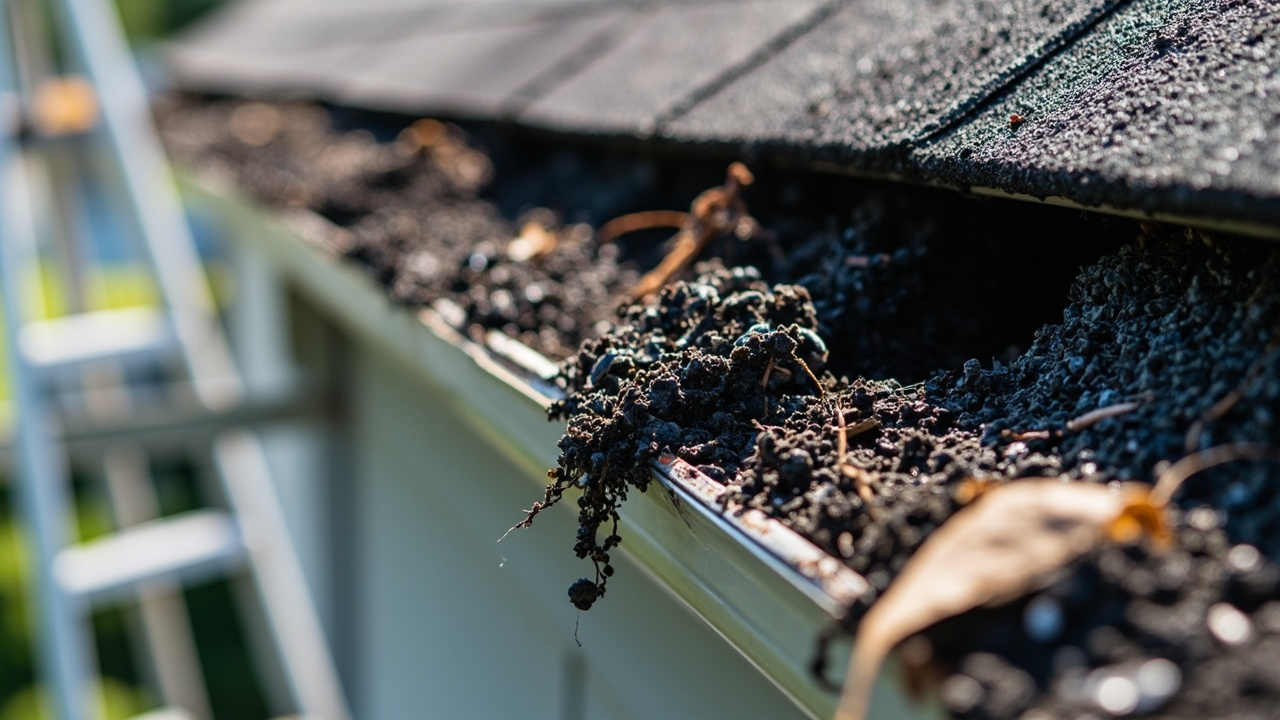
You clean your gutters and find a layer of black sand at the bottom. That roof sand in gutters is not dirt. Those are protective granules from your asphalt shingles, and they are falling off faster than they should.

St. Louis weather accelerates granule loss. The freeze-thaw cycles we experience from November through March cause shingles to contract and expand. Ice dams form along eaves when snow melts and refreezes. Summer heat spikes above 90 degrees bake the asphalt underneath. Humidity sits heavy during June and July. All of this stress weakens the adhesive holding those granules in place.

When you see loose granules in downspouts, your shingles are losing their protective layer. Granules block UV rays and prevent the asphalt from degrading. Without them, your shingles crack, curl, and leak. But here is the issue: granule loss does not always mean you need a new roof. Sometimes it is normal aging. Sometimes it is hail damage. Sometimes it is manufacturer defect.

The problem is you cannot tell the difference from the ground. Shingle sediment in gutters can mean a two-year-old roof with a bad batch of shingles, or a 20-year-old roof at end of life. You need someone who knows what to look for on the deck, in the valleys, and along the ridgeline. Waiting turns a repair into a replacement. Acting too fast wastes money on a roof that has years left.

Why St. Louis Homeowners See Asphalt Shingle Particles in Their Gutters
How We Diagnose Shingle Grit in Gutters the Right Way

How We Diagnose Shingle Grit in Gutters the Right Way

We do not guess from the driveway. Our diagnostic process separates normal wear from critical failure.

We start on the roof, not in the office. A technician inspects every slope, checking for bald spots where granule loss is severe. We look at the substrate underneath. If the asphalt mat is exposed and brittle, that section is compromised. If granules are missing but the mat is intact and flexible, you have time.

We check the age of the shingles against the loss pattern. New shingles shed loose manufacturing granules during the first year. That is normal. After year one, heavy shedding is not. We look for impact marks from hail, which dislodge granules in circular patterns. We inspect flashing around chimneys and vents, where improper installation causes localized damage.

We examine the gutters themselves. Granules collect in valleys and corners. If you see an even distribution across the entire gutter system, that is widespread aging. If you see concentrated piles near one downspout, that is localized damage on the slope above it.

We measure the remaining life. A roof with 30 percent granule loss across all surfaces needs replacement within two years. A roof with 10 percent loss in high-wear areas like the south-facing slope can last five more years with targeted repairs. We document everything with photos, then explain what you are looking at and why it matters. No pressure, no upselling. Just the facts you need to make the right call for your budget and timeline.

What Happens During Your Roof Inspection

Granules in Gutter St. Louis – Get Expert Diagnosis Before Your Roof Fails
01

Visual Gutter Assessment

We start by examining the shingle sediment in your gutters and downspouts. We look at the volume, color, and distribution pattern. Heavy accumulation in one area suggests localized damage. Light, even distribution across the system indicates normal aging. We also check for other debris like nail heads or shingle fragments, which signal structural problems beyond granule loss.
02

Roof Surface Inspection

Our technician walks every slope, checking for bald spots, exposed asphalt mat, cracked shingles, and missing tabs. We inspect the ridgeline, valleys, and eaves where wear concentrates. We look for hail dings, storm damage, and improper ventilation that accelerates aging. We check the decking underneath for soft spots or water stains. This step determines whether your issue is cosmetic or structural.
03

Report and Recommendation

We give you a written report with photos showing what we found. We explain the severity, the timeline, and your options. If you need a full replacement, we explain why. If repairs will buy you five more years, we tell you that instead. If your roof is fine and the granule loss is normal, we document that too. You get honest answers, not a sales pitch.

Why St. Louis Homeowners Trust Pioneer Roofing for Roof Diagnostics

You need a roofer who understands how St. Louis weather destroys roofs differently than other cities. Freeze-thaw cycles are not a concern in Phoenix. Hurricane winds do not matter here like they do in Miami. But ice dams, thermal shock, and humidity-driven algae growth are constant threats in the Gateway City.

We have diagnosed hundreds of roofs in Soulard, Tower Grove, and the Hill. We know the difference between a 15-year-old roof on a brick bungalow in South City and a 10-year-old roof on a vinyl-sided ranch in West County. The architecture matters. The slope matters. The ventilation in your attic matters. We do not treat every roof the same because they are not the same.

Pioneer Roofing does not make money by scaring you into a replacement you do not need. We make money by being right. When we tell a homeowner their roof has two years left, and it fails in 18 months, that builds trust. When we say a roof can go another five years, and it does, that customer calls us first when it is time to replace.

We also understand how to work with insurance after storm damage. If hail caused your granule loss, we document it properly so your claim does not get denied. We know what adjusters look for. We photograph the impact marks, measure the diameter, and match the damage to the storm date. That is the difference between a paid claim and a rejection letter.

You get a diagnostic report you can use to plan, budget, or file a claim. No games, no pressure.

What to Expect When You Call Pioneer Roofing

Same-Week Inspection Availability

We schedule your inspection within three to five business days. If you have an active leak or visible damage, we move faster. The inspection takes 45 to 90 minutes depending on roof size and complexity. You do not need to be home, but we recommend it so we can walk you through what we found immediately after. We send the written report within 24 hours, with photos and a breakdown of the problem areas.

Comprehensive Roof and Gutter Evaluation

We inspect the entire roofing system, not just the shingles. That includes flashing, underlayment exposure, ventilation, and attic moisture. We check your gutters for clogs, improper pitch, and rust that might contribute to water backup. We look for moss, algae, and debris buildup that traps moisture and accelerates shingle decay. You get a full picture of your roof health, not just an answer about the granules.

Honest Diagnosis with Clear Options

We tell you what is wrong, what caused it, and what it will take to fix it. If you need a full replacement, we explain why repairs will not work. If targeted repairs will extend your roof life by five years, we give you that option and the cost difference. If your granule loss is normal and your roof is fine, we document that in writing so you have peace of mind. You decide what happens next.

Post-Inspection Support and Planning

After the inspection, you are not on your own. If you need time to budget for a replacement, we note the timeline and follow up when you are ready. If you are filing an insurance claim, we provide the documentation your adjuster needs. If you choose to move forward with repairs or replacement, we handle permits, material orders, and scheduling. You get a point of contact who answers questions and keeps the process moving.

Frequently Asked Questions

You Have Questions,
We Have Answers

Is it normal to have shingle granules in the gutter? +

Yes, some granule shedding is normal, especially on new roofs. Manufacturers coat shingles with extra granules during production, and these loose ones wash off during the first few rains. You will see them in your gutters or at downspout exits. However, if your roof is older than five years and you notice heavy granule accumulation in gutters across St. Louis neighborhoods, this signals accelerated wear. Our freeze-thaw cycles and summer heat stress shingles faster than moderate climates. Check your downspouts after storms. A little gravel-like material is fine, but thick deposits mean your shingles are breaking down.

How much granule loss is too much? +

If you see bald spots or dark patches on shingles where the asphalt mat shows through, granule loss is excessive. A handful of granules in gutters after installation is normal. But if you can fill a coffee cup with granules from one cleaning, or if granule loss creates visible patterns on your roof surface, you have a problem. In St. Louis, hail damage and UV exposure accelerate granule loss. Look for widespread shedding across multiple shingle tabs, not just isolated areas. When granules wash away, your shingles lose UV protection and deteriorate rapidly, leading to leaks and structural damage.

Are gutter hedgehogs a good idea? +

Gutter hedgehogs can work for minor debris, but they are not a complete solution for St. Louis homes. They prevent large leaves from clogging downspouts, but they do not stop granules, shingle grit, or small organic material from accumulating. Our oak and maple trees drop heavy leaf loads in fall, and hedgehogs can become compacted quickly. They also do not prevent ice dams during winter freezes. If your gutters fill with granules from deteriorating shingles, hedgehogs will not solve the root problem. You need to address the failing roof first, then consider full gutter guards for better protection.

Why is there gravel in my gutters? +

That gravel-like material is shingle granules washing off your roof. Asphalt shingles are coated with ceramic-coated mineral granules that protect the underlying asphalt from UV rays and weather damage. Over time, especially in St. Louis where freeze-thaw cycles and summer heat stress roofing materials, these granules loosen and wash into gutters during rain. If your roof is new, a small amount is normal manufacturing excess. If your roof is older or you notice increasing amounts after storms, your shingles are degrading. This exposes the asphalt layer to direct sunlight, accelerating deterioration and increasing leak risk.

Is granular loss covered by insurance? +

It depends on the cause. Insurance typically covers granule loss from sudden events like hail storms or wind damage, both common in the St. Louis metro area. If a storm caused the damage, document it with photos and file quickly. However, insurance will not cover granule loss from normal aging, poor installation, or lack of maintenance. Most policies exclude wear and tear. If your roof is near the end of its expected lifespan, adjusters may depreciate the claim significantly. Get a professional inspection to determine the cause before filing. Documentation and timing matter when dealing with Missouri insurance carriers.

How to tell if a roofer is lying? +

A dishonest roofer pressures you to sign immediately, claims your roof will collapse without instant repairs, or insists you file an insurance claim when no storm damage exists. In St. Louis, storm chasers follow weather events and use scare tactics. Red flags include no local address, requiring full payment upfront, or offering to pay your deductible. Trustworthy roofers provide written estimates, explain what they found, and let you get second opinions. They carry proper Missouri licensing and local references. Ask for proof of insurance, check reviews from St. Louis customers, and verify they pull permits for work.

Does granular loss mean I need a new roof? +

Not always. Granule loss severity and location determine if replacement is necessary. If granules are missing across most of the roof surface, exposing dark asphalt underneath, replacement is likely needed soon. But if loss is isolated to a few shingles or limited to normal aging on a mid-life roof, repairs or monitoring may suffice. In St. Louis, where extreme temperature swings stress roofing materials, a professional inspection is critical. Consider the roof age, extent of bare spots, and whether leaks have started. A roof losing granules heavily will fail within a few years, so plan accordingly to avoid emergency repairs during storms.

What does granular loss look like? +

Granule loss appears as dark or discolored patches on shingles where the black asphalt layer shows through. Healthy shingles have uniform color and texture. When granules wear away, you see inconsistent coloring, bald spots, or a shiny appearance where asphalt is exposed. Check your gutters and downspouts for heavy accumulation of sand-like material. On the ground below roof edges, you may notice piles of granules. In St. Louis homes, south and west-facing roof sections often show loss first due to intense sun exposure. Compare shingle surfaces. If some areas look significantly darker or smoother than others, granules are gone.

How old may a roof be before insurance claims it's too old? +

Most insurance companies in Missouri limit coverage on roofs over 15 to 20 years old. Some carriers will not insure homes with roofs older than 20 years without a recent inspection or proof of good condition. Others switch from replacement cost coverage to actual cash value once a roof hits 10 to 15 years, meaning they deduct depreciation from claims. Three-tab shingles typically have shorter coverage windows than architectural shingles. If you are buying or insuring a St. Louis home, expect carriers to require roof age documentation. Policies vary, so review your specific coverage limits and consider replacing aging roofs before coverage restrictions kick in.

What are the negatives of hedgehogs? +

Gutter hedgehogs clog quickly with small debris like shingle granules, seed pods, and pine needles common in St. Louis yards. Once saturated, they block water flow and can cause overflow during heavy rains. They also trap moisture against gutter bottoms, accelerating rust and corrosion. Ice can form around hedgehogs during winter, creating dams that force water under shingles. They require removal and cleaning to work properly, adding maintenance time. Hedgehogs do not prevent animals from nesting in gutters. For homes with significant granule shedding from aging roofs, hedgehogs become debris traps rather than solutions. Full gutter guards perform better long-term.

How St. Louis Humidity and Freeze-Thaw Cycles Damage Shingle Granules Faster

St. Louis sits in a humid subtropical climate zone, which means your roof takes a beating year-round. Summer humidity keeps shingles damp, which softens the asphalt binder holding granules in place. Winter freeze-thaw cycles cause the shingles to expand and contract dozens of times per season. When water seeps under a shingle edge and freezes, it lifts the tab and breaks the granule bond. That is why you see more asphalt shingle particles in gutters after a harsh winter. The combination of moisture and temperature swings accelerates aging faster than dry climates or stable temperatures.

Pioneer Roofing has inspected roofs across St. Louis County, from Kirkwood to Clayton to Florissant. We understand how older neighborhoods with mature tree cover experience more moss and algae growth, which traps moisture and speeds up granule loss. We know how south-facing slopes on homes near the Missouri River bottom get baked harder than north-facing slopes in shaded areas like Webster Groves. Local expertise matters because a roofer from Kansas City or Springfield does not understand how our specific weather patterns affect shingle longevity.

Roofing Services in The St. Louis Area

Pioneer Roofing is proud to serve the entire St. Louis metropolitan area and surrounding communities. Our local presence means we are always nearby and ready to respond quickly to your roofing needs, whether you are located in the heart of St. Louis or the greater county. View our location and service radius on the map to confirm we cover your neighborhood and then call us to schedule your service!

Address:
Pioneer Roofing St. Louis, 1031 Lami St, St. Louis, MO, 63104

Additional Services We Offer

Our news updates

Latest Articles & News from The Blogs

Can You Actually Install a New Roof Over Your Old Shingles? Roofing a home in St. Louis comes with unique…

Can You Actually Install a New Roof Over Your Old Shingles?

Can You Actually Install a New Roof Over Your Old Shingles? Roofing a home in St. Louis comes with unique…

Why Your Neighbors in Manchester are Choosing Impact Rated Materials

Why Your Neighbors in Manchester are Choosing Impact Rated Materials Living in Manchester means dealing with the unpredictable St. Louis…

Preparing Your Roof for the Sudden Shifts of St. Louis Weather Patterns

Preparing Your Roof for the Sudden Shifts of St. Louis Weather Patterns Your roof faces more than just rain and…

Contact Us

Call Pioneer Roofing St. Louis today at (314) 417-7774 to schedule your inspection. We will assess your granule loss, explain what it means, and give you a clear plan. No pressure, no upselling, just honest answers.