
Restoring Historic Slate and Tile Roofs in the Central West End
The Central West End’s stately historic homes deserve specialized care when their slate or tile roofs show signs of age. Unlike standard asphalt shingle repairs, restoring these delicate materials requires deep knowledge of historic preservation standards, precise matching of century-old materials, and techniques that protect both the roof’s integrity and the home’s architectural character. EPA Lead-Safe Renovation Guidelines.
Homeowners in neighborhoods like the Central West End face unique challenges when their slate or tile roofs begin to fail. The freeze-thaw cycles common to St. Louis winters can cause slate to crack or become loose, while improper previous repairs often compound the damage. Many property owners discover too late that general roofing contractors lack the specialized tools and expertise needed to properly restore these premium roofing systems. Reliable Roofing Services for Your Affton Home or Rental Property.
The good news is that with proper restoration techniques, a quality slate or tile roof can last another century. The key is finding a contractor who understands not just roofing fundamentals, but the specific requirements of working on historic properties in St. Louis’s Central West End Historic District. High Quality Roof Replacements for Creve Coeur Properties.
Understanding Central West End’s Historic Roofing Materials
The Central West End features some of St. Louis’s most impressive historic architecture, with homes dating from the late 1800s through the early 1900s. These properties often showcase premium roofing materials that were status symbols of their era. How to Navigate a Roofing Insurance Claim After a St. Louis Hail Storm.
Slate roofs in the Central West End typically feature Vermont or Pennsylvania slate in various colors from traditional gray to purple and green tones. The thickness and quality of these slates often exceed modern standards, with many featuring S-1 grade material that’s denser and more durable than contemporary alternatives.
Clay and concrete tile roofs present different challenges. Many Central West End homes feature Spanish-style tiles or flat clay tiles that require careful handling during repairs. The weight of these materials means the underlying roof structure must be sound, and any replacement tiles must match the original profiles exactly to maintain the home’s historic character. Who to Call for 24 Hour Roof Repairs Anywhere in St. Louis.
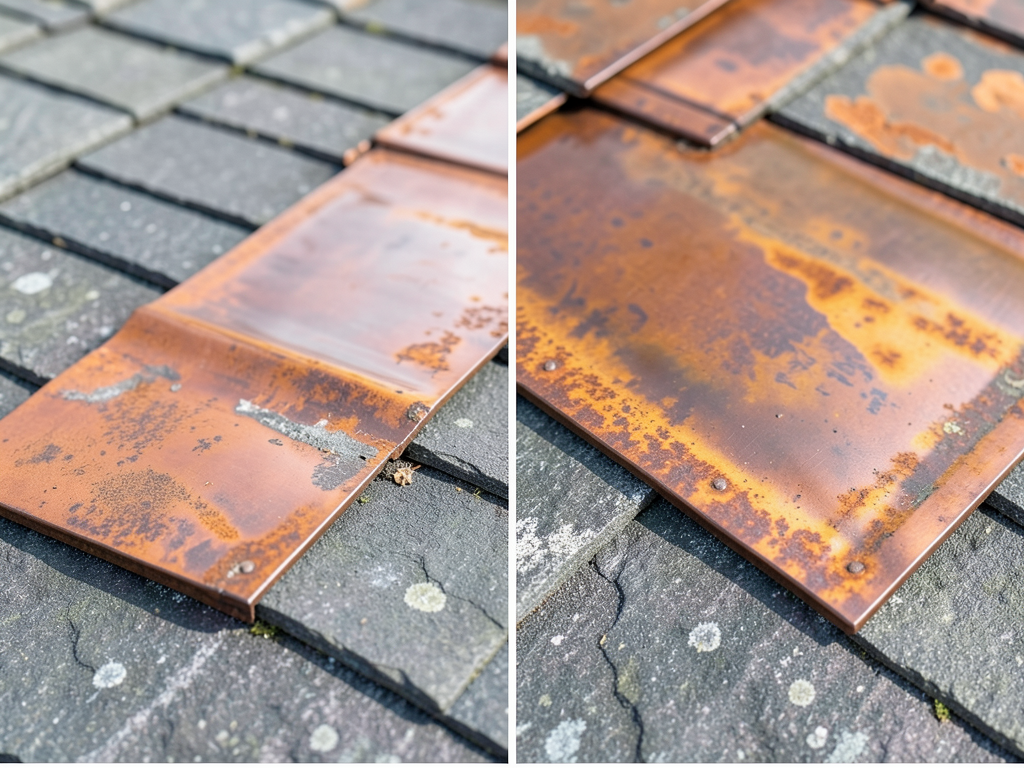
Copper flashing was standard on these historic roofs, providing superior weather protection at valleys, chimneys, and roof penetrations. Today’s restoration work often involves repairing or replacing this copper work, which develops a protective patina over decades of exposure to St. Louis’s variable climate.
Common Issues with Aging Slate and Tile Roofs
Historic slate and tile roofs in the Central West End develop specific failure patterns that require expert diagnosis. Understanding these issues helps homeowners recognize when professional restoration is needed.
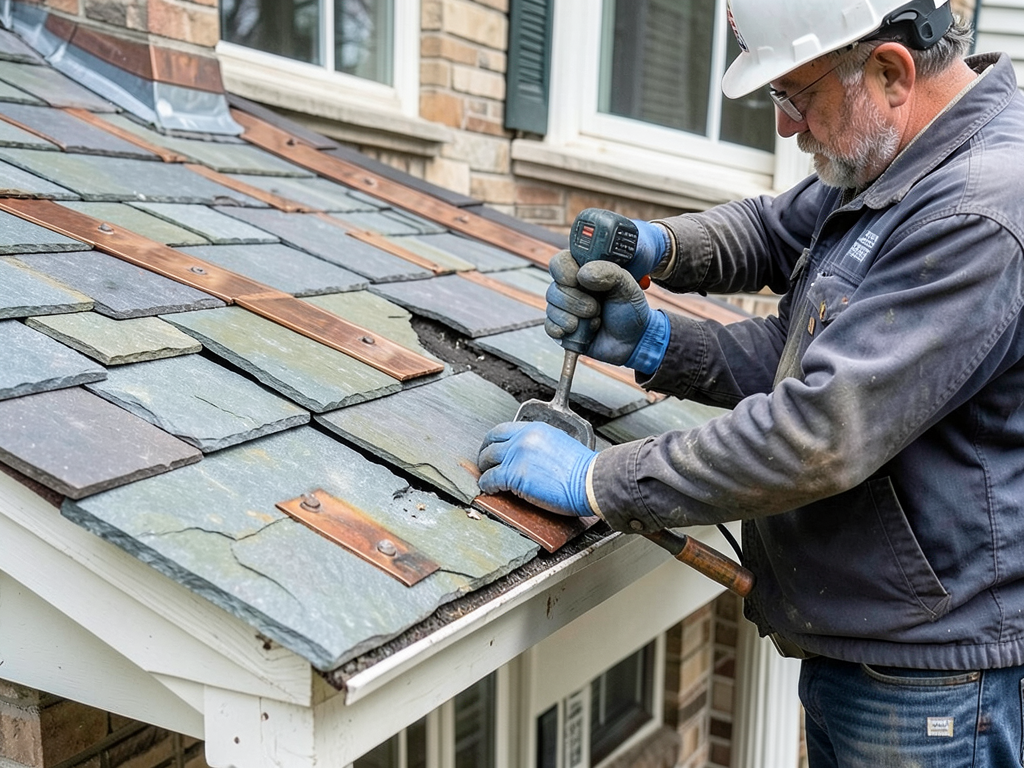
Cracked or broken slates often result from foot traffic by untrained workers, severe weather impact, or the natural deterioration of the slate over time. Unlike asphalt shingles, individual slates can be replaced without affecting surrounding materials, but this requires specialized tools like slate rippers and precise matching of size, thickness, and color.
Failing copper valley flashing represents another common issue. The valleys where roof planes meet handle the highest volume of water runoff, and deteriorated flashing here can cause significant water damage to the underlying structure. St. Louis’s freeze-thaw cycles accelerate this deterioration, making regular inspection crucial.
Box gutter leaks plague many historic Central West End homes. These built-in gutters, often lined with metal that’s reached the end of its service life, can cause water to back up under roofing materials. The repair process typically involves removing slates carefully, replacing the gutter liner, and reinstalling the original materials.
Ice dam formation creates unique problems in St. Louis winters. Heat escaping from poorly insulated attics melts snow on the roof surface, which then refreezes at the colder eaves. This ice buildup can force water under slates or tiles, causing leaks that homeowners might mistake for material failure.
Our Specialized Restoration Process
Restoring a historic slate or tile roof requires a methodical approach that protects both the materials and the home’s architectural integrity. Our process begins with a comprehensive inspection using techniques that reveal issues not visible from ground level.
During inspection, we document the roof’s current condition using detailed photography and moisture readings. This creates a baseline for planning repairs and helps identify areas where previous work may have caused damage. We pay special attention to flashing conditions, gutter systems, and any signs of structural movement that could affect the roof.
Material sourcing presents one of the biggest challenges in historic roof restoration. For slate repairs, we maintain relationships with salvage yards and quarries to source matching materials. When original Vermont slate is needed, we can often find salvaged material from buildings undergoing demolition, though new slate from the same Vermont quarries remains available.
The actual repair process uses specialized tools that minimize damage to surrounding materials. Slate rippers allow us to remove damaged slates without disturbing adjacent ones. Copper nails, specifically designed for slate installation, provide the proper holding power without creating stress points that could cause future cracking.
Work in the Central West End Historic District requires compliance with specific preservation guidelines. The St. Louis Cultural Resources Office oversees these properties, and our team maintains current knowledge of their requirements for material replacement, flashing details, and overall roof appearance.
Weather protection during restoration is critical. We use temporary coverings that allow the home to breathe while protecting it from water infiltration. This is especially important given St. Louis’s unpredictable spring storms and summer thunderstorms. Fixing Wind and Storm Damage Before It Ruins Your St. Louis Home.
Historic District Compliance and Preservation Standards
Working in the Central West End Historic District means adhering to strict preservation standards that protect the neighborhood’s architectural heritage. The St. Louis Cultural Resources Office requires that any visible exterior changes maintain the property’s historic character.
For slate and tile roof restoration, this means replacement materials must match the original in size, thickness, color, and texture. Modern synthetic alternatives, while often more affordable, typically cannot be used on visible roof areas in historic districts. The preservation office reviews proposed work before it begins, ensuring compliance with the Secretary of the Interior’s Standards for Rehabilitation. Secretary of the Interior’s Standards for Rehabilitation.
Copper flashing replacement must use the same gauge and profile as the original material. Modern alternatives like aluminum or painted steel, while less expensive, don’t develop the same patina or longevity as copper. The preservation guidelines recognize that maintaining original materials, even at higher cost, preserves the property’s historic value.
Roof pitch and installation patterns must match original construction. This is particularly important for tile roofs, where the specific profile and arrangement contribute to the home’s architectural character. Changing these elements, even for improved performance, typically requires special approval that’s rarely granted for historic properties.
Our team maintains current certification in historic preservation techniques and regularly consults with preservation architects on complex projects. This expertise ensures that restoration work not only solves the immediate roofing issues but also maintains compliance with all applicable historic district requirements.
Restoration vs. Replacement: Cost-Benefit Analysis
Many Central West End homeowners facing slate or tile roof issues assume complete replacement is their only option. However, professional restoration often provides superior value while preserving the home’s historic character.
The cost of complete slate roof replacement in the Central West End typically ranges from $1,500 to $2,500 per square (100 square feet), with premium materials and historic compliance adding to the expense. This investment, while substantial, often proves more economical than replacement when considering the roof’s remaining useful life.
Restoration work, by contrast, usually costs 40-60% less than full replacement. Targeted repairs addressing specific problem areas while leaving sound materials in place can extend a roof’s life by 20-30 years. This approach also maintains the home’s historic character, which can be crucial for property values in historic districts.
The environmental impact of restoration versus replacement represents another consideration. Manufacturing new slate or tile requires significant energy input, while restoration reuses existing materials. For environmentally conscious homeowners, this aspect of restoration aligns with broader sustainability goals.
Insurance considerations also favor restoration in many cases. Some insurers offer premium discounts for maintaining original historic materials, recognizing their superior durability compared to modern alternatives. Additionally, proper restoration using historic techniques often qualifies for specialized insurance coverage that may not be available for non-standard roofing materials.
Why General Roofers Can’t Handle Historic Slate and Tile
The specialized nature of slate and tile roof restoration creates a significant gap in the roofing industry. General roofing contractors typically lack the specific knowledge, tools, and experience needed to work with these materials without causing damage.
Slate and tile require different walking patterns than asphalt shingles. The weight concentration from a single footstep can crack slate or break tile, making proper roof access techniques essential. Our technicians use roof jacks and boards that distribute weight across multiple material pieces, preventing the damage that occurs when untrained workers walk directly on these surfaces.
The tools themselves represent a significant investment. Slate rippers, tile cutters, and copper nailers aren’t standard equipment in most roofing companies. These specialized tools, combined with the training to use them properly, create a barrier to entry that protects homeowners who need genuine historic restoration expertise.
Material knowledge extends beyond simple identification. Understanding the differences between Vermont and Pennsylvania slate, knowing which copper alloys work best for specific flashing applications, and recognizing the signs of historic repair versus original construction all require years of specialized experience.
Insurance and liability considerations also differentiate specialized historic restoration contractors. The risks of working with premium materials and on historic properties require specific coverage that many general contractors don’t carry. This protection extends to homeowners, who gain peace of mind knowing their valuable historic assets are in qualified hands.
Maintaining Your Restored Historic Roof
Once your slate or tile roof has been professionally restored, proper maintenance helps maximize its service life while protecting your investment. The maintenance requirements for these premium materials differ significantly from standard roofing systems.
Annual inspections by qualified professionals can identify potential issues before they become major problems. These inspections should include checking for loose or damaged slates, examining flashing conditions, and ensuring gutters and downspouts remain clear. The freeze-thaw cycles common to St. Louis make fall inspections particularly important for identifying winter vulnerabilities.
Gutter maintenance takes on added importance with historic slate and tile roofs. The weight of these materials means the roof structure must remain sound, and water backup from clogged gutters can cause damage that affects the entire roofing system. Regular cleaning, especially after fall leaf drop, prevents many common issues.
Tree management around historic homes requires special consideration. While mature trees enhance the Central West End’s character, overhanging branches can damage roofing materials during storms. Strategic pruning that maintains the home’s historic appearance while protecting the roof often requires balancing competing priorities.
Interior attic ventilation plays a crucial role in roof longevity. Proper airflow prevents moisture buildup that can affect both the roof structure and the roofing materials themselves. Many historic homes lack modern ventilation systems, making retrofitting a worthwhile investment that can extend roof life significantly.
Documentation of all restoration work provides valuable reference for future maintenance. Our detailed inspection reports and material specifications help ensure that any future work maintains consistency with the original restoration, preserving both the roof’s performance and the home’s historic character.
Frequently Asked Questions
Can you walk on a slate roof without breaking the slates?
Yes, but only with proper techniques and equipment. Our technicians use specialized roof jacks, boards that distribute weight, and specific walking patterns that prevent damage to the slate. General roofers who walk directly on slate often cause the very damage that requires repair.
How long do slate and tile roof repairs typically last?
Quality repairs using proper techniques and materials typically last 20-30 years, matching the original material’s service life. The key factors are using matching materials, proper installation techniques, and addressing underlying issues like flashing or structural problems that may have contributed to the original failure.
Do you offer emergency leak repair for historic roofs?
Yes, we provide emergency services for active leaks in historic slate and tile roofs throughout the Central West End. Our emergency response includes temporary protection to prevent further damage, followed by permanent repairs that maintain historic compliance and material integrity.
Will restoring my historic roof increase my home’s value?
Professional restoration typically increases both market value and historic preservation ratings. In the Central West End Historic District, maintaining original roofing materials often provides the best return on investment compared to replacement with modern alternatives.
How do I know if my historic roof needs restoration versus replacement?
A professional inspection can determine the roof’s overall condition and identify which areas need repair versus replacement. Many historic roofs that appear to need complete replacement actually have sound materials that can be salvaged with targeted restoration work.
Are permits required for historic roof restoration in the Central West End?
Yes, work in the Central West End Historic District requires approval from the St. Louis Cultural Resources Office. We handle the permit process as part of our restoration services, ensuring all work meets preservation standards before it begins.
What makes copper flashing better than modern alternatives for historic roofs?
Copper flashing offers superior longevity, develops a protective patina that enhances historic appearance, and maintains compatibility with original construction techniques. While more expensive initially, copper typically lasts the life of the roof, making it more economical over time than replacing cheaper materials repeatedly.
- Schedule Annual Professional Inspections
Have a qualified historic roof specialist inspect your slate or tile roof each year, preferably in late fall before winter weather arrives. These inspections identify loose slates, failing flashing, and other issues before they cause major damage.
- Clean Gutters and Downspouts Regularly
Keep all roof drainage systems clear of debris, especially after fall leaf drop and spring storms. Water backup from clogged gutters can force moisture under roofing materials, causing damage that’s difficult to detect until major repairs are needed.
- Address Small Issues Promptly
When inspection reveals minor problems like a few loose slates or small flashing gaps, schedule repairs quickly. Small issues typically cost far less to fix than the damage they cause if left unattended through another winter season.
The Central West End’s historic homes deserve roofing expertise that matches their architectural significance. Whether your slate or tile roof needs targeted repairs or comprehensive restoration, choosing a contractor with specific experience in historic preservation ensures the work protects both your investment and your home’s character.
Don’t trust your historic roof to general contractors who lack the specialized knowledge these premium materials require. The freeze-thaw cycles, severe storms, and preservation requirements unique to St. Louis demand expertise that only comes from years of focused experience with historic roofing systems.
Ready to restore your historic roof properly? Call (314) 417-7774 today to schedule your comprehensive inspection. Our team specializes in preserving Central West End’s architectural heritage while ensuring your roof provides reliable protection for decades to come.
Pick up the phone and call (314) 417-7774 before the next storm hits. Your historic home deserves roofing expertise that understands both its past and its future.
{
“@context”: “https://schema.org”,
“@type”: “BlogPosting”,
“headline”: “Restoring Historic Slate and Tile Roofs in the Central West End”,
“description”: “Expert slate and tile roof restoration for Central West End’s historic homes. Learn about specialized repairs, preservation compliance, and why general roofers can’t handle these delicate materials.”,
“wordCount”: 2543,
“datePublished”: “2026-02-17T14:30:00.000Z”,
“dateModified”: “2026-02-17T14:30:00.000Z”,
“inLanguage”: “en-US”,
“mainEntityOfPage”: {
“@type”: “WebPage”,
“@id”: “https://pioneerroofingstlouis.com”
},
“publisher”: {
“@type”: “LocalBusiness”,
“name”: “Pioneer Roofing St. Louis”,
“url”: “https://pioneerroofingstlouis.com”
},
“author”: {
“@type”: “Organization”,
“name”: “Pioneer Roofing St. Louis”,
“url”: “https://pioneerroofingstlouis.com”
},
“image”: {
“@type”: “ImageObject”,
“url”: “https://pioneerroofingstlouis.com/wp-content/uploads/2026/03/restoring-historic-slate-and-tile-roofs-in-the-cen-1.png”
}
}
{
“@context”: “https://schema.org”,
“@type”: “RoofingContractor”,
“name”: “Pioneer Roofing St. Louis”,
“url”: “https://pioneerroofingstlouis.com”,
“address”: {
“@type”: “PostalAddress”,
“addressLocality”: “St. Louis”
},
“areaServed”: {
“@type”: “City”,
“name”: “St. Louis”
}
}
{
“@context”: “https://schema.org”,
“@type”: “FAQPage”,
“mainEntity”: [
{
“@type”: “Question”,
“name”: “Can you walk on a slate roof without breaking the slates?”,
“acceptedAnswer”: {
“@type”: “Answer”,
“text”: “Yes, but only with proper techniques and equipment. Our technicians use specialized roof jacks, boards that distribute weight, and specific walking patterns that prevent damage to the slate. General roofers who walk directly on slate often cause the very damage that requires repair.”
}
},
{
“@type”: “Question”,
“name”: “How long do slate and tile roof repairs typically last?”,
“acceptedAnswer”: {
“@type”: “Answer”,
“text”: “Quality repairs using proper techniques and materials typically last 20-30 years, matching the original material’s service life. The key factors are using matching materials, proper installation techniques, and addressing underlying issues like flashing or structural problems that may have contributed to the original failure.”
}
},
{
“@type”: “Question”,
“name”: “Do you offer emergency leak repair for historic roofs?”,
“acceptedAnswer”: {
“@type”: “Answer”,
“text”: “Yes, we provide emergency services for active leaks in historic slate and tile roofs throughout the Central West End. Our emergency response includes temporary protection to prevent further damage, followed by permanent repairs that maintain historic compliance and material integrity.”
}
},
{
“@type”: “Question”,
“name”: “Will restoring my historic roof increase my home’s value?”,
“acceptedAnswer”: {
“@type”: “Answer”,
“text”: “Professional restoration typically increases both market value and historic preservation ratings. In the Central West End Historic District, maintaining original roofing materials often provides the best return on investment compared to replacement with modern alternatives.”
}
},
{
“@type”: “Question”,
“name”: “How do I know if my historic roof needs restoration versus replacement?”,
“acceptedAnswer”: {
“@type”: “Answer”,
“text”: “A professional inspection can determine the roof’s overall condition and identify which areas need repair versus replacement. Many historic roofs that appear to need complete replacement actually have sound materials that can be salvaged with targeted restoration work.”
}
},
{
“@type”: “Question”,
“name”: “Are permits required for historic roof restoration in the Central West End?”,
“acceptedAnswer”: {
“@type”: “Answer”,
“text”: “Yes, work in the Central West End Historic District requires approval from the St. Louis Cultural Resources Office. We handle the permit process as part of our restoration services, ensuring all work meets preservation standards before it begins.”
}
},
{
“@type”: “Question”,
“name”: “What makes copper flashing better than modern alternatives for historic roofs?”,
“acceptedAnswer”: {
“@type”: “Answer”,
“text”: “Copper flashing offers superior longevity, develops a protective patina that enhances historic appearance, and maintains compatibility with original construction techniques. While more expensive initially, copper typically lasts the life of the roof, making it more economical over time than replacing cheaper materials repeatedly.”
}
}
]
}
{
“@context”: “https://schema.org”,
“@type”: “HowTo”,
“name”: “How to Maintain a Historic Slate Roof”,
“step”: [
{
“@type”: “HowToStep”,
“position”: 1,
“name”: “Schedule Annual Professional Inspections”,
“text”: “Have a qualified historic roof specialist inspect your slate or tile roof each year, preferably in late fall before winter weather arrives. These inspections identify loose slates, failing flashing, and other issues before they cause major damage.”
},
{
“@type”: “HowToStep”,
“position”: 2,
“name”: “Clean Gutters and Downspouts Regularly”,
“text”: “Keep all roof drainage systems clear of debris, especially after fall leaf drop and spring storms. Water backup from clogged gutters can force moisture under roofing materials, causing damage that’s difficult to detect until major repairs are needed.”
},
{
“@type”: “HowToStep”,
“position”: 3,
“name”: “Address Small Issues Promptly”,
“text”: “When inspection reveals minor problems like a few loose slates or small flashing gaps, schedule repairs quickly. Small issues typically cost far less to fix than the damage they cause if left unattended through another winter season.”
}
],
“image”: “https://pioneerroofingstlouis.com/wp-content/uploads/2026/03/restoring-historic-slate-and-tile-roofs-in-the-cen-1.png”
}
{
“@context”: “https://schema.org”,
“@type”: “BreadcrumbList”,
“itemListElement”: [
{
“@type”: “ListItem”,
“position”: 1,
“name”: “Home”,
“item”: “https://pioneerroofingstlouis.com”
},
{
“@type”: “ListItem”,
“position”: 2,
“name”: “Blog”,
“item”: “https://pioneerroofingstlouis.com/blog”
},
{
“@type”: “ListItem”,
“position”: 3,
“name”: “Restoring Historic Slate and Tile Roofs in the Central West End”
}
]
}
{
“@context”: “https://schema.org”,
“@type”: “Service”,
“serviceType”: “Roofing”,
“provider”: {
“@type”: “LocalBusiness”,
“name”: “Pioneer Roofing St. Louis”,
“url”: “https://pioneerroofingstlouis.com”
},
“areaServed”: {
“@type”: “City”,
“name”: “St. Louis”
},
“description”: “Expert slate and tile roof restoration for Central West End’s historic homes. Learn about specialized repairs, preservation compliance, and why general roofers can’t handle these delicate materials.”
}