
What Every Webster Groves Homeowner Needs to Know About Roofing Codes
Webster Groves roofing codes are not just bureaucratic hurdles—they are essential safeguards for your home’s integrity and your family’s safety. If you’re planning any roofing work in Webster Groves, understanding these regulations before you start is critical. The city’s historic character and specific climate challenges mean that roofing projects must meet both St. Louis County building standards and Webster Groves’ own preservation guidelines. Webster Groves Building Division.
Webster Groves, with its mix of early 20th-century architecture and newer developments, has unique roofing requirements. From Tudor-style homes on North Gore to mid-century ranches in Old Orchard, each neighborhood presents different challenges. The city sits in a region prone to severe weather—hail storms that can strip shingles in minutes and freeze-thaw cycles that stress every roofing material. These factors drive specific code requirements that protect both the structure and the community’s historic character. Reliable Roofing Services for Your Affton Home or Rental Property.
Before you hire any contractor or purchase materials, you need to understand what permits are required, which historic district rules apply to your property, and how local codes affect your choices. This guide breaks down everything Webster Groves homeowners need to know about roofing codes, from permit applications to material specifications. How to Navigate a Roofing Insurance Claim After a St. Louis Hail Storm.
Understanding Webster Groves Building Permits and Codes
Every roofing project in Webster Groves that involves more than minor repairs requires a building permit from the city’s Building Division. This includes complete roof replacements, structural modifications, and installations of new roofing systems. The permit process ensures your project meets the International Residential Code (IRC) as adopted by St. Louis County, with local amendments specific to Webster Groves. St. Louis County Building Codes.
The permit application requires detailed plans showing the existing roof structure, proposed materials, and any changes to roof pitch or load-bearing elements. For homes in historic districts, additional documentation may be needed to demonstrate compliance with preservation guidelines. The city reviews applications for structural integrity, fire safety, and energy efficiency compliance.
Permit fees vary based on project scope but typically range from $150 to $500 for residential roofing work. Processing times can take 5-10 business days for standard permits, but historic district projects may require additional review periods of 2-3 weeks. Work cannot begin until the permit is issued and displayed at the job site.
Historic Preservation Guidelines in Webster Groves
Webster Groves contains several historic districts where roofing work must comply with strict preservation guidelines. The Old Webster Business District and residential historic districts along North and South Gore, as well as portions of Lockwood Avenue, have specific requirements to maintain architectural integrity.
In these districts, you cannot simply replace original materials with modern alternatives. Slate roofs must be replaced with matching slate or approved synthetic slate that mimics the original appearance. Wood shakes in historic areas require replacement with materials that maintain the same visual character from street level. Even color choices are regulated—you cannot install dark gray shingles on a home that originally featured light-colored roofing.
The Webster Groves Historic Preservation Commission reviews all exterior modifications in designated districts. Their approval process examines whether proposed materials, colors, and installation methods preserve the historic character. This often means using traditional installation techniques and sourcing materials that match original specifications, even if they cost more than standard options.
Violating historic preservation guidelines can result in fines up to $500 per day and mandatory removal of non-compliant work. The commission also has the authority to delay or deny permits that don’t meet preservation standards, potentially adding weeks or months to your project timeline.
St. Louis County Climate Requirements for Roofing
St. Louis County’s climate creates specific roofing code requirements that Webster Groves homeowners must follow. The region experiences approximately 41 inches of annual rainfall, concentrated in spring and summer thunderstorms. This precipitation pattern drives requirements for enhanced underlayment in valleys and around roof penetrations. Fixing Wind and Storm Damage Before It Ruins Your St. Louis Home.
The freeze-thaw cycle presents another challenge. When temperatures fluctuate above and below freezing, moisture trapped in roofing materials expands and contracts, causing damage. Webster Groves codes require ice and water shield installation extending at least 24 inches past the interior wall line in most jurisdictions. This self-adhering membrane prevents ice dam formation that can force water under shingles.
Hail damage is particularly prevalent in the St. Louis area, with the region experiencing 8-10 significant hail events annually. Building codes now recommend Class 3 or 4 impact-resistant shingles in many areas, though these are not always mandatory. However, insurance companies often provide premium discounts for homes with impact-resistant roofing, making them a cost-effective choice despite higher initial prices.
High winds accompanying thunderstorms create uplift forces that can tear roofing materials from structures. Webster Groves follows International Building Code requirements for wind resistance, typically requiring shingles rated for 90-120 mph winds depending on specific location and roof height. Proper fastening patterns and starter strip installation are critical code compliance points.
Material Requirements and Code Compliance
Webster Groves building codes specify minimum standards for roofing materials based on fire resistance, wind uplift, and durability ratings. Asphalt shingles must carry a Class A fire rating and meet ASTM D3462 standards for quality and performance. The city also requires proper underlayment—typically #30 felt or synthetic alternatives—installed according to manufacturer specifications. High Quality Roof Replacements for Creve Coeur Properties.
For homes with wood shakes or shingles, codes require pressure-treated materials meeting specific flame spread ratings. Many historic homes in Webster Groves originally featured wood roofing, but current codes often mandate fire-retardant treatments or alternative materials that maintain the historic appearance while meeting modern safety standards.
Metal roofing installations must follow strict fastening requirements to prevent galvanic corrosion and ensure proper expansion gaps. The codes specify minimum slope requirements—typically 3:12 pitch for most metal systems—and require proper ventilation to prevent condensation that can damage roof structures over time.
Slate and tile installations, common in Webster Groves’ historic districts, have their own set of requirements. These heavy materials need reinforced roof structures to support the additional weight—often 800-1,200 pounds per square for slate. Building codes require engineering calculations for any installation over existing structures not originally designed for such loads.
Inspection Requirements and Final Approval
Webster Groves requires multiple inspections during roofing projects to ensure code compliance. The first inspection occurs after tear-off and before new materials are installed, verifying that the roof deck is sound and properly prepared. A second inspection checks underlayment installation and flashing details before shingle or other covering installation.
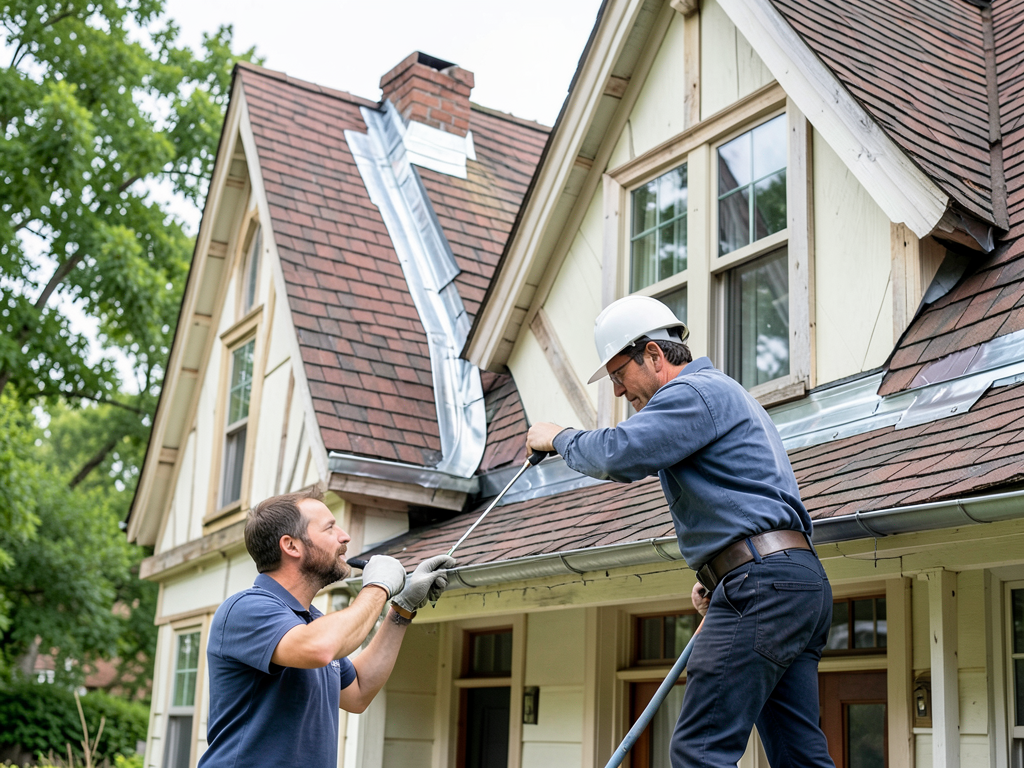
The final inspection occurs after project completion and includes verification of proper fastening, ventilation, and accessory installation. Inspectors check that ridge vents are correctly placed, that step flashing around chimneys and walls meets code requirements, and that all penetrations are properly sealed.
Failure to pass inspections can halt work until corrections are made. Common issues include insufficient nailing patterns, missing ice and water shield in required areas, and improper flashing installation. These corrections often require partial roof removal, adding significant time and cost to projects.
Once all inspections pass, the city issues a Certificate of Compliance, which is often required for final payment from insurance companies and to maintain warranty coverage from material manufacturers. Without this certificate, you may face difficulties selling your home or filing insurance claims related to the roof.
Common Code Violations and How to Avoid Them
Understanding common roofing code violations can help you avoid costly mistakes. One frequent violation involves inadequate ventilation. Building codes require specific net free ventilation area—typically 1 square foot per 150 square feet of attic space, or 1:300 if a vapor barrier is present. Insufficient ventilation leads to moisture buildup, reduced energy efficiency, and premature roof failure.
Another common issue is improper flashing installation. Codes require step flashing around chimneys, walls, and roof penetrations to prevent water infiltration. Many DIY or inexperienced installations use continuous flashing or omit flashing entirely, creating leak points that may not show damage for years.
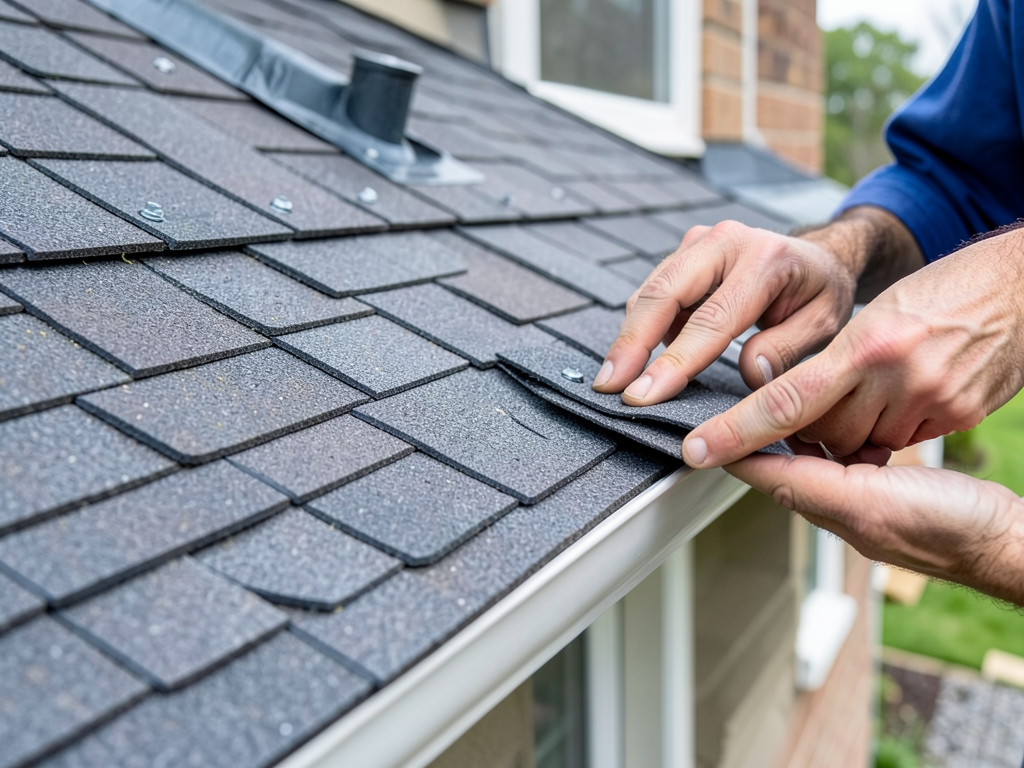
Overdriven or underdriven fasteners represent another violation category. Roofing nails must penetrate through the roof deck or have specific minimum penetration depths. Overdriven nails lose holding power, while underdriven nails create raised areas that can damage shingles and create leak points.
Missing or inadequate drip edge is a violation that affects both code compliance and roof performance. Drip edge directs water away from fascia boards and into gutters, preventing rot and water damage. Building codes require drip edge along eaves and gable ends, with specific installation methods depending on roof configuration.
Working with licensed, experienced contractors who understand local codes helps avoid these violations. Professional roofers know inspection requirements and common pitfalls, reducing the risk of failed inspections and costly rework.
Insurance and Warranty Considerations
Your roofing choices affect not just code compliance but also insurance coverage and warranty protection. Many insurance companies offer premium discounts for roofs meeting specific impact resistance ratings or featuring enhanced wind resistance. However, they may also deny claims if work was done without proper permits or inspections.
Material manufacturers typically require professional installation and code compliance to honor warranty claims. Installing non-compliant materials or using improper installation techniques can void warranties, leaving you responsible for repair costs that might otherwise be covered.
Insurance companies often require documentation of proper permits and inspections when processing claims related to roof damage. Without this documentation, they may argue that damage resulted from code violations rather than covered perils, potentially denying your claim.
Some Webster Groves homeowners find that investing in higher-quality, code-compliant materials actually saves money over time through insurance discounts, extended warranties, and reduced maintenance costs. The initial premium often pays for itself through these benefits and increased property values.
Choosing the Right Contractor for Code Compliance
Selecting a contractor who understands Webster Groves roofing codes is crucial for project success. Look for contractors licensed in Missouri who carry both general liability and workers’ compensation insurance. Ask about their experience with local permits and historic district projects specifically.
Reputable contractors should provide detailed written estimates that include permit costs, inspection fees, and specific materials meeting code requirements. They should also explain how they’ll handle historic district approvals if your property falls within designated areas.
Ask potential contractors about their relationships with local building officials and their track record with inspections. Contractors who regularly work in Webster Groves should have established processes for navigating the permit system and addressing inspection requirements.
Be wary of contractors who suggest skipping permits or who seem unfamiliar with local requirements. These shortcuts often lead to code violations, failed inspections, and potentially unsafe installations that could compromise your home’s structural integrity.
Frequently Asked Questions
Do I need a permit for minor roof repairs in Webster Groves?
Minor repairs like replacing a few damaged shingles typically don’t require permits. However, if you’re repairing more than 25% of the roof area or making structural changes, you’ll need a permit. When in doubt, contact the Webster Groves Building Division for guidance. Who to Call for 24 Hour Roof Repairs Anywhere in St. Louis.
How long do roofing permits last in Webster Groves?
Roofing permits are typically valid for 180 days from issuance. If your project extends beyond this timeframe, you may need to request an extension or obtain a new permit. Weather delays and material shortages are common reasons for permit extensions.
Can I install a new roof over my existing one in Webster Groves?
Building codes generally allow one layer of roofing material over existing roofs, but this depends on the condition of the existing roof and the type of new material. Adding a second layer often violates code requirements for proper underlayment and ventilation, so complete removal is usually recommended.
What happens if I don’t get the required permits?
Working without required permits can result in stop-work orders, fines, and mandatory removal of non-compliant work. You may also face difficulties selling your home, as buyers and their lenders typically require proof of proper permits and inspections for major improvements.
Are there energy efficiency requirements for new roofs in Webster Groves?
While Webster Groves doesn’t have specific energy efficiency mandates beyond state and county requirements, building codes do require proper attic ventilation and may have requirements for radiant barriers or reflective roofing in certain applications. These requirements help reduce energy consumption and prevent moisture-related damage.
Protecting Your Investment Through Code Compliance
Understanding and following Webster Groves roofing codes isn’t just about avoiding fines or passing inspections—it’s about protecting your home and your investment. Proper code compliance ensures your roof will perform as intended, protecting your home from water damage, improving energy efficiency, and maintaining property values in your neighborhood.
The upfront time and cost of navigating permits, inspections, and code requirements pays dividends through extended roof life, reduced maintenance costs, and preserved warranty coverage. More importantly, it ensures your family’s safety and your home’s structural integrity for years to come.
When you’re ready to start your roofing project, work with contractors who understand the local requirements and can guide you through the process. The right professional will handle permit applications, coordinate inspections, and ensure your installation meets all Webster Groves and St. Louis County requirements.
Call (314) 417-7774 today to schedule your inspection. Our team understands Webster Groves roofing codes inside and out, and we’ll ensure your project meets every requirement while delivering the quality and durability your home deserves. Don’t wait until the next storm reveals code violations—get it right the first time with expert guidance from local professionals who know the rules.
{
“@context”: “https://schema.org”,
“@type”: “BlogPosting”,
“headline”: “What Every Webster Groves Homeowner Needs to Know About Roofing Codes”,
“description”: “Learn Webster Groves roofing codes, historic preservation rules, and permit requirements. Get expert advice on navigating local regulations for your home or business.”,
“wordCount”: 2265,
“datePublished”: “2026-02-20T13:56:00.000Z”,
“dateModified”: “2026-02-20T13:56:00.000Z”,
“inLanguage”: “en-US”,
“mainEntityOfPage”: {
“@type”: “WebPage”,
“@id”: “https://pioneerroofingstlouis.com”
},
“publisher”: {
“@type”: “LocalBusiness”,
“name”: “Pioneer Roofing St. Louis”,
“url”: “https://pioneerroofingstlouis.com”
},
“author”: {
“@type”: “Organization”,
“name”: “Pioneer Roofing St. Louis”,
“url”: “https://pioneerroofingstlouis.com”
},
“image”: {
“@type”: “ImageObject”,
“url”: “https://pioneerroofingstlouis.com/wp-content/uploads/2026/03/what-every-webster-groves-homeowner-needs-to-know-1.png”
}
}
{
“@context”: “https://schema.org”,
“@type”: “RoofingContractor”,
“name”: “Pioneer Roofing St. Louis”,
“url”: “https://pioneerroofingstlouis.com”,
“address”: {
“@type”: “PostalAddress”,
“addressLocality”: “St. Louis”
},
“areaServed”: {
“@type”: “City”,
“name”: “St. Louis”
}
}
{
“@context”: “https://schema.org”,
“@type”: “FAQPage”,
“mainEntity”: [
{
“@type”: “Question”,
“name”: “Do I need a permit for minor roof repairs in Webster Groves?”,
“acceptedAnswer”: {
“@type”: “Answer”,
“text”: “Minor repairs like replacing a few damaged shingles typically don’t require permits. However, if you’re repairing more than 25% of the roof area or making structural changes, you’ll need a permit. When in doubt, contact the Webster Groves Building Division for guidance. Who to Call for 24 Hour Roof Repairs Anywhere in St. Louis.”
}
},
{
“@type”: “Question”,
“name”: “How long do roofing permits last in Webster Groves?”,
“acceptedAnswer”: {
“@type”: “Answer”,
“text”: “Roofing permits are typically valid for 180 days from issuance. If your project extends beyond this timeframe, you may need to request an extension or obtain a new permit. Weather delays and material shortages are common reasons for permit extensions.”
}
},
{
“@type”: “Question”,
“name”: “Can I install a new roof over my existing one in Webster Groves?”,
“acceptedAnswer”: {
“@type”: “Answer”,
“text”: “Building codes generally allow one layer of roofing material over existing roofs, but this depends on the condition of the existing roof and the type of new material. Adding a second layer often violates code requirements for proper underlayment and ventilation, so complete removal is usually recommended.”
}
},
{
“@type”: “Question”,
“name”: “What happens if I don’t get the required permits?”,
“acceptedAnswer”: {
“@type”: “Answer”,
“text”: “Working without required permits can result in stop-work orders, fines, and mandatory removal of non-compliant work. You may also face difficulties selling your home, as buyers and their lenders typically require proof of proper permits and inspections for major improvements.”
}
},
{
“@type”: “Question”,
“name”: “Are there energy efficiency requirements for new roofs in Webster Groves?”,
“acceptedAnswer”: {
“@type”: “Answer”,
“text”: “While Webster Groves doesn’t have specific energy efficiency mandates beyond state and county requirements, building codes do require proper attic ventilation and may have requirements for radiant barriers or reflective roofing in certain applications. These requirements help reduce energy consumption and prevent moisture-related damage.”
}
}
]
}
{
“@context”: “https://schema.org”,
“@type”: “BreadcrumbList”,
“itemListElement”: [
{
“@type”: “ListItem”,
“position”: 1,
“name”: “Home”,
“item”: “https://pioneerroofingstlouis.com”
},
{
“@type”: “ListItem”,
“position”: 2,
“name”: “Blog”,
“item”: “https://pioneerroofingstlouis.com/blog”
},
{
“@type”: “ListItem”,
“position”: 3,
“name”: “What Every Webster Groves Homeowner Needs to Know About Roofing Codes”
}
]
}
{
“@context”: “https://schema.org”,
“@type”: “Service”,
“serviceType”: “Roofing”,
“provider”: {
“@type”: “LocalBusiness”,
“name”: “Pioneer Roofing St. Louis”,
“url”: “https://pioneerroofingstlouis.com”
},
“areaServed”: {
“@type”: “City”,
“name”: “St. Louis”
},
“description”: “Learn Webster Groves roofing codes, historic preservation rules, and permit requirements. Get expert advice on navigating local regulations for your home or business.”
}