
Understanding Your Roof Decking in St. Charles
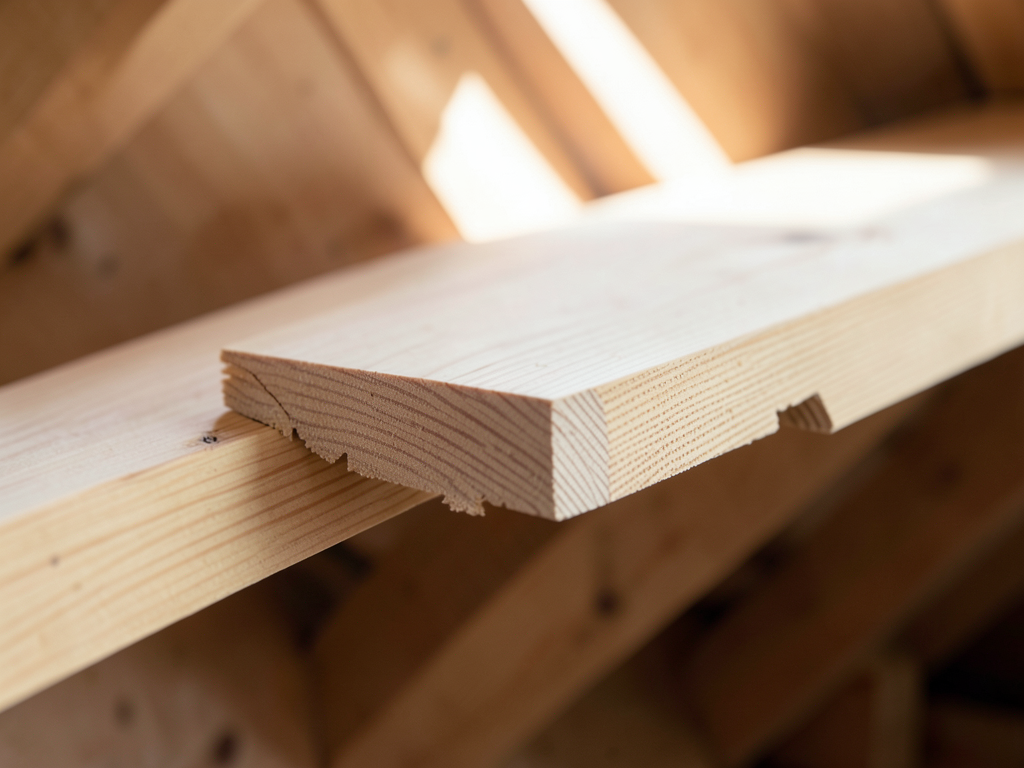
Your roof decking is the structural foundation that supports everything above it. In St. Charles homes built before 2000 you might find plywood tongue-and-groove boards or even the older 1×6 pine boards that were common in mid-century construction. Newer homes typically have OSB or modern plywood sheathing.. Read more about How to Tell if Your St. Louis Roof Decking is Rotting (Without Using a Ladder).
St. Charles experiences significant seasonal temperature swings with hot humid summers and cold winters. These conditions cause wood decking to expand and contract creating stress points at seams and fasteners. Homes near the Missouri River valley face additional moisture exposure from the river’s proximity.
Common Decking Materials Found in St. Charles Homes
The most frequent decking types we encounter include:
- 1×6 Pine Boards – Common in homes built before 1970
- 3/4″ Plywood – Standard from 1970-2000
- OSB (Oriented Strand Board) – Popular since 2000
- Engineered Wood Panels – Found in newer constructions
Warning Signs Your Decking May Have Issues
Walk through your attic on a dry day and listen for creaking sounds when you step on the decking. This often indicates loose fasteners or weakened wood. Look for dark stains or soft spots that feel spongy underfoot. In St. Charles’s older neighborhoods like St. Charles Hills you might find original decking that has never been replaced.
During heavy rains check your attic for water stains. Water travels along the decking before dripping through creating patterns that help identify the source. Homes near Fox Hill Park often deal with wind-driven rain that can penetrate older flashing systems.
Testing Your Decking’s Condition
A simple screwdriver test reveals much about your decking’s health. Press the tip into the wood surface. If it sinks easily the wood has lost its structural integrity. Pay special attention to areas around chimneys skylights and roof valleys where water concentrates.
Moisture meters provide objective data about wood content. Readings above 20% indicate elevated moisture that can lead to rot. In St. Charles’s humid climate maintaining readings below 15% is ideal for preventing fungal growth.
Building Code Requirements for Decking
According to the 2021 International Residential Code Section R803.1 roof decking must be installed with a minimum 1/8″ gap between panels to allow for expansion. In St. Charles County inspections verify this spacing along with proper fastener spacing of 6″ on edges and 12″ in the field. International Residential Code Section R803.1.
Local building officials in St. Charles County require decking replacement when more than 25% of the surface shows signs of rot or delamination. This protects against structural failure during high winds which are common in the Mississippi River valley.
Comparison of Decking Materials
| Material | Lifespan | Cost per Square | Best For |
|---|---|---|---|
| 1×6 Pine | 30-40 years | $75-90 | Historic homes |
| 3/4″ Plywood | 40-50 years | $85-100 | Most replacements |
| OSB | 25-30 years | $70-85 | New construction |
| Engineered Panels | 50+ years | $110-130 | Premium installations |
Moisture Issues Specific to St. Charles
St. Charles’s location in the Missouri River valley creates unique moisture challenges. Morning fog from the river can leave decking damp for extended periods. Homes in the Lakeside Park area often experience higher moisture levels due to their proximity to water features.
Ice damming during winter months forces water under shingles and into the decking. The freeze-thaw cycles common in St. Charles County cause expansion and contraction that widens gaps between boards over time. This is particularly problematic for homes with minimal attic ventilation.
When Replacement Becomes Necessary
Decking showing signs of rot soft spots or extensive water damage requires replacement. In St. Charles we frequently find decking that appears sound from above but reveals significant deterioration when shingles are removed. This is especially true for homes near Spencer Creek where humidity levels remain elevated year-round. Hail Damage Assessment.
Multiple roofing layers often conceal decking problems. Each layer traps heat and moisture accelerating deterioration of the underlying wood. Homes in the historic district with original decking under multiple shingle layers face the highest risk of hidden damage. Reliable Roofing Services for Your Affton Home or Rental Property.
Professional Inspection Process
A thorough decking inspection includes checking for proper fastening patterns verifying panel spacing and examining joints for separation. We use infrared cameras to detect moisture that isn’t visible to the naked eye. This technology reveals problem areas before they become visible from inside the attic.
Sound testing helps identify delamination. We tap across the decking surface listening for hollow sounds that indicate separation from the supporting structure. In St. Charles’s older neighborhoods this test often reveals extensive hidden damage in areas that appear solid from above.
Cost Factors for Decking Replacement
Decking replacement costs vary based on material accessibility and the extent of damage. Removing old decking from steep roofs or those with multiple penetrations increases labor time. Homes in the Barathaven area often require additional support structure upgrades when original 1×6 decking is replaced with modern panels.
Waste disposal fees for old decking can add $150-300 to replacement projects. Some older decking contains asbestos in the adhesives requiring special handling and disposal procedures that increase costs by 30-40%.
Preventive Maintenance Tips
Keep your attic ventilated to prevent moisture buildup. In St. Charles’s climate proper ventilation reduces decking moisture content by 15-20% annually. Install baffles to ensure airflow from soffits to ridge vents preventing hot spots that accelerate decking deterioration.
Clean gutters twice yearly to prevent ice dam formation. Homes near the Katy Trail often experience leaf accumulation that clogs gutters and directs water under shingles. Consider installing gutter guards if your property has mature trees nearby.
Making the Right Decision
Not all decking problems require complete replacement. Localized damage can often be repaired by replacing individual panels. However widespread deterioration especially in homes over 30 years old typically warrants full replacement to ensure structural integrity.
Consider your long-term plans for the property. If you plan to stay more than five years investing in quality decking replacement protects your home’s value and prevents costly emergency repairs. Homes in the St. Charles School District often see returns of 85-90% on quality roofing investments. Who to Call for 24 Hour Roof Repairs Anywhere in St. Louis.
If you suspect your decking has issues don’t wait for visible problems to appear. By then significant damage has already occurred. Call (314) 417-7774 for a professional inspection that identifies potential problems before they become emergencies. Our team understands St. Charles’s unique climate challenges and building patterns ensuring accurate assessments of your specific situation.
You may also find this helpful. A Homeowner Guide to Choosing the Right Roof Underlayment (Synthetic vs Felt).
{
“@context”: “https://schema.org”,
“@type”: “BlogPosting”,
“headline”: “What Type of Roof Decking is Hiding Under Your St. Charles Shingles?”,
“description”: “Discover what roof decking lies beneath your St. Charles shingles. Learn about local materials, warning signs, and when to call for a professional inspection.”,
“wordCount”: 1062,
“datePublished”: “2026-04-10T14:02:00.000Z”,
“dateModified”: “2026-04-10T14:02:00.000Z”,
“inLanguage”: “en-US”,
“mainEntityOfPage”: {
“@type”: “WebPage”,
“@id”: “https://pioneerroofingstlouis.com”
},
“publisher”: {
“@type”: “LocalBusiness”,
“name”: “Pioneer Roofing St. Louis”,
“url”: “https://pioneerroofingstlouis.com”
},
“author”: {
“@type”: “Organization”,
“name”: “Pioneer Roofing St. Louis”,
“url”: “https://pioneerroofingstlouis.com”
},
“image”: {
“@type”: “ImageObject”,
“url”: “https://pioneerroofingstlouis.com/wp-content/uploads/2026/03/what-type-of-roof-decking-is-hiding-under-your-st-1.png”
}
}
{
“@context”: “https://schema.org”,
“@type”: “RoofingContractor”,
“name”: “Pioneer Roofing St. Louis”,
“url”: “https://pioneerroofingstlouis.com”,
“address”: {
“@type”: “PostalAddress”,
“addressLocality”: “St. Louis”
},
“areaServed”: {
“@type”: “City”,
“name”: “St. Louis”
}
}
{
“@context”: “https://schema.org”,
“@type”: “BreadcrumbList”,
“itemListElement”: [
{
“@type”: “ListItem”,
“position”: 1,
“name”: “Home”,
“item”: “https://pioneerroofingstlouis.com”
},
{
“@type”: “ListItem”,
“position”: 2,
“name”: “Blog”,
“item”: “https://pioneerroofingstlouis.com/blog”
},
{
“@type”: “ListItem”,
“position”: 3,
“name”: “What Type of Roof Decking is Hiding Under Your St. Charles Shingles?”
}
]
}
{
“@context”: “https://schema.org”,
“@type”: “Service”,
“serviceType”: “Roofing”,
“provider”: {
“@type”: “LocalBusiness”,
“name”: “Pioneer Roofing St. Louis”,
“url”: “https://pioneerroofingstlouis.com”
},
“areaServed”: {
“@type”: “City”,
“name”: “St. Louis”
},
“description”: “Discover what roof decking lies beneath your St. Charles shingles. Learn about local materials, warning signs, and when to call for a professional inspection.”
}