
Why Proper Attic Ventilation is the Key to a Long Lasting St. Louis Roof
Your St. Louis roof faces brutal summers with 90% humidity and winters that freeze everything solid. But here’s what most homeowners don’t realize: the biggest threat to your roof isn’t the weather outside. It’s the trapped heat and moisture building up in your attic right now. Why Ladue Homeowners Trust These Specialized Roofing Contractors.
Without proper attic ventilation, your home becomes a pressure cooker that literally cooks your shingles from the inside out. The result? Premature roof failure, ice dams that tear off your gutters, and energy bills that skyrocket every summer. This guide explains exactly how ventilation works in our unique St. Louis climate and why cutting corners on this critical system costs you thousands.
How St. Louis Weather Destroys Roofs from the Inside
St. Louis sits in a climate zone that puts your roof through the wringer. Summer temperatures regularly hit 95°F with humidity levels that make it feel like 105°F. Your attic space? It can easily reach 150°F or higher. That’s hot enough to bake cookies.
In winter, the problem reverses. Warm air from your living space rises into the cold attic. When that warm, moist air hits the freezing underside of your roof deck, condensation forms. This creates the perfect breeding ground for mold and the conditions for ice dams.
According to the International Residential Code (IRC) Section R806, homes need 1 square foot of net free ventilation area for every 150 square feet of attic space. In high humidity areas like St. Louis, that ratio becomes even more critical.
The Science of Attic Airflow: Intake vs. Exhaust
Think of your attic like your home’s lungs. It needs to breathe in cool air and exhale hot air. This happens through two types of vents working together.
Intake vents sit low in your attic, typically in the soffits under your eaves. These draw in cool outside air. Exhaust vents sit high on your roof, allowing hot air to escape. The natural chimney effect creates continuous airflow that keeps your attic close to outside temperature.
When this system breaks down, hot air gets trapped. That trapped heat doesn’t just stay in your attic. It radiates down into your living space, making your air conditioner work overtime. Your energy bills tell the story every month.
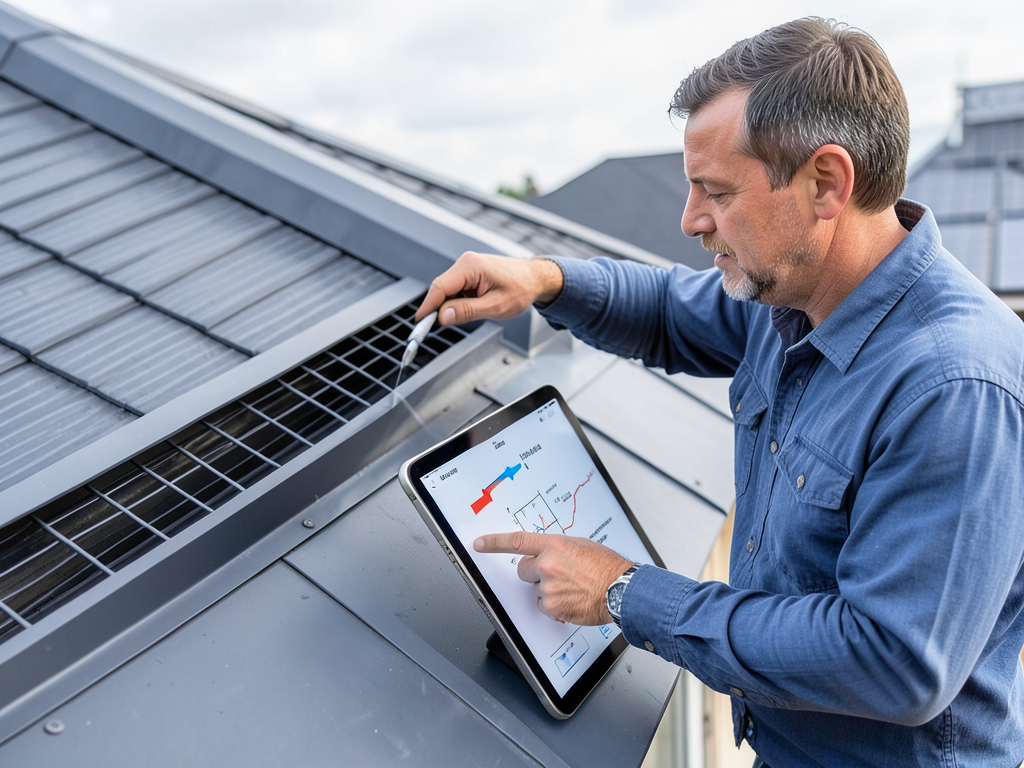
Diagram showing proper attic ventilation airflow with intake soffit vents and ridge exhaust vents creating continuous air movement
Types of Ventilation Systems We Install in St. Louis
Not all ventilation systems work the same in our climate. Here’s what actually performs in St. Louis conditions.
| Vent Type | Best For | St. Louis Performance |
|---|---|---|
| Ridge Vents | Most modern homes | Excellent – provides continuous exhaust along entire roof peak |
| Soffit Vents | Intake air source | Essential – must be clear of insulation for proper function |
| Power Attic Fans | Large attics, steep roofs | Good but requires electricity; can pull AC air if attic floor isn’t sealed |
| Gable Vents | Cross-ventilation in specific designs | Limited effectiveness in St. Louis humidity |
Ridge vents paired with soffit vents create the most reliable system for St. Louis homes. They work passively, require no electricity, and provide even airflow across your entire attic space. Reliable Roofing Services for Your Affton Home or Rental Property.
Signs Your St. Louis Home Has Poor Ventilation
Many homeowners don’t realize they have a ventilation problem until it’s too late. Here’s what to watch for in your home.
- Ice dams forming along your roof edges in winter
- Attic temperatures exceeding 120°F on summer days
- Mildew smell when you enter your attic
- Peeling paint on your home’s exterior, especially on the north side
- Shingles that curl, crack, or lose granules prematurely
- Higher than normal cooling costs during July and August
The screwdriver test reveals hidden problems. When we inspect attics, we use a moisture meter to check roof deck moisture content. Readings above 20% indicate trapped moisture that’s damaging your structure.
Another diagnostic tool is thermal imaging. We scan your ceiling from inside your home. Hot spots show where heat is radiating down from your attic, indicating poor ventilation or inadequate insulation.
Ice Dam Prevention in Missouri Winters
Ice dams are a St. Louis-specific nightmare. When snow melts on your warm roof and refreezes at the cold eaves, it creates a dam that forces water under your shingles. The result is interior water damage that costs thousands to repair.
Proper ventilation prevents ice dams by keeping your roof deck cold. When the entire roof stays near freezing temperature, snow doesn’t melt from underneath. It stays frozen until outside temperatures rise above 32°F.
The IRC requires ice and water shield extending at least 24 inches past the interior wall in Climate Zones 5 and 6. St. Louis sits right on the border, making this protection essential for most homes.
Building Code Requirements for St. Louis County
St. Louis County follows the 2021 International Residential Code with local amendments. For attic ventilation, the code requires: 2021 International Residential Code Section R806.
- Net free area (NFA) of 1/150 of attic floor area
- Minimum 40% of NFA in upper portion of attic
- Maximum 50% of NFA in lower portion (soffits)
For homes with vapor barriers, the ratio can be reduced to 1/300, but only if the upper and lower ventilation areas are balanced. Most St. Louis homes built before 2000 don’t meet these standards.
Local building inspectors check ventilation during roof replacements. They measure NFA and verify that intake and exhaust are properly balanced. Skipping this step can result in failed inspections and costly rework. High Quality Roof Replacements for Creve Coeur Properties.
The Cost of Poor Ventilation vs. Proper Installation
Cutting corners on ventilation seems like a way to save money upfront. But the math tells a different story.
| Scenario | Initial Cost | 5-Year Cost | 10-Year Cost |
|---|---|---|---|
| Proper Ventilation Installation | $1,500-2,500 | $1,500-2,500 | $1,500-2,500 |
| Minimal Ventilation | $500-800 | $3,000-5,000 (repairs) | $8,000-12,000 (replacement) |
Roof shingles in St. Louis typically last 20-25 years with proper ventilation. Without it, you might get 12-15 years. That’s a difference of 8-13 years of roof life.
Energy costs tell another story. Homes with poor ventilation can see cooling costs 20-30% higher during peak summer months. Over a decade, that adds up to thousands in unnecessary utility payments.
Common Ventilation Mistakes in St. Louis Homes
Even when homeowners try to improve ventilation, they often make critical errors.
Blocked soffit vents are the most common problem. Insulation falls into the soffit area and blocks airflow. We install proper baffles to keep insulation away from the vent openings.
Mixing vent types creates another issue. Combining ridge vents with gable vents can short-circuit the airflow, reducing effectiveness by up to 50%. Each vent type needs to work as part of a complete system.
Undersized vents are surprisingly common. Many older homes have vents that meet old code but fall short of current requirements. The 1/150 ratio wasn’t standard in building codes before the 1990s.
Energy Efficiency and Utility Rebates
Proper attic ventilation doesn’t just protect your roof. It can qualify you for utility rebates through Ameren Missouri’s energy efficiency programs.
The program offers rebates for improvements that reduce cooling loads. While ventilation itself isn’t directly rebated, the energy savings it creates can help you qualify for other upgrades. A properly ventilated attic might reduce your cooling needs enough to make a new HVAC system eligible for rebates.
According to the Department of Energy, improving attic ventilation can reduce cooling costs by 10-15% in hot, humid climates. In St. Louis, where AC runs constantly from June through September, those savings add up quickly. Department of Energy ventilation guide.
Ventilation for Different St. Louis Home Styles
St. Louis features diverse architecture, and each style presents unique ventilation challenges.
Bungalows and brick cottages in neighborhoods like Dogtown and The Hill often have minimal attic space. These homes need specialized low-profile vents that work in tight spaces.
Mid-century ranches in Kirkwood and Webster Groves typically have simple gable roofs. These designs accommodate standard ridge and soffit ventilation easily.
Historic homes in Lafayette Square and Soulard present the biggest challenges. Their complex rooflines and decorative elements require custom ventilation solutions that preserve architectural integrity while meeting modern code requirements.
Professional Inspection: What We Look For
When we inspect a roof ventilation system, we follow a specific diagnostic process.
First, we measure attic temperature on a warm day. Temperatures above 120°F indicate poor ventilation. Next, we check moisture levels in the roof deck using a moisture meter at multiple locations.
We inspect every vent opening for blockages. This includes checking that soffit vents aren’t covered by insulation and that ridge vents aren’t sealed by shingle debris.
Finally, we calculate the total net free area and compare it to code requirements. Many homes we inspect have only 60-70% of the ventilation they need.
Technician using thermal imaging camera to detect heat buildup in attic space, showing hot spots in red and yellow
Maintenance Tips for Homeowners
Even the best ventilation system needs occasional maintenance to function properly.
Check your soffit vents annually. Use a flashlight to look for insulation blocking the openings. Clear any debris you find.
Inspect your ridge vents after severe storms. High winds can blow debris into the vent openings. Leaves and twigs reduce airflow capacity. Fixing Wind and Storm Damage Before It Ruins Your St. Louis Home.
Monitor your attic during extreme weather. If you notice condensation on the underside of your roof deck during winter, your ventilation isn’t keeping up with moisture loads.
Consider having a professional inspection every 3-5 years. Small ventilation problems caught early prevent major roof damage later.
Why Choose Pioneer Roofing for Your Ventilation Needs
We understand St. Louis weather patterns better than companies from out of state. We’ve worked on homes in every neighborhood from Clayton to Oakville, dealing with everything from historic preservation districts to modern energy codes.
Our ventilation installations come with detailed airflow calculations. We don’t guess at vent sizes or placement. We use building science principles that have been proven to work in our specific climate.
We also understand the intersection of ventilation with other roof components. Proper ventilation works together with ice and water shield, underlayment, and flashing to create a complete roofing system.
Call (314) 417-7774 today to schedule your attic ventilation inspection. Don’t wait until you see water stains on your ceiling or your shingles start curling. The cost of prevention is always less than the cost of repairs. Who to Call for 24 Hour Roof Repairs Anywhere in St. Louis.
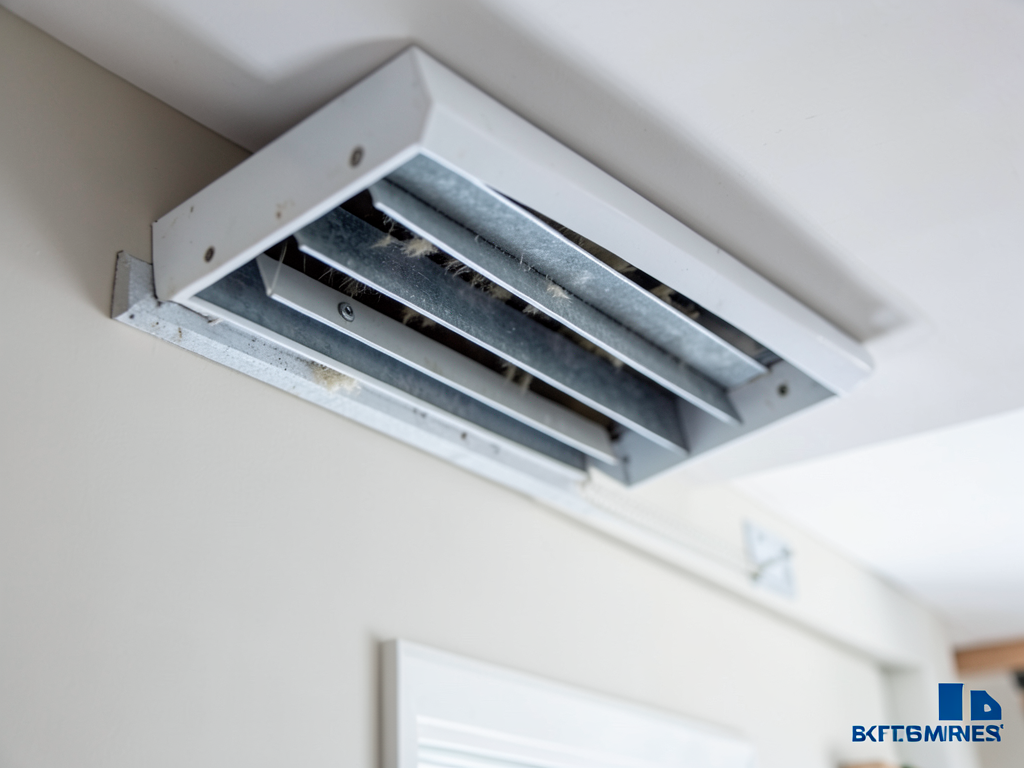
Before and after comparison showing mold growth in poorly ventilated attic versus clean, dry attic with proper airflow system
Frequently Asked Questions
How much does proper attic ventilation cost in St. Louis?
Most homes need $1,500-2,500 for complete ventilation upgrades including ridge vents, soffit vents, and baffles. This varies based on roof size and complexity.
Can I install ventilation myself?
While DIY installation is possible, proper sizing and placement require building science knowledge. Incorrect installation can actually worsen ventilation problems.
How long does installation take?
Most ventilation upgrades take 1-2 days. We can often complete the work without removing existing roofing materials.
Will ventilation help with my high summer energy bills?
Yes. Proper ventilation can reduce cooling costs by 10-15% by keeping your attic closer to outside temperature.
Does my roof warranty require proper ventilation?
Most major shingle manufacturers require proper ventilation for warranty coverage. Poor ventilation can void your warranty.
What’s the difference between powered and passive ventilation?
Passive systems use natural airflow and require no electricity. Powered fans move more air but cost more to operate and can pull conditioned air from your living space if not properly sealed.
Ready to protect your roof investment? Call (314) 417-7774 to schedule your professional ventilation inspection. Our team will show you exactly what your attic needs to withstand St. Louis weather for decades to come.
{
“@context”: “https://schema.org”,
“@type”: “BlogPosting”,
“headline”: “Why Proper Attic Ventilation is the Key to a Long Lasting St. Louis Roof”,
“description”: “Learn how St. Louis humidity and temperature swings destroy roofs from the inside out. Proper attic ventilation can save you thousands in repairs.”,
“wordCount”: 1981,
“datePublished”: “2026-03-12T10:57:00.000Z”,
“dateModified”: “2026-03-12T10:57:00.000Z”,
“inLanguage”: “en-US”,
“mainEntityOfPage”: {
“@type”: “WebPage”,
“@id”: “https://pioneerroofingstlouis.com”
},
“publisher”: {
“@type”: “LocalBusiness”,
“name”: “Pioneer Roofing St. Louis”,
“url”: “https://pioneerroofingstlouis.com”
},
“author”: {
“@type”: “Organization”,
“name”: “Pioneer Roofing St. Louis”,
“url”: “https://pioneerroofingstlouis.com”
},
“image”: {
“@type”: “ImageObject”,
“url”: “https://pioneerroofingstlouis.com/wp-content/uploads/2026/03/why-proper-attic-ventilation-is-the-key-to-a-long-1.png”
}
}
{
“@context”: “https://schema.org”,
“@type”: “RoofingContractor”,
“name”: “Pioneer Roofing St. Louis”,
“url”: “https://pioneerroofingstlouis.com”,
“address”: {
“@type”: “PostalAddress”,
“addressLocality”: “St. Louis”
},
“areaServed”: {
“@type”: “City”,
“name”: “St. Louis”
}
}
{
“@context”: “https://schema.org”,
“@type”: “FAQPage”,
“mainEntity”: [
{
“@type”: “Question”,
“name”: “How much does proper attic ventilation cost in St. Louis?”,
“acceptedAnswer”: {
“@type”: “Answer”,
“text”: “Most homes need $1,500-2,500 for complete ventilation upgrades including ridge vents, soffit vents, and baffles. This varies based on roof size and complexity.”
}
},
{
“@type”: “Question”,
“name”: “Can I install ventilation myself?”,
“acceptedAnswer”: {
“@type”: “Answer”,
“text”: “While DIY installation is possible, proper sizing and placement require building science knowledge. Incorrect installation can actually worsen ventilation problems.”
}
},
{
“@type”: “Question”,
“name”: “How long does installation take?”,
“acceptedAnswer”: {
“@type”: “Answer”,
“text”: “Most ventilation upgrades take 1-2 days. We can often complete the work without removing existing roofing materials.”
}
},
{
“@type”: “Question”,
“name”: “Will ventilation help with my high summer energy bills?”,
“acceptedAnswer”: {
“@type”: “Answer”,
“text”: “Yes. Proper ventilation can reduce cooling costs by 10-15% by keeping your attic closer to outside temperature.”
}
},
{
“@type”: “Question”,
“name”: “Does my roof warranty require proper ventilation?”,
“acceptedAnswer”: {
“@type”: “Answer”,
“text”: “Most major shingle manufacturers require proper ventilation for warranty coverage. Poor ventilation can void your warranty.”
}
},
{
“@type”: “Question”,
“name”: “What’s the difference between powered and passive ventilation?”,
“acceptedAnswer”: {
“@type”: “Answer”,
“text”: “Passive systems use natural airflow and require no electricity. Powered fans move more air but cost more to operate and can pull conditioned air from your living space if not properly sealed.”
}
}
]
}
{
“@context”: “https://schema.org”,
“@type”: “BreadcrumbList”,
“itemListElement”: [
{
“@type”: “ListItem”,
“position”: 1,
“name”: “Home”,
“item”: “https://pioneerroofingstlouis.com”
},
{
“@type”: “ListItem”,
“position”: 2,
“name”: “Blog”,
“item”: “https://pioneerroofingstlouis.com/blog”
},
{
“@type”: “ListItem”,
“position”: 3,
“name”: “Why Proper Attic Ventilation is the Key to a Long Lasting St. Louis Roof”
}
]
}
{
“@context”: “https://schema.org”,
“@type”: “Service”,
“serviceType”: “Roofing”,
“provider”: {
“@type”: “LocalBusiness”,
“name”: “Pioneer Roofing St. Louis”,
“url”: “https://pioneerroofingstlouis.com”
},
“areaServed”: {
“@type”: “City”,
“name”: “St. Louis”
},
“description”: “Learn how St. Louis humidity and temperature swings destroy roofs from the inside out. Proper attic ventilation can save you thousands in repairs.”
}