
Maintaining Your Cedar Shake Roof in Wildwood or Ballwin
Cedar shake roofs in Wildwood and Ballwin face unique challenges from Missouri’s humid summers and occasional severe storms. Proper maintenance can extend the life of your cedar roof from 30 to 50 years, protecting your home’s value and curb appeal. This guide covers everything you need to know about caring for your cedar shake roof in the St. Louis metro area. Cedar Shake & Shingle Bureau.
Cedar shake roofing offers natural beauty and excellent insulation, but it requires specific care routines to prevent moss growth, rot, and damage from the region’s weather patterns. The key is understanding how Wildwood and Ballwin’s climate affects cedar and implementing a maintenance schedule that addresses these local conditions. Reliable Roofing Services for Your Affton Home or Rental Property.
Understanding Cedar Shake Roofing in the St. Louis Area
Cedar shake roofs differ from traditional asphalt shingles in several important ways. Shakes are thicker, typically 1/2 to 3/4 inch, and are split from blocks of wood rather than sawn. This gives them a more rustic, textured appearance that many homeowners in Wildwood and Ballwin appreciate for its natural aesthetic. Why Ladue Homeowners Trust These Specialized Roofing Contractors.
The most common cedar species used in St. Louis are Western Red Cedar and Alaskan Yellow Cedar. Western Red Cedar offers better resistance to moisture and insects, making it ideal for Missouri’s humid climate. Alaskan Yellow Cedar provides superior durability and a lighter color that weathers to a beautiful silver-gray over time. St. Louis County Building Code Information.
According to the Cedar Shake & Shingle Bureau, properly maintained cedar shake roofs can last 30-50 years, compared to 15-25 years for standard asphalt shingles. This longevity makes cedar an excellent investment for homeowners who plan to stay in their homes long-term.
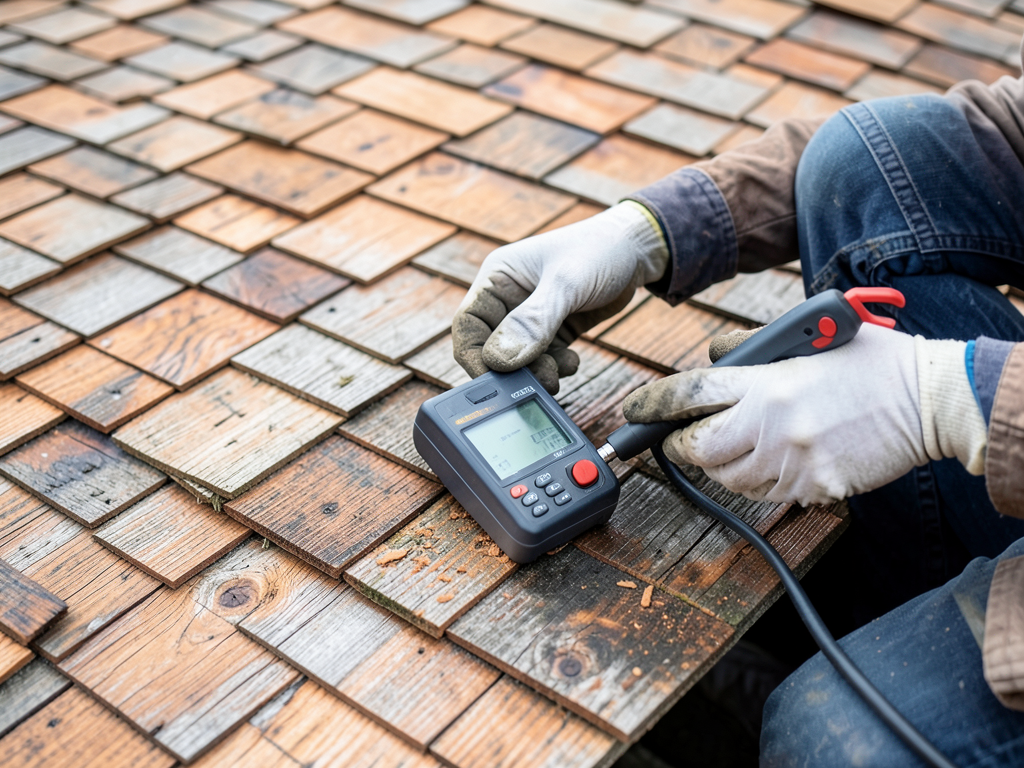
Diagram showing the layered structure of a properly installed cedar shake roof with underlayment and ventilation details
Local Climate Challenges for Cedar Shake Roofs
Wildwood and Ballwin experience weather patterns that significantly impact cedar shake performance. The St. Louis region receives approximately 42 inches of rainfall annually, with high humidity levels throughout the summer months. This combination creates perfect conditions for moss, algae, and fungal growth on cedar surfaces.
Missouri’s severe weather also poses risks. The area experiences frequent hailstorms, with stones sometimes reaching golf ball size. While cedar shake offers better impact resistance than asphalt shingles, it can still sustain damage that requires professional assessment and repair. Fixing Wind and Storm Damage Before It Ruins Your St. Louis Home.
Temperature fluctuations in the St. Louis area create expansion and contraction cycles that can stress cedar shakes over time. During winter, freeze-thaw cycles can cause shakes to split if moisture becomes trapped in the wood. Proper installation with adequate ventilation helps minimize these effects.
The region’s clay soil can also indirectly affect roof performance. Expansive clay soil causes foundation movement that can stress the entire structure, including the roof framing. This makes proper roof-to-wall connections and adequate attic ventilation even more critical for cedar shake installations in Wildwood and Ballwin.
Essential Maintenance Tasks for Cedar Shake Roofs
Regular maintenance is crucial for maximizing the lifespan of your cedar shake roof. The following tasks should be performed annually or as needed based on your roof’s condition and local weather patterns.
Cleaning and Debris Removal – Leaves, pine needles, and other debris trap moisture against cedar shakes, promoting rot and moss growth. Clean your roof at least twice yearly, typically in spring and fall. Use a leaf blower or soft-bristle broom rather than pressure washing, which can damage the wood.
Moss and Algae Treatment – The humid climate in Wildwood and Ballwin creates ideal conditions for moss and algae. Apply a zinc or copper-based treatment to prevent growth. These metals are toxic to moss and algae but safe for cedar when used properly. Treat your roof every 2-3 years or when you notice green growth.
Inspection for Damage – Check for split, curled, or missing shakes after severe weather events. Also look for signs of insect damage, particularly from carpenter ants or termites that might be attracted to moist wood. Early detection prevents water infiltration and more extensive damage.
Flashing and Sealant Check – Inspect all roof penetrations, including chimneys, vents, and skylights. Cedar expands and contracts more than other roofing materials, which can cause sealants to fail over time. Replace any cracked or missing sealant and ensure flashing remains properly positioned.
Ventilation Assessment – Proper attic ventilation prevents moisture buildup that can damage both the cedar shakes and the roof structure. Check that soffit vents remain clear and that ridge vents function correctly. Inadequate ventilation can reduce cedar shake lifespan by 50% or more.
Common Cedar Shake Problems in Wildwood and Ballwin
Understanding common issues helps you identify problems early. Here are the most frequent cedar shake problems specific to the St. Louis area.
Moisture-Related Issues – High humidity and frequent rainfall create conditions where moisture becomes trapped between shakes. This leads to rot, particularly on north-facing slopes that receive less direct sunlight. Look for dark spots, soft spots when walking on the roof, or visible mold growth.
Hail Damage – Missouri experiences numerous hailstorms annually. Cedar shake can split or crack from hail impact, creating entry points for water. After any significant hail event, have your roof inspected by a professional who understands cedar-specific damage patterns.
Insect Infestation – Carpenter ants and termites are attracted to cedar, especially when it becomes moist or begins to decay. Look for small holes, sawdust-like material, or visible insect activity. Early treatment prevents structural damage to your roof deck.
Splitting and Cupping – As cedar ages, shakes naturally develop splits and cupping. This is normal wear, but excessive splitting indicates moisture problems or inadequate ventilation. Replace severely damaged shakes to maintain roof integrity.
Fire Risk – Untreated cedar is combustible, though properly installed cedar shake roofs meet Class C fire ratings. In Wildwood and Ballwin, where wooded areas are common, consider pressure-treated or fire-retardant treated shakes for added protection.
Professional Maintenance and When to Call an Expert
While some maintenance tasks homeowners can handle safely, others require professional expertise. Here’s when to call a cedar shake specialist in the St. Louis area.
Annual Professional Inspection – Schedule a professional inspection every 2-3 years, or after severe weather events. Professionals can identify issues that homeowners might miss, such as subtle signs of moisture damage or early insect activity.
Complex Repairs – Replacing individual shakes requires skill to match existing patterns and ensure proper fastening. Professionals also have access to specialized tools and replacement shakes that match your roof’s age and weathering.
Treatment Applications – Professional-grade treatments last longer and provide better protection than consumer products. Professionals also understand how to apply treatments safely without damaging surrounding landscaping or creating runoff problems.
Insurance Documentation – If you need to file an insurance claim for storm damage, professional documentation of your roof’s condition and any damage found carries more weight with insurance adjusters.
Safety Considerations – Cedar shake roofs can be slippery, especially when wet or covered with moss. Walking on your roof without proper equipment and experience risks personal injury and roof damage.
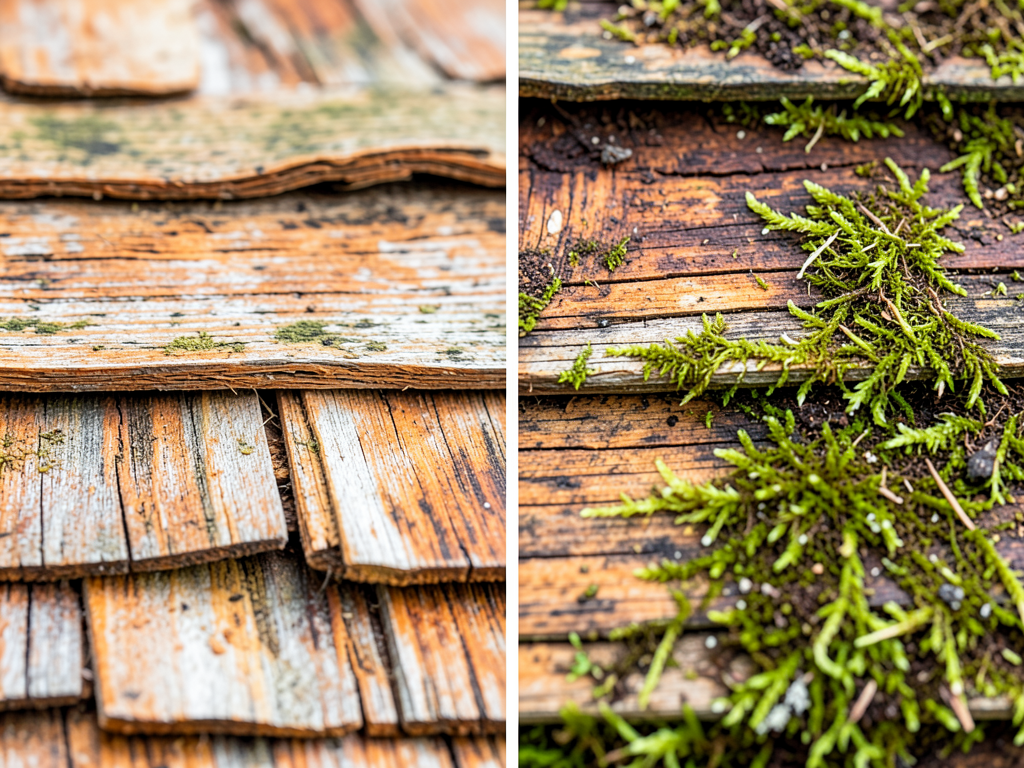
Close-up photo showing the difference between healthy cedar shake and shake showing signs of moss growth and splitting
Cost Considerations for Cedar Shake Maintenance
Understanding the costs associated with cedar shake maintenance helps you budget appropriately. While specific prices vary, here are typical ranges for common services in the St. Louis area.
Basic cleaning and debris removal typically costs $300-500 for an average home. Moss treatment runs $400-600, while professional inspection ranges from $150-300. Individual shake replacement costs $75-150 per shake, including labor and materials.
Full roof treatments with professional-grade products cost $1,500-3,000, depending on roof size and condition. These treatments often include cleaning, moss removal, and application of protective sealants that can extend your roof’s life by 5-10 years.
Emergency repairs after storm damage typically cost more due to urgency and after-hours service charges. Budget $500-1,000 minimum for emergency service calls, with repair costs varying based on damage extent. Who to Call for 24 Hour Roof Repairs Anywhere in St. Louis.
While these costs might seem high compared to asphalt shingle maintenance, remember that cedar shake roofs last significantly longer. The annual maintenance cost over the roof’s lifetime is often comparable to or less than the cost of multiple asphalt shingle replacements. High Quality Roof Replacements for Creve Coeur Properties.
Enhancing Your Cedar Shake Roof’s Longevity
Beyond basic maintenance, several strategies can help your cedar shake roof last even longer in the Wildwood and Ballwin climate.
Tree Management – Overhanging branches drop debris and create shade that promotes moss growth. Trim branches to maintain at least 10 feet of clearance from your roof. This also reduces the risk of branches falling during storms.
Gutter Maintenance – Clean gutters and downspouts ensure proper water drainage. Clogged gutters cause water to back up under shakes, leading to rot and structural damage. Check gutters monthly during fall when leaves are dropping heavily.
Attic Ventilation Improvement – Proper ventilation is critical for cedar shake longevity. Consider adding or upgrading ridge vents, soffit vents, or powered attic fans if your current ventilation is inadequate. This can add 10-15 years to your roof’s life.
Quality Underlayment – When repairs are needed, ensure contractors use high-quality synthetic underlayment rather than traditional felt paper. Synthetic materials provide better moisture protection and last longer under cedar shakes.
Professional Treatment Selection – Choose treatments specifically formulated for cedar in humid climates. Some products work better in the St. Louis area’s specific conditions than generic wood treatments. Ask your contractor about products with proven performance in Missouri.
Local Building Codes and Regulations
Wildwood and Ballwin follow St. Louis County building codes, which have specific requirements for cedar shake roofing. The International Residential Code (IRC) Section R905 governs wood shingle and shake installation, with local amendments that address Missouri’s climate conditions.
Fire safety is a particular concern in wooded areas. Many communities in the St. Louis metro area require Class C fire-rated materials for roofing. Pressure-treated or fire-retardant treated cedar shakes meet these requirements while maintaining the natural wood appearance.
Ice and water shield requirements vary by roof slope and local weather patterns. In the St. Louis area, most building codes require ice and water shield in valleys and along eaves where ice damming is common during winter months.
Permit requirements for roof work vary by municipality. Wildwood typically requires permits for roof replacements but may allow minor repairs without permits. Always check with your local building department before beginning significant work.
Homeowners associations in Wildwood and Ballwin often have additional requirements for cedar shake roofs, particularly regarding color, treatment, and maintenance standards. Review your HOA covenants before making changes to ensure compliance.
Comparing Cedar Shake to Other Roofing Options
Understanding how cedar shake compares to other roofing materials helps you make informed decisions about maintenance and potential replacement.
| Material | Lifespan | Maintenance Needs | Cost per Square | Best For |
|---|---|---|---|---|
| Cedar Shake | 30-50 years | High | $800-1,200 | Historic homes, luxury properties |
| Asphalt Shingles | 15-25 years | Low | $350-500 | Budget-conscious homeowners |
| Metal Roofing | 40-70 years | Very Low | $600-900 | Energy efficiency, durability |
| Synthetic Shake | 50+ years | Very Low | $500-700 | Low maintenance, wood look |
Cedar shake requires more maintenance than asphalt shingles but offers superior aesthetics and insulation. Metal roofing provides excellent longevity with minimal maintenance but lacks the natural appearance many homeowners desire. Synthetic shake products mimic cedar’s appearance while offering better durability and lower maintenance requirements.
Frequently Asked Questions
How often should I have my cedar shake roof professionally inspected?
Professional inspection every 2-3 years is recommended for cedar shake roofs in the St. Louis area. However, schedule an inspection after any severe weather event, particularly hailstorms or high winds that could damage shakes or flashing.
Can I walk on my cedar shake roof for maintenance?
Walking on cedar shake roofs is risky and can cause damage. The shakes can split or crack under weight, especially when wet. Use a ladder and roof brackets for safe access, or hire professionals with proper equipment and experience.
What signs indicate my cedar shake roof needs immediate attention?
Look for missing or severely split shakes, water stains on interior ceilings, visible moss or algae growth, or signs of insect activity. Any of these issues warrant prompt professional assessment to prevent more extensive damage.
Are cedar shake roofs environmentally friendly?
Cedar shake roofs are made from renewable resources and are biodegradable at the end of their life. They also provide excellent insulation, reducing heating and cooling costs. However, they require chemical treatments that some homeowners prefer to avoid.
How do I know if my cedar shake roof can be repaired or needs replacement?
A professional inspection can determine whether localized repairs are sufficient or if full replacement is needed. Generally, if less than 30% of your roof shows damage and the structure is sound, repairs are usually cost-effective.
Taking Action to Protect Your Investment
Your cedar shake roof represents a significant investment in your Wildwood or Ballwin home’s value and appearance. Regular maintenance not only extends its life but also prevents costly emergency repairs and protects your home from water damage.
Start by scheduling a professional inspection if you haven’t had one in the past two years. Document your roof’s current condition with photos, which helps track changes over time and provides valuable information for insurance purposes.
Implement a regular cleaning schedule, particularly during fall when leaves accumulate heavily in the St. Louis area. Consider professional moss treatment if you notice green growth, as this prevents more serious moisture problems.
Monitor your attic for signs of moisture or leaks, especially after severe weather. Early detection of problems allows for less expensive repairs and prevents damage to your home’s interior.
Remember that proper maintenance of your cedar shake roof not only protects your home but also maintains its curb appeal and resale value. The natural beauty of cedar shake is one reason many homeowners in Wildwood and Ballwin choose this material, and proper care ensures you’ll enjoy that beauty for decades.
Don’t wait until problems become severe. Call (314) 417-7774 today to schedule your cedar shake roof inspection and keep your home protected for years to come.
Before and after photo showing a cedar shake roof after professional cleaning and treatment, highlighting the restoration of natural wood color
{
“@context”: “https://schema.org”,
“@type”: “BlogPosting”,
“headline”: “Maintaining Your Cedar Shake Roof in Wildwood or Ballwin”,
“description”: “Expert guide to cedar shake roof maintenance in Wildwood and Ballwin. Learn local care tips, St. Louis weather impacts, and how to protect your investment for decades.”,
“wordCount”: 2401,
“datePublished”: “2026-02-22T07:09:00.000Z”,
“dateModified”: “2026-02-22T07:09:00.000Z”,
“inLanguage”: “en-US”,
“mainEntityOfPage”: {
“@type”: “WebPage”,
“@id”: “https://pioneerroofingstlouis.com”
},
“publisher”: {
“@type”: “LocalBusiness”,
“name”: “Pioneer Roofing St. Louis”,
“url”: “https://pioneerroofingstlouis.com”
},
“author”: {
“@type”: “Organization”,
“name”: “Pioneer Roofing St. Louis”,
“url”: “https://pioneerroofingstlouis.com”
},
“image”: {
“@type”: “ImageObject”,
“url”: “https://pioneerroofingstlouis.com/wp-content/uploads/2026/03/maintaining-your-cedar-shake-roof-in-wildwood-or-b-1.png”
}
}
{
“@context”: “https://schema.org”,
“@type”: “RoofingContractor”,
“name”: “Pioneer Roofing St. Louis”,
“url”: “https://pioneerroofingstlouis.com”,
“address”: {
“@type”: “PostalAddress”,
“addressLocality”: “St. Louis”
},
“areaServed”: {
“@type”: “City”,
“name”: “St. Louis”
}
}
{
“@context”: “https://schema.org”,
“@type”: “FAQPage”,
“mainEntity”: [
{
“@type”: “Question”,
“name”: “How often should I have my cedar shake roof professionally inspected?”,
“acceptedAnswer”: {
“@type”: “Answer”,
“text”: “Professional inspection every 2-3 years is recommended for cedar shake roofs in the St. Louis area. However, schedule an inspection after any severe weather event, particularly hailstorms or high winds that could damage shakes or flashing.”
}
},
{
“@type”: “Question”,
“name”: “Can I walk on my cedar shake roof for maintenance?”,
“acceptedAnswer”: {
“@type”: “Answer”,
“text”: “Walking on cedar shake roofs is risky and can cause damage. The shakes can split or crack under weight, especially when wet. Use a ladder and roof brackets for safe access, or hire professionals with proper equipment and experience.”
}
},
{
“@type”: “Question”,
“name”: “What signs indicate my cedar shake roof needs immediate attention?”,
“acceptedAnswer”: {
“@type”: “Answer”,
“text”: “Look for missing or severely split shakes, water stains on interior ceilings, visible moss or algae growth, or signs of insect activity. Any of these issues warrant prompt professional assessment to prevent more extensive damage.”
}
},
{
“@type”: “Question”,
“name”: “Are cedar shake roofs environmentally friendly?”,
“acceptedAnswer”: {
“@type”: “Answer”,
“text”: “Cedar shake roofs are made from renewable resources and are biodegradable at the end of their life. They also provide excellent insulation, reducing heating and cooling costs. However, they require chemical treatments that some homeowners prefer to avoid.”
}
},
{
“@type”: “Question”,
“name”: “How do I know if my cedar shake roof can be repaired or needs replacement?”,
“acceptedAnswer”: {
“@type”: “Answer”,
“text”: “A professional inspection can determine whether localized repairs are sufficient or if full replacement is needed. Generally, if less than 30% of your roof shows damage and the structure is sound, repairs are usually cost-effective.”
}
}
]
}
{
“@context”: “https://schema.org”,
“@type”: “BreadcrumbList”,
“itemListElement”: [
{
“@type”: “ListItem”,
“position”: 1,
“name”: “Home”,
“item”: “https://pioneerroofingstlouis.com”
},
{
“@type”: “ListItem”,
“position”: 2,
“name”: “Blog”,
“item”: “https://pioneerroofingstlouis.com/blog”
},
{
“@type”: “ListItem”,
“position”: 3,
“name”: “Maintaining Your Cedar Shake Roof in Wildwood or Ballwin”
}
]
}
{
“@context”: “https://schema.org”,
“@type”: “Service”,
“serviceType”: “Roofing”,
“provider”: {
“@type”: “LocalBusiness”,
“name”: “Pioneer Roofing St. Louis”,
“url”: “https://pioneerroofingstlouis.com”
},
“areaServed”: {
“@type”: “City”,
“name”: “St. Louis”
},
“description”: “Expert guide to cedar shake roof maintenance in Wildwood and Ballwin. Learn local care tips, St. Louis weather impacts, and how to protect your investment for decades.”
}