
Energy Efficient Roofing Solutions in Sunset Hills, MO
Looking to lower your energy bills in Sunset Hills? The hot Missouri summers and humid continental climate can make cooling costs skyrocket. Energy-efficient roofing materials can reduce your attic temperature by up to 50 degrees, cutting your air conditioning costs by 10-15% annually. With the right cool roofing system, you’ll not only save money but also extend the life of your roof while qualifying for federal tax credits through the Inflation Reduction Act. Cool Roof Rating Council.
Why Energy Efficiency Matters in the St. Louis Climate
Sunset Hills experiences extreme temperature swings that put stress on traditional roofing materials. During summer months, dark asphalt shingles absorb solar radiation and can reach surface temperatures exceeding 150°F. This heat transfers into your attic, forcing your air conditioning system to work overtime. The St. Louis Urban Heat Island effect compounds this problem, with developed areas like Sunset Hills running 2-4 degrees hotter than surrounding rural areas. Reliable Roofing Services for Your Affton Home or Rental Property.
High humidity in the St. Louis region creates additional challenges. Moisture buildup in poorly ventilated attics leads to mold growth, wood rot, and reduced insulation effectiveness. Cool roofing systems address both heat gain and moisture management through specialized materials and ventilation requirements mandated by the St. Louis County Building Code Section R806.
Top Energy-Saving Roofing Materials for Sunset Hills Homes
Cool Roof Shingles
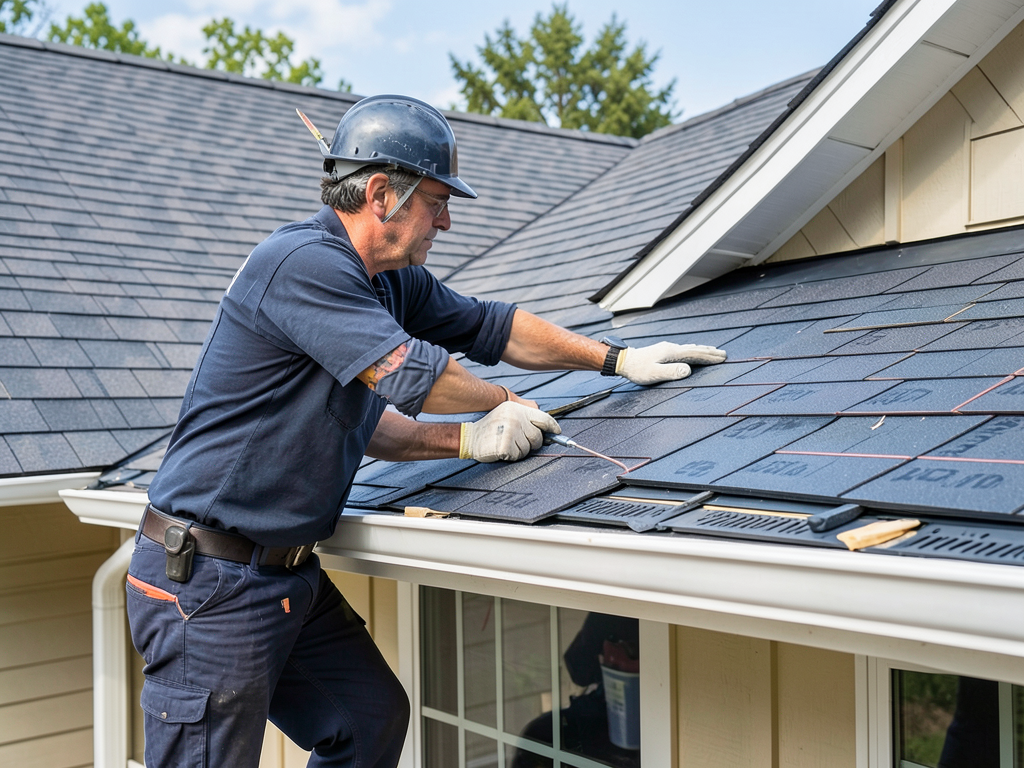
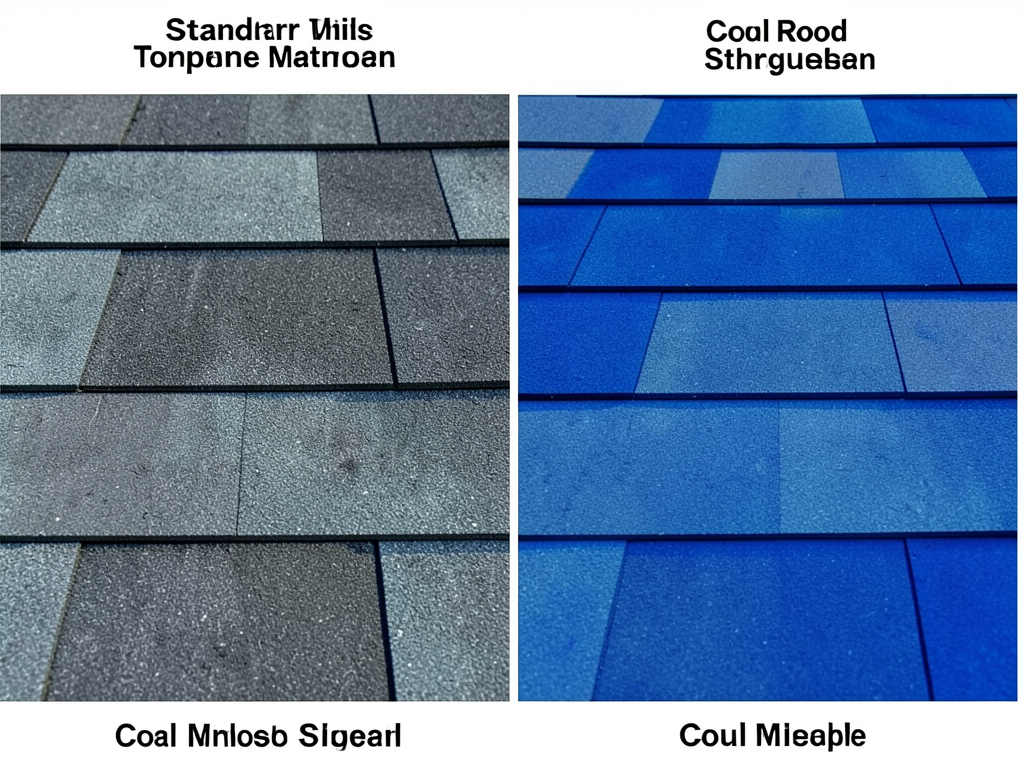
Cool roof shingles use specialized granules that reflect infrared radiation while maintaining traditional asphalt shingle appearance. The Cool Roof Rating Council (CRRC) certifies these products based on Solar Reflectance Index (SRI) ratings. For Sunset Hills homes, look for shingles with SRI ratings above 20, which can reduce roof surface temperatures by 20-25 degrees compared to standard shingles.
Energy Star certified cool shingles meet strict performance criteria and qualify for federal tax credits. Popular options include GAF Timberline HDZ Cool Series and Owens Corning Duration Premium Cool. These products maintain the architectural character of Sunset Hills neighborhoods while providing modern energy efficiency. Energy Star certified roofing.
Standing Seam Metal Roofing
Standing seam metal roofing offers the highest energy efficiency among residential roofing materials. The smooth surface and reflective coatings can achieve SRI ratings above 80, reducing heat absorption dramatically. Metal roofs also provide superior durability in Sunset Hills’ severe weather conditions, withstanding hail up to 2 inches in diameter per Missouri Department of Insurance hail resistance standards.
Modern metal roofing systems include integrated ventilation channels and can be installed over existing roofs, reducing waste. The long-term ROI is compelling – while initial costs run 2-3 times higher than asphalt, the 40-70 year lifespan and energy savings typically pay for the upgrade within 8-12 years.
TPO and PVC for Flat Roof Extensions
Many Sunset Hills homes feature flat roof sections over garages, sunrooms, or additions. Thermoplastic Polyolefin (TPO) and Polyvinyl Chloride (PVC) membranes provide excellent energy efficiency for these applications. These single-ply membranes reflect 70-85% of solar radiation and resist UV degradation common in the St. Louis climate.
TPO installation requires specific techniques per ASTM D6878 standards. The material’s heat-welded seams create a monolithic barrier that prevents moisture infiltration – critical for Sunset Hills’ freeze-thaw cycles that can cause traditional flat roof materials to fail.
Local Rebates and Tax Credits
The federal 25C tax credit allows Sunset Hills homeowners to claim 30% of material costs for qualifying energy-efficient roofing, up to $1,200 annually. This credit applies to Energy Star certified cool roofs and includes both materials and installation labor. The credit is available through 2032, providing significant savings for planned roof replacements. High Quality Roof Replacements for Creve Coeur Properties.
Ameren Missouri offers additional rebates for whole-home energy efficiency improvements. While roofing-specific rebates are limited, combining a cool roof installation with upgraded attic insulation can qualify for the Home Performance with ENERGY STAR program, providing up to $2,000 in rebates.
Sunset Hills homeowners should also check with their HOA regarding cool roofing approvals. The city’s architectural review process typically supports energy-efficient upgrades that maintain neighborhood character. Documentation of Energy Star certification and CRRC ratings helps expedite approval. Why Ladue Homeowners Trust These Specialized Roofing Contractors.
Maximizing Energy Savings Through Proper Installation
Energy-efficient roofing requires more than just reflective materials. Proper installation according to manufacturer specifications and local building codes is essential. The St. Louis County Building Department mandates specific underlayment requirements for cool roofs, including synthetic felt with reflective properties and ice and water shield in valleys.
Ventilation plays a crucial role in energy efficiency. The building code requires 1 square foot of net free ventilation area per 150 square feet of attic space. Ridge vents, soffit vents, and gable vents work together to create continuous airflow that prevents heat buildup and moisture accumulation.
Attic insulation standards in Sunset Hills homes should meet or exceed R-49 for optimal performance. Cool roofing reduces heat gain, but proper insulation prevents that heat from entering living spaces. A comprehensive energy audit can identify insulation gaps and ventilation deficiencies that undermine roofing efficiency.
Solar-Ready Roofing Options
Many Sunset Hills homeowners are planning for future solar installations. Cool roofing materials provide an excellent foundation for solar panels by reducing the overall roof temperature and extending the life of both the roofing and solar components. Standing seam metal roofs offer the easiest integration, with clamps that attach to the seams without penetrating the roofing material.
For traditional shingle roofs, structural reinforcement may be necessary to support solar panel weight. The International Residential Code requires roofs to support 20 pounds per square foot of live load. A structural engineer can assess whether your Sunset Hills home needs additional support before solar installation.
Integrated solar shingles represent the next generation of energy-efficient roofing. While more expensive than traditional solar panels, they maintain roof aesthetics and qualify for the same federal tax credits as cool roofing materials.
Cost-Benefit Analysis for Sunset Hills Homes
Comparing roofing options requires analyzing both upfront costs and long-term savings. Standard asphalt shingles cost $4-6 per square foot installed, while cool shingles run $5-7 per square foot. Standing seam metal roofing costs $12-18 per square foot but offers 40+ year lifespans versus 20-25 years for asphalt.
Energy savings vary by home characteristics and usage patterns. A typical Sunset Hills home with 2,000 square feet of roof area can expect annual cooling cost reductions of $150-300 with cool roofing. Combined with federal tax credits and potential utility rebates, the payback period ranges from 5-10 years depending on the material selected.
Insurance premium reductions may also apply. Many carriers offer discounts for impact-resistant roofing materials that meet Class 4 hail resistance standards. In Sunset Hills, where severe storms are common, this can provide additional annual savings of $50-150. Fixing Wind and Storm Damage Before It Ruins Your St. Louis Home.
Maintenance and Longevity Considerations
Energy-efficient roofing requires specific maintenance to maintain performance. Cool roof coatings need periodic cleaning to preserve reflectivity – typically every 2-3 years in the St. Louis climate. The high humidity and frequent storms in Sunset Hills can cause algae and moss growth that reduces solar reflectance.
Metal roofing requires minimal maintenance but should be inspected annually for loose fasteners and sealant integrity. The expansion and contraction of metal in temperature extremes can cause fasteners to back out over time. Professional inspection every 3-5 years helps identify potential issues before they become major problems.
Traditional asphalt cool shingles need similar maintenance to standard shingles – debris removal, gutter cleaning, and inspection for damaged or missing shingles. The reflective granules can wear off over time, reducing energy efficiency. Most manufacturers warranty cool shingles for 25-50 years, but actual performance life often exceeds warranty periods with proper maintenance. Hail Damage Assessment.
Environmental Impact and Sustainability
Beyond energy savings, cool roofing provides significant environmental benefits. Reduced energy consumption means lower carbon emissions from power generation. Metal roofing contains 25-95% recycled content and is fully recyclable at end of life. Asphalt cool shingles are increasingly incorporating recycled materials in their backing and underlayment.
Urban heat island mitigation is particularly relevant for Sunset Hills. The cumulative effect of cool roofs in developed areas can lower ambient temperatures by 1-3 degrees, reducing the energy demand across entire neighborhoods. This community-wide benefit makes cool roofing an environmentally responsible choice for Sunset Hills homeowners.
Water quality improvements also result from cool roofing. The reduced surface temperatures minimize thermal pollution in stormwater runoff, protecting local waterways. Some cool roofing systems include rainwater harvesting capabilities, providing irrigation water for landscaping while reducing stormwater management costs.
Frequently Asked Questions
Do cool roofs work in winter when I want heat absorption?
Modern cool roofing materials maintain year-round benefits. While they reflect summer heat, they don’t significantly impact winter solar gain because winter sun angles are lower and days are shorter. The insulation value of your attic assembly provides the primary thermal barrier in winter, making summer heat reduction the dominant factor in overall energy performance.
How do I know if my Sunset Hills home qualifies for tax credits?
Qualifying products must be Energy Star certified and installed on your primary residence. Keep all documentation including manufacturer certification, Energy Star labels, and contractor invoices. The credit applies to both materials and installation labor. Consult with your tax professional to ensure proper filing, as requirements can change annually.
Can I install cool roofing over my existing roof?
Many cool roofing systems allow installation over existing roofs, but local building codes and manufacturer warranties may restrict this approach. In Sunset Hills, the St. Louis County Building Department typically allows one layer of roofing material. A professional inspection can determine if your existing roof structure can support additional weight and if the underlying decking is sound.
What’s the difference between SRI and reflectivity ratings?
Solar Reflectance Index (SRI) combines both reflectivity and thermal emittance into a single rating. Reflectivity measures how much visible light is reflected, while thermal emittance measures how efficiently a material releases absorbed heat. SRI provides a more complete picture of a material’s cooling performance, with higher numbers indicating better heat reduction capabilities.
How long does cool roofing installation take?
Most residential cool roofing projects in Sunset Hills take 2-5 days depending on roof size, complexity, and weather conditions. Metal roofing may require additional time for custom fabrication. Professional contractors coordinate material delivery and staging to minimize disruption. Weather delays are common in spring and fall due to St. Louis’s unpredictable conditions.
Will cool roofing change the appearance of my home?
Modern cool roofing materials maintain traditional aesthetics while providing energy benefits. Cool shingles come in the same colors and styles as standard shingles. Metal roofing offers various profiles from traditional standing seam to options that mimic tile or slate. The primary visual difference is a slightly lighter appearance due to the reflective properties.
Ready to Start Saving?
Energy-efficient roofing represents a smart investment for Sunset Hills homeowners looking to reduce utility costs while improving home comfort. With federal tax credits, potential utility rebates, and long-term energy savings, the financial case for cool roofing has never been stronger. The severe weather resistance of modern materials also provides added protection against Missouri’s unpredictable climate.
Don’t wait until your current roof fails or energy bills become unbearable. A professional energy audit can identify your potential savings and recommend the best cool roofing options for your specific Sunset Hills home. Our team understands local building codes, HOA requirements, and the unique challenges of the St. Louis climate.
Call (314) 417-7774 today to schedule your free energy efficiency consultation. We’ll assess your current roof, discuss material options, and provide a detailed cost-benefit analysis. Our Sunset Hills roofing experts are ready to help you start saving immediately.
Pick up the phone and call (314) 417-7774 before the next heat wave hits. Your wallet will thank you.
{
“@context”: “https://schema.org”,
“@type”: “BlogPosting”,
“headline”: “Cool Roofing Options to Lower Your Energy Bills in Sunset Hills”,
“description”: “Discover energy-efficient roofing materials that can cut your cooling costs in Sunset Hills. Learn about cool roof shingles, metal roofing, and available tax credits.”,
“wordCount”: 1963,
“datePublished”: “2026-03-10T10:33:00.000Z”,
“dateModified”: “2026-03-10T10:33:00.000Z”,
“inLanguage”: “en-US”,
“mainEntityOfPage”: {
“@type”: “WebPage”,
“@id”: “https://pioneerroofingstlouis.com”
},
“publisher”: {
“@type”: “LocalBusiness”,
“name”: “Pioneer Roofing St. Louis”,
“url”: “https://pioneerroofingstlouis.com”
},
“author”: {
“@type”: “Organization”,
“name”: “Pioneer Roofing St. Louis”,
“url”: “https://pioneerroofingstlouis.com”
},
“image”: {
“@type”: “ImageObject”,
“url”: “https://pioneerroofingstlouis.com/wp-content/uploads/2026/03/cool-roofing-options-to-lower-your-energy-bills-in-1.png”
}
}
{
“@context”: “https://schema.org”,
“@type”: “RoofingContractor”,
“name”: “Pioneer Roofing St. Louis”,
“url”: “https://pioneerroofingstlouis.com”,
“address”: {
“@type”: “PostalAddress”,
“addressLocality”: “St. Louis”
},
“areaServed”: {
“@type”: “City”,
“name”: “St. Louis”
}
}
{
“@context”: “https://schema.org”,
“@type”: “FAQPage”,
“mainEntity”: [
{
“@type”: “Question”,
“name”: “Do cool roofs work in winter when I want heat absorption?”,
“acceptedAnswer”: {
“@type”: “Answer”,
“text”: “Modern cool roofing materials maintain year-round benefits. While they reflect summer heat, they don’t significantly impact winter solar gain because winter sun angles are lower and days are shorter. The insulation value of your attic assembly provides the primary thermal barrier in winter, making summer heat reduction the dominant factor in overall energy performance.”
}
},
{
“@type”: “Question”,
“name”: “How do I know if my Sunset Hills home qualifies for tax credits?”,
“acceptedAnswer”: {
“@type”: “Answer”,
“text”: “Qualifying products must be Energy Star certified and installed on your primary residence. Keep all documentation including manufacturer certification, Energy Star labels, and contractor invoices. The credit applies to both materials and installation labor. Consult with your tax professional to ensure proper filing, as requirements can change annually.”
}
},
{
“@type”: “Question”,
“name”: “Can I install cool roofing over my existing roof?”,
“acceptedAnswer”: {
“@type”: “Answer”,
“text”: “Many cool roofing systems allow installation over existing roofs, but local building codes and manufacturer warranties may restrict this approach. In Sunset Hills, the St. Louis County Building Department typically allows one layer of roofing material. A professional inspection can determine if your existing roof structure can support additional weight and if the underlying decking is sound.”
}
},
{
“@type”: “Question”,
“name”: “What’s the difference between SRI and reflectivity ratings?”,
“acceptedAnswer”: {
“@type”: “Answer”,
“text”: “Solar Reflectance Index (SRI) combines both reflectivity and thermal emittance into a single rating. Reflectivity measures how much visible light is reflected, while thermal emittance measures how efficiently a material releases absorbed heat. SRI provides a more complete picture of a material’s cooling performance, with higher numbers indicating better heat reduction capabilities.”
}
},
{
“@type”: “Question”,
“name”: “How long does cool roofing installation take?”,
“acceptedAnswer”: {
“@type”: “Answer”,
“text”: “Most residential cool roofing projects in Sunset Hills take 2-5 days depending on roof size, complexity, and weather conditions. Metal roofing may require additional time for custom fabrication. Professional contractors coordinate material delivery and staging to minimize disruption. Weather delays are common in spring and fall due to St. Louis’s unpredictable conditions.”
}
},
{
“@type”: “Question”,
“name”: “Will cool roofing change the appearance of my home?”,
“acceptedAnswer”: {
“@type”: “Answer”,
“text”: “Modern cool roofing materials maintain traditional aesthetics while providing energy benefits. Cool shingles come in the same colors and styles as standard shingles. Metal roofing offers various profiles from traditional standing seam to options that mimic tile or slate. The primary visual difference is a slightly lighter appearance due to the reflective properties.”
}
},
{
“@type”: “Question”,
“name”: “Ready to Start Saving?”,
“acceptedAnswer”: {
“@type”: “Answer”,
“text”: “Energy-efficient roofing represents a smart investment for Sunset Hills homeowners looking to reduce utility costs while improving home comfort. With federal tax credits, potential utility rebates, and long-term energy savings, the financial case for cool roofing has never been stronger. The severe weather resistance of modern materials also provides added protection against Missouri’s unpredictable climate.”
}
}
]
}
{
“@context”: “https://schema.org”,
“@type”: “BreadcrumbList”,
“itemListElement”: [
{
“@type”: “ListItem”,
“position”: 1,
“name”: “Home”,
“item”: “https://pioneerroofingstlouis.com”
},
{
“@type”: “ListItem”,
“position”: 2,
“name”: “Blog”,
“item”: “https://pioneerroofingstlouis.com/blog”
},
{
“@type”: “ListItem”,
“position”: 3,
“name”: “Cool Roofing Options to Lower Your Energy Bills in Sunset Hills”
}
]
}
{
“@context”: “https://schema.org”,
“@type”: “Service”,
“serviceType”: “Roofing”,
“provider”: {
“@type”: “LocalBusiness”,
“name”: “Pioneer Roofing St. Louis”,
“url”: “https://pioneerroofingstlouis.com”
},
“areaServed”: {
“@type”: “City”,
“name”: “St. Louis”
},
“description”: “Discover energy-efficient roofing materials that can cut your cooling costs in Sunset Hills. Learn about cool roof shingles, metal roofing, and available tax credits.”
}