
Why Your Rock Hill Chimney Keeps Leaking (And How a Cricket Fixes It)
Your Rock Hill chimney leaks because water finds the path of least resistance. The intersection where your chimney meets the roof creates valleys that trap water, especially during Missouri’s heavy spring rains and winter freeze-thaw cycles. A properly installed chimney cricket diverts this water away before it can penetrate your flashing and cause expensive damage to your roof and home interior.
Chimney leaks in Rock Hill aren’t just annoying—they’re destructive. Water seeping through failed flashing or cracked masonry can rot roof decking, stain ceilings, and create mold growth in your attic. The problem worsens each season as St. Louis’s climate expands and contracts building materials, creating gaps that widen over time.
Most Rock Hill homes, particularly those in the 63119 and 63144 zip codes near the Webster Groves boundary, were built between 1940 and 1970. These mid-century chimneys often have original flashing that’s deteriorated beyond repair. The freeze-thaw cycles common to the St. Louis area accelerate this deterioration, causing metal flashing to crack and mortar joints to separate. EPA moisture control guidelines.
Understanding why your chimney leaks is the first step to fixing it permanently. The solution often involves more than just replacing flashing—it requires addressing the fundamental water management problem at your roof-chimney intersection. Fixing Wind and Storm Damage Before It Ruins Your St. Louis Home.
Common Causes of Chimney Leaks in Rock Hill
Water intrusion at chimney connections follows predictable patterns. Here are the most frequent culprits we find during Rock Hill inspections:
Failed Chimney Flashing
Step flashing and counter-flashing create the waterproof barrier between your chimney and roof. When these metal pieces separate or corrode, water flows directly into your home. The St. Louis County Building Code (Section R903.3) requires specific flashing installation methods that many original installations don’t meet.
During our inspections, we use a moisture meter to detect water penetration patterns. This diagnostic tool reveals exactly where water enters, often showing elevated readings along the chimney base where flashing has failed.
Cracked Chimney Crowns
The concrete crown at the top of your chimney prevents water from entering the flue. Missouri’s freeze-thaw cycles cause these crowns to crack within 15-20 years. Once cracked, water seeps into the masonry, freezes, expands, and creates larger cracks each winter.
We’ve documented crown failures on chimneys as young as 12 years old in Rock Hill, particularly those exposed to harsh north winds off the Mississippi River valley.
Missing or Damaged Chimney Caps
A chimney cap serves as your first line of defense against rain, snow, and debris. Without one, water pours directly into your flue during storms. Many Rock Hill homes still lack caps, or have rusted ones that no longer function.
Modern stainless steel caps with proper screening prevent both water intrusion and animal nesting, which can block flues and create dangerous carbon monoxide situations.
Masonry Porosity and Spalling
Brick and mortar absorb water like sponges. Over decades, moisture cycles cause the surface to flake off—a condition called spalling. This exposes more porous material underneath, creating a downward spiral of deterioration.
Rock Hill’s older brick chimneys, particularly those built before 1970, often lack the water-resistant additives used in modern masonry. This makes them especially vulnerable to St. Louis’s high humidity and frequent precipitation.
Why Rock Hill Homes Need Special Attention
Rock Hill’s location in the greater St. Louis metropolitan area creates unique challenges for chimney maintenance. The area sits in a transition zone between the Mississippi River valley and the Ozark foothills, experiencing some of the most extreme weather variations in Missouri.
Homes in the 63119 zip code near the Webster Groves boundary face specific issues. Many were built during the post-war boom using standard construction methods that didn’t account for today’s severe weather patterns. The original builders couldn’t anticipate the intensity of recent hailstorms or the frequency of heavy rainfall events.
The soil composition in Rock Hill also plays a role. Expansive clay soil common to St. Louis County shifts with moisture changes, causing foundations and chimneys to move slightly throughout the year. This movement breaks the watertight seal between chimney and roof, creating gaps that widen over time.
Additionally, many Rock Hill chimneys serve as aesthetic features rather than functional heating sources. These decorative chimneys often lack proper waterproofing because the original owners didn’t anticipate water damage to unused flues. Reliable Roofing Services for Your Affton Home or Rental Property.
How a Chimney Cricket Prevents Water Damage
A chimney cricket is a small, peaked structure installed on the uphill side of your chimney. It looks like a miniature roof and serves a critical function: diverting water and debris around your chimney instead of letting it pool behind.
Building codes require crickets for chimneys wider than 30 inches on roofs with pitches over 6:12. Many Rock Hill chimneys exceed these dimensions, yet lack this essential protection. The International Residential Code (IRC R1003.20) specifically mandates crickets for these situations. International Residential Code.
Without a cricket, water sheets down your roof and hits the chimney wall, creating a hydraulic pressure point. This water backs up under flashing, finds microscopic gaps, and enters your home. During heavy rains, this effect multiplies, potentially allowing gallons of water to penetrate your roof assembly.
The cricket solution works by creating a new water path. Instead of hitting a vertical wall, water flows up the cricket’s angled surface and continues down the roof on either side of the chimney. This simple redirection prevents the pressure buildup that causes leaks.
Modern crickets use aluminum or galvanized steel flashing integrated with the roof system. We install them with ice and water shield underlayment extending at least 12 inches up the chimney and 24 inches onto the roof deck, creating a waterproof barrier that moves with your home’s seasonal expansion.
Our 4-Step Chimney Leak Repair Process
We follow a systematic approach to chimney leak repair that addresses both symptoms and root causes. This process ensures your repair lasts for decades, not just seasons.
- Comprehensive Inspection
We examine every component of your chimney system using moisture meters, thermal imaging, and visual inspection. This diagnostic phase identifies all failure points, not just the obvious ones. We check flashing integrity, crown condition, cap functionality, and masonry porosity.
- Water Management Analysis
Using roof pitch measurements and water flow calculations, we determine if your chimney requires a cricket. We also assess your roof’s overall drainage system, including gutter capacity and downspout placement, to ensure proper water diversion away from your home’s foundation.
- Targeted Repairs
Based on our findings, we perform necessary repairs. This might include replacing flashing with code-compliant materials, repairing or replacing the chimney crown, installing a new cap, or applying masonry waterproofing treatments. Each repair uses materials specifically engineered for St. Louis’s climate. Who to Call for 24 Hour Roof Repairs Anywhere in St. Louis.
- Preventive Measures
We install crickets where needed, apply water repellent sealants to masonry, and ensure all penetrations are properly sealed. We also provide maintenance recommendations to prevent future issues, including annual inspections and minor repairs before they become major problems.
Emergency Chimney Leak Response
Active chimney leaks require immediate attention, especially during Missouri’s storm season. Water entering your home can cause thousands of dollars in damage within hours.
Our emergency response includes temporary tarping to stop active leaks, followed by permanent repairs as soon as weather permits. We maintain emergency crews on standby during severe weather events, understanding that Rock Hill homes are particularly vulnerable during spring thunderstorms and winter ice storms.
Signs you need emergency service include water actively dripping from ceiling near chimney, visible ceiling stains expanding during rain, or musty odors indicating mold growth. Don’t wait for these problems to worsen—the longer water enters your home, the more extensive and expensive the repairs become.
Cost Factors for Chimney Leak Repair
Chimney leak repair costs vary based on several factors. The extent of damage, accessibility of the chimney, and materials required all influence the final price. However, addressing leaks early typically costs far less than waiting until structural damage occurs.
Simple flashing replacement might cost between $500-$1,500, while comprehensive repairs including cricket installation could range from $2,000-$5,000. These investments protect your home’s value and prevent much costlier interior damage.
Insurance may cover sudden damage from storms but typically excludes gradual deterioration from lack of maintenance. This makes preventive repairs a smart financial decision for Rock Hill homeowners. Why Ladue Homeowners Trust These Specialized Roofing Contractors.
Frequently Asked Questions
How can I tell if my chimney has a leak?
Look for water stains on ceilings or walls near the chimney, damp or musty odors in rooms with chimneys, visible cracks in the chimney crown, or rusted damper components. During rain, check your attic for water intrusion signs around the chimney base.
How long does chimney leak repair take?
Most repairs take 1-3 days depending on the extent of work needed. Simple flashing replacement might finish in a day, while cricket installation and comprehensive repairs require more time. We schedule around weather conditions to ensure quality results. High Quality Roof Replacements for Creve Coeur Properties.
Can I repair chimney leaks myself?
While minor sealant applications might seem manageable, chimney leak repair requires specialized knowledge of flashing techniques, building codes, and waterproofing materials. Improper repairs often trap water inside masonry, causing more damage than the original leak.
How often should I inspect my chimney for leaks?
Annual inspections are recommended, preferably before the rainy season in spring. After severe storms or hail events, additional inspections help catch damage early. Regular maintenance prevents small issues from becoming major structural problems.
Protect Your Rock Hill Home Today
Chimney leaks won’t fix themselves—they worsen with each passing season. The freeze-thaw cycles, heavy rains, and severe storms common to Rock Hill create perfect conditions for water intrusion. Every month you delay repair increases the risk of costly interior damage.
Our team understands the specific challenges Rock Hill chimneys face. We’ve repaired hundreds of chimneys in the 63119 and 63144 zip codes, dealing with everything from original 1950s flashing to modern code-compliant installations. We know what works in St. Louis’s climate because we’ve seen what fails.
Don’t let another storm season pass with a leaking chimney. Call (314) 417-7774 today to schedule your comprehensive chimney inspection. Our diagnostic process identifies all potential failure points, and our repair solutions address the root causes, not just the symptoms.
Pick up the phone and call (314) 417-7774 before the next storm hits. Your home’s protection can’t wait, and neither should you.
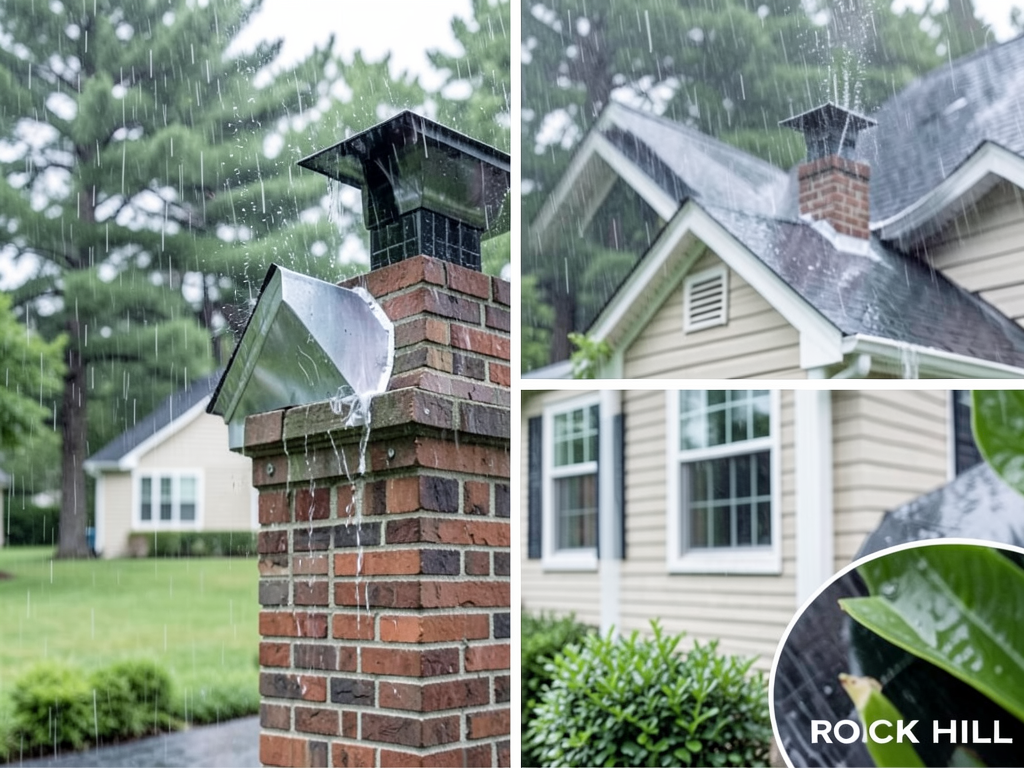
– Photo showing water pooling behind a chimney without a cricket during heavy rain, with arrows indicating water flow paths.

– Close-up of failed chimney flashing with visible gaps and corrosion, showing how water penetrates between roof and masonry.
– Diagram illustrating proper cricket installation with water flow patterns and flashing integration details.
{
“@context”: “https://schema.org”,
“@type”: “BlogPosting”,
“headline”: “Why Your Rock Hill Chimney Keeps Leaking (And How a Cricket Fixes It)”,
“description”: “Rock Hill chimney leaks? Learn why flashing fails and how a cricket diverts water. Get expert leak repair for your St. Louis home today.”,
“wordCount”: 1809,
“datePublished”: “2026-03-16T08:24:00.000Z”,
“dateModified”: “2026-03-16T08:24:00.000Z”,
“inLanguage”: “en-US”,
“mainEntityOfPage”: {
“@type”: “WebPage”,
“@id”: “https://pioneerroofingstlouis.com”
},
“publisher”: {
“@type”: “LocalBusiness”,
“name”: “Pioneer Roofing St. Louis”,
“url”: “https://pioneerroofingstlouis.com”
},
“author”: {
“@type”: “Organization”,
“name”: “Pioneer Roofing St. Louis”,
“url”: “https://pioneerroofingstlouis.com”
},
“image”: {
“@type”: “ImageObject”,
“url”: “https://pioneerroofingstlouis.com/wp-content/uploads/2026/03/why-your-rock-hill-chimney-keeps-leaking-and-how-a-1.png”
}
}
{
“@context”: “https://schema.org”,
“@type”: “RoofingContractor”,
“name”: “Pioneer Roofing St. Louis”,
“url”: “https://pioneerroofingstlouis.com”,
“address”: {
“@type”: “PostalAddress”,
“addressLocality”: “St. Louis”
},
“areaServed”: {
“@type”: “City”,
“name”: “St. Louis”
}
}
{
“@context”: “https://schema.org”,
“@type”: “FAQPage”,
“mainEntity”: [
{
“@type”: “Question”,
“name”: “How can I tell if my chimney has a leak?”,
“acceptedAnswer”: {
“@type”: “Answer”,
“text”: “Look for water stains on ceilings or walls near the chimney, damp or musty odors in rooms with chimneys, visible cracks in the chimney crown, or rusted damper components. During rain, check your attic for water intrusion signs around the chimney base.”
}
},
{
“@type”: “Question”,
“name”: “How long does chimney leak repair take?”,
“acceptedAnswer”: {
“@type”: “Answer”,
“text”: “Most repairs take 1-3 days depending on the extent of work needed. Simple flashing replacement might finish in a day, while cricket installation and comprehensive repairs require more time. We schedule around weather conditions to ensure quality results. High Quality Roof Replacements for Creve Coeur Properties.”
}
},
{
“@type”: “Question”,
“name”: “Can I repair chimney leaks myself?”,
“acceptedAnswer”: {
“@type”: “Answer”,
“text”: “While minor sealant applications might seem manageable, chimney leak repair requires specialized knowledge of flashing techniques, building codes, and waterproofing materials. Improper repairs often trap water inside masonry, causing more damage than the original leak.”
}
},
{
“@type”: “Question”,
“name”: “How often should I inspect my chimney for leaks?”,
“acceptedAnswer”: {
“@type”: “Answer”,
“text”: “Annual inspections are recommended, preferably before the rainy season in spring. After severe storms or hail events, additional inspections help catch damage early. Regular maintenance prevents small issues from becoming major structural problems.”
}
}
]
}
{
“@context”: “https://schema.org”,
“@type”: “HowTo”,
“name”: “Chimney Leak Repair Process”,
“step”: [
{
“@type”: “HowToStep”,
“position”: 1,
“name”: “Comprehensive Inspection”,
“text”: “We examine every component of your chimney system using moisture meters, thermal imaging, and visual inspection. This diagnostic phase identifies all failure points, not just the obvious ones. We check flashing integrity, crown condition, cap functionality, and masonry porosity.”
},
{
“@type”: “HowToStep”,
“position”: 2,
“name”: “Water Management Analysis”,
“text”: “Using roof pitch measurements and water flow calculations, we determine if your chimney requires a cricket. We also assess your roof’s overall drainage system, including gutter capacity and downspout placement, to ensure proper water diversion away from your home’s foundation.”
},
{
“@type”: “HowToStep”,
“position”: 3,
“name”: “Targeted Repairs”,
“text”: “Based on our findings, we perform necessary repairs. This might include replacing flashing with code-compliant materials, repairing or replacing the chimney crown, installing a new cap, or applying masonry waterproofing treatments. Each repair uses materials specifically engineered for St. Louis’s climate. Who to Call for 24 Hour Roof Repairs Anywhere in St. Louis.”
},
{
“@type”: “HowToStep”,
“position”: 4,
“name”: “Preventive Measures”,
“text”: “We install crickets where needed, apply water repellent sealants to masonry, and ensure all penetrations are properly sealed. We also provide maintenance recommendations to prevent future issues, including annual inspections and minor repairs before they become major problems.”
}
],
“image”: “https://pioneerroofingstlouis.com/wp-content/uploads/2026/03/why-your-rock-hill-chimney-keeps-leaking-and-how-a-1.png”
}
{
“@context”: “https://schema.org”,
“@type”: “BreadcrumbList”,
“itemListElement”: [
{
“@type”: “ListItem”,
“position”: 1,
“name”: “Home”,
“item”: “https://pioneerroofingstlouis.com”
},
{
“@type”: “ListItem”,
“position”: 2,
“name”: “Blog”,
“item”: “https://pioneerroofingstlouis.com/blog”
},
{
“@type”: “ListItem”,
“position”: 3,
“name”: “Why Your Rock Hill Chimney Keeps Leaking (And How a Cricket Fixes It)”
}
]
}
{
“@context”: “https://schema.org”,
“@type”: “Service”,
“serviceType”: “Roofing”,
“provider”: {
“@type”: “LocalBusiness”,
“name”: “Pioneer Roofing St. Louis”,
“url”: “https://pioneerroofingstlouis.com”
},
“areaServed”: {
“@type”: “City”,
“name”: “St. Louis”
},
“description”: “Rock Hill chimney leaks? Learn why flashing fails and how a cricket diverts water. Get expert leak repair for your St. Louis home today.”
}