
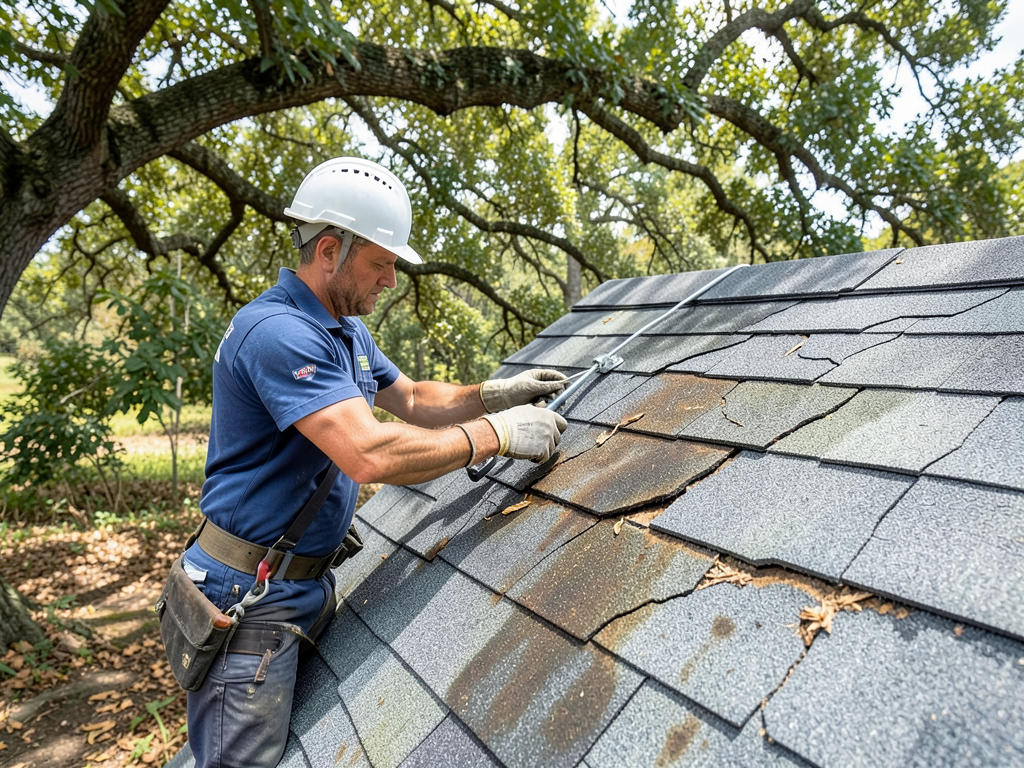
When black walnuts start dropping in Webster Groves, they don’t just make a mess on your driveway. These heavy nuts can cause serious damage to your roof if left unchecked. The combination of Webster Groves’ mature tree canopy and the weight of falling walnuts creates a unique roofing challenge that St. Louis homeowners need to understand. Reliable Roofing Services for Your Affton Home or Rental Property.
Black walnuts typically fall between September and October in the St. Louis area. A single walnut can weigh up to 2 pounds and fall from heights of 50 to 80 feet. When these nuts hit your roof at terminal velocity, they create impact points that can crack asphalt shingles, dent metal roofing, and damage flashing around chimneys and vents. The damage often goes unnoticed until water intrusion causes interior ceiling stains or attic mold growth. Hail Damage Assessment.
Beyond the direct impact damage, black walnuts create secondary problems that compound roof deterioration. The nuts and their husks contain tannins that stain roofing materials. As they decompose on your roof surface, they create acidic conditions that break down asphalt shingle granules. The nuts also roll into roof valleys and behind chimneys where they trap moisture and accelerate rot in underlying wood decking.
Webster Groves’ specific geography makes this problem more severe than in other St. Louis neighborhoods. The area’s combination of mature hardwood trees, rolling topography, and older homes with complex rooflines creates perfect conditions for walnut damage. Homes near Blackburn Park and along the Shady Oak Trail corridor often have the highest concentration of walnut trees within falling distance of roofs.. Read more about How to Trim Your Trees to Protect Your Roof Without Ruining Your Landscaping in Glendale.
Understanding the specific damage patterns helps homeowners identify problems early. Impact cracks typically appear as crescent-shaped fractures in asphalt shingles, often with granule loss around the impact zone. Metal roofing may show dimpling or actual penetration if the walnut hits at the right angle. The most serious damage occurs when walnuts strike at the edge of shingles where they overlap flashing, creating entry points for water. Why Ladue Homeowners Trust These Specialized Roofing Contractors.
Regular roof inspections become critical during walnut season. Professional roofers look for specific indicators including cracked or missing shingles directly under walnut trees, accumulation of walnut husks in roof valleys, and staining on roofing materials that indicates acidic decomposition. The inspection should also check for damage to roof-mounted equipment like satellite dishes and solar panels, which walnuts can dent or dislodge.
Preventive measures can significantly reduce walnut-related roof damage. Installing gutter guards prevents walnuts from entering and clogging drainage systems. Trimming branches that overhang the roof to maintain at least 10 feet of clearance reduces both the number of falling nuts and the shade that promotes moss growth. Some Webster Groves homeowners install protective netting during peak walnut season, though this requires professional installation to avoid creating additional roof hazards.
Insurance coverage for walnut damage varies significantly. Most standard homeowners policies cover sudden, accidental damage from falling objects, but may exclude damage from trees that were known to be diseased or improperly maintained. The key distinction often comes down to whether the damage was preventable through reasonable maintenance. Webster Groves homeowners should document their tree maintenance efforts and keep records of professional inspections to support insurance claims.
Professional roof repair after walnut damage requires specific expertise. Technicians must match replacement shingles to existing roofing materials, which can be challenging on older Webster Groves homes where original shingles may no longer be manufactured. The repair process typically involves removing damaged shingles, inspecting underlying decking for rot or water damage, replacing flashing if compromised, and ensuring proper sealing of all repaired areas. EPA waste management guidelines.
The timing of repairs matters significantly. Fall walnut season coincides with St. Louis’ rainy season, creating a narrow window for effective repairs. Professional roofers often schedule emergency walnut damage repairs within 24 to 48 hours to prevent water intrusion during seasonal storms. The urgency increases for homes with known roof vulnerabilities or those that have experienced previous walnut damage. Fixing Wind and Storm Damage Before It Ruins Your St. Louis Home.
Long-term walnut management requires a comprehensive approach. Beyond immediate roof protection, homeowners should consider the overall health of walnut trees on their property. Regular pruning by certified arborists can reduce the weight of branches that overhang roofs while maintaining the aesthetic and environmental benefits these trees provide. Some Webster Groves residents opt for selective tree removal when walnut trees pose ongoing roof risks, though this decision often requires navigating local tree preservation ordinances.
Understanding walnut tree biology helps predict and prevent damage. Black walnut trees produce the heaviest crops every 2 to 3 years, with lighter yields in between. This cyclical pattern means some years require more intensive roof protection than others. The trees also have extensive root systems that can cause soil movement around foundations, potentially creating additional stress on roof structures over time.
Professional assessment of walnut damage should include thermal imaging to detect moisture intrusion that isn’t visible from the surface. This technology identifies temperature variations that indicate water presence in roof decking and insulation. Early detection through thermal scanning can prevent the need for extensive interior repairs that result from prolonged water exposure. Who to Call for 24 Hour Roof Repairs Anywhere in St. Louis.
The cost of walnut damage repair varies based on several factors including the extent of damage, roofing material type, and accessibility of the damaged areas. Asphalt shingle repairs typically cost less than repairs to slate or tile roofing, which may require specialized technicians. Webster Groves homeowners should obtain multiple estimates and verify that contractors have experience with walnut-specific damage patterns.
Seasonal maintenance schedules should align with walnut production cycles. Spring inspections can identify winter damage before walnut season begins. Summer pruning reduces the number of nuts that reach maturity on overhanging branches. Fall cleanup removes accumulated walnuts before they cause staining or create acidic conditions on roof surfaces. Winter inspections can catch any damage that occurred during the previous walnut season.
Community resources in Webster Groves can help homeowners manage walnut-related roof issues. The city’s forestry department provides guidance on tree maintenance and preservation. Local roofing contractors familiar with the area’s specific challenges can offer targeted solutions. Neighborhood associations often share information about peak walnut production years and effective prevention strategies.
Technology is improving walnut damage prevention and repair. Drone inspections can identify damage patterns across entire roof surfaces without requiring physical access. Advanced sealants and coatings provide better protection against walnut acid and impact damage. Smart gutter systems can automatically clear walnut accumulation before it causes problems.
The environmental benefits of walnut trees must be balanced against roof protection needs. These trees provide significant wildlife habitat, carbon sequestration, and cooling benefits that contribute to Webster Groves’ character. Sustainable management approaches focus on coexistence rather than elimination, using targeted protection measures that preserve both the trees and the structures beneath them.
Education plays a crucial role in walnut damage prevention. Many Webster Groves homeowners don’t realize the extent of damage walnuts can cause until they experience it firsthand. Community workshops, online resources, and professional consultations can help residents understand the risks and implement effective protection strategies before serious damage occurs.
Future trends in roofing materials may offer better protection against walnut damage. Impact-resistant shingles rated for hail damage also perform better against walnut impacts. Composite materials that resist staining and acid degradation are becoming more available. Integration of protective features into standard roofing systems could make walnut damage prevention more accessible and cost-effective for homeowners.
Emergency response to walnut damage requires specific protocols. Immediate tarping prevents water intrusion while permanent repairs are scheduled. Documentation of damage supports insurance claims. Coordination with tree services ensures that walnut removal doesn’t create additional hazards during the repair process. Professional teams familiar with walnut-specific challenges can complete repairs more efficiently and effectively.
Webster Groves’ unique combination of mature trees and historic homes creates specific challenges for walnut damage management. The area’s architectural diversity means that solutions must be tailored to different roof styles and materials. Victorian homes with complex rooflines require different approaches than mid-century ranches with simpler designs. Local expertise becomes essential for effective walnut damage prevention and repair.
The economic impact of walnut damage extends beyond individual repair costs. Properties with recurring walnut damage may experience decreased market value. Insurance premiums can increase for homes with documented walnut-related claims. The cumulative effect on the Webster Groves housing market creates incentives for community-wide walnut management strategies.
Professional roofing contractors in Webster Groves develop specialized expertise in walnut damage patterns. They understand the specific impact points on different roof designs, the staining patterns created by walnut decomposition, and the most effective repair techniques for local roofing materials. This specialized knowledge allows for more accurate assessments and more effective long-term solutions.
Climate change may affect walnut production patterns and associated roof damage. Warmer temperatures could extend the walnut growing season or increase nut production in some years. More frequent severe weather events could compound the damage from falling walnuts. Understanding these potential changes helps homeowners and contractors plan for future walnut management needs.
Community-based solutions for walnut management are emerging in Webster Groves. Neighborhood walnut collection programs reduce the number of nuts that reach roofs. Shared information about effective prevention strategies helps homeowners implement best practices. Collaborative approaches with tree services and roofing contractors can provide more cost-effective solutions for multiple properties.
The intersection of walnut damage and roof warranties creates additional considerations. Some roofing manufacturers void warranties if damage results from known hazards that weren’t properly managed. Documentation of walnut prevention efforts and professional maintenance can help preserve warranty coverage. Understanding warranty terms helps homeowners make informed decisions about walnut management strategies.
Looking ahead, walnut damage management will likely become more sophisticated as technology and understanding improve. Integration of sensors that detect walnut accumulation, predictive models for walnut production, and advanced materials that resist walnut-related damage will provide homeowners with more effective tools for protecting their roofs while preserving the benefits of mature walnut trees.
Understanding Walnut Tree Impact on Webster Groves Roofs
Black walnut trees in Webster Groves produce nuts that can cause significant roof damage through multiple mechanisms. The combination of walnut weight, falling velocity, and acidic decomposition creates unique challenges for local homeowners.
Impact damage occurs when walnuts fall from heights of 50 to 80 feet, reaching speeds that can crack or puncture roofing materials. The damage is often concentrated under mature walnut trees, particularly those growing near roof edges or valleys where structural support is weakest.
Beyond direct impact, walnut husks contain tannins that stain roofing materials and create acidic conditions as they decompose. This chemical damage can break down asphalt shingle granules and accelerate the deterioration of underlying roof components.
Webster Groves’ specific geography amplifies these problems. The area’s combination of mature hardwood trees, rolling topography, and older homes with complex rooflines creates perfect conditions for walnut damage. Homes near Blackburn Park and along the Shady Oak Trail corridor often have the highest concentration of walnut trees within falling distance of roofs.
Prevention and Protection Strategies
Effective walnut damage prevention requires a multi-faceted approach. Gutter guards prevent walnuts from entering and clogging drainage systems, while branch trimming maintains at least 10 feet of clearance between trees and roof surfaces.
Some Webster Groves homeowners install protective netting during peak walnut season, though this requires professional installation to avoid creating additional roof hazards. The netting must be properly secured to prevent wind damage and should allow for adequate roof ventilation.
Regular roof inspections become critical during walnut season. Professional roofers look for specific indicators including cracked or missing shingles directly under walnut trees, accumulation of walnut husks in roof valleys, and staining on roofing materials that indicates acidic decomposition.
Seasonal maintenance schedules should align with walnut production cycles. Spring inspections can identify winter damage before walnut season begins. Summer pruning reduces the number of nuts that reach maturity on overhanging branches. Fall cleanup removes accumulated walnuts before they cause staining or create acidic conditions on roof surfaces.
Professional Repair and Assessment
Professional roof repair after walnut damage requires specific expertise. Technicians must match replacement shingles to existing roofing materials, which can be challenging on older Webster Groves homes where original shingles may no longer be manufactured.
The repair process typically involves removing damaged shingles, inspecting underlying decking for rot or water damage, replacing flashing if compromised, and ensuring proper sealing of all repaired areas. Professional assessment should include thermal imaging to detect moisture intrusion that isn’t visible from the surface.
Timing of repairs matters significantly. Fall walnut season coincides with St. Louis’ rainy season, creating a narrow window for effective repairs. Professional roofers often schedule emergency walnut damage repairs within 24 to 48 hours to prevent water intrusion during seasonal storms.
The cost of walnut damage repair varies based on several factors including the extent of damage, roofing material type, and accessibility of the damaged areas. Asphalt shingle repairs typically cost less than repairs to slate or tile roofing, which may require specialized technicians.
Insurance and Legal Considerations
Insurance coverage for walnut damage varies significantly. Most standard homeowners policies cover sudden, accidental damage from falling objects, but may exclude damage from trees that were known to be diseased or improperly maintained.
The key distinction often comes down to whether the damage was preventable through reasonable maintenance. Webster Groves homeowners should document their tree maintenance efforts and keep records of professional inspections to support insurance claims.
Local tree preservation ordinances in Webster Groves may affect walnut management decisions. Some tree removal requires permits, and certain walnut trees may be protected due to their size or historical significance. Understanding these regulations helps homeowners make informed decisions about walnut management.
Community resources in Webster Groves can help homeowners manage walnut-related roof issues. The city’s forestry department provides guidance on tree maintenance and preservation. Local roofing contractors familiar with the area’s specific challenges can offer targeted solutions.
Long-Term Management Strategies
Long-term walnut management requires a comprehensive approach. Beyond immediate roof protection, homeowners should consider the overall health of walnut trees on their property. Regular pruning by certified arborists can reduce the weight of branches that overhang roofs while maintaining the aesthetic and environmental benefits these trees provide.
Understanding walnut tree biology helps predict and prevent damage. Black walnut trees produce the heaviest crops every 2 to 3 years, with lighter yields in between. This cyclical pattern means some years require more intensive roof protection than others.
The environmental benefits of walnut trees must be balanced against roof protection needs. These trees provide significant wildlife habitat, carbon sequestration, and cooling benefits that contribute to Webster Groves’ character. Sustainable management approaches focus on coexistence rather than elimination.
Education plays a crucial role in walnut damage prevention. Many Webster Groves homeowners don’t realize the extent of damage walnuts can cause until they experience it firsthand. Community workshops, online resources, and professional consultations can help residents understand the risks and implement effective protection strategies.
Future Trends and Technology
Future trends in roofing materials may offer better protection against walnut damage. Impact-resistant shingles rated for hail damage also perform better against walnut impacts. Composite materials that resist staining and acid degradation are becoming more available.
Technology is improving walnut damage prevention and repair. Drone inspections can identify damage patterns across entire roof surfaces without requiring physical access. Advanced sealants and coatings provide better protection against walnut acid and impact damage.
Smart gutter systems can automatically clear walnut accumulation before it causes problems. These systems use sensors to detect debris and activate cleaning mechanisms, reducing maintenance requirements for homeowners.
Climate change may affect walnut production patterns and associated roof damage. Warmer temperatures could extend the walnut growing season or increase nut production in some years. More frequent severe weather events could compound the damage from falling walnuts.
Community and Economic Impact
The economic impact of walnut damage extends beyond individual repair costs. Properties with recurring walnut damage may experience decreased market value. Insurance premiums can increase for homes with documented walnut-related claims.
Community-based solutions for walnut management are emerging in Webster Groves. Neighborhood walnut collection programs reduce the number of nuts that reach roofs. Shared information about effective prevention strategies helps homeowners implement best practices.
Professional roofing contractors in Webster Groves develop specialized expertise in walnut damage patterns. They understand the specific impact points on different roof designs, the staining patterns created by walnut decomposition, and the most effective repair techniques for local roofing materials.
The intersection of walnut damage and roof warranties creates additional considerations. Some roofing manufacturers void warranties if damage results from known hazards that weren’t properly managed. Documentation of walnut prevention efforts can help preserve warranty coverage.
Looking ahead, walnut damage management will likely become more sophisticated as technology and understanding improve. Integration of sensors that detect walnut accumulation, predictive models for walnut production, and advanced materials that resist walnut-related damage will provide homeowners with more effective tools for protecting their roofs.
Emergency Response and Professional Services
Emergency response to walnut damage requires specific protocols. Immediate tarping prevents water intrusion while permanent repairs are scheduled. Documentation of damage supports insurance claims. Coordination with tree services ensures that walnut removal doesn’t create additional hazards during the repair process.
Professional teams familiar with walnut-specific challenges can complete repairs more efficiently and effectively. Their experience with local building patterns and walnut behavior allows for more accurate assessments and more effective long-term solutions.
Webster Groves’ unique combination of mature trees and historic homes creates specific challenges for walnut damage management. The area’s architectural diversity means that solutions must be tailored to different roof styles and materials. Local expertise becomes essential for effective walnut damage prevention and repair.
Don’t wait until walnut season creates expensive roof damage. Call (314) 417-7774 today to schedule your professional roof inspection and walnut damage prevention consultation. Pioneer Roofing St. Louis has the local expertise to protect your Webster Groves home from seasonal walnut hazards. For more information, visit FEMA homeowners insurance resources.
{
“@context”: “https://schema.org”,
“@type”: “BlogPosting”,
“headline”: “Dealing with the Damage Falling Black Walnuts Can Do to Your Webster Groves Roof”,
“description”: “Black walnuts in Webster Groves can crack shingles and clog gutters. Learn how to protect your roof from tree damage with local expert tips from Pioneer Roofing St. Louis.”,
“wordCount”: 2998,
“datePublished”: “2026-05-18T13:02:00.000Z”,
“dateModified”: “2026-05-18T13:02:00.000Z”,
“inLanguage”: “en-US”,
“mainEntityOfPage”: {
“@type”: “WebPage”,
“@id”: “https://pioneerroofingstlouis.com”
},
“publisher”: {
“@type”: “LocalBusiness”,
“name”: “Pioneer Roofing St. Louis”,
“url”: “https://pioneerroofingstlouis.com”
},
“author”: {
“@type”: “Organization”,
“name”: “Pioneer Roofing St. Louis”,
“url”: “https://pioneerroofingstlouis.com”
},
“image”: {
“@type”: “ImageObject”,
“url”: “https://pioneerroofingstlouis.com/wp-content/uploads/2026/03/dealing-with-the-damage-falling-black-walnuts-can-1.png”
}
}
{
“@context”: “https://schema.org”,
“@type”: “RoofingContractor”,
“name”: “Pioneer Roofing St. Louis”,
“url”: “https://pioneerroofingstlouis.com”,
“address”: {
“@type”: “PostalAddress”,
“addressLocality”: “St. Louis”
},
“areaServed”: {
“@type”: “City”,
“name”: “St. Louis”
}
}
{
“@context”: “https://schema.org”,
“@type”: “BreadcrumbList”,
“itemListElement”: [
{
“@type”: “ListItem”,
“position”: 1,
“name”: “Home”,
“item”: “https://pioneerroofingstlouis.com”
},
{
“@type”: “ListItem”,
“position”: 2,
“name”: “Blog”,
“item”: “https://pioneerroofingstlouis.com/blog”
},
{
“@type”: “ListItem”,
“position”: 3,
“name”: “Dealing with the Damage Falling Black Walnuts Can Do to Your Webster Groves Roof”
}
]
}
{
“@context”: “https://schema.org”,
“@type”: “Service”,
“serviceType”: “Roofing”,
“provider”: {
“@type”: “LocalBusiness”,
“name”: “Pioneer Roofing St. Louis”,
“url”: “https://pioneerroofingstlouis.com”
},
“areaServed”: {
“@type”: “City”,
“name”: “St. Louis”
},
“description”: “Black walnuts in Webster Groves can crack shingles and clog gutters. Learn how to protect your roof from tree damage with local expert tips from Pioneer Roofing St. Louis.”
}