
Contemporary Roofing Styles for Modern Infill Homes in Botanical Heights
Modern infill homes in Botanical Heights demand roofing solutions that complement sleek architectural lines while standing up to St. Louis’ volatile climate. The neighborhood’s rapid redevelopment has created a unique roofing challenge: how to balance contemporary aesthetics with the durability needed for Midwest weather extremes. From standing seam metal panels to synthetic slate alternatives, today’s roofing materials offer both visual appeal and performance that traditional asphalt shingles cannot match. Reliable Roofing Services for Your Affton Home or Rental Property.
Botanical Heights’ location in the urban core means these homes face specific environmental stresses. The area’s proximity to the Missouri Botanical Garden creates a microclimate with higher humidity levels, while the neighborhood’s elevation changes can affect drainage patterns. Understanding these local factors is crucial when selecting roofing materials that will perform reliably for decades.
Understanding the Botanical Heights Roofing Challenge
The modern infill homes popping up throughout Botanical Heights represent a significant departure from the area’s historic architecture. These contemporary structures feature clean lines, large windows, and often flat or low-slope roof designs that require specialized materials and installation techniques. The challenge lies in finding roofing solutions that maintain the minimalist aesthetic while providing adequate protection against St. Louis’ notorious weather patterns. EPA Cool Roofs Information.
Botanical Heights experiences some of the most extreme weather conditions in the St. Louis metropolitan area. The neighborhood sits in a convergence zone where warm, moist air from the Mississippi River Valley meets cooler air from the north, creating ideal conditions for severe thunderstorms and occasional hail events. This microclimate demands roofing materials with high impact resistance and superior water-shedding capabilities. Fixing Wind and Storm Damage Before It Ruins Your St. Louis Home.
The soil composition in Botanical Heights also plays a role in roofing performance. The area’s clay-rich soil can cause foundation movement that affects roof alignment over time. This makes proper installation techniques and material flexibility critical factors when selecting roofing systems for these modern homes.
Modern Roofing Materials for Contemporary Architecture
Contemporary roofing materials have evolved significantly in recent years, offering homeowners in Botanical Heights options that combine cutting-edge technology with stunning visual appeal. These materials are specifically engineered to handle the unique challenges of modern architecture while providing superior performance compared to traditional roofing options. Why Ladue Homeowners Trust These Specialized Roofing Contractors.
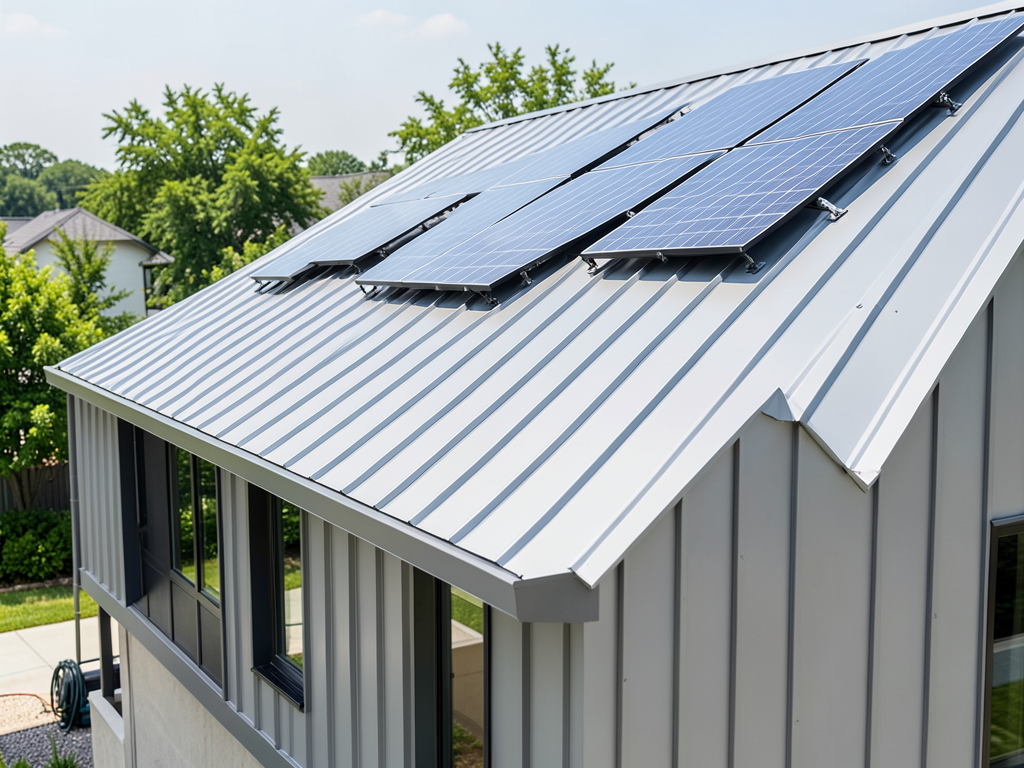
Standing seam metal roofing has emerged as a favorite for contemporary infill homes. The clean, vertical lines of metal panels complement the geometric designs common in modern architecture. Beyond aesthetics, metal roofing offers exceptional durability with lifespans often exceeding 50 years. The material’s reflective properties can reduce cooling costs by up to 25% during St. Louis’ hot summers.. Read more about Why Your Eureka Metal Roof Needs Snow Guards Before the Next Big Freeze.
Synthetic roofing materials have also gained popularity in Botanical Heights. These engineered products mimic the appearance of natural slate or cedar shake while offering superior performance and lower weight. Modern synthetic slate, for instance, weighs significantly less than natural stone while providing comparable impact resistance and longevity.. Read more about Popular Shingle Colors That Complement the Red Brick Architecture of St. Louis Hills.
Flat roof systems, common in contemporary design, require specialized membrane materials. TPO (thermoplastic polyolefin) and EPDM (ethylene propylene diene monomer) membranes offer excellent waterproofing properties while accommodating the clean lines desired in modern architecture. These materials also provide superior resistance to UV radiation and thermal cycling.
Climate Considerations for Botanical Heights Roofing
St. Louis’ climate presents unique challenges for roofing materials, and Botanical Heights’ specific location within the city creates additional considerations. The area experiences temperature swings of up to 50 degrees in a single day during transitional seasons, which can cause significant stress on roofing materials through repeated expansion and contraction cycles.
Humidity levels in Botanical Heights often exceed 70% during summer months, creating conditions that promote algae and moss growth on roofing surfaces. This biological growth can compromise the integrity of certain materials and lead to premature deterioration. Modern roofing materials incorporate anti-microbial treatments and specialized coatings to combat these issues.
The neighborhood’s proximity to major urban heat sources creates localized thermal effects that can accelerate material aging. Contemporary roofing materials must be selected with these thermal considerations in mind, often requiring higher temperature ratings and enhanced UV protection compared to materials used in surrounding suburban areas.
Wind patterns in Botanical Heights can be particularly challenging due to the area’s topography and proximity to the Mississippi River valley. Modern roofing systems must be engineered to withstand wind uplift forces that can exceed 90 mph during severe weather events. This requires specialized fastening systems and proper edge detailing that complements contemporary architectural designs.
Energy Efficiency and Modern Roofing Systems
Contemporary roofing goes beyond simple protection from the elements. Today’s materials incorporate advanced energy-efficient features that can significantly reduce utility costs while improving indoor comfort. For Botanical Heights homeowners, these energy considerations are particularly important given the area’s climate extremes.
Cool roofing technologies have revolutionized modern roofing design. These materials feature high solar reflectance and thermal emittance ratings, which can reduce roof surface temperatures by up to 50 degrees compared to traditional dark roofing materials. In Botanical Heights’ summer heat, this temperature reduction translates directly into lower cooling costs and improved comfort levels.
Integrated solar roofing systems represent the cutting edge of contemporary roofing technology. These systems combine traditional roofing functions with photovoltaic energy generation, creating a seamless integration of form and function. Modern solar roofing products are designed to complement contemporary architectural styles while providing clean energy generation capabilities.
Ventilation systems have also evolved to meet the demands of modern roofing. Contemporary designs often incorporate ridge vents, soffit vents, and powered ventilation systems that work together to maintain optimal attic temperatures year-round. Proper ventilation not only improves energy efficiency but also extends the life of roofing materials by preventing moisture buildup and heat accumulation.
Installation Considerations for Contemporary Homes
Installing roofing on modern infill homes requires specialized knowledge and techniques that differ significantly from traditional roofing methods. The unique architectural features common in contemporary design, such as large overhangs, integrated solar panels, and complex drainage systems, demand careful planning and execution during the installation process.
Roof deck preparation is critical for modern roofing systems. Contemporary materials often require specific substrate conditions to maintain their warranties and achieve optimal performance. This includes proper moisture content levels, adequate structural support, and appropriate surface preparation techniques that may involve specialized primers or underlayment systems.
Flashing details for contemporary homes require particular attention due to the prevalence of large windows, skylights, and integrated mechanical systems. Modern flashing techniques utilize advanced materials like synthetic rubber compounds and specialized sealants that provide superior weatherproofing while maintaining the clean aesthetic lines desired in contemporary design.
The integration of smart home technology with roofing systems is becoming increasingly common in modern infill homes. This includes sensors for leak detection, temperature monitoring, and even automated snow removal systems. Installation must account for these technological integrations, requiring coordination between roofing contractors and other trades to ensure proper functionality.
Cost Considerations and ROI for Modern Roofing
While contemporary roofing materials often carry higher upfront costs compared to traditional options, the long-term value proposition can be compelling for Botanical Heights homeowners. Understanding the total cost of ownership, including installation, maintenance, and energy savings, is crucial when making roofing decisions for modern infill homes.
Material costs for contemporary roofing systems typically range from 30% to 100% higher than traditional asphalt shingles. However, this premium often translates to significantly longer lifespans, with many modern materials lasting 40 to 70 years compared to the 20 to 25 years typical of standard roofing products. This extended service life can provide substantial cost savings over the building’s lifetime.
Energy savings represent another significant factor in the cost equation. Modern roofing materials with high solar reflectance can reduce cooling costs by 15% to 30% during peak summer months. In Botanical Heights’ climate, where air conditioning represents a major portion of annual energy consumption, these savings can amount to hundreds of dollars per year.
Insurance considerations also play a role in the financial analysis. Many contemporary roofing materials carry higher impact resistance ratings, which can qualify homeowners for premium discounts of 10% to 25% on their homeowner’s insurance policies. These savings, combined with potential tax incentives for energy-efficient improvements, can significantly improve the overall return on investment.
Maintenance Requirements for Contemporary Roofing
Modern roofing materials often require different maintenance approaches compared to traditional systems. Understanding these requirements is essential for Botanical Heights homeowners to maximize the lifespan and performance of their roofing investment. Contemporary materials typically offer reduced maintenance needs, but proper care remains crucial for optimal performance.
Regular inspection schedules should be established based on the specific material type and local conditions. For Botanical Heights homes, this typically means bi-annual inspections in spring and fall to assess winter damage and prepare for summer weather extremes. Modern roofing systems often include self-diagnostic features that can alert homeowners to potential issues before they become serious problems.
Cleaning requirements vary significantly among contemporary materials. While some modern roofing products feature self-cleaning properties through specialized coatings, others may require periodic cleaning to maintain their appearance and performance characteristics. The high humidity levels in Botanical Heights can accelerate the growth of algae and moss, necessitating targeted cleaning protocols for certain material types.
Repair procedures for contemporary roofing systems often differ from traditional methods. Many modern materials require specialized repair techniques and proprietary products to maintain warranty coverage and ensure proper performance. This makes it essential to work with contractors who have specific experience with contemporary roofing systems and their unique maintenance requirements.
Local Building Code Requirements
St. Louis County building codes have specific requirements for modern roofing installations that Botanical Heights homeowners must understand before beginning any roofing project. These regulations ensure safety, energy efficiency, and proper performance while often influencing material selection and installation methods.
The St. Louis County Building Code, based on the International Residential Code with local amendments, requires specific underlayment and ice dam protection for all roofing installations. In Botanical Heights, where temperature fluctuations can be extreme, these requirements become particularly important. The code mandates ice and water shield installation in all valleys and along eaves where ice dam formation is likely.
Wind resistance requirements in the local building code are especially relevant for contemporary homes with large roof areas and minimal overhangs. The code specifies minimum fastening requirements based on roof slope and local wind patterns, with Botanical Heights falling within a zone requiring enhanced wind resistance due to its urban location and proximity to the Mississippi River valley.
Energy efficiency standards incorporated into the building code affect material selection for modern roofing projects. These requirements include minimum solar reflectance values for low-slope roofs and specific ventilation requirements that must be met regardless of the roofing material chosen. Compliance with these standards is verified through building inspections at various stages of the roofing project.
Choosing the Right Contractor for Modern Roofing
Selecting a contractor with specific experience in contemporary roofing systems is crucial for Botanical Heights homeowners. The unique challenges presented by modern infill homes require specialized knowledge and skills that go beyond traditional roofing expertise. The right contractor can mean the difference between a roofing system that performs flawlessly for decades and one that requires frequent repairs. Who to Call for 24 Hour Roof Repairs Anywhere in St. Louis.
Experience with specific contemporary materials should be a primary consideration when evaluating contractors. Many modern roofing products require specialized installation techniques and tools that only experienced professionals possess. Ask potential contractors about their experience with the specific materials you’re considering and request references from previous contemporary roofing projects.
Understanding of modern building science principles is essential for contemporary roofing installations. The contractor should demonstrate knowledge of thermal bridging, air sealing, and moisture management concepts that are critical for the performance of modern roofing systems. This expertise ensures that the roofing installation integrates properly with the home’s overall building envelope.
Insurance and licensing requirements for contemporary roofing installations may be more stringent than for traditional projects. Verify that potential contractors carry appropriate insurance coverage for the specific risks associated with modern roofing systems, including liability for potential damage to high-value contemporary homes and coverage for specialized equipment and materials.
Future Trends in Contemporary Roofing
The roofing industry continues to evolve rapidly, with new technologies and materials emerging that promise to further enhance the performance and aesthetics of modern roofing systems. Botanical Heights homeowners should be aware of these trends when planning their roofing projects, as some innovations may offer compelling advantages for contemporary infill homes.
Integrated building technology represents one of the most significant trends in contemporary roofing. Smart roofing systems that incorporate sensors for moisture detection, temperature monitoring, and even structural health assessment are becoming increasingly common. These systems can provide real-time data about roof performance and potential issues, allowing for proactive maintenance and improved longevity.
Sustainable and recycled materials continue to gain traction in the roofing industry. New products made from recycled plastics, rubber, and other materials offer environmental benefits while maintaining the performance characteristics required for contemporary roofing applications. These materials often feature enhanced durability and lower environmental impact compared to traditional options.
Adaptive roofing systems that can change their properties based on environmental conditions represent an emerging technology with significant potential. These materials can adjust their solar reflectance, thermal emittance, or even structural properties in response to temperature, humidity, or other environmental factors, potentially offering unprecedented levels of energy efficiency and performance.
Frequently Asked Questions
What is the best roofing material for contemporary homes in Botanical Heights?
The best material depends on your specific design goals and budget, but standing seam metal roofing and synthetic slate are popular choices for contemporary homes in Botanical Heights. These materials offer excellent durability, modern aesthetics, and superior performance in our local climate conditions.
How long do modern roofing materials typically last?
Contemporary roofing materials generally last 40 to 70 years, significantly longer than traditional asphalt shingles which typically last 20 to 25 years. The exact lifespan depends on the specific material, installation quality, and maintenance practices. High Quality Roof Replacements for Creve Coeur Properties.
Are there any energy efficiency rebates available for modern roofing in St. Louis?
Yes, many modern roofing materials qualify for energy efficiency rebates through utility companies and federal tax incentives. Cool roofing materials with high solar reflectance ratings often qualify for these programs, which can help offset the higher initial costs of contemporary roofing systems.
How much does contemporary roofing cost compared to traditional options?
Modern roofing materials typically cost 30% to 100% more than traditional asphalt shingles upfront. However, when factoring in longer lifespans, energy savings, and reduced maintenance requirements, the total cost of ownership can be comparable or even lower over the long term.
Can I install solar panels on a contemporary roof?
Absolutely. Many modern roofing materials are specifically designed to accommodate solar panel installations. Some contemporary roofing systems even integrate solar technology directly into the roofing material, creating a seamless appearance while generating clean energy.
Conclusion
Contemporary roofing for modern infill homes in Botanical Heights represents a significant investment in both aesthetics and performance. The right roofing system can enhance your home’s architectural appeal while providing superior protection against St. Louis’ challenging climate conditions. From standing seam metal to advanced synthetic materials, today’s options offer unprecedented combinations of durability, energy efficiency, and visual appeal.
The key to success lies in understanding your specific needs, local building requirements, and the unique characteristics of contemporary roofing materials. Working with experienced contractors who understand modern roofing systems and the specific challenges of Botanical Heights’ environment is essential for achieving optimal results.
Ready to explore contemporary roofing options for your Botanical Heights home? Call (314) 417-7774 today to schedule a consultation with our modern roofing specialists. We’ll help you select the perfect roofing system that combines cutting-edge technology with stunning contemporary design while ensuring decades of reliable performance. For more information, visit ASTM Roofing Standards.
You may also find this helpful. Dealing with HOA Restrictions When Upgrading Your Roof in St. Peters or O’Fallon.
{
“@context”: “https://schema.org”,
“@type”: “BlogPosting”,
“headline”: “Contemporary Roofing Styles for Modern Infill Homes in Botanical Heights”,
“description”: “Explore modern roofing materials and styles perfect for Botanical Heights’ contemporary infill homes. Learn about durability, energy efficiency, and local building requirements.”,
“wordCount”: 2646,
“datePublished”: “2026-05-28T14:19:00.000Z”,
“dateModified”: “2026-05-28T14:19:00.000Z”,
“inLanguage”: “en-US”,
“mainEntityOfPage”: {
“@type”: “WebPage”,
“@id”: “https://pioneerroofingstlouis.com”
},
“publisher”: {
“@type”: “LocalBusiness”,
“name”: “Pioneer Roofing St. Louis”,
“url”: “https://pioneerroofingstlouis.com”
},
“author”: {
“@type”: “Organization”,
“name”: “Pioneer Roofing St. Louis”,
“url”: “https://pioneerroofingstlouis.com”
},
“image”: {
“@type”: “ImageObject”,
“url”: “https://pioneerroofingstlouis.com/wp-content/uploads/2026/03/contemporary-roofing-styles-for-modern-infill-home-1.png”
}
}
{
“@context”: “https://schema.org”,
“@type”: “RoofingContractor”,
“name”: “Pioneer Roofing St. Louis”,
“url”: “https://pioneerroofingstlouis.com”,
“address”: {
“@type”: “PostalAddress”,
“addressLocality”: “St. Louis”
},
“areaServed”: {
“@type”: “City”,
“name”: “St. Louis”
}
}
{
“@context”: “https://schema.org”,
“@type”: “FAQPage”,
“mainEntity”: [
{
“@type”: “Question”,
“name”: “What is the best roofing material for contemporary homes in Botanical Heights?”,
“acceptedAnswer”: {
“@type”: “Answer”,
“text”: “The best material depends on your specific design goals and budget, but standing seam metal roofing and synthetic slate are popular choices for contemporary homes in Botanical Heights. These materials offer excellent durability, modern aesthetics, and superior performance in our local climate conditions.”
}
},
{
“@type”: “Question”,
“name”: “How long do modern roofing materials typically last?”,
“acceptedAnswer”: {
“@type”: “Answer”,
“text”: “Contemporary roofing materials generally last 40 to 70 years, significantly longer than traditional asphalt shingles which typically last 20 to 25 years. The exact lifespan depends on the specific material, installation quality, and maintenance practices. High Quality Roof Replacements for Creve Coeur Properties.”
}
},
{
“@type”: “Question”,
“name”: “Are there any energy efficiency rebates available for modern roofing in St. Louis?”,
“acceptedAnswer”: {
“@type”: “Answer”,
“text”: “Yes, many modern roofing materials qualify for energy efficiency rebates through utility companies and federal tax incentives. Cool roofing materials with high solar reflectance ratings often qualify for these programs, which can help offset the higher initial costs of contemporary roofing systems.”
}
},
{
“@type”: “Question”,
“name”: “How much does contemporary roofing cost compared to traditional options?”,
“acceptedAnswer”: {
“@type”: “Answer”,
“text”: “Modern roofing materials typically cost 30% to 100% more than traditional asphalt shingles upfront. However, when factoring in longer lifespans, energy savings, and reduced maintenance requirements, the total cost of ownership can be comparable or even lower over the long term.”
}
},
{
“@type”: “Question”,
“name”: “Can I install solar panels on a contemporary roof?”,
“acceptedAnswer”: {
“@type”: “Answer”,
“text”: “Absolutely. Many modern roofing materials are specifically designed to accommodate solar panel installations. Some contemporary roofing systems even integrate solar technology directly into the roofing material, creating a seamless appearance while generating clean energy.”
}
}
]
}
{
“@context”: “https://schema.org”,
“@type”: “BreadcrumbList”,
“itemListElement”: [
{
“@type”: “ListItem”,
“position”: 1,
“name”: “Home”,
“item”: “https://pioneerroofingstlouis.com”
},
{
“@type”: “ListItem”,
“position”: 2,
“name”: “Blog”,
“item”: “https://pioneerroofingstlouis.com/blog”
},
{
“@type”: “ListItem”,
“position”: 3,
“name”: “Contemporary Roofing Styles for Modern Infill Homes in Botanical Heights”
}
]
}
{
“@context”: “https://schema.org”,
“@type”: “Service”,
“serviceType”: “Roofing”,
“provider”: {
“@type”: “LocalBusiness”,
“name”: “Pioneer Roofing St. Louis”,
“url”: “https://pioneerroofingstlouis.com”
},
“areaServed”: {
“@type”: “City”,
“name”: “St. Louis”
},
“description”: “Explore modern roofing materials and styles perfect for Botanical Heights’ contemporary infill homes. Learn about durability, energy efficiency, and local building requirements.”
}