
How to Estimate the Remaining Life of Your Roof Without Climbing a Ladder
Standing on your roof can be dangerous and unnecessary. Most homeowners can determine their roof’s remaining life from the ground using visual clues and research methods. This guide shows you how to assess your roof’s condition safely while understanding how St. Louis’s unique climate affects roofing materials. Reliable Roofing Services for Your Affton Home or Rental Property.
The average asphalt shingle roof in St. Louis lasts 15-20 years, but our severe hail storms and rapid freeze-thaw cycles can reduce that by half. Before you call a roofing contractor, use these methods to get a clear picture of your roof’s health. Fixing Wind and Storm Damage Before It Ruins Your St. Louis Home.
Start with Property Records and Permits
Finding your roof’s age starts with public records. The St. Louis County Assessor’s Office maintains property records that often include the original construction date and major renovation permits.. Read more about Who is Responsible for Roof Leaks in a St. Louis Rental Property (A Guide for Landlords and Tenants).
Visit the St. Louis County Assessor’s website at stlouisco.com/assessor and search by your property address. Look for building permits filed under ‘roofing’ or ‘re-roofing’ categories. These permits typically include the contractor’s name and completion date.
If your home was built before 1980, check with the St. Louis City Archives or your title company. Many historic homes in neighborhoods like Clayton and Webster Groves have detailed permit histories showing roof replacement dates.
Visual Signs of Roof Aging
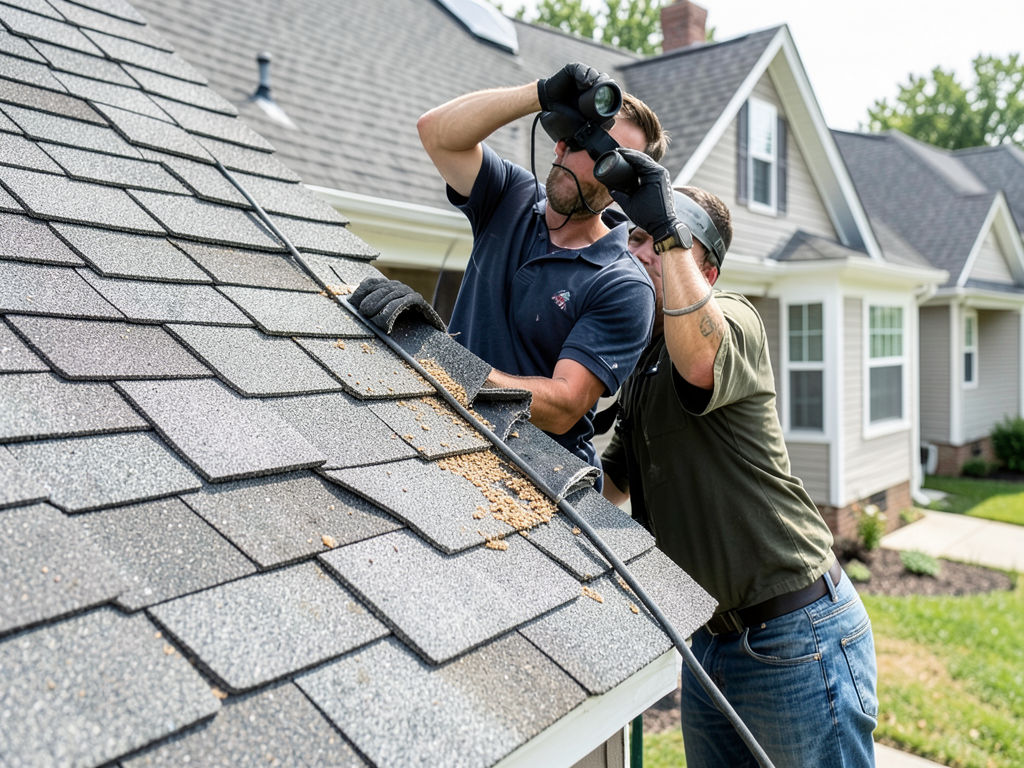
Once you know the approximate age, examine your roof from the ground using binoculars. Look for these warning signs:
Granule Loss on Asphalt Shingles – Check gutters and downspouts for dark sand-like granules. These protect shingles from UV damage. Heavy granule loss means your shingles are deteriorating faster than normal.
Curling or Cupping Edges – Shingles that curl upward or cup downward indicate moisture damage and age. This is especially common on south-facing slopes where sun exposure is highest.
Bleeding or Algae Growth – Black streaks on your roof aren’t dirt. They’re algae that feed on limestone filler in shingles. While not immediately damaging, they indicate moisture retention and can reduce shingle life by 5-7 years.
Missing or Damaged Shingles – After any major storm, check for missing pieces or visible damage. Hail damage often appears as circular dents or cracks that compromise the shingle’s integrity.
The St. Louis Weather Impact
St. Louis’s climate creates unique roofing challenges. Our area experiences 40+ severe hail events annually, according to the National Weather Service. These storms can reduce a 25-year shingle’s life to 12-15 years.
Temperature swings are another killer. When temperatures drop from 70°F to 20°F overnight, shingles contract and expand repeatedly. This causes nail pops and separation at seams. Homes in 63105 (Clayton) and 63119 (Webster Groves) often show more wear due to older tree cover that traps moisture against roofs.
Humidity levels above 70% for extended periods promote algae and moss growth. These organisms hold moisture against the roof surface, accelerating deterioration. Homes near Forest Park or along the River Des Peres corridor often experience higher humidity levels.
Material-Specific Aging Signs
Different roofing materials show age differently. Here’s what to look for based on your roof type: Roofing Kirkwood.
- Asphalt Shingles
Look for granule loss, curling edges, and exposed fiberglass mat. Check for ‘fishmouth’ curling where tabs lift at the corners.
- Metal Roofing
Examine for paint peeling, rust spots, and fastener corrosion. Metal roofs in St. Louis often show oxidation after 15-20 years, especially near industrial areas along I-70.
- Tile or Slate
Check for cracked or broken pieces. Slate roofs can last 75+ years, but individual tiles may fail after 30-40 years of freeze-thaw cycles.
- Flat Commercial Roofs
Look for ponding water, bubbling, and seam separation. EPDM rubber roofs typically show age through shrinkage and cracking at expansion joints.
The Moisture Meter Test
Water damage is the biggest threat to roof longevity. You can check for moisture without climbing by using a simple screwdriver test on your ceiling. Hail Damage Assessment.
Press a screwdriver into your ceiling in the attic or upper floor. If it sinks easily or feels soft, you likely have moisture damage above. This test works best after several dry days when the roof surface is completely dry.
Look for water stains on ceilings and walls. These often appear as brown or yellow discoloration. Check around chimneys, skylights, and roof valleys where leaks commonly start.
Professional Inspection vs. DIY Assessment
When should you call a professional? If you notice any of these signs, get a certified inspection:
- Multiple missing shingles or visible damage
- Water stains on interior ceilings or walls
- Age exceeds 15 years for asphalt shingles
- Recent severe weather including hail or high winds
A professional roof inspection includes thermal imaging to detect moisture beneath the surface. This technology shows temperature differences that indicate wet insulation or decking.
Professional inspectors also check flashing around chimneys, vents, and valleys. These areas fail most often and can cause extensive damage if left unrepaired.
Cost-Benefit Analysis of Repair vs. Replacement
Understanding your roof’s remaining life helps you make smart financial decisions. Here’s a comparison of common scenarios:
| Roof Condition | Age Range | Recommended Action | Estimated Cost Range |
|---|---|---|---|
| Minor wear, no leaks | 0-10 years | Regular maintenance | $300-800 |
| Moderate wear, minor leaks | 10-15 years | Spot repairs | $1,000-3,000 |
| Significant wear, active leaks | 15-20 years | Partial replacement | $5,000-12,000 |
| Failed roof system | 20+ years | Full replacement | $8,000-25,000 |
Insurance Considerations
Your roof’s age affects your insurance premiums and coverage. Most St. Louis insurance companies offer discounts for roofs under 10 years old.
If your roof is over 20 years old, some insurers may require a professional inspection before renewing your policy. They might also exclude hail damage coverage or increase your deductible.
Keep documentation of all roof repairs and maintenance. This proves you’ve maintained your property and can help with insurance claims if damage occurs. Who to Call for 24 Hour Roof Repairs Anywhere in St. Louis.
Emergency Warning Signs
Some roof problems require immediate attention. Call (314) 417-7774 right away if you notice:
- Active water dripping inside your home
- Large sections of missing shingles
- Sagging areas on your roof deck
- Debris in your yard after a storm
These signs indicate structural damage that could lead to collapse or extensive interior damage.
Maintenance Tips to Extend Roof Life
Regular maintenance can add 5-10 years to your roof’s life. Here are proven strategies:
- Clean Gutters Twice Yearly
Clogged gutters cause water backup under shingles. Clean in spring and fall, especially if you have many trees.
- Trim Overhanging Branches
Tree branches scratch and damage shingles. Keep them at least 10 feet from your roof surface.
- Remove Debris Promptly
Leaves and pine needles trap moisture. Remove them with a leaf blower or soft broom.
- Check Attic Ventilation
Proper airflow prevents heat and moisture buildup. Ensure vents aren’t blocked by insulation.
Call for Professional Assessment
While these methods help you estimate your roof’s condition, nothing replaces a professional inspection. Pioneer Roofing St. Louis offers free roof assessments that include:
- Detailed age and condition report
- Thermal imaging for hidden moisture
- Repair vs. replacement recommendations
- Insurance claim assistance if needed
Don’t wait until water damage becomes expensive. Call (314) 417-7774 today to schedule your free inspection. Our experienced technicians will provide honest recommendations based on your roof’s actual condition, not sales pressure.
Early detection saves money and prevents the stress of emergency repairs. Whether you need minor repairs or a complete replacement, we’ll help you make the right decision for your home and budget.
Frequently Asked Questions
How can I tell if my roof needs replacement without climbing on it?
Look for curling shingles, granule loss in gutters, algae growth, and water stains on ceilings. Check your property records for the installation date. If your roof is over 20 years old and shows multiple warning signs, replacement is likely needed.
What’s the average lifespan of a roof in St. Louis?
Asphalt shingles typically last 15-20 years in St. Louis due to severe weather. Metal roofs can last 40-50 years, while tile or slate can exceed 75 years. Our climate with frequent hail and freeze-thaw cycles reduces lifespan compared to milder regions.
Can I get my roof’s age from public records?
Yes. The St. Louis County Assessor’s Office maintains property records that often include building permits. Search their website by your address to find roofing permits and installation dates. Title companies can also provide this information.
How much does a professional roof inspection cost?
Most reputable roofing companies offer free inspections. Professional assessments include thermal imaging, detailed reports, and repair recommendations. Be wary of companies charging for basic inspections, as this may indicate high-pressure sales tactics.
What time of year is best for roof replacement in St. Louis?
Spring and fall offer ideal weather conditions for roof replacement. Avoid winter months when freezing temperatures affect material installation, and summer when extreme heat can make working conditions dangerous for crews. For more information, visit National Weather Service St. Louis.
You may also find this helpful. Why West-Facing Roof Slopes in St. Charles Usually Fail First.
{
“@context”: “https://schema.org”,
“@type”: “BlogPosting”,
“headline”: “How to Estimate the Remaining Life of Your Roof Without Climbing a Ladder”,
“description”: “Discover 5 proven methods to determine your roof’s age and condition from the ground. Learn how St. Louis weather impacts roof longevity and when to call a professional.”,
“wordCount”: 1488,
“datePublished”: “2026-05-25T11:03:00.000Z”,
“dateModified”: “2026-05-25T11:03:00.000Z”,
“inLanguage”: “en-US”,
“mainEntityOfPage”: {
“@type”: “WebPage”,
“@id”: “https://pioneerroofingstlouis.com”
},
“publisher”: {
“@type”: “LocalBusiness”,
“name”: “Pioneer Roofing St. Louis”,
“url”: “https://pioneerroofingstlouis.com”
},
“author”: {
“@type”: “Organization”,
“name”: “Pioneer Roofing St. Louis”,
“url”: “https://pioneerroofingstlouis.com”
},
“image”: {
“@type”: “ImageObject”,
“url”: “https://pioneerroofingstlouis.com/wp-content/uploads/2026/03/how-to-estimate-the-remaining-life-of-your-roof-wi-1.png”
}
}
{
“@context”: “https://schema.org”,
“@type”: “RoofingContractor”,
“name”: “Pioneer Roofing St. Louis”,
“url”: “https://pioneerroofingstlouis.com”,
“address”: {
“@type”: “PostalAddress”,
“addressLocality”: “St. Louis”
},
“areaServed”: {
“@type”: “City”,
“name”: “St. Louis”
}
}
{
“@context”: “https://schema.org”,
“@type”: “FAQPage”,
“mainEntity”: [
{
“@type”: “Question”,
“name”: “How can I tell if my roof needs replacement without climbing on it?”,
“acceptedAnswer”: {
“@type”: “Answer”,
“text”: “Look for curling shingles, granule loss in gutters, algae growth, and water stains on ceilings. Check your property records for the installation date. If your roof is over 20 years old and shows multiple warning signs, replacement is likely needed.”
}
},
{
“@type”: “Question”,
“name”: “What’s the average lifespan of a roof in St. Louis?”,
“acceptedAnswer”: {
“@type”: “Answer”,
“text”: “Asphalt shingles typically last 15-20 years in St. Louis due to severe weather. Metal roofs can last 40-50 years, while tile or slate can exceed 75 years. Our climate with frequent hail and freeze-thaw cycles reduces lifespan compared to milder regions.”
}
},
{
“@type”: “Question”,
“name”: “Can I get my roof’s age from public records?”,
“acceptedAnswer”: {
“@type”: “Answer”,
“text”: “Yes. The St. Louis County Assessor’s Office maintains property records that often include building permits. Search their website by your address to find roofing permits and installation dates. Title companies can also provide this information.”
}
},
{
“@type”: “Question”,
“name”: “How much does a professional roof inspection cost?”,
“acceptedAnswer”: {
“@type”: “Answer”,
“text”: “Most reputable roofing companies offer free inspections. Professional assessments include thermal imaging, detailed reports, and repair recommendations. Be wary of companies charging for basic inspections, as this may indicate high-pressure sales tactics.”
}
},
{
“@type”: “Question”,
“name”: “What time of year is best for roof replacement in St. Louis?”,
“acceptedAnswer”: {
“@type”: “Answer”,
“text”: “Spring and fall offer ideal weather conditions for roof replacement. Avoid winter months when freezing temperatures affect material installation, and summer when extreme heat can make working conditions dangerous for crews. For more information, visit National Weather Service St. Louis.”
}
}
]
}
{
“@context”: “https://schema.org”,
“@type”: “HowTo”,
“name”: “How to Identify Material-Specific Aging”,
“step”: [
{
“@type”: “HowToStep”,
“position”: 1,
“name”: “Asphalt Shingles”,
“text”: “Look for granule loss, curling edges, and exposed fiberglass mat. Check for ‘fishmouth’ curling where tabs lift at the corners.”
},
{
“@type”: “HowToStep”,
“position”: 2,
“name”: “Metal Roofing”,
“text”: “Examine for paint peeling, rust spots, and fastener corrosion. Metal roofs in St. Louis often show oxidation after 15-20 years, especially near industrial areas along I-70.”
},
{
“@type”: “HowToStep”,
“position”: 3,
“name”: “Tile or Slate”,
“text”: “Check for cracked or broken pieces. Slate roofs can last 75+ years, but individual tiles may fail after 30-40 years of freeze-thaw cycles.”
},
{
“@type”: “HowToStep”,
“position”: 4,
“name”: “Flat Commercial Roofs”,
“text”: “Look for ponding water, bubbling, and seam separation. EPDM rubber roofs typically show age through shrinkage and cracking at expansion joints.”
}
],
“image”: “https://pioneerroofingstlouis.com/wp-content/uploads/2026/03/how-to-estimate-the-remaining-life-of-your-roof-wi-1.png”
}
{
“@context”: “https://schema.org”,
“@type”: “BreadcrumbList”,
“itemListElement”: [
{
“@type”: “ListItem”,
“position”: 1,
“name”: “Home”,
“item”: “https://pioneerroofingstlouis.com”
},
{
“@type”: “ListItem”,
“position”: 2,
“name”: “Blog”,
“item”: “https://pioneerroofingstlouis.com/blog”
},
{
“@type”: “ListItem”,
“position”: 3,
“name”: “How to Estimate the Remaining Life of Your Roof Without Climbing a Ladder”
}
]
}
{
“@context”: “https://schema.org”,
“@type”: “Service”,
“serviceType”: “Roofing”,
“provider”: {
“@type”: “LocalBusiness”,
“name”: “Pioneer Roofing St. Louis”,
“url”: “https://pioneerroofingstlouis.com”
},
“areaServed”: {
“@type”: “City”,
“name”: “St. Louis”
},
“description”: “Discover 5 proven methods to determine your roof’s age and condition from the ground. Learn how St. Louis weather impacts roof longevity and when to call a professional.”
}