
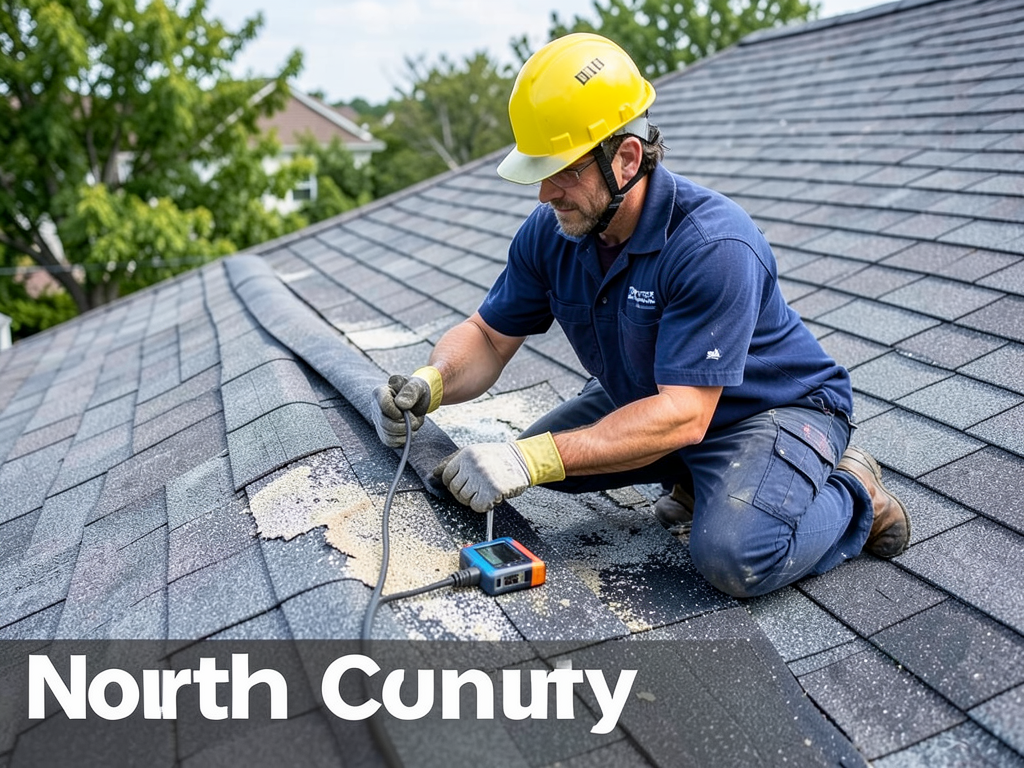
Avoiding Common Roofing Scams After a Major Storm in North County
After a major storm hits North County the phone lines light up with calls from homeowners desperate to fix damaged roofs. Scammers know this and flood neighborhoods with high-pressure sales tactics. They target vulnerable homeowners who are stressed and unsure about insurance claims. The key to protecting yourself is knowing what these scams look like before they knock on your door. Fixing Wind and Storm Damage Before It Ruins Your St. Louis Home.
Storm chasers follow hail paths across Missouri. They set up temporary offices in hotels and use aggressive canvassing to sign contracts before homeowners can think. Many operate without Missouri licenses and vanish after taking deposits. They often promise to “handle everything” with your insurance company but deliver substandard work or no work at all. Missouri Attorney General’s Consumer Protection Division.
North County residents face unique risks because of the area’s mix of older homes in Florissant and newer developments in Hazelwood. The storm damage patterns here often create perfect conditions for fraud. Understanding the local context helps you spot scams faster.
Missouri law provides specific protections but only if you know how to use them. The Missouri Attorney General’s office has shut down dozens of roofing operations in recent years. Many of these scammers use the same playbook every storm season. Learning to recognize the warning signs can save you thousands of dollars and months of headaches. Missouri Secretary of State Business Search.
Local contractors with established reputations have different motivations than storm chasers. They rely on repeat business and referrals from North County neighbors. Their warranties matter because they plan to be around to honor them. When a storm hits your roof the difference between these two types of contractors becomes your first line of defense.
Understanding how insurance companies handle storm claims helps you spot when someone is taking advantage. Legitimate contractors work with adjusters but don’t promise specific outcomes. They provide honest assessments based on actual damage not inflated estimates designed to maximize their profit.
The North County area has seen several major hail events in recent years. Each one brings out the same patterns of fraud. Homeowners who educate themselves before the next storm can avoid becoming victims. This guide walks you through the most common scams and how to protect yourself.
The Rise of ‘Storm Chasers’ After St. Louis Hail Events
Storm chasers arrive in North County within hours of major hail storms. They watch weather radar and position themselves to hit the hardest hit areas first. These operators often come from out of state with no ties to the St. Louis community. They work fast because they know local contractors will eventually push them out. St. Louis County Department of Revenue.
Their tactics include door-to-door solicitation claiming they “just happened to be in the neighborhood.” They offer free inspections that always find damage even when none exists. They pressure homeowners to sign contingency contracts that give them the right to negotiate with insurance companies on the homeowner’s behalf.
Many storm chasers use Missouri’s right-to-cancel laws against homeowners. They know you have three days to cancel but count on homeowners not exercising this right. By the time people realize they’ve been scammed the storm chasers are long gone.
Local roofing companies in North County often see the aftermath of storm chaser work. They find improper installations, missing permits, and warranties that mean nothing because the company is out of business. The cost to fix these problems often exceeds the original contract price. Reliable Roofing Services for Your Affton Home or Rental Property.
St. Louis County requires contractors to register with the Department of Revenue and carry specific insurance. Storm chasers frequently operate without these credentials. When problems arise homeowners have no recourse because the contractor was never legally operating in Missouri.
The Missouri Roofing Contractors Association tracks storm chaser activity and publishes warnings about known fraudulent operators. They maintain a list of verified local contractors who meet all state requirements. Checking this list takes five minutes and can prevent thousands in losses. How to Navigate a Roofing Insurance Claim After a St. Louis Hail Storm.
North County’s proximity to major highways makes it particularly vulnerable to storm chasers. I-270 and I-70 provide easy access for out-of-state operators. They can hit multiple communities in a single day before local contractors even know a storm occurred.
Understanding the economics of storm chasing helps explain why these scams work. Out-of-state operators have no overhead in Missouri. They don’t need to maintain offices or pay local taxes. This allows them to underbid legitimate contractors while still making huge profits.
Their business model relies on volume not quality. They aim to sign as many contracts as possible before moving to the next storm. This creates a feeding frenzy that overwhelms local authorities and makes it harder for homeowners to make good decisions. High Quality Roof Replacements for Creve Coeur Properties.
5 Common Roofing Scams to Watch For
Roofing scams follow predictable patterns. Once you know what to look for you can spot them from a distance. These five scams appear in North County after every major storm.
1. The ‘Free Roof’ / Deductible Insurance Fraud
This scam promises homeowners a “free roof” by having the contractor pay or waive the insurance deductible. It sounds too good to be true because it is. This practice is illegal under Missouri law and constitutes insurance fraud.
Contractors who offer this inflate their invoices to cover the deductible amount. Insurance companies have become sophisticated at detecting this fraud. When caught homeowners can face policy cancellation and legal trouble even though they thought they were getting a deal.
The scam works because homeowners don’t understand how insurance claims function. The deductible is your responsibility regardless of what the contractor promises. Any contractor offering to cover it is breaking the law and likely cutting other corners on your roof.
Missouri Senate Bill 101 specifically prohibits contractors from offering to pay or rebate any portion of an insurance deductible. Violators face fines up to $100,000 and potential criminal charges. Despite this many storm chasers still use this tactic because prosecution is rare.
Homeowners who fall for this scam often discover problems months later when the work fails. The contractor is long gone and the insurance company won’t cover repairs because of the fraud. You end up paying twice for the same roof. Who to Call for 24 Hour Roof Repairs Anywhere in St. Louis.
2. The Door-to-Door High-Pressure Tactic
High-pressure door-to-door sales create artificial urgency. The scammer claims they’re “in the neighborhood doing other roofs” and can offer you a special deal. They use fear tactics about leaks causing structural damage if you don’t act immediately.
These operators often claim they have “extra materials” from another job and can give you a discount. This is almost always a lie. Legitimate contractors order materials specifically for each job based on measurements and specifications.
The pressure tactics include limited-time offers that expire when they leave. They might say they’re leaving town tomorrow or that another homeowner is about to sign the contract. These deadlines are fabricated to prevent you from getting other estimates.
Missouri law requires a three-day right to cancel for door-to-door sales. Legitimate contractors honor this. Scammers often include cancellation clauses in fine print that make it difficult or impossible to back out even within the legal window.
The best defense is simple: never make a decision with someone at your door. Tell them you’ll get other estimates and call them back if you’re interested. Any legitimate contractor will respect this approach.
3. The ‘Leftover Materials’ Discount
This scam claims the contractor has excess materials from a previous job and can offer you a deep discount. They might say they need to use up inventory before returning to their home state. The materials supposedly are high-quality but available at a fraction of the normal cost.
The reality is that roofing materials are ordered per job based on exact measurements. There’s no such thing as “leftover” premium shingles in the quantities needed for a full roof. What you get are either low-quality materials or just enough to start the job before they ask for more money.
Sometimes the scammer doesn’t have any materials at all. They collect a deposit and disappear before ordering anything. By the time you realize what happened they’re working a storm in another state.
Even if they do have materials they’re often salvaged, damaged, or not suited for your specific roof type. Using incorrect materials voids manufacturer warranties and can cause premature failure.
Legitimate contractors buy materials through established supply chains with warranties and quality guarantees. They don’t get discounts by buying in bulk for multiple jobs because each roof has unique requirements.
4. The Disappearing Down Payment
This scam requires a large upfront payment before any work begins. The contractor might ask for 50% or even the full amount to “order materials” or “secure your spot on the schedule.” Once they have your money they become impossible to reach.
Missouri law limits upfront payments to one-third of the total contract price for home improvements. Any request for more than this is a red flag. Even with legal limits scammers find ways to collect more through change orders and additional fees.
The disappearing act often involves a series of delays. First they say materials are backordered. Then there’s a problem with the crew’s availability. Each delay comes with a request for more money to “keep the job moving.”
Never pay more than the legal limit upfront. Even then use a credit card when possible because it offers fraud protection. Avoid cash, checks, or wire transfers which are difficult to trace once sent.
Reputable contractors in North County typically ask for smaller deposits and collect most payment upon completion. They have established credit lines with suppliers and don’t need your money to buy materials.
5. The Vague or Verbal-Only Contract
Scammers avoid written contracts or provide extremely vague documents. They might give you a one-page estimate with no details about materials, timelines, or warranty coverage. Verbal agreements leave you with no recourse if things go wrong.
A proper roofing contract should specify every detail: materials by manufacturer and model number, colors, underlayment type, ventilation requirements, cleanup procedures, and payment schedules. It should also include permit information and warranty details.
Scammers use vague language to create wiggle room. They might promise “architectural shingles” without specifying the brand or grade. When cheaper materials arrive they claim that’s what you agreed to.
Missouri requires certain disclosures in home improvement contracts including the contractor’s registration number, cancellation rights, and arbitration information. Contracts missing these elements violate state law.
Always get everything in writing. Read the entire document before signing. Don’t be rushed by claims that “the material prices are going up tomorrow” or that you need to sign immediately to get the quoted price.
Red Flags: How to Spot a Scammer in Minutes
Learning to spot red flags helps you avoid scams entirely. These warning signs appear consistently across roofing fraud cases in North County.
Out-of-state license plates on contractor vehicles are a major red flag. While not every out-of-state contractor is a scammer, most storm chasers use vehicles registered in other states. Local contractors typically have Missouri plates.
Refusal to provide proof of insurance is another warning sign. Every legitimate roofing contractor carries general liability and workers’ compensation insurance. Ask for certificates and verify they’re current with the issuing companies.
Pressure to sign before you’ve had time to think is a classic scam tactic. Legitimate contractors understand that roofing is a major investment and give you time to make informed decisions. They’re confident in their pricing and quality.
Unusually low bids that seem too good to be true usually are. If one estimate is dramatically lower than others there’s likely a reason. The contractor might be cutting corners, using inferior materials, or planning to add hidden charges later.
Lack of a physical business address in Missouri is concerning. Scammers often use PO boxes or list addresses that don’t exist. Verify the business location and check that it’s an actual office not just a mail drop.
Refusal to pull required permits is a major red flag. St. Louis County requires permits for most roofing work. Contractors who say permits aren’t needed are either ignorant of the law or planning to skip inspections that would catch poor workmanship.
Demands for cash payments or large upfront deposits violate Missouri law and are common scam tactics. Even with legal limits scammers find ways to collect more through various fees and charges.
High-pressure sales tactics that create artificial urgency are designed to prevent you from getting other estimates or thinking clearly. Any contractor who won’t let you sleep on the decision is likely hiding something.
Promises that seem too good to be true usually are. Free upgrades, lifetime warranties from new companies, or guarantees that your insurance will cover everything are all warning signs.
Local Resources: Verifying a St. Louis Roofer
North County residents have several resources for verifying roofing contractors. These tools help you separate legitimate businesses from scammers.
The Missouri Secretary of State’s business search shows whether a company is properly registered to operate in Missouri. Scammers often work under business names that aren’t registered or are registered to people in other states.
The St. Louis County Department of Revenue maintains a contractor registration database. This shows whether a contractor has met local requirements for sales tax collection and business licensing. Most storm chasers aren’t registered locally.
The Better Business Bureau of Eastern Missouri tracks complaints and ratings for local businesses. Look for established companies with good ratings and few complaints. Check how long they’ve been in business and how they resolved any issues.
The Missouri Attorney General’s Consumer Protection Division handles complaints about home improvement contractors. They maintain a list of companies that have violated state laws and can tell you if a contractor has a history of complaints.
Local roofing supply companies can verify whether a contractor has established accounts and a track record of paying their bills. Scammers typically can’t get credit from legitimate suppliers because they have no history of payment.
Neighborhood social media groups and online forums often have discussions about local contractors. While not foolproof these can provide insights about companies working in your specific area of North County.
Insurance companies maintain lists of preferred contractors who meet their quality standards. While you’re not required to use these contractors they’ve passed initial screening for insurance work.
The St. Louis Roofing Contractors Association provides referrals to members who meet professional standards. Members must carry proper insurance, maintain required licenses, and adhere to a code of ethics.
Local building inspectors can tell you whether a contractor regularly pulls permits and passes inspections. Contractors who work in an area for years develop relationships with inspectors and have track records you can verify.
What to Do if You’ve Been Scammed in Missouri
If you discover you’ve been scammed act quickly. Missouri law provides some protections but timing matters.
Document everything immediately. Take photos of the work, save all communications, and gather your contracts and payment records. This documentation helps authorities and supports your case if you pursue legal action.
Stop payment if possible. If you paid by credit card contact your issuer immediately to dispute the charge. For checks contact your bank about stopping payment. Time is critical for these actions.
File a complaint with the Missouri Attorney General’s Consumer Protection Division. They can’t help with individual cases but track patterns and may initiate investigations that help multiple victims.
Report the scam to local law enforcement. While they may not have jurisdiction over out-of-state operators they create records that can support broader investigations.
Contact your insurance company if the contractor was handling your claim. They may have processes for dealing with fraudulent contractors and can advise you on next steps for getting your roof repaired properly.
Consider filing in small claims court if the amount lost falls within jurisdictional limits. This works best when you have documentation and the scammer is still operating in the area.
Warn your neighbors through community groups and social media. Scammers often target entire neighborhoods using the same tactics. Your experience can prevent others from becoming victims.
Consult with a local attorney who handles construction disputes. Many offer free initial consultations and can advise you on your options based on Missouri law and the specifics of your case.
Learn from the experience and share what you’ve learned. Understanding how the scam worked helps you recognize similar attempts in the future and protects others in your community.
Protecting Your Home and Wallet
Storm damage creates stress and urgency that scammers exploit. Taking a methodical approach protects you from becoming a victim.
Start by getting multiple estimates from established local contractors. Three estimates give you a reasonable basis for comparison. Be wary of estimates that are dramatically different from the others.
Check references carefully. Ask to see completed projects similar to yours and talk to past customers about their experiences. Pay attention to how the contractor handled any problems that arose.
Verify all credentials before signing anything. This includes business registration, insurance coverage, and any required licenses or certifications. Don’t rely on the contractor’s word alone.
Read contracts thoroughly before signing. Make sure they include all the details discussed including materials, timelines, payment schedules, and warranty information. Don’t be afraid to ask questions about anything you don’t understand.
Understand your insurance coverage before meeting with contractors. Know your deductible and what your policy covers. This helps you spot when someone is making unrealistic promises about insurance claims.
Trust your instincts. If something feels wrong it probably is. Scammers rely on people ignoring their gut feelings because they don’t want to seem rude or miss a good deal.
Take your time making decisions. Quality contractors expect you to compare options and won’t pressure you to sign immediately. Anyone who insists you must act now is likely trying to prevent you from getting other information.
Build relationships with local contractors before you need them. Following local roofing companies on social media and attending community events where they participate helps you recognize legitimate operators when storms hit.
Share this information with neighbors and community groups. The more people who understand these scams the harder they are to pull off. Scammers rely on victims not talking to each other.
Remember that legitimate contractors want to build long-term relationships with customers. They’re interested in quality work that generates referrals not quick hits that leave homeowners with problems.
North County has many reputable roofing contractors who have served the community for years. Finding these professionals takes a little effort but protects you from the much larger cost and hassle of dealing with scammers.
Frequently Asked Questions
How can I tell if a roofing contractor is legitimate?
Check their Missouri business registration, verify insurance certificates, confirm they pull required permits, and look for a physical office in the St. Louis area. Legitimate contractors have established credit with suppliers and can provide local references from completed projects.
What should I do if a storm chaser knocks on my door?
Politely decline their offer and tell them you’re getting multiple estimates. Never sign anything on the spot. Take their information and check their credentials later. Legitimate contractors understand you need time to make decisions about major home improvements.
Is it illegal for contractors to pay my insurance deductible?
Yes. Missouri law specifically prohibits contractors from paying, waiving, or rebating any portion of an insurance deductible. This practice constitutes insurance fraud and can result in fines up to $100,000 and criminal charges for the contractor.
How much should I pay upfront for roofing work?
Missouri law limits upfront payments to one-third of the total contract price for home improvements. Never pay more than this amount before work begins. Use credit cards when possible for additional fraud protection.
What are the signs of a roofing scam?
Warning signs include out-of-state license plates, demands for large upfront payments, refusal to provide insurance proof, pressure to sign immediately, unusually low bids, lack of written contracts, and promises that seem too good to be true like “free roofs” or guaranteed insurance approvals.
Where can I report a roofing scam in Missouri?
Report to the Missouri Attorney General’s Consumer Protection Division, your local police department, and the Better Business Bureau of Eastern Missouri. File complaints even if the contractor has left the area to help prevent future scams.
How long do I have to cancel a door-to-door roofing contract?
Missouri law provides a three-day right to cancel for door-to-door sales. You must notify the contractor in writing within this period. Keep copies of all cancellation notices and send them by certified mail when possible.
What should a roofing contract include?
A proper contract should specify materials by manufacturer and model, colors, underlayment type, ventilation requirements, cleanup procedures, payment schedules, permit information, warranty details, and cancellation rights. It should also include the contractor’s registration number and insurance information.
Call (314) 417-7774 today to schedule your inspection with a trusted North County roofing professional. Don’t wait until storm damage becomes a major problem. Our team provides honest assessments and quality workmanship that protects your home for years to come.
You may also find this helpful. How to Choose a GAF Master Elite Roofer in St. Louis for Better Warranties.
{
“@context”: “https://schema.org”,
“@type”: “BlogPosting”,
“headline”: “Avoiding Common Roofing Scams After a Major Storm in North County”,
“description”: “Learn how to spot roofing scams in North County after storms. Protect your home with expert tips on verifying contractors, spotting red flags, and understanding Missouri laws.”,
“wordCount”: 3558,
“datePublished”: “2026-04-07T14:02:00.000Z”,
“dateModified”: “2026-04-07T14:02:00.000Z”,
“inLanguage”: “en-US”,
“mainEntityOfPage”: {
“@type”: “WebPage”,
“@id”: “https://pioneerroofingstlouis.com”
},
“publisher”: {
“@type”: “LocalBusiness”,
“name”: “Pioneer Roofing St. Louis”,
“url”: “https://pioneerroofingstlouis.com”
},
“author”: {
“@type”: “Organization”,
“name”: “Pioneer Roofing St. Louis”,
“url”: “https://pioneerroofingstlouis.com”
},
“image”: {
“@type”: “ImageObject”,
“url”: “https://pioneerroofingstlouis.com/wp-content/uploads/2026/03/avoiding-common-roofing-scams-after-a-major-storm-1.png”
}
}
{
“@context”: “https://schema.org”,
“@type”: “RoofingContractor”,
“name”: “Pioneer Roofing St. Louis”,
“url”: “https://pioneerroofingstlouis.com”,
“address”: {
“@type”: “PostalAddress”,
“addressLocality”: “St. Louis”
},
“areaServed”: {
“@type”: “City”,
“name”: “St. Louis”
}
}
{
“@context”: “https://schema.org”,
“@type”: “FAQPage”,
“mainEntity”: [
{
“@type”: “Question”,
“name”: “How can I tell if a roofing contractor is legitimate?”,
“acceptedAnswer”: {
“@type”: “Answer”,
“text”: “Check their Missouri business registration, verify insurance certificates, confirm they pull required permits, and look for a physical office in the St. Louis area. Legitimate contractors have established credit with suppliers and can provide local references from completed projects.”
}
},
{
“@type”: “Question”,
“name”: “What should I do if a storm chaser knocks on my door?”,
“acceptedAnswer”: {
“@type”: “Answer”,
“text”: “Politely decline their offer and tell them you’re getting multiple estimates. Never sign anything on the spot. Take their information and check their credentials later. Legitimate contractors understand you need time to make decisions about major home improvements.”
}
},
{
“@type”: “Question”,
“name”: “Is it illegal for contractors to pay my insurance deductible?”,
“acceptedAnswer”: {
“@type”: “Answer”,
“text”: “Yes. Missouri law specifically prohibits contractors from paying, waiving, or rebating any portion of an insurance deductible. This practice constitutes insurance fraud and can result in fines up to $100,000 and criminal charges for the contractor.”
}
},
{
“@type”: “Question”,
“name”: “How much should I pay upfront for roofing work?”,
“acceptedAnswer”: {
“@type”: “Answer”,
“text”: “Missouri law limits upfront payments to one-third of the total contract price for home improvements. Never pay more than this amount before work begins. Use credit cards when possible for additional fraud protection.”
}
},
{
“@type”: “Question”,
“name”: “What are the signs of a roofing scam?”,
“acceptedAnswer”: {
“@type”: “Answer”,
“text”: “Warning signs include out-of-state license plates, demands for large upfront payments, refusal to provide insurance proof, pressure to sign immediately, unusually low bids, lack of written contracts, and promises that seem too good to be true like \”free roofs\” or guaranteed insurance approvals.”
}
},
{
“@type”: “Question”,
“name”: “Where can I report a roofing scam in Missouri?”,
“acceptedAnswer”: {
“@type”: “Answer”,
“text”: “Report to the Missouri Attorney General’s Consumer Protection Division, your local police department, and the Better Business Bureau of Eastern Missouri. File complaints even if the contractor has left the area to help prevent future scams.”
}
},
{
“@type”: “Question”,
“name”: “How long do I have to cancel a door-to-door roofing contract?”,
“acceptedAnswer”: {
“@type”: “Answer”,
“text”: “Missouri law provides a three-day right to cancel for door-to-door sales. You must notify the contractor in writing within this period. Keep copies of all cancellation notices and send them by certified mail when possible.”
}
},
{
“@type”: “Question”,
“name”: “What should a roofing contract include?”,
“acceptedAnswer”: {
“@type”: “Answer”,
“text”: “A proper contract should specify materials by manufacturer and model, colors, underlayment type, ventilation requirements, cleanup procedures, payment schedules, permit information, warranty details, and cancellation rights. It should also include the contractor’s registration number and insurance information.”
}
}
]
}
{
“@context”: “https://schema.org”,
“@type”: “BreadcrumbList”,
“itemListElement”: [
{
“@type”: “ListItem”,
“position”: 1,
“name”: “Home”,
“item”: “https://pioneerroofingstlouis.com”
},
{
“@type”: “ListItem”,
“position”: 2,
“name”: “Blog”,
“item”: “https://pioneerroofingstlouis.com/blog”
},
{
“@type”: “ListItem”,
“position”: 3,
“name”: “Avoiding Common Roofing Scams After a Major Storm in North County”
}
]
}
{
“@context”: “https://schema.org”,
“@type”: “Service”,
“serviceType”: “Roofing”,
“provider”: {
“@type”: “LocalBusiness”,
“name”: “Pioneer Roofing St. Louis”,
“url”: “https://pioneerroofingstlouis.com”
},
“areaServed”: {
“@type”: “City”,
“name”: “St. Louis”
},
“description”: “Learn how to spot roofing scams in North County after storms. Protect your home with expert tips on verifying contractors, spotting red flags, and understanding Missouri laws.”
}