
Checking the Roof Before You Buy a Historic Home in Tower Grove South
Buying a historic home in Tower Grove South means falling in love with century-old craftsmanship and timeless architecture. But beneath those charming details lies a roof system that may be 100 years old or more. Before you sign on the dotted line you need to know what you are really buying. This guide walks you through the specialized inspection process that protects your investment and keeps your future home safe and dry.
Why Historic Roofs in Tower Grove South Demand a Specialized Inspection
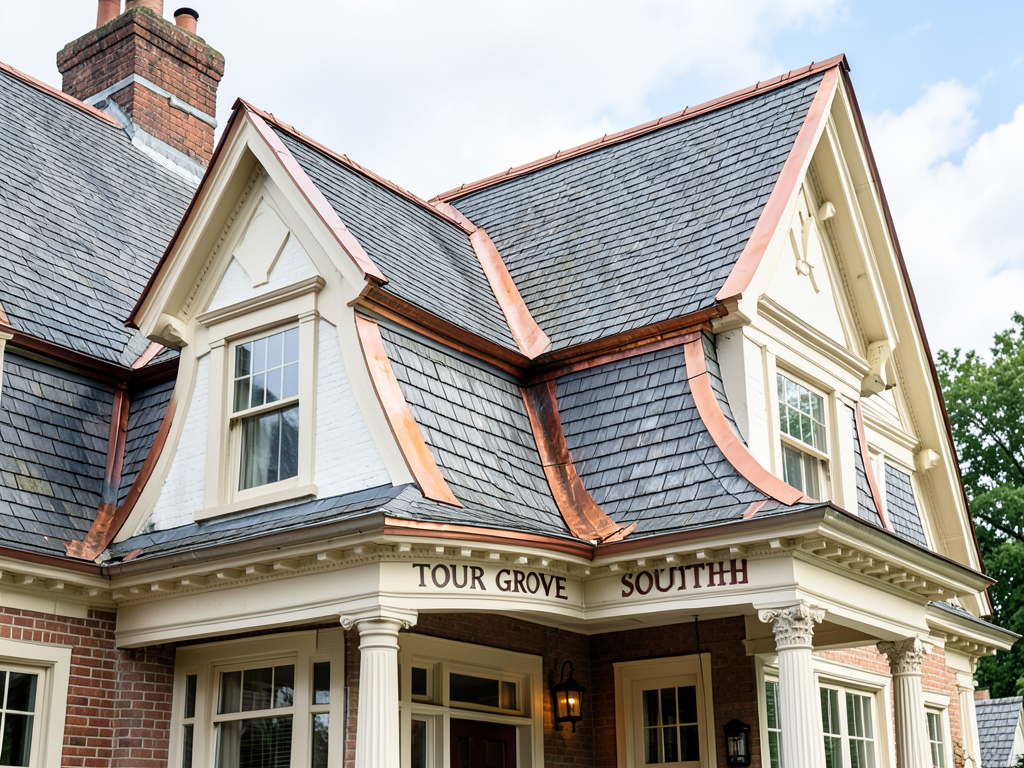
Historic homes in Tower Grove South were built before modern building codes existed. Many feature slate or clay tile roofs with copper flashing and built-up box gutters. These materials behave differently than today’s asphalt shingles. For example slate can last over 100 years if properly maintained but a single cracked tile can let water into delicate timber framing. Clay tiles resist fire but crack under freeze-thaw cycles common in St. Louis winters. Copper flashing develops a protective patina but corrodes if exposed to certain chemicals. A standard home inspection often misses these nuances. St. Louis Cultural Resources Office.
Tower Grove South sits in a humid continental climate with hot summers and cold winters. This means rapid temperature swings that cause historic materials to expand and contract. The area also sees severe thunderstorms and occasional hail. These conditions stress aging roofs in ways modern materials handle more easily. That is why a specialized inspection is not optional. It is essential. Fixing Wind and Storm Damage Before It Ruins Your St. Louis Home.
Key Components of a Historic Roof Inspection in Tower Grove South
A proper historic roof inspection goes far beyond climbing a ladder. It combines visual assessment with diagnostic testing to reveal hidden problems. Here is what a thorough inspection includes: Hail Damage Assessment.
- Exterior Visual Survey
Check for missing or broken tiles, cracked slate, and damaged flashing. Look for sagging gutters or box gutter separation. Identify moss or algae growth that signals trapped moisture.
- Attic and Timber Framing Assessment
Inspect rafters for rot, insect damage, or previous repairs. Use a moisture meter to detect hidden water intrusion. Check for proper ventilation that prevents condensation buildup. Who to Call for 24 Hour Roof Repairs Anywhere in St. Louis.
- Box Gutter and Drainage Evaluation
Box gutters are built into the roofline and lined with metal. Look for rust, separated seams, or standing water. Test downspouts for clogs and proper flow.
- Material Integrity Testing
Tapping slate with a tool reveals hollow sounds that indicate delamination. Clay tiles are checked for cracks and surface erosion. Copper flashing is inspected for patina health and seam integrity.
- Structural Load Analysis
Historic roofs were designed for lighter loads. Adding solar panels or HVAC equipment can exceed original engineering. Verify that any modifications meet modern safety standards.
Navigating St. Louis Preservation Board Requirements
Tower Grove South falls within the Tower Grove East and Tower Grove Park National Register Historic Districts. Any exterior changes including roof repairs may require approval from the St. Louis Cultural Resources Office. The CRO enforces the Secretary of the Interior’s Standards for Rehabilitation. These standards require that repairs match original materials in type, color, and dimension.
For example if your home has Buckingham slate you cannot simply replace it with synthetic slate without a variance. The same applies to Ludowici clay tiles or copper box gutters. The approval process can take 30 to 60 days depending on the scope of work. A qualified roofing contractor familiar with St. Louis preservation codes can prepare the necessary drawings and material specs to speed approval. Reliable Roofing Services for Your Affton Home or Rental Property.
Failure to obtain CRO approval can result in fines or a stop work order. In some cases you may be required to remove non-compliant materials and reinstall the correct historic product. This is why the inspection should include a preliminary assessment of whether proposed repairs will meet preservation standards.
Common Issues Found in Tower Grove South Historic Roofs
Over decades of exposure Tower Grove South roofs develop patterns of wear unique to the area. Here are the most common problems inspectors find:
- Box Gutter Failure
Many homes have hidden box gutters that collect debris and trap water. Over time the metal lining rusts and seams separate. This can cause water to back up under shingles or tiles and rot the fascia.
- Slate Delamination
Historic slate often develops layers that separate and fall away. This creates thin spots that crack under foot traffic or hail impact.
- Clay Tile Cracking
Freeze-thaw cycles cause clay tiles to expand and contract. Small cracks grow over time and allow water to penetrate the underlayment.
- Copper Flashing Corrosion
Copper flashing lasts decades but can corrode if exposed to certain cleaning chemicals or dissimilar metals. This leads to leaks at chimneys, valleys, and dormers.
- Timber Rot in Rafters
Water intrusion from failed flashing or gutters can cause hidden rot in the roof structure. This weakens the entire system and poses a safety hazard.
Understanding these patterns helps you anticipate repair costs and negotiate with sellers. For example a home with minor slate delamination may only need selective replacement. But widespread box gutter failure could require a full restoration costing tens of thousands of dollars.
Comparing Historic vs Modern Roofing Materials
Choosing between restoring original materials and upgrading to modern alternatives is a major decision. Here is a comparison of common options:
| Material | Lifespan | Cost per sq ft | Historic Compatibility | Maintenance Needs | Best Use |
|---|---|---|---|---|---|
| Buckingham Slate | 100+ years | $15-$25 | Excellent | Low | Main roof |
| Ludowici Clay Tile | 75-100 years | $12-$20 | Excellent | Medium | Main roof |
| Copper Flashing | 50-75 years | $8-$12 | Excellent | Very Low | Valleys, chimneys |
| Synthetic Slate | 40-50 years | $8-$12 | Good | Low | Side roofs |
| Architectural Asphalt | 25-30 years | $4-$6 | Poor | Medium | Garage, shed |
While modern materials cost less upfront they rarely meet CRO approval for visible surfaces. Synthetic slate may be allowed on side roofs or garage structures but not on the main facade. Always check with the CRO before making material choices.
Insurance and Tax Credit Considerations
Historic homes often qualify for Missouri state historic tax credits if the work follows preservation guidelines. Roof restoration using approved materials can earn credits worth 20 percent of the project cost. These credits apply to both labor and materials and can significantly offset restoration expenses. Missouri State Historic Preservation Office.
Insurance companies may require a four-point inspection before issuing a policy on a historic home. This inspection focuses on the roof age, material type, and current condition. Some insurers will not cover roofs over 20 years old without a recent inspection. Others may exclude wind or hail damage on historic materials. A detailed inspection report can help you secure coverage and avoid surprises.
If you plan to rent or sell the home later a well-documented roof inspection adds credibility. Buyers and lenders want proof that the roof is sound and that any repairs meet local codes. This documentation can speed closings and protect your investment.
Steps to Take Before Closing on a Historic Home
Here is a step-by-step checklist to follow before you finalize your purchase:
- Hire a Specialist
Choose a roofing contractor with experience in St. Louis historic districts. Ask for examples of similar projects and proof of CRO familiarity. How to Navigate a Roofing Insurance Claim After a St. Louis Hail Storm.
- Schedule a Detailed Inspection
Include attic access, drone survey if needed, and material testing. Request a written report with photos and repair estimates.
- Review CRO Requirements
Ask the inspector to flag any work that will need approval. Get a rough timeline for permits.
- Estimate Repair Costs
Use the inspection report to negotiate with the seller. Request credits or price reductions for major issues.
- Check Insurance Options
Contact insurers to confirm coverage for historic materials. Compare premiums and deductibles.
- Explore Tax Credits
Consult a preservation tax specialist to see if your planned work qualifies for credits.
Taking these steps before closing can save you thousands of dollars and prevent costly surprises after you move in.
Protecting Your Investment for the Long Term
Once you own a historic home the work does not stop at the inspection. Ongoing maintenance is key to preserving both the structure and its value. Here are a few best practices:
- Clean Gutters Twice a Year
Remove leaves and debris to prevent water backup in box gutters.
- Inspect After Storms
Check for missing tiles or slate and damaged flashing. Address issues within 48 hours to prevent water intrusion.
- Control Moss and Algae
Use a gentle cleaner designed for historic materials. Avoid pressure washing which can dislodge tiles.
- Monitor Attic Moisture
Use a hygrometer to track humidity. Install vents if needed to prevent condensation.
- Schedule Professional Inspections Every 3-5 Years
A trained eye can catch small problems before they become major repairs.
Historic homes reward attentive owners with beauty and character that modern construction cannot match. With the right inspection and maintenance plan your Tower Grove South home will stand strong for another century.
Frequently Asked Questions
How much does a historic roof inspection cost in Tower Grove South?
Most specialized inspections range from $400 to $800 depending on roof size and complexity. This includes attic access, material testing, and a written report.
Can I replace my slate roof with asphalt shingles?
Not without CRO approval. Visible surfaces must match original materials. Side roofs or garages may allow modern alternatives but check first.
How long does CRO approval take?
Simple repairs may be approved in 2-3 weeks. Major restorations can take 6-8 weeks. Start the process early to avoid delays.
What if I find major damage after I buy the home?
Most home inspection contingencies allow you to renegotiate or walk away. Use the inspection report to request repairs or price adjustments before closing.
Are there grants available for historic roof repairs?
Local preservation groups occasionally offer small grants. The main financial benefit comes from Missouri state historic tax credits for approved work.
Call for Your Historic Roof Inspection Today
Buying a historic home in Tower Grove South is a once-in-a-lifetime opportunity. Do not let hidden roof problems turn your dream into a costly nightmare. A specialized inspection gives you the knowledge to negotiate with confidence and protect your investment. Call (314) 417-7774 today to schedule your historic roof inspection. Our team knows St. Louis preservation codes inside and out and we will help you make the right choice before you buy.
{
“@context”: “https://schema.org”,
“@type”: “BlogPosting”,
“headline”: “Checking the Roof Before You Buy a Historic Home in Tower Grove South”,
“description”: “Historic roof inspection guide for Tower Grove South homes. Learn about slate, clay tile, box gutters, CRO approval, and preservation codes before buying.”,
“wordCount”: 1747,
“datePublished”: “2026-03-27T15:25:00.000Z”,
“dateModified”: “2026-03-27T15:25:00.000Z”,
“inLanguage”: “en-US”,
“mainEntityOfPage”: {
“@type”: “WebPage”,
“@id”: “https://pioneerroofingstlouis.com”
},
“publisher”: {
“@type”: “LocalBusiness”,
“name”: “Pioneer Roofing St. Louis”,
“url”: “https://pioneerroofingstlouis.com”
},
“author”: {
“@type”: “Organization”,
“name”: “Pioneer Roofing St. Louis”,
“url”: “https://pioneerroofingstlouis.com”
},
“image”: {
“@type”: “ImageObject”,
“url”: “https://pioneerroofingstlouis.com/wp-content/uploads/2026/03/checking-the-roof-before-you-buy-a-historic-home-i-1.png”
}
}
{
“@context”: “https://schema.org”,
“@type”: “RoofingContractor”,
“name”: “Pioneer Roofing St. Louis”,
“url”: “https://pioneerroofingstlouis.com”,
“address”: {
“@type”: “PostalAddress”,
“addressLocality”: “St. Louis”
},
“areaServed”: {
“@type”: “City”,
“name”: “St. Louis”
}
}
{
“@context”: “https://schema.org”,
“@type”: “FAQPage”,
“mainEntity”: [
{
“@type”: “Question”,
“name”: “How much does a historic roof inspection cost in Tower Grove South?”,
“acceptedAnswer”: {
“@type”: “Answer”,
“text”: “Most specialized inspections range from $400 to $800 depending on roof size and complexity. This includes attic access, material testing, and a written report.”
}
},
{
“@type”: “Question”,
“name”: “Can I replace my slate roof with asphalt shingles?”,
“acceptedAnswer”: {
“@type”: “Answer”,
“text”: “Not without CRO approval. Visible surfaces must match original materials. Side roofs or garages may allow modern alternatives but check first.”
}
},
{
“@type”: “Question”,
“name”: “How long does CRO approval take?”,
“acceptedAnswer”: {
“@type”: “Answer”,
“text”: “Simple repairs may be approved in 2-3 weeks. Major restorations can take 6-8 weeks. Start the process early to avoid delays.”
}
},
{
“@type”: “Question”,
“name”: “What if I find major damage after I buy the home?”,
“acceptedAnswer”: {
“@type”: “Answer”,
“text”: “Most home inspection contingencies allow you to renegotiate or walk away. Use the inspection report to request repairs or price adjustments before closing.”
}
},
{
“@type”: “Question”,
“name”: “Are there grants available for historic roof repairs?”,
“acceptedAnswer”: {
“@type”: “Answer”,
“text”: “Local preservation groups occasionally offer small grants. The main financial benefit comes from Missouri state historic tax credits for approved work.”
}
}
]
}
{
“@context”: “https://schema.org”,
“@type”: “HowTo”,
“name”: “Historic Roof Inspection Process”,
“step”: [
{
“@type”: “HowToStep”,
“position”: 1,
“name”: “Exterior Visual Survey”,
“text”: “Check for missing or broken tiles, cracked slate, and damaged flashing. Look for sagging gutters or box gutter separation. Identify moss or algae growth that signals trapped moisture.”
},
{
“@type”: “HowToStep”,
“position”: 2,
“name”: “Attic and Timber Framing Assessment”,
“text”: “Inspect rafters for rot, insect damage, or previous repairs. Use a moisture meter to detect hidden water intrusion. Check for proper ventilation that prevents condensation buildup. Who to Call for 24 Hour Roof Repairs Anywhere in St. Louis.”
},
{
“@type”: “HowToStep”,
“position”: 3,
“name”: “Box Gutter and Drainage Evaluation”,
“text”: “Box gutters are built into the roofline and lined with metal. Look for rust, separated seams, or standing water. Test downspouts for clogs and proper flow.”
},
{
“@type”: “HowToStep”,
“position”: 4,
“name”: “Material Integrity Testing”,
“text”: “Tapping slate with a tool reveals hollow sounds that indicate delamination. Clay tiles are checked for cracks and surface erosion. Copper flashing is inspected for patina health and seam integrity.”
},
{
“@type”: “HowToStep”,
“position”: 5,
“name”: “Structural Load Analysis”,
“text”: “Historic roofs were designed for lighter loads. Adding solar panels or HVAC equipment can exceed original engineering. Verify that any modifications meet modern safety standards.”
}
],
“image”: “https://pioneerroofingstlouis.com/wp-content/uploads/2026/03/checking-the-roof-before-you-buy-a-historic-home-i-1.png”
}
{
“@context”: “https://schema.org”,
“@type”: “BreadcrumbList”,
“itemListElement”: [
{
“@type”: “ListItem”,
“position”: 1,
“name”: “Home”,
“item”: “https://pioneerroofingstlouis.com”
},
{
“@type”: “ListItem”,
“position”: 2,
“name”: “Blog”,
“item”: “https://pioneerroofingstlouis.com/blog”
},
{
“@type”: “ListItem”,
“position”: 3,
“name”: “Checking the Roof Before You Buy a Historic Home in Tower Grove South”
}
]
}
{
“@context”: “https://schema.org”,
“@type”: “Service”,
“serviceType”: “Roofing”,
“provider”: {
“@type”: “LocalBusiness”,
“name”: “Pioneer Roofing St. Louis”,
“url”: “https://pioneerroofingstlouis.com”
},
“areaServed”: {
“@type”: “City”,
“name”: “St. Louis”
},
“description”: “Historic roof inspection guide for Tower Grove South homes. Learn about slate, clay tile, box gutters, CRO approval, and preservation codes before buying.”
}