
Dealing with Nail Pops and Thermal Expansion on St. Louis Roofs
Walking across your roof on a summer afternoon, you might feel tiny bumps under the shingles—these are nail pops, a common problem in St. Louis homes caused by our extreme temperature swings. When afternoon sun heats your roof deck to over 150°F, then a cold front drops it by 60 degrees overnight, the wood expands and contracts. This movement pushes roofing nails upward, breaking the seal and creating entry points for water. Understanding this process is the first step to preventing costly damage. Reliable Roofing Services for Your Affton Home or Rental Property.
Why St. Louis Homes Battle Nail Pops
St. Louis sits in a unique climate zone where high humidity meets severe seasonal temperature swings. Our summers regularly hit 95°F with 80% humidity, while winter nights can plunge below 20°F. This creates the perfect conditions for thermal expansion in roofing materials.. Read more about Combatting the St. Louis Urban Heat Island Effect with Reflective Roofing for Tower Grove Homes.
According to the International Residential Code (IRC) Section R806, proper attic ventilation requires 1 square foot of net free ventilation area for every 150 square feet of attic space. Many St. Louis homes, particularly those built before 2000, fall short of this standard. Poor ventilation traps heat in the attic, causing the roof deck to bake and expand more dramatically than it should. International Building Code roofing requirements.
Older neighborhoods like Kirkwood and Webster Groves face additional challenges. Homes built with Douglas fir decking in the 1950s-70s develop what roofers call “deck memory”—the wood retains stress points from decades of expansion and contraction, making nail pops more likely in specific areas.
Spotting Nail Pops Before They Leak
From ground level, nail pops appear as small bumps or ripples in your shingle lines. The most telling sign is when you see a shingle slightly lifted at one corner, creating a shadow line in the afternoon sun.
Up close, you’ll notice the shingle material separating from the nail head. Sometimes you can feel a slight give when pressing on the bump—this indicates the nail has backed out enough to break the adhesive seal. In severe cases, you might even see the shiny nail head through the shingle granules. EPA Mold Remediation Guidelines.
Common locations for nail pops include roof valleys where water concentrates, areas around plumbing vents where pipes create thermal bridges, and the southern exposure where afternoon sun creates the most heat stress.
The Hidden Cost of Ignoring Nail Pops
Many homeowners dismiss nail pops as cosmetic issues, but they’re actually warning signs of potential water intrusion. When a nail pops, it creates a direct path for water to reach your roof deck. Why Ladue Homeowners Trust These Specialized Roofing Contractors.
During our frequent spring thunderstorms, wind-driven rain can force water under lifted shingles. Once moisture reaches the wood deck, it creates the perfect environment for mold growth. The EPA’s Mold Remediation guidelines (EPA 402-K-01-001) recommend addressing moisture sources within 24-48 hours to prevent mold colonization. Fixing Wind and Storm Damage Before It Ruins Your St. Louis Home.
Beyond mold, water infiltration leads to wood rot. A compromised roof deck loses structural integrity, potentially causing sagging or even collapse under heavy snow loads. The average cost to replace a 1,000-square-foot roof deck in St. Louis ranges from $3,500 to $5,000—far more than early nail pop repairs. Who to Call for 24 Hour Roof Repairs Anywhere in St. Louis.
Proper Nail Pop Repair Process
Professional nail pop repair follows a specific process that prevents recurrence. Here’s what happens during a proper repair:. Read more about What Happens During a Professional St. Louis Roof Inspection (Step by Step Guide).
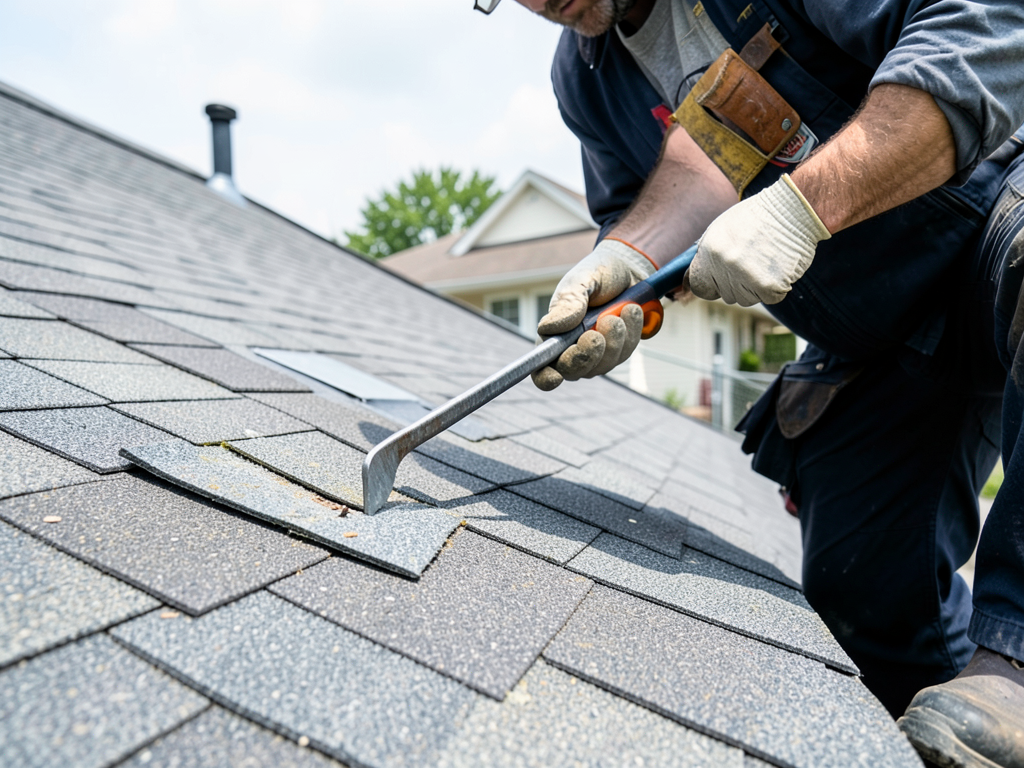
- Shingle Removal
The damaged shingle is carefully lifted using a flat pry bar, exposing the nail head and surrounding area.
- Nail Extraction
The popped nail is removed completely. Never hammer it back down—this creates the same problem in a few months.
- Hole Preparation
The old nail hole is sealed with roofing cement to prevent water intrusion through the deck.
- New Fastener Installation
A 1.5-inch ring-shank roofing nail is driven into solid wood at least 1 inch away from the original hole. The ring-shank design prevents future backing out.
- Sealant Application
Roofing cement is applied under the shingle tabs and over the new nail head for waterproofing.
The key difference between professional and DIY repair is the nail selection. Standard smooth-shank nails will back out again within a year. Ring-shank nails, as specified in ASTM F1667 for roofing applications, grip the wood fibers and resist the expansion forces that cause nail pops.
Preventing Future Nail Pops
Prevention starts with proper attic ventilation. A balanced system includes soffit vents (intake) and ridge vents or powered fans (exhaust). This creates continuous airflow that keeps attic temperatures within 10-15 degrees of outdoor ambient temperature.
During roof replacement, quality contractors use 1.5-inch ring-shank nails instead of the standard 1.25-inch smooth nails. They also ensure nails are driven straight—angled nails create stress points that accelerate backing out. High Quality Roof Replacements for Creve Coeur Properties.
Another prevention strategy involves upgrading to synthetic underlayment. Unlike traditional felt paper, synthetic materials don’t wrinkle or expand when wet, providing a more stable base for shingles during temperature swings.
When to Call a Professional
While you can hammer down a single nail pop as a temporary fix, widespread nail pops indicate systemic issues requiring professional assessment. Here’s when to pick up the phone:
- More than 5 nail pops visible on your roof
- Water stains on your ceiling or walls
- Shingles that feel soft or spongy when walked on
- Evidence of previous DIY repairs that failed
Professional roofers use moisture meters to detect hidden water damage and thermal imaging cameras to identify ventilation problems. These diagnostic tools, combined with 15+ years of local experience, allow accurate assessment of whether you need spot repairs or a full roof evaluation.
Cost Comparison: DIY vs. Professional Repair
| Repair Type | Materials Cost | Professional Cost | Expected Lifespan |
|---|---|---|---|
| DIY Hammer Fix | $5-10 | N/A | 3-6 months |
| Professional Spot Repair | Included | $150-300 per nail pop | 10-15 years |
| Full Roof Evaluation | N/A | $200-400 | Peace of mind |
The DIY approach might seem economical, but the short lifespan means you’ll likely pay for multiple repairs before a professional fix would have needed attention. Plus, improper repairs can void your roof warranty.. Read more about Why Your Overland Ranch Home Might Need Extra Structural Support for New Shingles.
Local Building Code Considerations
St. Louis County follows the International Building Code with local amendments. For residential roofing, the county requires:
- Minimum 4 nails per shingle (6 in high-wind zones)
- Ice and water shield in valleys and along eaves
- Proper underlayment with ASTM D226 or D4869 rating
The Missouri climate, with our freeze-thaw cycles, actually exceeds the wind uplift requirements in many areas. Quality contractors often exceed code minimums by using 6 nails per shingle and upgrading to premium underlayments.
Insurance and Warranty Implications
Most homeowners insurance policies consider nail pops a maintenance issue rather than a covered peril. However, if nail pops lead to water damage, the resulting damage might be covered while the repair itself isn’t.
Warranty coverage varies by manufacturer. GAF, CertainTeed, and Owens Corning all require professional installation and specific nailing patterns. DIY repairs or improper nail selection can void these warranties, leaving you responsible for future repairs.
Before attempting any repairs, check your warranty documents. Some manufacturers require certified contractors for any repairs to maintain coverage.
Seasonal Timing for Repairs
The best time for nail pop repairs in St. Louis is late spring or early fall. These shoulder seasons offer moderate temperatures that make roofing work safer and more effective.
Summer repairs can be done, but the extreme heat makes shingles more brittle and harder to seal properly. Winter repairs are possible but challenging—sealants need temperatures above 40°F to cure correctly.
Ideally, schedule repairs for a day when temperatures will stay between 50-80°F for 24 hours after completion. This allows sealants to properly adhere and shingles to settle into their new configuration.
Long-Term Roof Health Strategies
Nail pops are often symptoms of broader roof health issues. A comprehensive approach includes:
- Annual roof inspections to catch problems early
- Attic ventilation assessments to prevent heat buildup
- Tree trimming to reduce debris and improve airflow
- Regular gutter cleaning to prevent water backup
Most roofing professionals recommend a professional inspection every two years for homes over 10 years old. This proactive approach catches nail pops and other issues before they cause significant damage.
Remember, your roof is your home’s first defense against our volatile Missouri weather. Addressing nail pops promptly protects your investment and prevents the cascade of problems that water intrusion creates.
Don’t wait for the next storm to reveal hidden damage. Call (314) 417-7774 today to schedule your professional roof inspection. Our experienced technicians will identify nail pops, assess ventilation issues, and provide a clear plan to protect your home from our challenging St. Louis climate.
Frequently Asked Questions
Can I just hammer nail pops back down myself?
While hammering a nail pop might seem like a quick fix, it’s only temporary. The nail will likely pop back up within months because the underlying cause—thermal expansion—remains unaddressed. Professional repair involves removing the nail, sealing the hole, and installing a new ring-shank nail in solid wood.
How many nail pops indicate I need a new roof?
If you’re seeing more than 10-15 nail pops across your roof, or if they’re concentrated in specific areas, this suggests systemic issues with your roof deck or ventilation. A professional inspection can determine whether spot repairs or full replacement makes more sense for your situation.
Will my homeowner’s insurance cover nail pop repairs?
Standard homeowners insurance typically considers nail pops a maintenance issue rather than a covered peril. However, if nail pops lead to water damage that causes interior damage, the resulting damage might be covered while the roof repair itself would not be. Always check with your insurance provider about specific coverage details.
How long do nail pop repairs last?
Professional nail pop repairs using proper techniques and ring-shank nails should last 10-15 years or the remaining life of your roof. DIY fixes using standard nails often fail within 6-12 months as the same thermal expansion forces push the nail back out.
Are nail pops more common in certain St. Louis neighborhoods?
Yes, older neighborhoods with homes built in the 1950s-70s often see more nail pops due to aging roof decks that have experienced decades of thermal cycling. Areas like Webster Groves, Kirkwood, and parts of University City with many mid-century homes frequently require nail pop repairs.
What’s the difference between a nail pop and a shingle blister?
Nail pops occur when nails back out from the roof deck, creating raised areas under shingles. Blisters are bubbles that form within the shingle itself, usually from trapped moisture or manufacturing defects. Both can look similar from the ground but require different repair approaches.
Can poor attic ventilation cause nail pops?
Absolutely. Poor ventilation allows heat to build up in your attic, raising roof deck temperatures well above outdoor ambient temperatures. This excessive heat accelerates thermal expansion and contraction, making nail pops much more likely. Proper ventilation can reduce nail pop occurrence by 50% or more.
{
“@context”: “https://schema.org”,
“@type”: “BlogPosting”,
“headline”: “Dealing with Nail Pops and Thermal Expansion on St. Louis Roofs”,
“description”: “Learn why nail pops plague St. Louis roofs and how thermal expansion from Midwest weather cycles causes leaks. Expert repair guide for homeowners.”,
“wordCount”: 1832,
“datePublished”: “2026-05-09T11:54:00.000Z”,
“dateModified”: “2026-05-09T11:54:00.000Z”,
“inLanguage”: “en-US”,
“mainEntityOfPage”: {
“@type”: “WebPage”,
“@id”: “https://pioneerroofingstlouis.com”
},
“publisher”: {
“@type”: “LocalBusiness”,
“name”: “Pioneer Roofing St. Louis”,
“url”: “https://pioneerroofingstlouis.com”
},
“author”: {
“@type”: “Organization”,
“name”: “Pioneer Roofing St. Louis”,
“url”: “https://pioneerroofingstlouis.com”
},
“image”: {
“@type”: “ImageObject”,
“url”: “https://pioneerroofingstlouis.com/wp-content/uploads/2026/03/dealing-with-nail-pops-and-thermal-expansion-on-st-1.png”
}
}
{
“@context”: “https://schema.org”,
“@type”: “RoofingContractor”,
“name”: “Pioneer Roofing St. Louis”,
“url”: “https://pioneerroofingstlouis.com”,
“address”: {
“@type”: “PostalAddress”,
“addressLocality”: “St. Louis”
},
“areaServed”: {
“@type”: “City”,
“name”: “St. Louis”
}
}
{
“@context”: “https://schema.org”,
“@type”: “FAQPage”,
“mainEntity”: [
{
“@type”: “Question”,
“name”: “Can I just hammer nail pops back down myself?”,
“acceptedAnswer”: {
“@type”: “Answer”,
“text”: “While hammering a nail pop might seem like a quick fix, it’s only temporary. The nail will likely pop back up within months because the underlying cause—thermal expansion—remains unaddressed. Professional repair involves removing the nail, sealing the hole, and installing a new ring-shank nail in solid wood.”
}
},
{
“@type”: “Question”,
“name”: “How many nail pops indicate I need a new roof?”,
“acceptedAnswer”: {
“@type”: “Answer”,
“text”: “If you’re seeing more than 10-15 nail pops across your roof, or if they’re concentrated in specific areas, this suggests systemic issues with your roof deck or ventilation. A professional inspection can determine whether spot repairs or full replacement makes more sense for your situation.”
}
},
{
“@type”: “Question”,
“name”: “Will my homeowner’s insurance cover nail pop repairs?”,
“acceptedAnswer”: {
“@type”: “Answer”,
“text”: “Standard homeowners insurance typically considers nail pops a maintenance issue rather than a covered peril. However, if nail pops lead to water damage that causes interior damage, the resulting damage might be covered while the roof repair itself would not be. Always check with your insurance provider about specific coverage details.”
}
},
{
“@type”: “Question”,
“name”: “How long do nail pop repairs last?”,
“acceptedAnswer”: {
“@type”: “Answer”,
“text”: “Professional nail pop repairs using proper techniques and ring-shank nails should last 10-15 years or the remaining life of your roof. DIY fixes using standard nails often fail within 6-12 months as the same thermal expansion forces push the nail back out.”
}
},
{
“@type”: “Question”,
“name”: “Are nail pops more common in certain St. Louis neighborhoods?”,
“acceptedAnswer”: {
“@type”: “Answer”,
“text”: “Yes, older neighborhoods with homes built in the 1950s-70s often see more nail pops due to aging roof decks that have experienced decades of thermal cycling. Areas like Webster Groves, Kirkwood, and parts of University City with many mid-century homes frequently require nail pop repairs.”
}
},
{
“@type”: “Question”,
“name”: “What’s the difference between a nail pop and a shingle blister?”,
“acceptedAnswer”: {
“@type”: “Answer”,
“text”: “Nail pops occur when nails back out from the roof deck, creating raised areas under shingles. Blisters are bubbles that form within the shingle itself, usually from trapped moisture or manufacturing defects. Both can look similar from the ground but require different repair approaches.”
}
},
{
“@type”: “Question”,
“name”: “Can poor attic ventilation cause nail pops?”,
“acceptedAnswer”: {
“@type”: “Answer”,
“text”: “Absolutely. Poor ventilation allows heat to build up in your attic, raising roof deck temperatures well above outdoor ambient temperatures. This excessive heat accelerates thermal expansion and contraction, making nail pops much more likely. Proper ventilation can reduce nail pop occurrence by 50% or more.”
}
}
]
}
{
“@context”: “https://schema.org”,
“@type”: “HowTo”,
“name”: “How to Repair Roof Nail Pops”,
“step”: [
{
“@type”: “HowToStep”,
“position”: 1,
“name”: “Shingle Removal”,
“text”: “The damaged shingle is carefully lifted using a flat pry bar, exposing the nail head and surrounding area.”
},
{
“@type”: “HowToStep”,
“position”: 2,
“name”: “Nail Extraction”,
“text”: “The popped nail is removed completely. Never hammer it back down—this creates the same problem in a few months.”
},
{
“@type”: “HowToStep”,
“position”: 3,
“name”: “Hole Preparation”,
“text”: “The old nail hole is sealed with roofing cement to prevent water intrusion through the deck.”
},
{
“@type”: “HowToStep”,
“position”: 4,
“name”: “New Fastener Installation”,
“text”: “A 1.5-inch ring-shank roofing nail is driven into solid wood at least 1 inch away from the original hole. The ring-shank design prevents future backing out.”
},
{
“@type”: “HowToStep”,
“position”: 5,
“name”: “Sealant Application”,
“text”: “Roofing cement is applied under the shingle tabs and over the new nail head for waterproofing.”
}
],
“image”: “https://pioneerroofingstlouis.com/wp-content/uploads/2026/03/dealing-with-nail-pops-and-thermal-expansion-on-st-1.png”
}
{
“@context”: “https://schema.org”,
“@type”: “BreadcrumbList”,
“itemListElement”: [
{
“@type”: “ListItem”,
“position”: 1,
“name”: “Home”,
“item”: “https://pioneerroofingstlouis.com”
},
{
“@type”: “ListItem”,
“position”: 2,
“name”: “Blog”,
“item”: “https://pioneerroofingstlouis.com/blog”
},
{
“@type”: “ListItem”,
“position”: 3,
“name”: “Dealing with Nail Pops and Thermal Expansion on St. Louis Roofs”
}
]
}
{
“@context”: “https://schema.org”,
“@type”: “Service”,
“serviceType”: “Roofing”,
“provider”: {
“@type”: “LocalBusiness”,
“name”: “Pioneer Roofing St. Louis”,
“url”: “https://pioneerroofingstlouis.com”
},
“areaServed”: {
“@type”: “City”,
“name”: “St. Louis”
},
“description”: “Learn why nail pops plague St. Louis roofs and how thermal expansion from Midwest weather cycles causes leaks. Expert repair guide for homeowners.”
}