
How the St. Louis Humidity Dome Shortens the Life of Standard Shingles
The St. Louis region sits in what meteorologists call the “humidity dome” — a pocket of high moisture trapped by the Mississippi River Valley. This persistent dampness creates conditions that can cut the lifespan of standard asphalt shingles by 30-50% compared to drier climates. While manufacturers rate their products for 20-30 years, local roofs often fail at 12-18 years due to algae growth, moisture retention, and the constant freeze-thaw cycles that come with Missouri winters.. Read more about The Best High End Asphalt Shingle Options for Brentwood Homeowners.
Understanding how this local climate affects your roof is the first step to protecting your investment. The good news is that with the right materials, proper ventilation, and regular maintenance, you can fight back against the humidity dome and get the most life possible from your roof.. Read more about Standing Seam vs Exposed Fastener Metal Roofs (Which is Best for Wildwood Terrain?).
The Science Behind Missouri’s Roof-Killing Humidity
St. Louis averages 42 inches of rain annually — nearly 10 inches more than the national average. Combined with summer dew points that regularly exceed 70°F, this creates the perfect breeding ground for Gloeocapsa magma, the black algae that causes those dark streaks on shingles. Once established, this algae holds moisture against the shingle surface, accelerating granule loss and UV damage. National Weather Service St. Louis climate data.
Winter brings another threat. Missouri’s temperature swings can drop from 50°F to below freezing in a single day. This freeze-thaw cycle causes shingles to expand and contract repeatedly, breaking down the adhesive strips and creating gaps where water can penetrate. The National Roofing Contractors Association (NRCA) recommends Class 3 or 4 impact-resistant shingles in hail-prone regions like St. Louis, yet many homeowners still install standard 3-tab shingles that fail prematurely. National Roofing Contractors Association guidelines.
Shingle Lifespan Comparison in St. Louis Conditions
| Shingle Type | Manufacturer Rating | Expected Life in St. Louis | Key Vulnerability |
|---|---|---|---|
| 3-Tab Asphalt | 20-25 years | 12-15 years | Algae growth, wind uplift |
| Architectural Asphalt | 25-30 years | 18-22 years | Moisture retention, granule loss |
| Luxury/Designer | 30-50 years | 25-35 years | Cost vs. benefit ratio |
| Impact-Resistant | 25-30 years | 22-28 years | Higher upfront cost |
Why Your Roof Might Be Failing Early
Walk around your neighborhood and you’ll likely see the same patterns. Homes built in the 1990s and early 2000s with standard 3-tab shingles are now showing widespread curling, cracking, and algae streaks. The problem isn’t just age — it’s that these roofs were never designed for St. Louis’s specific climate challenges.
During our inspections, we often find that poor attic ventilation compounds the problem. When hot, moist air gets trapped in the attic, it creates condensation on the underside of the roof deck. This moisture then works its way into the shingles from below, causing them to deteriorate from both sides. The International Residential Code (IRC) Section R806 requires specific ventilation ratios, but many older St. Louis homes never had proper ventilation installed.
St. Louis Weather Events That Damage Shingles
The St. Louis area experiences severe weather patterns that directly impact roof longevity. According to the National Weather Service, St. Louis County sees an average of 3-4 significant hail events per year, with hailstones often exceeding 1 inch in diameter. These impacts knock off protective granules, exposing the asphalt mat to UV degradation.
High winds are another factor. The region sits in Tornado Alley’s eastern edge, experiencing straight-line winds that can exceed 70 mph during summer thunderstorms. Standard shingles installed with only four nails often fail at wind speeds above 60 mph, while six-nail installation patterns can withstand up to 110 mph winds. Fixing Wind and Storm Damage Before It Ruins Your St. Louis Home.
Warning Signs Your Shingles Are Failing
Knowing when to replace your roof can save you from costly water damage. Here are the key indicators that your shingles are reaching the end of their useful life in St. Louis conditions: Hail Damage Assessment.
- Granule loss in gutters – If you see large amounts of sandy granules in your downspouts, your shingles are losing their UV protection
- Curling or buckling – Shingles that cup upward or lay flat no longer provide a proper seal against water
- Missing shingles – Wind damage is common after spring storms; missing pieces create immediate leak risks
- Algae streaks – Black discoloration that doesn’t wash off indicates moisture-loving organisms are active
- Soft spots when walking – This suggests water damage to the decking beneath the shingles
Protecting Your Roof Against the Humidity Dome
You can’t change the weather, but you can choose materials and maintenance practices that resist St. Louis’s climate challenges. The most effective strategy combines impact-resistant shingles, enhanced ventilation, and regular inspections.
Class 4 impact-resistant shingles are engineered to withstand hail impacts without granule loss. These shingles often qualify for insurance discounts and can extend your roof’s life by 5-8 years in hail-prone areas. While they cost 15-20% more upfront, the extended lifespan and reduced repair costs typically provide a positive return on investment within 10-12 years.
Proper ventilation is equally critical. A balanced system with intake vents at the soffits and exhaust vents at the ridge creates continuous airflow that removes moisture and heat. This not only extends shingle life but also reduces energy costs by keeping your attic cooler in summer.
Seasonal Maintenance for St. Louis Roofs
St. Louis’s four distinct seasons each bring different challenges for your roof. A seasonal maintenance schedule can help you catch problems early and extend your roof’s life.
- Spring Inspection
After winter storms, check for missing shingles, damaged flashing, and clogged gutters. Look for granules in downspouts that indicate hail damage.
- Summer Preparation
Trim overhanging branches that could fall in storms. Check attic ventilation to ensure proper airflow during hot months.
- Fall Cleaning
Remove leaves and debris that trap moisture against shingles. Clean gutters to prevent ice dam formation.
- Winter Protection
Ensure attic insulation is adequate to prevent ice dams. Check that roof vents aren’t blocked by snow.
When to Replace vs. Repair
Not every roof problem requires a full replacement. Understanding when repairs make sense versus when replacement is necessary can save you thousands of dollars. Who to Call for 24 Hour Roof Repairs Anywhere in St. Louis.
Small, localized damage from a single storm event often warrants repair if your roof is under 15 years old and in otherwise good condition. However, widespread granule loss, multiple leaks, or a roof over 20 years old typically indicates replacement is the more cost-effective option.
The age of your roof matters significantly in St. Louis. A 12-year-old roof with minor damage might be better replaced than repaired, since the remaining lifespan may only be 3-5 years anyway. Conversely, a 5-year-old roof with storm damage is almost always worth repairing.
The Cost of Waiting Too Long
Delaying roof replacement when it’s needed can lead to exponentially higher costs. Water intrusion that starts as a small leak can cause mold growth, rot structural components, and damage insulation and ceilings. What might have been a $8,000 roof replacement can quickly escalate to a $15,000 project when you factor in water damage repairs.. Read more about Handling Moss and Mold Growth on Shaded Des Peres Roofs.
Insurance companies are also becoming more stringent about covering older roofs. Many policies now exclude coverage for roofs over 20 years old or require separate endorsements. Some insurers won’t even write policies for homes with roofs older than 25 years, making timely replacement a financial necessity.
Choosing the Right Contractor in St. Louis
The St. Louis roofing market has its share of storm chasers and unlicensed operators who appear after major weather events. Working with a local, established contractor ensures you get proper installation and warranty coverage. Reliable Roofing Services for Your Affton Home or Rental Property.
Look for contractors who are certified by major manufacturers like GAF, CertainTeed, or Owens Corning. These certifications require ongoing training and adherence to strict installation standards. Also verify that the contractor carries both liability and workers’ compensation insurance — essential protections given Missouri’s liability laws.
Local experience matters tremendously. A contractor who has worked in St. Louis for years understands the specific challenges of our climate and can recommend the best materials and installation techniques for your situation.
Frequently Asked Questions
How long should a roof last in St. Louis?
Standard 3-tab shingles typically last 12-15 years in St. Louis due to humidity and hail, while architectural shingles can last 18-22 years with proper maintenance and ventilation.
Can I install a new roof over my existing shingles?
Missouri building codes allow one layer of shingles over existing ones, but this is only recommended if the existing roof is in good condition and less than 10 years old. Multiple layers trap heat and moisture, reducing lifespan.
What’s the best shingle type for St. Louis weather?
Class 4 impact-resistant architectural shingles offer the best protection against hail and wind while resisting algae growth. They cost more upfront but typically provide the best long-term value.
How often should I have my roof inspected?
Schedule professional inspections annually, preferably in spring after winter weather. Also inspect after any severe storm with hail or high winds.
Does algae growth really damage shingles?
Yes. Algae like Gloeocapsa magma feed on the limestone filler in shingles and retain moisture against the surface, accelerating granule loss and UV damage.

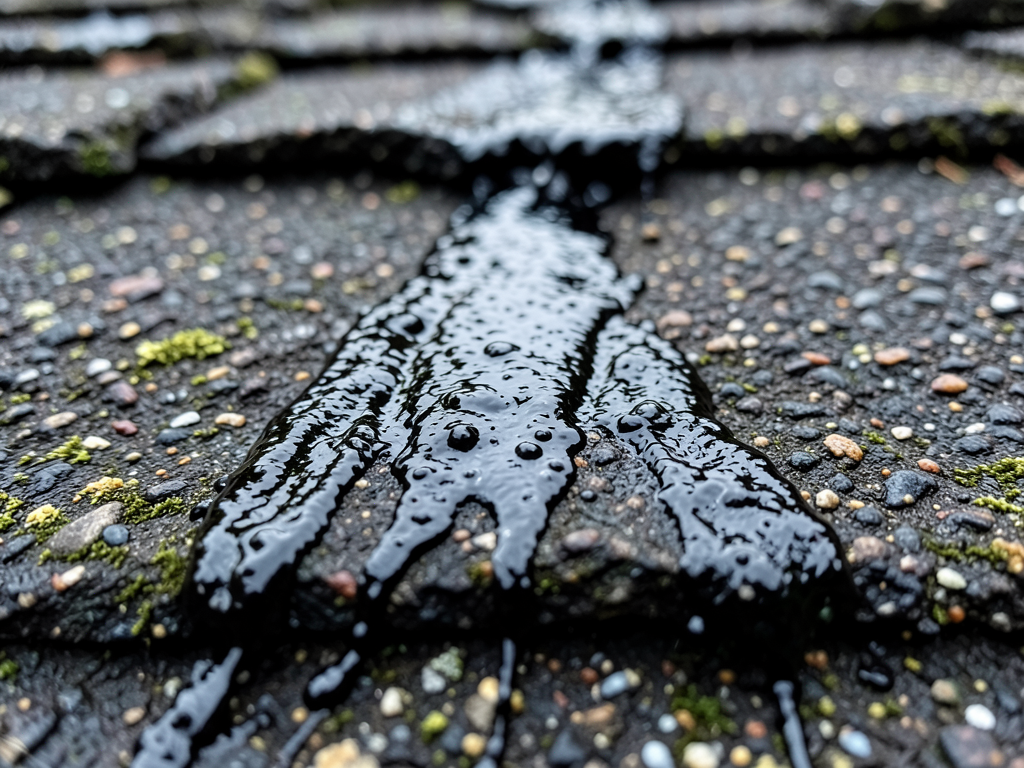
The St. Louis humidity dome creates unique challenges for homeowners, but understanding these challenges is the first step to protecting your investment. Standard shingles simply weren’t designed for our climate’s combination of high humidity, frequent hail, and dramatic temperature swings.
If your roof is showing signs of age or damage, don’t wait until leaks cause expensive interior damage. The cost of proactive replacement is almost always less than emergency repairs plus water damage restoration.
Call (314) 417-7774 today to schedule your professional roof inspection. Our local experts will assess your roof’s condition and recommend the best solution for your home and budget. Don’t let another storm season pass with a vulnerable roof over your head.
Pick up the phone and call (314) 417-7774 before the next hail storm hits. Your home deserves protection that’s built for St. Louis weather.
{
“@context”: “https://schema.org”,
“@type”: “BlogPosting”,
“headline”: “How the St. Louis Humidity Dome Shortens the Life of Standard Shingles”,
“description”: “St. Louis humidity, hail storms, and freeze-thaw cycles can cut standard shingle life by half. Learn how local weather impacts your roof and what to do about it.”,
“wordCount”: 1664,
“datePublished”: “2026-04-06T10:35:00.000Z”,
“dateModified”: “2026-04-06T10:35:00.000Z”,
“inLanguage”: “en-US”,
“mainEntityOfPage”: {
“@type”: “WebPage”,
“@id”: “https://pioneerroofingstlouis.com”
},
“publisher”: {
“@type”: “LocalBusiness”,
“name”: “Pioneer Roofing St. Louis”,
“url”: “https://pioneerroofingstlouis.com”
},
“author”: {
“@type”: “Organization”,
“name”: “Pioneer Roofing St. Louis”,
“url”: “https://pioneerroofingstlouis.com”
},
“image”: {
“@type”: “ImageObject”,
“url”: “https://pioneerroofingstlouis.com/wp-content/uploads/2026/03/how-the-st-louis-humidity-dome-shortens-the-life-o-1.png”
}
}
{
“@context”: “https://schema.org”,
“@type”: “RoofingContractor”,
“name”: “Pioneer Roofing St. Louis”,
“url”: “https://pioneerroofingstlouis.com”,
“address”: {
“@type”: “PostalAddress”,
“addressLocality”: “St. Louis”
},
“areaServed”: {
“@type”: “City”,
“name”: “St. Louis”
}
}
{
“@context”: “https://schema.org”,
“@type”: “FAQPage”,
“mainEntity”: [
{
“@type”: “Question”,
“name”: “How long should a roof last in St. Louis?”,
“acceptedAnswer”: {
“@type”: “Answer”,
“text”: “Standard 3-tab shingles typically last 12-15 years in St. Louis due to humidity and hail, while architectural shingles can last 18-22 years with proper maintenance and ventilation.”
}
},
{
“@type”: “Question”,
“name”: “Can I install a new roof over my existing shingles?”,
“acceptedAnswer”: {
“@type”: “Answer”,
“text”: “Missouri building codes allow one layer of shingles over existing ones, but this is only recommended if the existing roof is in good condition and less than 10 years old. Multiple layers trap heat and moisture, reducing lifespan.”
}
},
{
“@type”: “Question”,
“name”: “What’s the best shingle type for St. Louis weather?”,
“acceptedAnswer”: {
“@type”: “Answer”,
“text”: “Class 4 impact-resistant architectural shingles offer the best protection against hail and wind while resisting algae growth. They cost more upfront but typically provide the best long-term value.”
}
},
{
“@type”: “Question”,
“name”: “How often should I have my roof inspected?”,
“acceptedAnswer”: {
“@type”: “Answer”,
“text”: “Schedule professional inspections annually, preferably in spring after winter weather. Also inspect after any severe storm with hail or high winds.”
}
},
{
“@type”: “Question”,
“name”: “Does algae growth really damage shingles?”,
“acceptedAnswer”: {
“@type”: “Answer”,
“text”: “Yes. Algae like Gloeocapsa magma feed on the limestone filler in shingles and retain moisture against the surface, accelerating granule loss and UV damage.”
}
}
]
}
{
“@context”: “https://schema.org”,
“@type”: “HowTo”,
“name”: “Seasonal Roof Maintenance”,
“step”: [
{
“@type”: “HowToStep”,
“position”: 1,
“name”: “Spring Inspection”,
“text”: “After winter storms, check for missing shingles, damaged flashing, and clogged gutters. Look for granules in downspouts that indicate hail damage.”
},
{
“@type”: “HowToStep”,
“position”: 2,
“name”: “Summer Preparation”,
“text”: “Trim overhanging branches that could fall in storms. Check attic ventilation to ensure proper airflow during hot months.”
},
{
“@type”: “HowToStep”,
“position”: 3,
“name”: “Fall Cleaning”,
“text”: “Remove leaves and debris that trap moisture against shingles. Clean gutters to prevent ice dam formation.”
},
{
“@type”: “HowToStep”,
“position”: 4,
“name”: “Winter Protection”,
“text”: “Ensure attic insulation is adequate to prevent ice dams. Check that roof vents aren’t blocked by snow.”
}
],
“image”: “https://pioneerroofingstlouis.com/wp-content/uploads/2026/03/how-the-st-louis-humidity-dome-shortens-the-life-o-1.png”
}
{
“@context”: “https://schema.org”,
“@type”: “BreadcrumbList”,
“itemListElement”: [
{
“@type”: “ListItem”,
“position”: 1,
“name”: “Home”,
“item”: “https://pioneerroofingstlouis.com”
},
{
“@type”: “ListItem”,
“position”: 2,
“name”: “Blog”,
“item”: “https://pioneerroofingstlouis.com/blog”
},
{
“@type”: “ListItem”,
“position”: 3,
“name”: “How the St. Louis Humidity Dome Shortens the Life of Standard Shingles”
}
]
}
{
“@context”: “https://schema.org”,
“@type”: “Service”,
“serviceType”: “Roofing”,
“provider”: {
“@type”: “LocalBusiness”,
“name”: “Pioneer Roofing St. Louis”,
“url”: “https://pioneerroofingstlouis.com”
},
“areaServed”: {
“@type”: “City”,
“name”: “St. Louis”
},
“description”: “St. Louis humidity, hail storms, and freeze-thaw cycles can cut standard shingle life by half. Learn how local weather impacts your roof and what to do about it.”
}