
How to Tell if Your St. Louis Roof Decking is Rotting (Without Using a Ladder)
Roof decking rot in St. Louis homes often starts quietly, hidden beneath shingles and insulation. The humid summers and freeze-thaw winters in Missouri accelerate wood decay, turning a small moisture problem into a structural threat. This guide shows you how to spot the warning signs from inside your home, saving you from costly surprises and dangerous climbing.. Read more about Why Your St. Louis Attic is Damp Even if the Roof Isn’t Leaking.
Interior Warning Signs (The Attic Inspection)
Your attic holds the first clues. Walk in during daylight with the lights off. If you see pinpricks of sunlight through the roof boards, the decking has gaps or holes. That light means water has already found a path inside.. Read more about Solar Attic Fans vs Ridge Vents (Which Cools Your St. Louis Home Better?).
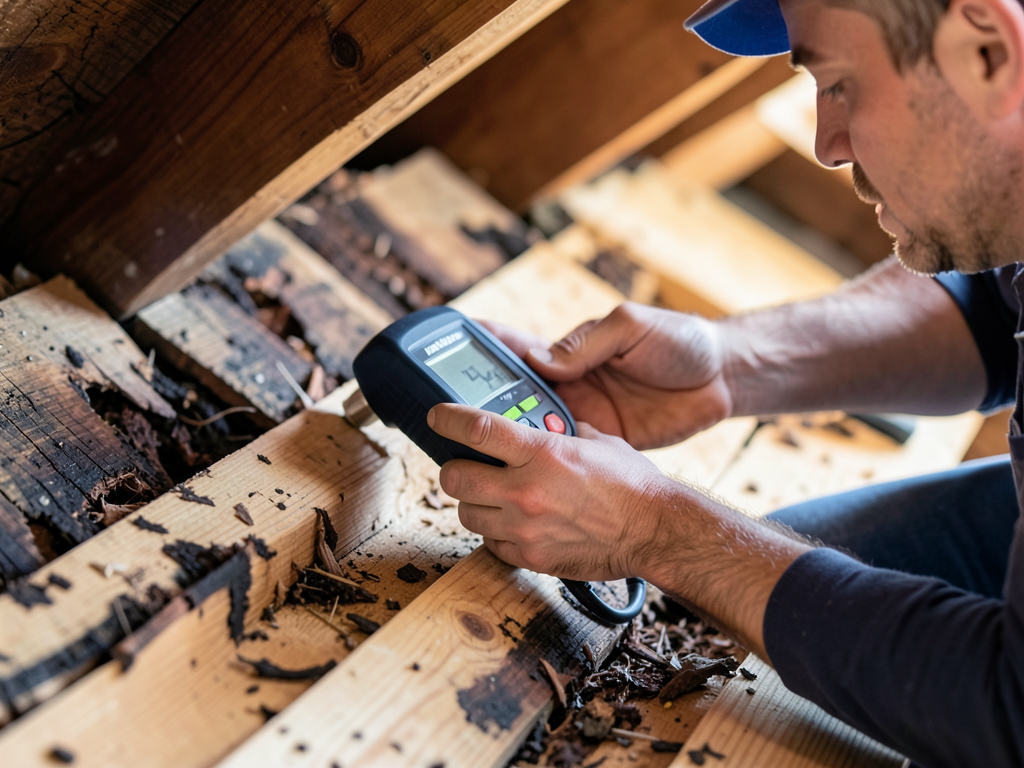
Look for dark streaks or water stains on the underside of the roof sheathing. These marks often run along rafters, showing where moisture travels. If you see them, press gently with a screwdriver. If the wood feels soft or crumbles, rot has set in.
Check for mold growth. Black, green, or white patches on wood or insulation signal persistent moisture. Mold thrives when relative humidity stays above 60%, which happens often in St. Louis attics without proper ventilation.. Read more about What Happens During a Professional St. Louis Roof Inspection (Step by Step Guide).
Sagging between rafters is another red flag. Healthy decking should feel firm underfoot. If it flexes or dips when you step on it, the wood has lost its structural strength.
Exterior Warning Signs (The Rooftop View)
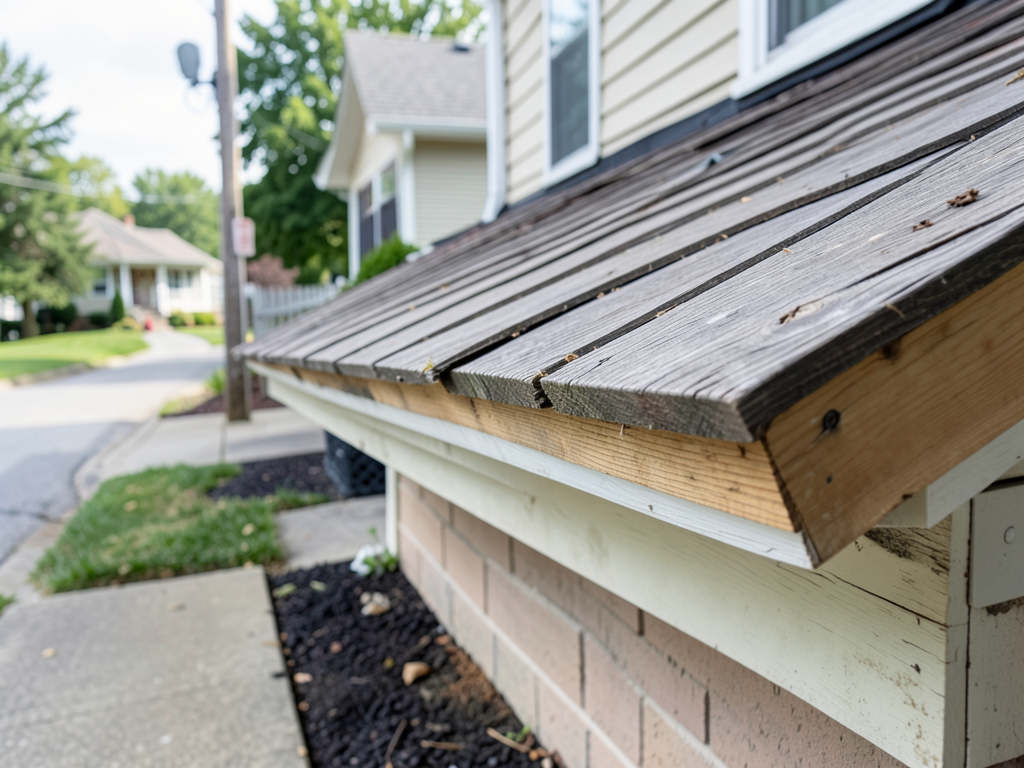
You do not need to climb up to check the roof’s surface. Stand across the street or from your yard and look for depressions or uneven spots along the roofline. A wavy appearance means the decking beneath has softened and settled.
Curling or missing shingles often point to deck failure. When wood rots, it cannot hold nails securely. Shingles then loosen, lift, or fall off entirely.
Check your gutters for granules. Heavy granule loss means shingles are breaking down, often because the deck beneath cannot support them properly. Also, rusted or popped nails along the fascia suggest moisture is attacking the entire roofing system. Reliable Roofing Services for Your Affton Home or Rental Property.
Ice dams in winter can force water under shingles, soaking the deck. If you see thick ice buildup along the eaves each year, your attic may trap heat, melting snow that refreezes at the cold edge and backs up under roofing materials.. Read more about Common Roofing Red Flags That Might Kill Your Home Sale in Princeton Heights.
The St. Louis Factor: Why Local Homes are at Risk
St. Louis sits in a climate zone where humidity averages 70% in summer and drops below freezing in winter. This wide swing causes wood to expand and contract repeatedly. Over time, that movement breaks down the bonds in plywood and OSB sheathing, especially if the attic lacks proper airflow.
Many older St. Louis homes have minimal ridge vents or blocked soffit vents. Without continuous airflow, warm moist air from living spaces rises and condenses on the cold underside of the roof. That trapped moisture feeds rot.
Local building codes, based on the International Residential Code with St. Louis County amendments, require ice and water shield along eaves in zones with heavy snow or ice dam potential. If your home predates those rules, the deck near the edges may lack that protective layer. International Building Code roof assembly standards.
Missouri’s freeze-thaw cycles also stress fasteners. Nails that rust or back out leave holes that let water seep into the deck. Once inside, water spreads through the wood fibers, breaking them down until the board can no longer bear weight.
The Risks of Ignoring Deck Rot
A rotted deck is more than a leak waiting to happen. It can collapse under the weight of snow, workers, or even a person walking in the attic. That collapse can damage ceilings, wiring, and stored belongings. Hail Damage Assessment.
Moisture trapped in the deck raises indoor humidity, encouraging mold growth inside walls and living spaces. Mold spores can trigger allergies, asthma, and other respiratory issues.
Energy efficiency also suffers. Wet insulation loses its R-value, forcing your HVAC system to work harder and increasing utility bills. In severe cases, rot can spread to rafters and trusses, turning a roof repair into a major structural rebuild. EPA mold guidelines.
Repair vs. Replacement: What to Expect
Not every soft spot means a full replacement. If rot affects only a small area, a patch with new plywood or OSB may suffice. Contractors cut out the damaged section, install matching thickness sheathing, and secure it to the rafters.
When rot covers large areas or shows signs of spreading to structural members, a full redeck becomes necessary. This means removing all old roofing, inspecting rafters, replacing damaged sheathing, and installing new underlayment and shingles.
The choice between OSB and plywood also matters. Plywood handles moisture slightly better and holds fasteners more securely, but OSB costs less and is common in newer homes. In high-humidity areas like St. Louis, many professionals now prefer plywood for its durability.
Before any work begins, check your attic for proper ventilation. Adding or upgrading ridge vents, soffit vents, or powered attic fans can prevent future rot and extend the life of your new roof deck.
Diagnostic Checklist: Signs of Roof Deck Rot
Use this quick list to decide if you need a professional inspection:
- Soft or spongy spots when pressing on attic sheathing
- Visible daylight through roof boards
- Dark water stains or streaks on underside of roof
- Mold or mildew growth on wood or insulation
- Sagging or uneven rooflines seen from outside
- Curling, missing, or loose shingles
- Ice dam buildup along eaves each winter
- Rusted or popped nails along fascia
If you check even one box, call a licensed roofing contractor for a full assessment. Early detection can save thousands in repairs. Who to Call for 24 Hour Roof Repairs Anywhere in St. Louis.
Frequently Asked Questions
How long does roof decking last in St. Louis?
Under ideal conditions, plywood or OSB roof decking lasts 20 to 30 years. In St. Louis, high humidity and freeze-thaw cycles often shorten that lifespan to 15 to 20 years without proper ventilation and maintenance.
Can I repair rotted decking myself?
Small patches might seem manageable, but without proper support and moisture barriers, DIY repairs often fail. A licensed roofer ensures the new material integrates with existing structure and meets local code requirements.. Read more about Why Your Overland Ranch Home Might Need Extra Structural Support for New Shingles.
Does homeowners insurance cover deck rot?
Most policies cover sudden damage from storms but exclude slow deterioration from neglect. If rot results from long-term moisture exposure, you will likely pay out of pocket unless you have a specific rider. Fixing Wind and Storm Damage Before It Ruins Your St. Louis Home.
How much does deck replacement cost in St. Louis?
Prices vary by home size and material choice. Expect to pay between $4,000 and $12,000 for a full redeck on an average home, not including new shingles or underlayment.
What building code applies to roof deck replacement?
St. Louis County follows the International Residential Code with local amendments. Roof replacements must meet structural, fire, and ventilation standards, and often require a permit. High Quality Roof Replacements for Creve Coeur Properties.
Take Action Before the Next Storm
Ignoring a soft roof deck invites disaster. A sudden collapse or major leak can ruin ceilings, walls, and personal belongings in hours. Do not wait until water stains appear on your living room ceiling.
Pick up the phone and call (314) 417-7774 today to schedule your inspection. Pioneer Roofing St. Louis will check your attic, measure moisture levels, and provide a clear plan to protect your home from Missouri’s harsh climate.
Call (314) 417-7774 before the next storm hits. Your home deserves a strong, dry roof deck.
You may also find this helpful. Comparing Gutter Guard Systems for the Heavily Wooded Lots of Kirkwood.
You may also find this helpful. Why Commercial Roof Coatings are the Smart Alternative to Replacement in Earth City.
You may also find this helpful. The Essential Spring Roof Checklist for Every Homeowner in Clayton and Ladue.
{
“@context”: “https://schema.org”,
“@type”: “BlogPosting”,
“headline”: “How to Tell if Your St. Louis Roof Decking is Rotting (Without Using a Ladder)”,
“description”: “Learn the signs of roof deck rot from St. Louis experts. Spot attic moisture, sagging, and mold without climbing on your roof. Protect your home today.”,
“wordCount”: 1271,
“datePublished”: “2026-05-03T08:14:00.000Z”,
“dateModified”: “2026-05-03T08:14:00.000Z”,
“inLanguage”: “en-US”,
“mainEntityOfPage”: {
“@type”: “WebPage”,
“@id”: “https://pioneerroofingstlouis.com”
},
“publisher”: {
“@type”: “LocalBusiness”,
“name”: “Pioneer Roofing St. Louis”,
“url”: “https://pioneerroofingstlouis.com”
},
“author”: {
“@type”: “Organization”,
“name”: “Pioneer Roofing St. Louis”,
“url”: “https://pioneerroofingstlouis.com”
},
“image”: {
“@type”: “ImageObject”,
“url”: “https://pioneerroofingstlouis.com/wp-content/uploads/2026/03/how-to-tell-if-your-st-louis-roof-decking-is-rotti-1.png”
}
}
{
“@context”: “https://schema.org”,
“@type”: “RoofingContractor”,
“name”: “Pioneer Roofing St. Louis”,
“url”: “https://pioneerroofingstlouis.com”,
“address”: {
“@type”: “PostalAddress”,
“addressLocality”: “St. Louis”
},
“areaServed”: {
“@type”: “City”,
“name”: “St. Louis”
}
}
{
“@context”: “https://schema.org”,
“@type”: “FAQPage”,
“mainEntity”: [
{
“@type”: “Question”,
“name”: “How long does roof decking last in St. Louis?”,
“acceptedAnswer”: {
“@type”: “Answer”,
“text”: “Under ideal conditions, plywood or OSB roof decking lasts 20 to 30 years. In St. Louis, high humidity and freeze-thaw cycles often shorten that lifespan to 15 to 20 years without proper ventilation and maintenance.”
}
},
{
“@type”: “Question”,
“name”: “Can I repair rotted decking myself?”,
“acceptedAnswer”: {
“@type”: “Answer”,
“text”: “Small patches might seem manageable, but without proper support and moisture barriers, DIY repairs often fail. A licensed roofer ensures the new material integrates with existing structure and meets local code requirements.”
}
},
{
“@type”: “Question”,
“name”: “Does homeowners insurance cover deck rot?”,
“acceptedAnswer”: {
“@type”: “Answer”,
“text”: “Most policies cover sudden damage from storms but exclude slow deterioration from neglect. If rot results from long-term moisture exposure, you will likely pay out of pocket unless you have a specific rider. Fixing Wind and Storm Damage Before It Ruins Your St. Louis Home.”
}
},
{
“@type”: “Question”,
“name”: “How much does deck replacement cost in St. Louis?”,
“acceptedAnswer”: {
“@type”: “Answer”,
“text”: “Prices vary by home size and material choice. Expect to pay between $4,000 and $12,000 for a full redeck on an average home, not including new shingles or underlayment.”
}
},
{
“@type”: “Question”,
“name”: “What building code applies to roof deck replacement?”,
“acceptedAnswer”: {
“@type”: “Answer”,
“text”: “St. Louis County follows the International Residential Code with local amendments. Roof replacements must meet structural, fire, and ventilation standards, and often require a permit. High Quality Roof Replacements for Creve Coeur Properties.”
}
}
]
}
{
“@context”: “https://schema.org”,
“@type”: “BreadcrumbList”,
“itemListElement”: [
{
“@type”: “ListItem”,
“position”: 1,
“name”: “Home”,
“item”: “https://pioneerroofingstlouis.com”
},
{
“@type”: “ListItem”,
“position”: 2,
“name”: “Blog”,
“item”: “https://pioneerroofingstlouis.com/blog”
},
{
“@type”: “ListItem”,
“position”: 3,
“name”: “How to Tell if Your St. Louis Roof Decking is Rotting (Without Using a Ladder)”
}
]
}
{
“@context”: “https://schema.org”,
“@type”: “Service”,
“serviceType”: “Roofing”,
“provider”: {
“@type”: “LocalBusiness”,
“name”: “Pioneer Roofing St. Louis”,
“url”: “https://pioneerroofingstlouis.com”
},
“areaServed”: {
“@type”: “City”,
“name”: “St. Louis”
},
“description”: “Learn the signs of roof deck rot from St. Louis experts. Spot attic moisture, sagging, and mold without climbing on your roof. Protect your home today.”
}