
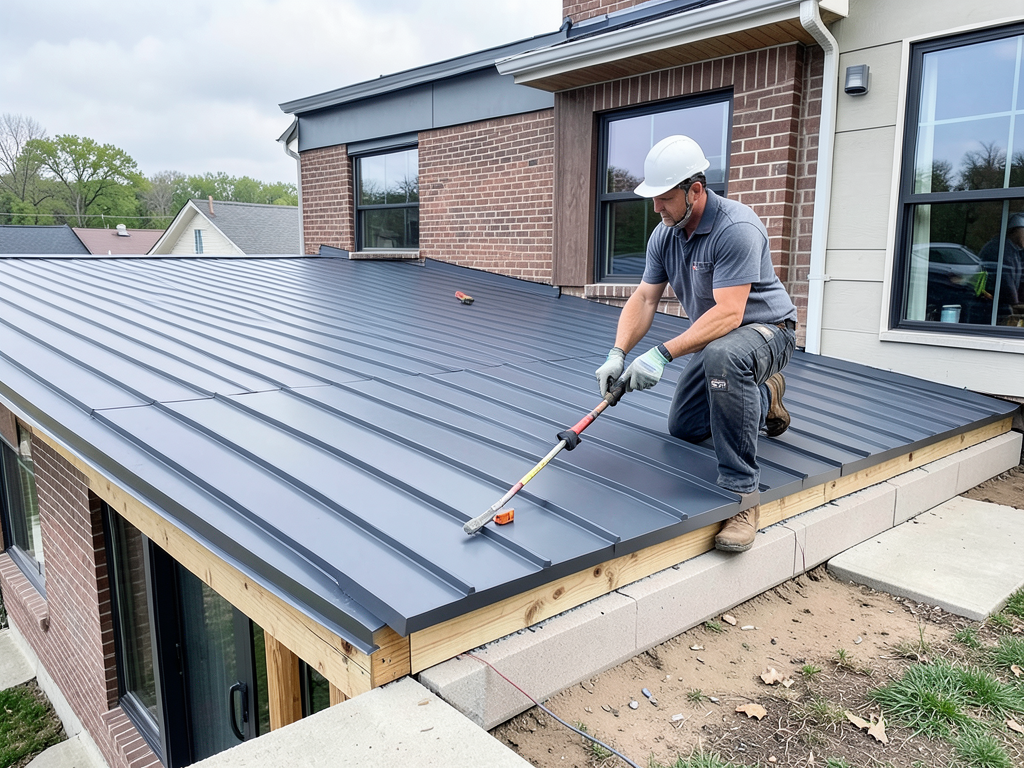
Is a Metal Roof Noisier Than Shingles During a St. Louis Thunderstorm?
The myth that metal roofs sound like a drum solo during rain has scared off many St. Louis homeowners. But here’s the truth: modern metal roofing installed over solid decking with proper underlayment is actually quieter than asphalt shingles during a heavy thunderstorm. The difference is negligible to the human ear—about 6-10 decibels at most—which is less than the sound of a whisper. Reliable Roofing Services for Your Affton Home or Rental Property.
The Common Myth: Is Metal Really Louder?
Many people picture a barn or shed with a corrugated metal roof when they think about rain noise. That’s not what residential metal roofing looks like in 2026. Today’s systems use solid plywood or OSB decking that creates a continuous barrier between the metal and your living space. This solid substrate, combined with synthetic underlayment and attic insulation, absorbs and dampens sound waves before they ever reach your ceiling. How to Navigate a Roofing Insurance Claim After a St. Louis Hail Storm.
During a typical St. Louis spring thunderstorm, both materials perform similarly. The key factor isn’t the roofing material itself but the complete roof assembly—the “roof system” that includes decking, underlayment, and attic space. Fixing Wind and Storm Damage Before It Ruins Your St. Louis Home.
Decibel Comparison: Metal vs. Asphalt Shingles
Sound measurements tell the real story. Heavy rain on a metal roof typically registers between 50-55 decibels in a properly insulated home. The same rain on asphalt shingles measures 45-50 decibels. That 5-decibel difference is imperceptible to most people and falls within normal conversation volume variations.
Here’s what affects these measurements in St. Louis homes:
- Attic insulation depth (R-38 or higher is common in Missouri)
- Type of underlayment (synthetic vs. felt paper)
- Roof pitch and attic ventilation design
- Presence of ceiling materials and interior finishes
Standing seam metal roofs with concealed fasteners actually have an advantage over exposed fastener systems because they eliminate potential vibration points where noise could transfer through the structure.. Read more about Standing Seam vs Exposed Fastener Metal Roofs (Which is Best for Wildwood Terrain?).
The Role of the ‘Roof System’ in Sound Dampening
Sound travels through air and solid materials. A complete roof system interrupts both pathways. In St. Louis’s climate, where humidity and temperature swings are extreme, the roof assembly does more than just block rain noise—it manages thermal expansion and prevents condensation that could amplify sound.
The typical assembly from top to bottom:
- Metal roofing panels or asphalt shingles
- Synthetic underlayment (provides moisture barrier and sound dampening)
- Solid plywood or OSB decking (main sound barrier)
- Attic insulation (absorbs remaining sound waves)
- Interior ceiling materials
Many St. Louis homes built before 1980 have insufficient attic insulation. Adding R-38 insulation when replacing a roof can reduce perceived noise by up to 3 decibels—more than the difference between metal and shingle materials.
St. Louis Weather Performance
Missouri’s weather presents unique challenges. Spring thunderstorms bring heavy rain, hail, and rapid temperature changes. Both materials handle these conditions well, but they respond differently to specific threats.
Hail impact creates the most noticeable noise difference. Large hailstones hitting metal produce a sharper “ping” sound compared to the duller thud on asphalt. However, modern stone-coated steel or standing seam metal with proper underlayment minimizes this effect. The solid decking absorbs much of the impact vibration before it reaches living spaces.
Wind is another factor. Metal roofs have higher wind ratings (up to 140 mph for properly installed systems) compared to asphalt shingles (typically 60-90 mph). During high-wind events common in St. Louis, loose shingles can flap and create intermittent noise that’s more annoying than steady rain sounds.
Cost vs. Longevity: A Quick Comparison
Initial cost drives many decisions, but lifecycle cost tells the real story for St. Louis homeowners. Here’s how the two materials compare over a typical 30-year homeownership period:
| Factor | Standing Seam Metal | Asphalt Shingles |
|---|---|---|
| Initial Cost | $12-18 per sq ft | $5-9 per sq ft |
| Lifespan | 50+ years | 20-25 years |
| Maintenance | Minimal (inspect every 5 years) | Regular (replace seals, check for damage) |
| Energy Efficiency | Up to 25% savings | Standard efficiency |
| Resale Value Impact | 1.5-2% home value increase | Neutral to slight decrease |
| Storm Performance | Superior wind/hail resistance | Standard protection |
Over 30 years, the metal roof’s higher upfront cost is offset by energy savings, minimal maintenance, and the fact you’ll likely never need a replacement. Asphalt requires two full replacements in that timeframe, plus ongoing maintenance costs. High Quality Roof Replacements for Creve Coeur Properties.
Summary: Which Should You Choose?
Choose metal if you plan to stay in your St. Louis home for more than 10 years, value energy efficiency, and want the best storm protection available. The noise concern is essentially eliminated with modern installation methods, and you’ll benefit from lower cooling costs during our humid summers.
Choose asphalt if you need the lowest initial cost, plan to move within 5-7 years, or have a historic home where traditional materials are required by neighborhood covenants. Modern architectural shingles offer good performance at a reasonable price point.
The real question isn’t “which is quieter?” but “which provides the best long-term value for your specific situation?” In St. Louis’s climate, that calculation often favors metal when you factor in energy savings, durability, and peace of mind during storm season.
Frequently Asked Questions
Does metal roofing make popping sounds during temperature changes?
Thermal expansion can cause minor clicking sounds as metal contracts and expands, but this is typically less noticeable than the sound of rain. Proper installation with sliding clips minimizes this effect. Most homeowners report they stop noticing these sounds after a few weeks.
Will a metal roof affect my home insurance rates in St. Louis?
Many insurance companies offer discounts of 5-10% for impact-resistant roofing in Missouri due to the high hail risk. Check with your provider about specific metal roofing certifications that qualify for these discounts. Roofing Kirkwood.
How does attic ventilation impact roof noise?
Proper ventilation creates “dead air space” that acts as an additional sound barrier. St. Louis’s building code requires minimum ventilation ratios that coincidentally help with noise reduction. Homes with blocked or insufficient vents may experience more noise transfer regardless of roofing material.
Can I install metal roofing over existing shingles to save on removal costs?
Yes, in many cases metal can be installed over one layer of existing shingles. This actually improves sound dampening by adding mass to the roof assembly. However, local codes in some St. Louis municipalities limit this practice, so check with your contractor about specific requirements.
Ready to Stop Worrying About Roof Noise?
The noise myth shouldn’t drive your roofing decision. Modern metal roofing systems installed by experienced St. Louis contractors are quiet, durable, and built to handle our specific weather challenges. Whether you choose metal or asphalt, the right installation makes all the difference.
Call (314) 417-7774 today to schedule your inspection and get a free quote. We’ll show you exactly how your new roof will perform during the next thunderstorm—quietly and reliably. Don’t wait until the next storm hits to make the right choice for your home. For more information, visit EPA. For more information, visit FEMA.
{
“@context”: “https://schema.org”,
“@type”: “BlogPosting”,
“headline”: “Is a Metal Roof Noisier Than Shingles During a St. Louis Thunderstorm?”,
“description”: “Discover the truth about metal roof noise vs shingles in St. Louis storms. Learn decibel comparisons, insulation impact, and why modern metal roofs are surprisingly quiet.”,
“wordCount”: 1185,
“datePublished”: “2026-03-31T06:18:00.000Z”,
“dateModified”: “2026-03-31T06:18:00.000Z”,
“inLanguage”: “en-US”,
“mainEntityOfPage”: {
“@type”: “WebPage”,
“@id”: “https://pioneerroofingstlouis.com”
},
“publisher”: {
“@type”: “LocalBusiness”,
“name”: “Pioneer Roofing St. Louis”,
“url”: “https://pioneerroofingstlouis.com”
},
“author”: {
“@type”: “Organization”,
“name”: “Pioneer Roofing St. Louis”,
“url”: “https://pioneerroofingstlouis.com”
},
“image”: {
“@type”: “ImageObject”,
“url”: “https://pioneerroofingstlouis.com/wp-content/uploads/2026/03/is-a-metal-roof-noisier-than-shingles-during-a-st-1.png”
}
}
{
“@context”: “https://schema.org”,
“@type”: “RoofingContractor”,
“name”: “Pioneer Roofing St. Louis”,
“url”: “https://pioneerroofingstlouis.com”,
“address”: {
“@type”: “PostalAddress”,
“addressLocality”: “St. Louis”
},
“areaServed”: {
“@type”: “City”,
“name”: “St. Louis”
}
}
{
“@context”: “https://schema.org”,
“@type”: “FAQPage”,
“mainEntity”: [
{
“@type”: “Question”,
“name”: “The Common Myth: Is Metal Really Louder?”,
“acceptedAnswer”: {
“@type”: “Answer”,
“text”: “Many people picture a barn or shed with a corrugated metal roof when they think about rain noise. That’s not what residential metal roofing looks like in 2026. Today’s systems use solid plywood or OSB decking that creates a continuous barrier between the metal and your living space. This solid substrate, combined with synthetic underlayment and attic insulation, absorbs and dampens sound waves before they ever reach your ceiling. How to Navigate a Roofing Insurance Claim After a St. Louis Hail Storm.”
}
},
{
“@type”: “Question”,
“name”: “Summary: Which Should You Choose?”,
“acceptedAnswer”: {
“@type”: “Answer”,
“text”: “Choose metal if you plan to stay in your St. Louis home for more than 10 years, value energy efficiency, and want the best storm protection available. The noise concern is essentially eliminated with modern installation methods, and you’ll benefit from lower cooling costs during our humid summers.”
}
},
{
“@type”: “Question”,
“name”: “Does metal roofing make popping sounds during temperature changes?”,
“acceptedAnswer”: {
“@type”: “Answer”,
“text”: “Thermal expansion can cause minor clicking sounds as metal contracts and expands, but this is typically less noticeable than the sound of rain. Proper installation with sliding clips minimizes this effect. Most homeowners report they stop noticing these sounds after a few weeks.”
}
},
{
“@type”: “Question”,
“name”: “Will a metal roof affect my home insurance rates in St. Louis?”,
“acceptedAnswer”: {
“@type”: “Answer”,
“text”: “Many insurance companies offer discounts of 5-10% for impact-resistant roofing in Missouri due to the high hail risk. Check with your provider about specific metal roofing certifications that qualify for these discounts. Roofing Kirkwood.”
}
},
{
“@type”: “Question”,
“name”: “How does attic ventilation impact roof noise?”,
“acceptedAnswer”: {
“@type”: “Answer”,
“text”: “Proper ventilation creates \”dead air space\” that acts as an additional sound barrier. St. Louis’s building code requires minimum ventilation ratios that coincidentally help with noise reduction. Homes with blocked or insufficient vents may experience more noise transfer regardless of roofing material.”
}
},
{
“@type”: “Question”,
“name”: “Can I install metal roofing over existing shingles to save on removal costs?”,
“acceptedAnswer”: {
“@type”: “Answer”,
“text”: “Yes, in many cases metal can be installed over one layer of existing shingles. This actually improves sound dampening by adding mass to the roof assembly. However, local codes in some St. Louis municipalities limit this practice, so check with your contractor about specific requirements.”
}
},
{
“@type”: “Question”,
“name”: “Ready to Stop Worrying About Roof Noise?”,
“acceptedAnswer”: {
“@type”: “Answer”,
“text”: “The noise myth shouldn’t drive your roofing decision. Modern metal roofing systems installed by experienced St. Louis contractors are quiet, durable, and built to handle our specific weather challenges. Whether you choose metal or asphalt, the right installation makes all the difference.”
}
}
]
}
{
“@context”: “https://schema.org”,
“@type”: “BreadcrumbList”,
“itemListElement”: [
{
“@type”: “ListItem”,
“position”: 1,
“name”: “Home”,
“item”: “https://pioneerroofingstlouis.com”
},
{
“@type”: “ListItem”,
“position”: 2,
“name”: “Blog”,
“item”: “https://pioneerroofingstlouis.com/blog”
},
{
“@type”: “ListItem”,
“position”: 3,
“name”: “Is a Metal Roof Noisier Than Shingles During a St. Louis Thunderstorm?”
}
]
}
{
“@context”: “https://schema.org”,
“@type”: “Service”,
“serviceType”: “Roofing”,
“provider”: {
“@type”: “LocalBusiness”,
“name”: “Pioneer Roofing St. Louis”,
“url”: “https://pioneerroofingstlouis.com”
},
“areaServed”: {
“@type”: “City”,
“name”: “St. Louis”
},
“description”: “Discover the truth about metal roof noise vs shingles in St. Louis storms. Learn decibel comparisons, insulation impact, and why modern metal roofs are surprisingly quiet.”
}