
Solar energy is booming across the Midwest, but before you install those panels, you need to know if your roof can actually support them. A St. Louis home faces unique challenges from our severe weather patterns, including hail storms, high winds, and rapid freeze-thaw cycles that can stress both your roof and any solar equipment mounted on it. The answer isn’t just about roof age or condition—it’s about understanding the structural requirements, local building codes, and Missouri-specific incentives that make solar installation successful in our region. Fixing Wind and Storm Damage Before It Ruins Your St. Louis Home.
Understanding Your Roof’s Structural Capacity
Before any solar contractor installs panels, they need to verify your roof framing can handle the additional weight. Standard solar installations add 2-4 pounds per square foot when you include mounting hardware and potential snow loads. For homes in St. Louis County, this matters because many properties were built before modern building codes required specific load calculations.
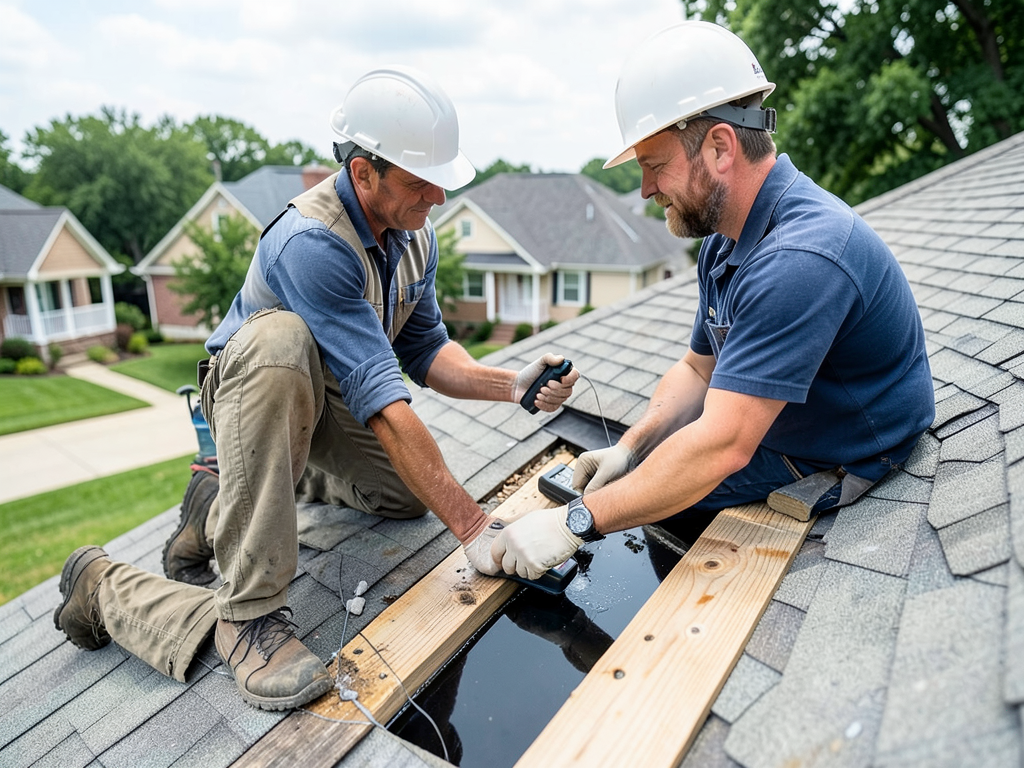
During our structural assessments, we examine the roof deck thickness, rafter spacing, and connection points. A typical asphalt shingle roof over 15 years old often needs reinforcement before supporting solar panels. We’ve seen cases where homeowners installed solar only to discover their roof needed replacement within two years, forcing them to pay thousands to remove and reinstall the system.
Key structural factors we evaluate include:
- Rafter size and spacing (typically 16″ or 24″ on center)
- Roof deck material (plywood vs. OSB)
- Current condition of decking (soft spots indicate rot)
- Existing ventilation that affects heat buildup
Local Building Codes and Permit Requirements
St. Louis County requires specific permits for solar installations that go beyond standard roofing permits. The International Residential Code (IRC) Section R301 addresses roof live loads, while the National Electrical Code (NEC) Article 690 covers solar photovoltaic systems. These aren’t suggestions—they’re mandatory requirements that affect your installation timeline and cost. Reliable Roofing Services for Your Affton Home or Rental Property.
Local inspectors check for proper flashing around mounting brackets, correct wiring methods, and adequate pathway labeling. We’ve seen installations fail inspection because contractors used standard roofing nails instead of the required stainless steel lag bolts for solar mounts. That’s why we coordinate directly with the St. Louis County Department of Public Works to ensure all documentation is complete before work begins. How to Navigate a Roofing Insurance Claim After a St. Louis Hail Storm.
Weather considerations specific to Missouri include:
- Hail resistance ratings (Class 3 or 4 recommended)
- Wind uplift requirements (140+ mph zones in some areas)
- Ice dam protection along eaves
Roof Age and Condition Assessment
Age alone doesn’t determine solar readiness, but it’s a critical factor. A roof with less than 10 years of remaining life expectancy isn’t ideal for solar installation. The panels typically last 25-30 years, so mismatched lifespans create expensive problems down the road.
During our assessment, we perform what we call the “screwdriver test”—probing decking at multiple points to check for rot or delamination. We also examine shingle condition, looking for curling edges, missing granules, or visible wear patterns. In neighborhoods like Kirkwood and Webster Groves where many homes date to the 1960s-1980s, we frequently find underlying structural issues that homeowners weren’t aware of.
Common roof conditions that affect solar readiness:
- Multiple layers of shingles (adds weight, reduces attachment points)
- Previous storm damage (hidden leaks compromise structural integrity)
- Improper ventilation (causes premature shingle failure)
Missouri Solar Incentives and Financial Considerations
The federal Investment Tax Credit (ITC) provides 30% tax credit for solar installations through 2032, but Missouri offers additional incentives that make timing crucial. Ameren Missouri’s net metering program allows you to sell excess power back to the grid at retail rates, while local utilities offer rebates that vary by county. Ameren Missouri Net Metering Program.
Current 2026 incentives include:
- Federal ITC: 30% of installation costs
- Ameren Missouri: Performance-based incentives
- Property tax exemption for solar equipment
- Sales tax exemption on solar purchases
These incentives stack with each other, potentially reducing your net cost by 40-50%. However, some programs have application deadlines or funding caps that change annually. We stay current on all Missouri Department of Natural Resources programs to help you maximize savings.
Roof Pitch and Orientation for Maximum Efficiency
Not all roof angles work equally well for solar. In St. Louis, the optimal pitch ranges from 15 to 40 degrees, with south-facing exposure providing the best year-round production. East and west-facing roofs can still work but may produce 10-20% less energy.
We use solar pathfinder tools to analyze shading from nearby trees, chimneys, and other structures. A single large oak tree can reduce system output by 30% if it shades panels during peak hours. In wooded areas like parts of Chesterfield and Wildwood, this analysis becomes critical for system design.
Roof orientation impact on production:
| Orientation | Efficiency vs. South | Best For |
|---|---|---|
| South | 100% | Maximum annual production |
| Southwest | 95% | Afternoon peak demand |
| East | 85% | Morning usage patterns |
| West | 85% | Evening peak demand |
Weather Resistance and Durability Factors
Missouri’s climate poses unique challenges for solar installations. Our severe thunderstorms can produce golf ball-sized hail, while summer heat can exceed 95°F for weeks. Panels must withstand both extreme impacts and prolonged heat exposure.
Quality solar panels carry UL 61730 certification for impact resistance and thermal cycling. We recommend panels with tempered glass covers and reinforced frames, especially for homes in hail-prone areas. The mounting hardware should use stainless steel components to prevent corrosion from our high humidity levels.
Weather protection features we verify:
- Hail impact rating (Class 3 or 4 minimum)
- Wind load certification (140+ mph for most St. Louis areas)
- Temperature coefficient for hot weather performance
- Waterproofing at all penetration points
The Roof-First Approach: Why Timing Matters
Installing solar on an aging roof creates a costly dilemma. If your roof fails within the solar system’s lifespan, you’ll pay $2,000-$5,000 to remove and reinstall the panels. This is why we recommend addressing any roof issues before solar installation.
The ideal scenario involves completing a full roof replacement with high-quality architectural shingles, then installing solar within 30-60 days. This ensures proper underlayment, flashing, and ventilation are all optimized for the solar mounting system. It also provides a single warranty covering both roof and solar components. Choosing the Best Architectural Shingles for Your Eureka Wooded Lot.
Cost comparison of timing approaches:
| Approach | Initial Cost | Long-term Risk | Recommended |
|---|---|---|---|
| Solar only on good roof | $15,000-$25,000 | Medium (roof replacement later) | Sometimes |
| Roof replacement + solar | $25,000-$40,000 | Low (unified warranty) | Yes |
| Solar on failing roof | $15,000-$25,000 | High (early removal needed) | No |
Installation Process and Timeline
A proper solar installation follows a specific sequence that begins with structural assessment and ends with utility interconnection. The entire process typically takes 4-8 weeks from contract signing to system activation, though permit approval times can extend this timeline.
Installation steps include:
- Structural engineering review and permit application
- Roof preparation (repair/replacement if needed)
- Mounting system installation with proper flashing
- Panel mounting and electrical connections
- Inspection and utility interconnection approval
During installation, we protect your landscaping and interior from dust and debris. Our crews use roof protection boards to prevent damage to existing shingles, and we clean up thoroughly each day. We’ve completed installations in neighborhoods from Clayton to Fenton without disrupting homeowner routines.
Maintenance and Long-term Performance
Solar panels require minimal maintenance, but your roof still needs regular inspection. We recommend annual checks of mounting hardware, panel connections, and roof penetrations. Our maintenance service includes cleaning panels to remove pollen and debris that can reduce efficiency by 5-10%.
Common maintenance issues we address:
- Loose mounting hardware from thermal expansion
- Debris accumulation in panel gaps
- Squirrel damage to wiring (common in wooded areas)
- Sealant degradation around penetrations
Most quality solar systems include 25-year warranties on panels and 10-year warranties on inverters. However, these warranties often require professional maintenance to remain valid. We provide documentation for all service visits to support warranty claims if needed.
Making Your Decision
Solar installation represents a significant investment that pays off through energy savings and increased home value. Homes with solar systems typically sell 4% faster and at premium prices compared to similar homes without solar. However, the decision should be based on your specific roof condition, energy usage patterns, and local incentives.
Key factors to consider:
- Current roof age and condition
- Monthly electricity usage and rates
- Available roof space and orientation
- Local incentives and utility programs
- Long-term plans for the property
We provide free roof assessments that include structural analysis, shade mapping, and financial projections. This no-obligation evaluation helps you understand exactly what’s required for successful solar installation on your specific property.
Frequently Asked Questions
How do I know if my roof is strong enough for solar panels?
We perform structural assessments that examine rafter size, spacing, and deck condition. Most homes built after 2000 meet minimum requirements, but older homes often need reinforcement. We’ll provide specific engineering calculations for your property.
Will solar void my roof warranty?
Quality installation with proper flashing shouldn’t void your roof warranty. However, if your roof already has issues, installing solar could complicate future claims. That’s why we recommend addressing any roof problems before solar installation.
How long does the entire process take from start to finish?
The timeline varies by season and permit volume, but typically takes 4-8 weeks. Structural assessment and design take 1-2 weeks, permitting 2-4 weeks, installation 2-3 days, and utility interconnection 1-2 weeks.
What happens if my roof needs replacement after installing solar?
You’ll need to pay to remove and reinstall the panels, typically $2,000-$5,000. This is why we emphasize the roof-first approach and provide honest assessments about roof longevity before installation.
Are there any St. Louis-specific incentives I should know about?
Yes, Ameren Missouri offers net metering and performance-based incentives. St. Louis County also provides property tax exemptions for solar equipment. These programs change periodically, so we stay current on all available incentives.
Next Steps for Your Solar Journey
The first step is getting an honest assessment of your roof’s solar readiness. We’ll examine your roof structure, evaluate sun exposure, and provide a detailed report on what’s needed for successful installation. This evaluation is free and comes with no obligation.
Call (314) 417-7774 today to schedule your roof assessment. Our team will explain exactly what your roof needs, whether that’s minor repairs, complete replacement, or reinforcement before solar installation. Don’t wait until the next storm reveals hidden roof problems that could derail your solar plans. Who to Call for 24 Hour Roof Repairs Anywhere in St. Louis.
Pick up the phone and call (314) 417-7774 before the next storm hits. We’ll help you understand if your St. Louis roof can support solar panels and what steps to take for a successful installation that will provide clean energy for decades to come. For more information, visit U.S. Department of Energy Solar Information.
{
“@context”: “https://schema.org”,
“@type”: “BlogPosting”,
“headline”: “Is Your St. Louis Roof Ready for Solar Panel Installation?”,
“description”: “Discover if your St. Louis roof can handle solar panels. Learn about structural requirements, local incentives, and weather considerations for Missouri homeowners.”,
“wordCount”: 1799,
“datePublished”: “2026-03-14T09:55:00.000Z”,
“dateModified”: “2026-03-14T09:55:00.000Z”,
“inLanguage”: “en-US”,
“mainEntityOfPage”: {
“@type”: “WebPage”,
“@id”: “https://pioneerroofingstlouis.com”
},
“publisher”: {
“@type”: “LocalBusiness”,
“name”: “Pioneer Roofing St. Louis”,
“url”: “https://pioneerroofingstlouis.com”
},
“author”: {
“@type”: “Organization”,
“name”: “Pioneer Roofing St. Louis”,
“url”: “https://pioneerroofingstlouis.com”
},
“image”: {
“@type”: “ImageObject”,
“url”: “https://pioneerroofingstlouis.com/wp-content/uploads/2026/03/is-your-st-louis-roof-ready-for-solar-panel-instal-1.png”
}
}
{
“@context”: “https://schema.org”,
“@type”: “RoofingContractor”,
“name”: “Pioneer Roofing St. Louis”,
“url”: “https://pioneerroofingstlouis.com”,
“address”: {
“@type”: “PostalAddress”,
“addressLocality”: “St. Louis”
},
“areaServed”: {
“@type”: “City”,
“name”: “St. Louis”
}
}
{
“@context”: “https://schema.org”,
“@type”: “FAQPage”,
“mainEntity”: [
{
“@type”: “Question”,
“name”: “How do I know if my roof is strong enough for solar panels?”,
“acceptedAnswer”: {
“@type”: “Answer”,
“text”: “We perform structural assessments that examine rafter size, spacing, and deck condition. Most homes built after 2000 meet minimum requirements, but older homes often need reinforcement. We’ll provide specific engineering calculations for your property.”
}
},
{
“@type”: “Question”,
“name”: “Will solar void my roof warranty?”,
“acceptedAnswer”: {
“@type”: “Answer”,
“text”: “Quality installation with proper flashing shouldn’t void your roof warranty. However, if your roof already has issues, installing solar could complicate future claims. That’s why we recommend addressing any roof problems before solar installation.”
}
},
{
“@type”: “Question”,
“name”: “How long does the entire process take from start to finish?”,
“acceptedAnswer”: {
“@type”: “Answer”,
“text”: “The timeline varies by season and permit volume, but typically takes 4-8 weeks. Structural assessment and design take 1-2 weeks, permitting 2-4 weeks, installation 2-3 days, and utility interconnection 1-2 weeks.”
}
},
{
“@type”: “Question”,
“name”: “What happens if my roof needs replacement after installing solar?”,
“acceptedAnswer”: {
“@type”: “Answer”,
“text”: “You’ll need to pay to remove and reinstall the panels, typically $2,000-$5,000. This is why we emphasize the roof-first approach and provide honest assessments about roof longevity before installation.”
}
},
{
“@type”: “Question”,
“name”: “Are there any St. Louis-specific incentives I should know about?”,
“acceptedAnswer”: {
“@type”: “Answer”,
“text”: “Yes, Ameren Missouri offers net metering and performance-based incentives. St. Louis County also provides property tax exemptions for solar equipment. These programs change periodically, so we stay current on all available incentives.”
}
}
]
}
{
“@context”: “https://schema.org”,
“@type”: “BreadcrumbList”,
“itemListElement”: [
{
“@type”: “ListItem”,
“position”: 1,
“name”: “Home”,
“item”: “https://pioneerroofingstlouis.com”
},
{
“@type”: “ListItem”,
“position”: 2,
“name”: “Blog”,
“item”: “https://pioneerroofingstlouis.com/blog”
},
{
“@type”: “ListItem”,
“position”: 3,
“name”: “Is Your St. Louis Roof Ready for Solar Panel Installation?”
}
]
}
{
“@context”: “https://schema.org”,
“@type”: “Service”,
“serviceType”: “Roofing”,
“provider”: {
“@type”: “LocalBusiness”,
“name”: “Pioneer Roofing St. Louis”,
“url”: “https://pioneerroofingstlouis.com”
},
“areaServed”: {
“@type”: “City”,
“name”: “St. Louis”
},
“description”: “Discover if your St. Louis roof can handle solar panels. Learn about structural requirements, local incentives, and weather considerations for Missouri homeowners.”
}