
Keeping Rodents Out of Your Roofline and Soffits in Older Lemay Neighborhoods
Rodents in your roofline are more than just a nuisance in Lemay’s older neighborhoods. They cause thousands of dollars in damage to insulation, wiring, and structural components before homeowners even realize there’s a problem. The mature trees lining streets like South Broadway and the proximity to the Mississippi River create perfect conditions for roof rats and squirrels to find their way into homes built in the 1950s and 1960s. Why Ladue Homeowners Trust These Specialized Roofing Contractors.
Lemay’s unique combination of older construction methods and abundant wildlife makes rodent exclusion a critical maintenance task. Homes near Lemay Park and the River City Casino area face specific challenges with Norway rats that can squeeze through openings as small as a quarter. The humid St. Louis summers drive these pests to seek cooler attic spaces, while winter drives them to find warm nesting spots.. Read more about Why Your St. Louis Home Needs a Drip Edge (Even if the Original Builder Skipped It).
The good news is that proper rodent-proofing can protect your home for years. Professional exclusion work using galvanized hardware cloth and polyurethane sealants creates barriers that rodents cannot chew through. This article explains the specific threats facing Lemay homes and the proven methods Pioneer Roofing uses to keep rodents out for good.
Why Rodents Target Your Roof and Attic
Rodents are attracted to your roof for three main reasons: warmth, food sources, and easy access points. The heat escaping through your roof creates a thermal signature that rodents can detect from nearby trees or power lines. Once they find a way in, your attic provides perfect nesting conditions with soft insulation and protection from predators.
Older Lemay homes built before modern building codes often have multiple entry points. Ridge vents without proper screening, gaps in soffit panels, and deteriorating fascia boards create easy access. The expansive clay soil common in St. Louis causes foundation shifts that can create gaps between roof components over time.. Read more about Why Rotten Fascia Boards are Silently Damaging Your Creve Coeur Roofline.
Water damage from St. Louis’s freeze-thaw cycles accelerates wood rot around roof edges. This creates soft spots that rodents can easily chew through. A single squirrel can create a softball-sized hole in compromised wood in just a few hours, giving access to entire families of pests. Hail Damage Assessment.
Food sources in Lemay neighborhoods include bird feeders, unsecured garbage, and fallen fruit from mature trees. The Mississippi River’s proximity also attracts rodents looking for water and food scraps from nearby businesses and homes.
Common St. Louis Rodents Damaging Roofs
Norway rats are the most destructive roof pests in Lemay. These large rodents can grow up to 16 inches long and have powerful jaws that can chew through wood, aluminum, and even soft concrete. They typically enter through foundation gaps but will climb to roof level if food sources are available there.
Roof rats are more common near the river and in areas with mature tree cover. These slender rodents are excellent climbers and can jump several feet between branches and your roof. They prefer to nest in attics and wall cavities, where they chew on electrical wiring creating fire hazards.
Eastern gray squirrels cause the most visible damage to roof components. They chew through shingles to access attics and will gnaw on wooden fascia boards to keep their teeth sharp. Squirrels are active during the day, so you might hear scratching sounds in your attic during morning hours.
Mice are smaller but more numerous. A single female mouse can produce up to 60 offspring per year. They can squeeze through dime-sized openings and often travel along roof edges looking for entry points near vents or damaged flashing.
Bats sometimes roost in attics but are protected by Missouri law. If you suspect bat activity, you need professional exclusion services that install one-way exit devices rather than trapping them inside.
Our 5-Step Roof Rodent-Proofing Process
Pioneer Roofing follows a systematic approach to rodent exclusion that addresses both current infestations and future prevention. This process meets St. Louis County building code requirements for animal exclusion work.
- Comprehensive Inspection
Our technicians examine your entire roofline using thermal imaging cameras to detect heat signatures that indicate rodent activity. We check for droppings, nesting materials, and damage to insulation. This inspection includes checking attic spaces for signs of chewing, urine stains, and compromised wiring.
- Entry Point Identification
We document every potential entry point using moisture meters to detect compromised wood that rodents can easily chew through. Common problem areas include ridge vents without proper screening, gaps in soffit panels, damaged fascia boards, and deteriorating chimney flashing. We create a detailed map showing all vulnerabilities.
- Exclusion Installation
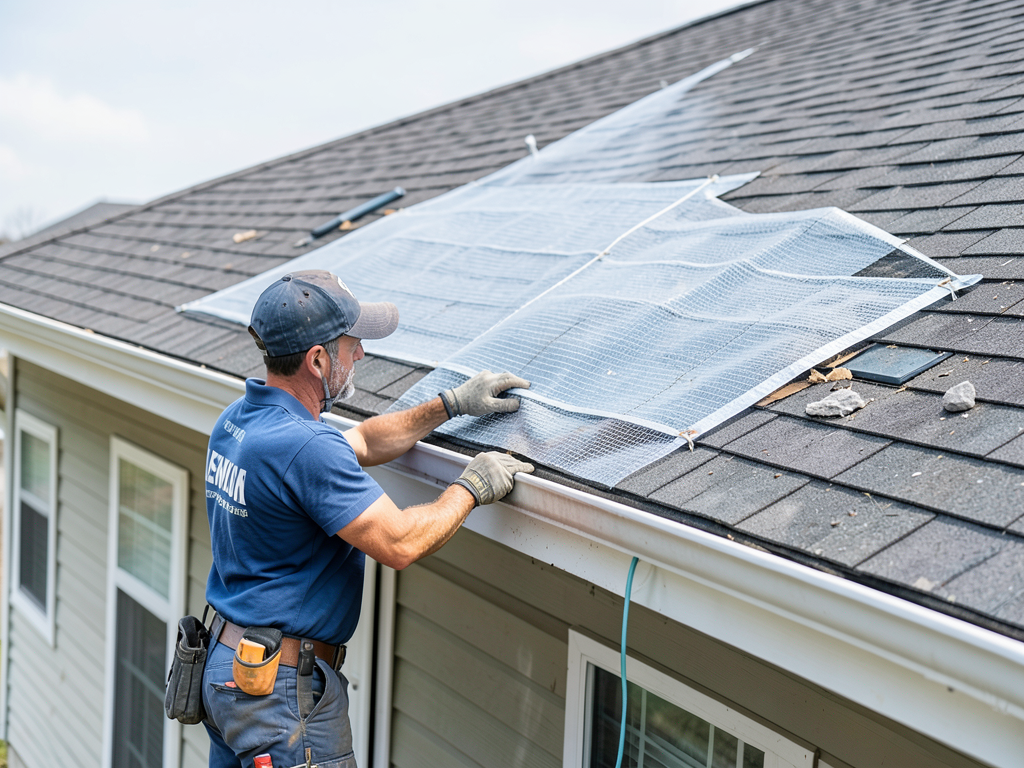
We install heavy-gauge galvanized steel mesh over all identified entry points. This material resists chewing and rust, providing permanent protection. We use ¼-inch mesh for general exclusion and 1/8-inch mesh for areas where smaller pests like bats or mice are a concern. All mesh is secured with rust-resistant fasteners.
- Sealant Application
We apply polyurethane sealants to gaps smaller than ¼ inch. These sealants expand to fill irregular spaces and create waterproof barriers. We use UV-resistant formulations that maintain flexibility through St. Louis’s temperature extremes. This step prevents both rodent entry and water infiltration that could cause future wood rot.
- Structural Repair
We replace damaged shingles, repair soffit panels, and reinforce fascia boards as needed. All repairs use materials that match your existing roof’s age and style. We also install or repair drip edges to direct water away from vulnerable areas and prevent future rot that could create new entry points. EPA rodent control guidelines.
Rodent-Proofing vs. Standard Roofing Repair
Standard roofing repairs focus on preventing water infiltration, while rodent-proofing addresses animal exclusion. The materials and techniques differ significantly between these two approaches. Who to Call for 24 Hour Roof Repairs Anywhere in St. Louis.
Standard repairs might use aluminum flashing or asphalt shingles to patch holes. These materials are easily chewed through by determined rodents. Rodent-proofing requires galvanized hardware cloth with ¼-inch mesh spacing, which rodents cannot penetrate with their teeth.
Sealants also differ. Standard roofing might use silicone caulk that hardens and cracks over time. Rodent exclusion uses polyurethane sealants that remain flexible and create chemical barriers that rodents avoid chewing.
The installation methods vary as well. Standard repairs might simply cover a hole, while exclusion work requires securing mesh from multiple attachment points to prevent animals from pulling it away. We also consider ventilation requirements, ensuring that exclusion work doesn’t trap moisture in your attic.
Cost factors also differ. Rodent-proofing typically costs 30-50% more than standard repairs due to the specialized materials and labor-intensive installation process. However, the long-term protection prevents recurring damage that could cost thousands in repairs.
Local Case Study: Protecting a Lemay Home
A 1965 ranch home near Lemay Park had recurring squirrel problems for three years. The homeowners heard scratching sounds in their attic during early morning hours and noticed damaged shingles near their chimney.
Our inspection revealed multiple entry points: a damaged ridge vent, gaps in soffit panels, and a softball-sized hole in the fascia board near the chimney. Thermal imaging showed heat escaping through these gaps, creating thermal signatures that attracted rodents.
We installed galvanized hardware cloth over all entry points, sealed gaps with polyurethane, and replaced the damaged fascia board with pressure-treated lumber. We also installed a chimney cap with ¼-inch mesh screening.
Three months later, the homeowners reported no further activity. The total cost was $2,800, compared to the $4,200 they had spent on temporary repairs over the previous three years.
This project demonstrates how proper exclusion work provides permanent solutions rather than temporary fixes. The materials we used meet International Residential Code Section R408 requirements for ventilation while providing animal exclusion. International Residential Code Section R408.
Preventing Future Rodent Problems
Prevention starts with eliminating attractants around your home. Keep tree branches trimmed at least six feet from your roof to eliminate easy access routes. Remove bird feeders or use squirrel-proof models. Secure garbage in containers with tight-fitting lids.
Regular roof inspections can catch problems before rodents exploit them. Look for missing shingles, damaged flashing, or gaps in soffit panels. Check your attic seasonally for signs of activity like droppings, nesting materials, or chewed wiring.
Maintain your landscaping to reduce rodent habitat. Keep mulch away from your foundation, remove fallen fruit from trees, and store firewood at least 20 feet from your home on elevated racks.
Consider professional exclusion services every five to seven years. Even the best installations can deteriorate over time, especially in Lemay’s humid climate. Regular maintenance prevents small problems from becoming major infestations.
Install motion-activated lights or ultrasonic deterrents near known entry points. These devices can discourage initial exploration by rodents looking for new nesting sites.
Cost Factors for Rodent Exclusion
The cost of rodent-proofing varies based on several factors. Home size affects the linear footage of roofline that needs protection. A typical single-story ranch home might cost $1,500-2,500 for complete exclusion, while a two-story home could range from $2,500-4,000.
Roof accessibility impacts labor costs. Steep pitches or complex roof designs require additional safety equipment and time. Homes with multiple roof levels or dormers need more detailed work around each transition point.
Existing damage affects pricing. If rodents have already caused significant damage to wood components, replacement costs add to the total. Rotted fascia boards, damaged soffits, and compromised decking all increase project complexity.
Material quality influences both cost and effectiveness. Galvanized hardware cloth costs more than standard screening but provides superior protection. Premium polyurethane sealants last longer in St. Louis’s climate but cost more per application. High Quality Roof Replacements for Creve Coeur Properties.
Emergency services carry premium pricing. If you have active infestations causing immediate damage, priority scheduling and after-hours work increase costs by 25-50%.
When to Call a Professional
DIY rodent control often fails because homeowners miss hidden entry points or use inadequate materials. Professional exclusion becomes necessary when you hear persistent scratching sounds, notice new holes appearing, or find droppings in your attic.
Multiple entry points indicate established colonies that require systematic removal and exclusion. A single squirrel might be handled with traps, but families of rodents need comprehensive solutions.
Electrical damage from rodent chewing creates fire hazards that require immediate professional attention. If you notice flickering lights or find chewed wiring, turn off power to affected circuits and call a professional immediately.
Health concerns arise from rodent droppings and urine. These can carry diseases like hantavirus and salmonella. Professional exclusion includes proper cleanup and sanitization of contaminated areas.
Insurance considerations matter too. Many policies cover rodent damage but may require professional documentation of the problem and repairs. DIY attempts can complicate insurance claims.
Frequently Asked Questions
How can I tell if rodents are in my roof?
Signs include scratching sounds in walls or attic, especially at dawn or dusk, droppings near entry points, damaged insulation, and visible holes in soffits or fascia boards. You might also notice greasy rub marks along roof edges where rodents travel repeatedly.
How long does rodent exclusion take?
Most residential projects take one to three days depending on home size and damage extent. Simple exclusion on a small home might be completed in a single day, while complex multi-story homes with extensive damage could require up to a week.
Will rodent exclusion eliminate all pests?
Proper exclusion prevents new rodents from entering but won’t remove existing ones inside your home. You may need additional trapping or baiting services to eliminate current infestations before exclusion work is effective.
How much does rodent-proofing cost?
Costs range from $1,500-4,000 for typical homes, depending on size, accessibility, and existing damage. Complex roofs or severe infestations can increase costs to $5,000-8,000. Most homeowners find the investment worthwhile compared to ongoing damage repairs.
Is rodent exclusion covered by insurance?
Many homeowners policies cover damage caused by rodents but may not cover prevention services. Check your specific policy details. Some policies require professional documentation of damage and repairs for claims to be approved.

Protect Your Lemay Home Today
Rodent damage only gets worse over time. What starts as a small hole can become a major structural problem within months. The mature trees and older construction in Lemay neighborhoods create perfect conditions for rodent infestations that threaten your home’s integrity.
Pioneer Roofing has protected St. Louis homes for over 15 years using proven exclusion techniques that meet local building codes. Our technicians understand the specific challenges facing Lemay homes, from the clay soil expansion to the Mississippi River’s influence on local wildlife patterns.
Don’t wait until you have thousands of dollars in damage. Call (314) 417-7774 today to schedule your comprehensive roof inspection. Our team will identify all potential entry points and provide a detailed plan to keep rodents out permanently.
Pick up the phone and call (314) 417-7774 before the next storm hits. Rodents are already looking for winter shelter, and your attic might be their next target. Protect your investment with professional exclusion services from Pioneer Roofing. Fixing Wind and Storm Damage Before It Ruins Your St. Louis Home.
Learn more about our comprehensive roofing services for St. Louis homeowners
{
“@context”: “https://schema.org”,
“@type”: “BlogPosting”,
“headline”: “Keeping Rodents Out of Your Roofline and Soffits in Older Lemay Neighborhoods”,
“description”: “Protect your Lemay home from roof rats and squirrels. Learn St. Louis-specific rodent-proofing techniques from Pioneer Roofing. Call (314) 417-7774 today.”,
“wordCount”: 2173,
“datePublished”: “2026-06-01T12:44:00.000Z”,
“dateModified”: “2026-06-01T12:44:00.000Z”,
“inLanguage”: “en-US”,
“mainEntityOfPage”: {
“@type”: “WebPage”,
“@id”: “https://pioneerroofingstlouis.com”
},
“publisher”: {
“@type”: “LocalBusiness”,
“name”: “Pioneer Roofing St. Louis”,
“url”: “https://pioneerroofingstlouis.com”
},
“author”: {
“@type”: “Organization”,
“name”: “Pioneer Roofing St. Louis”,
“url”: “https://pioneerroofingstlouis.com”
},
“image”: {
“@type”: “ImageObject”,
“url”: “https://pioneerroofingstlouis.com/wp-content/uploads/2026/03/keeping-rodents-out-of-your-roofline-and-soffits-i-1.png”
}
}
{
“@context”: “https://schema.org”,
“@type”: “RoofingContractor”,
“name”: “Pioneer Roofing St. Louis”,
“url”: “https://pioneerroofingstlouis.com”,
“address”: {
“@type”: “PostalAddress”,
“addressLocality”: “St. Louis”
},
“areaServed”: {
“@type”: “City”,
“name”: “St. Louis”
}
}
{
“@context”: “https://schema.org”,
“@type”: “FAQPage”,
“mainEntity”: [
{
“@type”: “Question”,
“name”: “How can I tell if rodents are in my roof?”,
“acceptedAnswer”: {
“@type”: “Answer”,
“text”: “Signs include scratching sounds in walls or attic, especially at dawn or dusk, droppings near entry points, damaged insulation, and visible holes in soffits or fascia boards. You might also notice greasy rub marks along roof edges where rodents travel repeatedly.”
}
},
{
“@type”: “Question”,
“name”: “How long does rodent exclusion take?”,
“acceptedAnswer”: {
“@type”: “Answer”,
“text”: “Most residential projects take one to three days depending on home size and damage extent. Simple exclusion on a small home might be completed in a single day, while complex multi-story homes with extensive damage could require up to a week.”
}
},
{
“@type”: “Question”,
“name”: “Will rodent exclusion eliminate all pests?”,
“acceptedAnswer”: {
“@type”: “Answer”,
“text”: “Proper exclusion prevents new rodents from entering but won’t remove existing ones inside your home. You may need additional trapping or baiting services to eliminate current infestations before exclusion work is effective.”
}
},
{
“@type”: “Question”,
“name”: “How much does rodent-proofing cost?”,
“acceptedAnswer”: {
“@type”: “Answer”,
“text”: “Costs range from $1,500-4,000 for typical homes, depending on size, accessibility, and existing damage. Complex roofs or severe infestations can increase costs to $5,000-8,000. Most homeowners find the investment worthwhile compared to ongoing damage repairs.”
}
},
{
“@type”: “Question”,
“name”: “Is rodent exclusion covered by insurance?”,
“acceptedAnswer”: {
“@type”: “Answer”,
“text”: “Many homeowners policies cover damage caused by rodents but may not cover prevention services. Check your specific policy details. Some policies require professional documentation of damage and repairs for claims to be approved.”
}
}
]
}
{
“@context”: “https://schema.org”,
“@type”: “HowTo”,
“name”: “5-Step Rodent Proofing Process”,
“step”: [
{
“@type”: “HowToStep”,
“position”: 1,
“name”: “Comprehensive Inspection”,
“text”: “Our technicians examine your entire roofline using thermal imaging cameras to detect heat signatures that indicate rodent activity. We check for droppings, nesting materials, and damage to insulation. This inspection includes checking attic spaces for signs of chewing, urine stains, and compromised wiring.”
},
{
“@type”: “HowToStep”,
“position”: 2,
“name”: “Entry Point Identification”,
“text”: “We document every potential entry point using moisture meters to detect compromised wood that rodents can easily chew through. Common problem areas include ridge vents without proper screening, gaps in soffit panels, damaged fascia boards, and deteriorating chimney flashing. We create a detailed map showing all vulnerabilities.”
},
{
“@type”: “HowToStep”,
“position”: 3,
“name”: “Exclusion Installation”,
“text”: “We install heavy-gauge galvanized steel mesh over all identified entry points. This material resists chewing and rust, providing permanent protection. We use ¼-inch mesh for general exclusion and 1/8-inch mesh for areas where smaller pests like bats or mice are a concern. All mesh is secured with rust-resistant fasteners.”
},
{
“@type”: “HowToStep”,
“position”: 4,
“name”: “Sealant Application”,
“text”: “We apply polyurethane sealants to gaps smaller than ¼ inch. These sealants expand to fill irregular spaces and create waterproof barriers. We use UV-resistant formulations that maintain flexibility through St. Louis’s temperature extremes. This step prevents both rodent entry and water infiltration that could cause future wood rot.”
},
{
“@type”: “HowToStep”,
“position”: 5,
“name”: “Structural Repair”,
“text”: “We replace damaged shingles, repair soffit panels, and reinforce fascia boards as needed. All repairs use materials that match your existing roof’s age and style. We also install or repair drip edges to direct water away from vulnerable areas and prevent future rot that could create new entry points. EPA rodent control guidelines.”
}
],
“image”: “https://pioneerroofingstlouis.com/wp-content/uploads/2026/03/keeping-rodents-out-of-your-roofline-and-soffits-i-1.png”
}
{
“@context”: “https://schema.org”,
“@type”: “BreadcrumbList”,
“itemListElement”: [
{
“@type”: “ListItem”,
“position”: 1,
“name”: “Home”,
“item”: “https://pioneerroofingstlouis.com”
},
{
“@type”: “ListItem”,
“position”: 2,
“name”: “Blog”,
“item”: “https://pioneerroofingstlouis.com/blog”
},
{
“@type”: “ListItem”,
“position”: 3,
“name”: “Keeping Rodents Out of Your Roofline and Soffits in Older Lemay Neighborhoods”
}
]
}
{
“@context”: “https://schema.org”,
“@type”: “Service”,
“serviceType”: “Roofing”,
“provider”: {
“@type”: “LocalBusiness”,
“name”: “Pioneer Roofing St. Louis”,
“url”: “https://pioneerroofingstlouis.com”
},
“areaServed”: {
“@type”: “City”,
“name”: “St. Louis”
},
“description”: “Protect your Lemay home from roof rats and squirrels. Learn St. Louis-specific rodent-proofing techniques from Pioneer Roofing. Call (314) 417-7774 today.”
}