
Keeping Your St. Louis Hills Gingerbread House Roof in Perfect Condition
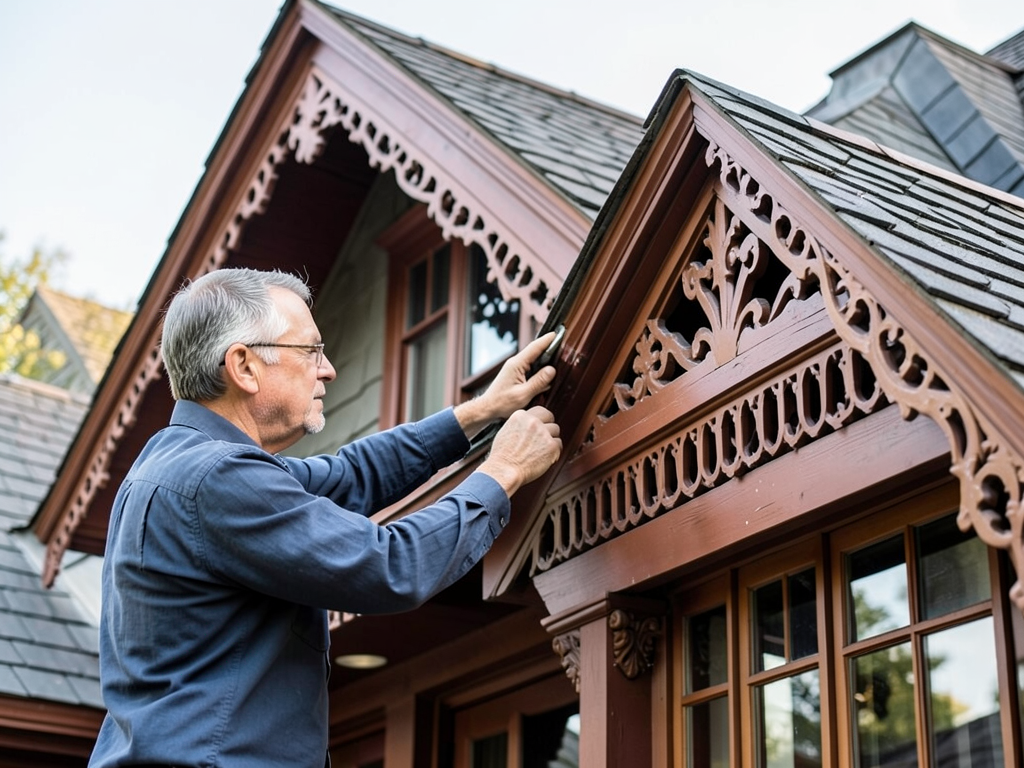
Your St. Louis Hills gingerbread-style home represents some of the finest architectural heritage in South City, with its intricate woodwork, steep gables, and distinctive rooflines that make these properties true neighborhood landmarks. These homes, built primarily between 1900 and 1930 in the 63109 zip code, require specialized roof maintenance to preserve their character and protect your investment. The unique combination of ornate detailing, high-pitched roofs, and the area’s challenging weather patterns means standard roofing approaches won’t protect these architectural treasures properly. St. Louis historic preservation guidelines.
The mature oak canopy throughout St. Louis Hills creates beautiful shade but also presents specific challenges for gingerbread house roofs. Falling debris, trapped moisture, and limited sun exposure can accelerate deterioration of delicate architectural features. Additionally, the freeze-thaw cycles common to the Missouri climate, combined with the area’s clay soil foundation shifts, create stress points that can compromise even well-maintained roofs over time.
Proper maintenance of your gingerbread house roof isn’t just about preventing leaks—it’s about preserving the craftsmanship that makes your home special. From the decorative bargeboards to the intricate fascia details, each element requires careful attention to maintain both structural integrity and historical accuracy. Understanding the specific needs of your St. Louis Hills property will help you avoid costly repairs and ensure your home remains a neighborhood treasure for generations. Who to Call for 24 Hour Roof Repairs Anywhere in St. Louis.
Understanding the Unique Architecture of St. Louis Hills Gingerbread Homes
Gingerbread houses in St. Louis Hills showcase distinctive features that require specialized maintenance approaches. The steep roof pitches, often ranging from 8:12 to 12:12, create dramatic visual impact but also concentrate water flow and increase wind exposure. These architectural elements demand careful inspection of valley flashing, ridge caps, and the numerous intersecting roof planes that characterize these homes.
The decorative woodwork that gives these homes their name—bargeboards, fascia brackets, and ornate trim—requires different care than standard roofing materials. Many of these wooden elements are exposed to the elements and can deteriorate if not properly maintained. The integration between roof and decorative elements creates potential water infiltration points that require regular monitoring and prompt repair when issues arise. Reliable Roofing Services for Your Affton Home or Rental Property.
St. Louis Hills’ mature tree canopy, particularly the massive oak trees along streets like Jamieson Avenue and Tamm Avenue, creates additional maintenance considerations. Falling acorns, twigs, and leaves accumulate in roof valleys and decorative features, trapping moisture against wooden surfaces. This organic debris, combined with the area’s high humidity, creates ideal conditions for moss and algae growth that can damage both roofing materials and architectural details.
Seasonal Maintenance Schedule for St. Louis Hills Properties
Following a seasonal maintenance schedule helps protect your gingerbread house roof from the specific challenges each season brings to South City properties. This proactive approach prevents minor issues from becoming major structural problems and helps maintain your home’s historical integrity.
- Spring Inspection and Cleaning
After winter’s harsh conditions, inspect for ice dam damage, check flashing around chimneys and valleys, and clean debris from roof surfaces and gutters. Look for missing or damaged shingles, particularly on the north-facing slopes where snow lingers longest.
- Summer Maintenance
Address any winter damage, check ventilation systems, and inspect for algae or moss growth in shaded areas. The summer months provide ideal conditions for repairs and preventive treatments.
- Fall Preparation
Clear leaves and debris from valleys and gutters, inspect flashing before winter, and ensure proper attic ventilation to prevent ice dam formation. Pay special attention to areas near mature trees.
- Winter Protection
Monitor for ice dam formation, ensure gutters remain clear of ice, and check attic insulation to prevent heat loss that contributes to ice dam problems. Watch for excessive snow accumulation on steep roof sections.
Common Weather Challenges for St. Louis Hills Roofs
The St. Louis Hills area faces specific weather patterns that impact gingerbread house roofs differently than standard residential properties. Understanding these challenges helps you prepare for and prevent weather-related damage.
Spring hail storms, common in the South City area, can damage delicate architectural features and roofing materials. The combination of steep roof pitches and ornate detailing creates numerous vulnerable points where hail impact can cause both immediate damage and create pathways for future water infiltration. After any significant hail event, professional inspection of these vulnerable areas becomes essential. Fixing Wind and Storm Damage Before It Ruins Your St. Louis Home.
Winter ice dam formation poses particular risks for gingerbread houses due to their complex roof geometries and multiple valleys. When warm air from poorly insulated attics melts snow on roof surfaces, the water refreezes at eaves and valleys, creating ice dams that force water under shingles and into decorative woodwork. This freeze-thaw cycle can cause significant damage to both roofing materials and the intricate architectural details that make these homes special.
Summer humidity in St. Louis Hills, often exceeding 70% during July and August, creates conditions for algae and moss growth on north-facing roof surfaces and shaded areas. These organisms retain moisture against roofing materials and decorative woodwork, accelerating deterioration. The mature tree canopy that provides neighborhood charm also limits sun exposure, extending the time surfaces remain damp and promoting biological growth.
Essential Maintenance for Slate and Tile Roofs Common in Historic Homes
Many St. Louis Hills gingerbread houses feature slate or clay tile roofing, materials that require specialized maintenance knowledge. These premium roofing materials offer exceptional longevity but demand careful handling and specific maintenance procedures to preserve their integrity.
Slate roof maintenance requires understanding the material’s unique properties. Individual slates can last 75-100 years, but the underlying components—flashing, underlayment, and fasteners—typically need replacement every 20-30 years. The weight of slate also means your home’s structure must be evaluated before any major repairs or replacements to ensure it can support the load. High Quality Roof Replacements for Creve Coeur Properties.
Clay tile roofs, another premium option in historic St. Louis Hills homes, require different maintenance considerations. The curved surfaces and overlapping installation create numerous potential water infiltration points. Regular inspection of tile condition, particularly after severe weather, helps identify cracked or shifted tiles before they allow water damage to occur. The mortar used in tile installations also requires periodic maintenance to prevent deterioration at ridge lines and valleys.
Both slate and tile roofs benefit from professional cleaning using methods that don’t damage the roofing material. High-pressure washing can destroy the protective patina on slate or crack clay tiles, so specialized low-pressure cleaning techniques are essential. This cleaning also provides opportunity to inspect the roof’s condition and identify potential issues before they become major problems.
Flashing and Chimney Maintenance for Historic Properties
Flashing systems in gingerbread houses require special attention due to the numerous roof penetrations and architectural features that create potential water infiltration points. The complex roof geometry of these homes means there are more flashing intersections than in standard construction, each representing a potential failure point.
Chimney flashing deserves particular attention in St. Louis Hills homes, where many properties feature decorative masonry chimneys that are integral to the home’s architectural character. The freeze-thaw cycles common to Missouri weather can cause mortar deterioration and flashing separation, allowing water to penetrate into both the chimney structure and the roof system. Regular inspection of chimney flashing, including the counter-flashing that integrates with the masonry, helps prevent costly water damage.
Valley flashing in gingerbread houses often requires custom fabrication to accommodate the unique roof geometry and maintain historical accuracy. The steep pitches and multiple intersecting planes create valleys that concentrate water flow, making proper flashing installation and maintenance critical. Copper flashing, while more expensive initially, often proves the best long-term solution for these high-stress areas due to its durability and ability to be soldered for watertight seams.
Step flashing around dormers, bay windows, and other architectural projections requires careful inspection, as these areas experience significant movement due to thermal expansion and foundation settling common in St. Louis Hills’ clay soil conditions. The integration between flashing and decorative elements must be maintained to prevent water infiltration while preserving the home’s historical character.
Gutter Systems and Drainage for Mature Tree Neighborhoods
The mature oak canopy throughout St. Louis Hills creates beautiful streetscapes but presents unique challenges for gutter systems on gingerbread houses. The combination of falling leaves, acorns, and twigs can quickly overwhelm standard gutter configurations, particularly on homes with complex rooflines and multiple downspouts.. Read more about Managing Shared Rooflines and Repairs for Lindenwood Park Duplexes.
Oversized gutters and commercial-grade downspouts often provide the best solution for properties in heavily treed areas. The increased capacity handles heavy debris loads and prevents overflow during intense spring and summer thunderstorms common to South City. Gutter guards can help reduce maintenance frequency, but must be selected carefully to avoid detracting from the home’s historical character.
Downspout placement requires strategic planning to protect both the home’s foundation and its historical features. The mature trees in St. Louis Hills often limit where downspouts can be positioned without damaging root systems or creating trip hazards on sidewalks. French drains or underground drainage systems can help manage water volume while maintaining the property’s aesthetic appeal.
Regular gutter cleaning becomes essential in neighborhoods with mature tree canopies. Professional cleaning at least twice annually—once in late fall after leaves drop and again in early spring—helps prevent water damage to fascia boards, soffits, and the decorative woodwork that characterizes gingerbread houses. The cost of regular maintenance typically proves far less expensive than repairing water damage to historical architectural features.
Professional Inspection Protocols for Historic Homes
Professional roof inspections for gingerbread houses require specialized knowledge of both roofing systems and historical architecture. The inspection process must evaluate not just the roofing materials but also the condition of decorative elements, flashing systems, and the integration between roof and architectural features.
Using moisture meters and thermal imaging during inspections helps identify water infiltration points that might not be visible from ground level or during casual observation. These diagnostic tools can detect moisture trapped behind decorative elements or within roof structures, allowing for early intervention before significant damage occurs. The investment in professional diagnostic equipment often pays for itself through early problem detection.
Documentation of roof condition through detailed photography and written reports provides valuable baseline information for future maintenance planning. This documentation becomes particularly important for historic properties where maintaining historical accuracy in repairs and replacements is essential. Before-and-after photos of repairs also help track the effectiveness of maintenance procedures over time.. Read more about Efficient Roof Replacement Strategies for Shrewsbury Mid Century Bungalows.
Working with contractors who understand historical preservation guidelines ensures that maintenance and repair work maintains the home’s architectural integrity. Many St. Louis Hills properties fall within historic districts or have architectural significance that requires specific approaches to repairs and modifications. Professional contractors familiar with these requirements can navigate the permitting process and ensure compliance with local preservation guidelines.
Energy Efficiency Considerations for Historic Roofs
Improving energy efficiency in gingerbread houses requires balancing modern performance requirements with historical preservation. The steep roof pitches and complex geometries of these homes create unique opportunities for energy improvements while maintaining architectural character.
Attic insulation upgrades can significantly improve energy performance without altering visible roof elements. Modern insulation materials can be installed to meet current energy codes while preserving the home’s historical appearance. Proper attic ventilation becomes particularly important in gingerbread houses to prevent moisture accumulation that can damage both roofing materials and decorative elements.
Reflective roofing materials or cool roof coatings can reduce heat gain during St. Louis Hills’ hot summers while maintaining the home’s historical appearance. These energy-saving options must be selected carefully to ensure they don’t detract from the property’s architectural character or violate historic district guidelines. Some historic districts have specific requirements regarding roofing materials and colors.
Solar panel installation on gingerbread houses presents unique challenges due to the steep roof pitches and decorative elements. While some homeowners successfully integrate solar technology, the installation must be designed to minimize visual impact and preserve the home’s historical character. Ground-mounted solar systems sometimes provide better alternatives for maintaining historical integrity while achieving energy efficiency goals. Why Ladue Homeowners Trust These Specialized Roofing Contractors.
Insurance and Value Protection for Historic Properties
Maintaining your gingerbread house roof properly directly impacts your home’s insurance coverage and property value. Insurance companies often require documentation of regular maintenance and professional inspections for historic properties, and some policies include specific requirements for roofing systems on architecturally significant homes.
The replacement cost for gingerbread house roofs typically exceeds standard residential properties due to the specialized materials, skilled labor, and attention to historical detail required. Understanding your insurance coverage limits and ensuring adequate coverage for both the roofing system and the decorative elements protects your investment in case of major damage from storms or other disasters.
Professional documentation of roof maintenance and repairs can support insurance claims and potentially reduce premiums through demonstrated risk reduction. Many insurance companies offer premium discounts for homes with documented regular maintenance programs, particularly for historic properties where proper maintenance significantly reduces the risk of major damage.
The curb appeal and historical significance of well-maintained gingerbread houses in St. Louis Hills often translates to higher property values and faster sales when properties come to market. The investment in proper roof maintenance typically returns value through both preserved property condition and enhanced marketability, making it a wise financial decision beyond just protecting your home from weather damage.
Frequently Asked Questions
How often should I have my gingerbread house roof inspected?
Professional inspection of historic gingerbread house roofs should occur annually, with additional inspections recommended after severe weather events. The complex roof geometry and numerous architectural features require expert evaluation to identify potential issues before they cause significant damage.
What are the signs that my historic roof needs immediate attention?
Water stains on interior ceilings, missing or damaged decorative elements, visible sagging in roof sections, and excessive debris accumulation in roof valleys indicate immediate need for professional evaluation. The intricate details of gingerbread houses can hide water damage until it becomes severe.
Can I use modern roofing materials on my historic home?
Modern materials can sometimes be used if they maintain the home’s historical appearance and meet local preservation guidelines. However, many historic districts require materials that match the original construction, and some modern materials may not provide the same longevity or aesthetic appeal as traditional options.
How much does professional maintenance for a gingerbread house roof typically cost?
Professional maintenance for historic gingerbread house roofs typically ranges from $800 to $2,500 annually, depending on roof size, complexity, and the specific services required. This investment typically proves far less expensive than emergency repairs or major restoration work.
Should I attempt DIY maintenance on my historic roof?
DIY maintenance on historic roofs carries significant risks due to the steep pitches, delicate architectural details, and specialized knowledge required. Professional contractors have the equipment, experience, and insurance necessary to work safely on these complex structures while preserving their historical integrity.
Protect Your St. Louis Hills Architectural Treasure
Your gingerbread house represents a significant investment in both financial and historical terms. The specialized maintenance requirements of these homes demand professional expertise to ensure proper care while preserving their architectural character. From the intricate decorative elements to the complex roof geometry, every aspect requires attention from contractors who understand both roofing systems and historical preservation.
The mature tree canopy, challenging weather patterns, and unique architectural features of St. Louis Hills properties create maintenance requirements that differ significantly from standard residential roofing. Professional contractors familiar with these specific challenges can develop maintenance programs that protect your investment while maintaining the historical integrity that makes your home special.
Don’t wait until minor issues become major problems that threaten your home’s structural integrity or historical character. Professional inspection and maintenance programs provide peace of mind while protecting your investment in this architectural treasure. The cost of regular maintenance typically proves far less expensive than emergency repairs or major restoration work required when problems go unaddressed.
Call (314) 417-7774 today to schedule your comprehensive gingerbread house roof inspection. Our team understands the unique requirements of St. Louis Hills historic properties and can develop a maintenance program that protects your home while preserving its architectural character. Don’t let weather damage or neglect compromise your investment in this neighborhood landmark.
Pick up the phone and call (314) 417-7774 before the next storm hits. Our emergency response team is ready to address any immediate concerns and can provide professional assessment of your roof’s current condition. Protect your St. Louis Hills gingerbread house with the expert care it deserves.
Remember, proper maintenance of your historic roof isn’t just about preventing leaks—it’s about preserving a piece of St. Louis architectural heritage for future generations to enjoy. Your investment in professional care today protects your home’s value and character for years to come. For more information, visit National Park Service historic preservation guidelines.
{
“@context”: “https://schema.org”,
“@type”: “BlogPosting”,
“headline”: “Keeping Your St. Louis Hills Gingerbread House Roof in Perfect Condition”,
“description”: “Expert guide to maintaining historic St. Louis Hills gingerbread-style homes. Learn seasonal maintenance, weather protection, and preservation tips for your architectural gem.”,
“wordCount”: 2800,
“datePublished”: “2026-04-16T13:45:00.000Z”,
“dateModified”: “2026-04-16T13:45:00.000Z”,
“inLanguage”: “en-US”,
“mainEntityOfPage”: {
“@type”: “WebPage”,
“@id”: “https://pioneerroofingstlouis.com”
},
“publisher”: {
“@type”: “LocalBusiness”,
“name”: “Pioneer Roofing St. Louis”,
“url”: “https://pioneerroofingstlouis.com”
},
“author”: {
“@type”: “Organization”,
“name”: “Pioneer Roofing St. Louis”,
“url”: “https://pioneerroofingstlouis.com”
},
“image”: {
“@type”: “ImageObject”,
“url”: “https://pioneerroofingstlouis.com/wp-content/uploads/2026/03/keeping-your-st-louis-hills-gingerbread-house-roof-1.png”
}
}
{
“@context”: “https://schema.org”,
“@type”: “RoofingContractor”,
“name”: “Pioneer Roofing St. Louis”,
“url”: “https://pioneerroofingstlouis.com”,
“address”: {
“@type”: “PostalAddress”,
“addressLocality”: “St. Louis”
},
“areaServed”: {
“@type”: “City”,
“name”: “St. Louis”
}
}
{
“@context”: “https://schema.org”,
“@type”: “FAQPage”,
“mainEntity”: [
{
“@type”: “Question”,
“name”: “How often should I have my gingerbread house roof inspected?”,
“acceptedAnswer”: {
“@type”: “Answer”,
“text”: “Professional inspection of historic gingerbread house roofs should occur annually, with additional inspections recommended after severe weather events. The complex roof geometry and numerous architectural features require expert evaluation to identify potential issues before they cause significant damage.”
}
},
{
“@type”: “Question”,
“name”: “What are the signs that my historic roof needs immediate attention?”,
“acceptedAnswer”: {
“@type”: “Answer”,
“text”: “Water stains on interior ceilings, missing or damaged decorative elements, visible sagging in roof sections, and excessive debris accumulation in roof valleys indicate immediate need for professional evaluation. The intricate details of gingerbread houses can hide water damage until it becomes severe.”
}
},
{
“@type”: “Question”,
“name”: “Can I use modern roofing materials on my historic home?”,
“acceptedAnswer”: {
“@type”: “Answer”,
“text”: “Modern materials can sometimes be used if they maintain the home’s historical appearance and meet local preservation guidelines. However, many historic districts require materials that match the original construction, and some modern materials may not provide the same longevity or aesthetic appeal as traditional options.”
}
},
{
“@type”: “Question”,
“name”: “How much does professional maintenance for a gingerbread house roof typically cost?”,
“acceptedAnswer”: {
“@type”: “Answer”,
“text”: “Professional maintenance for historic gingerbread house roofs typically ranges from $800 to $2,500 annually, depending on roof size, complexity, and the specific services required. This investment typically proves far less expensive than emergency repairs or major restoration work.”
}
},
{
“@type”: “Question”,
“name”: “Should I attempt DIY maintenance on my historic roof?”,
“acceptedAnswer”: {
“@type”: “Answer”,
“text”: “DIY maintenance on historic roofs carries significant risks due to the steep pitches, delicate architectural details, and specialized knowledge required. Professional contractors have the equipment, experience, and insurance necessary to work safely on these complex structures while preserving their historical integrity.”
}
}
]
}
{
“@context”: “https://schema.org”,
“@type”: “HowTo”,
“name”: “Seasonal Roof Maintenance Schedule”,
“step”: [
{
“@type”: “HowToStep”,
“position”: 1,
“name”: “Spring Inspection and Cleaning”,
“text”: “After winter’s harsh conditions, inspect for ice dam damage, check flashing around chimneys and valleys, and clean debris from roof surfaces and gutters. Look for missing or damaged shingles, particularly on the north-facing slopes where snow lingers longest.”
},
{
“@type”: “HowToStep”,
“position”: 2,
“name”: “Summer Maintenance”,
“text”: “Address any winter damage, check ventilation systems, and inspect for algae or moss growth in shaded areas. The summer months provide ideal conditions for repairs and preventive treatments.”
},
{
“@type”: “HowToStep”,
“position”: 3,
“name”: “Fall Preparation”,
“text”: “Clear leaves and debris from valleys and gutters, inspect flashing before winter, and ensure proper attic ventilation to prevent ice dam formation. Pay special attention to areas near mature trees.”
},
{
“@type”: “HowToStep”,
“position”: 4,
“name”: “Winter Protection”,
“text”: “Monitor for ice dam formation, ensure gutters remain clear of ice, and check attic insulation to prevent heat loss that contributes to ice dam problems. Watch for excessive snow accumulation on steep roof sections.”
}
],
“image”: “https://pioneerroofingstlouis.com/wp-content/uploads/2026/03/keeping-your-st-louis-hills-gingerbread-house-roof-1.png”
}
{
“@context”: “https://schema.org”,
“@type”: “BreadcrumbList”,
“itemListElement”: [
{
“@type”: “ListItem”,
“position”: 1,
“name”: “Home”,
“item”: “https://pioneerroofingstlouis.com”
},
{
“@type”: “ListItem”,
“position”: 2,
“name”: “Blog”,
“item”: “https://pioneerroofingstlouis.com/blog”
},
{
“@type”: “ListItem”,
“position”: 3,
“name”: “Keeping Your St. Louis Hills Gingerbread House Roof in Perfect Condition”
}
]
}
{
“@context”: “https://schema.org”,
“@type”: “Service”,
“serviceType”: “Roofing”,
“provider”: {
“@type”: “LocalBusiness”,
“name”: “Pioneer Roofing St. Louis”,
“url”: “https://pioneerroofingstlouis.com”
},
“areaServed”: {
“@type”: “City”,
“name”: “St. Louis”
},
“description”: “Expert guide to maintaining historic St. Louis Hills gingerbread-style homes. Learn seasonal maintenance, weather protection, and preservation tips for your architectural gem.”
}