
Managing Heavy Rainfall and Better Drainage for Soulard Flat Roofs
Flat roofs in Soulard face unique challenges during Missouri’s intense thunderstorms. Water pooling on your roof after heavy rain can cause structural damage and expensive repairs. This guide explains proven drainage solutions that work specifically for Soulard’s historic flat-roof buildings and the local weather patterns that stress them. Fixing Wind and Storm Damage Before It Ruins Your St. Louis Home.
Why Soulard Flat Roofs Need Specialized Drainage
Soulard’s mix of historic warehouses and residential buildings creates a concentration of flat roofs that struggle during St. Louis’s spring and summer storms. The neighborhood sits in a low-lying area near the Mississippi River, where water naturally collects. Combined with Missouri’s 40-inch annual rainfall and rapid freeze-thaw cycles, these roofs need more than basic drainage systems.
Many Soulard buildings date back to the late 1800s with original flat roof designs that weren’t built for today’s storm intensity. Modern building codes require specific overflow provisions, but older structures often lack these critical safety features. The result is water that sits for days after heavy rain, breaking down roofing materials and threatening the building’s structural integrity. Reliable Roofing Services for Your Affton Home or Rental Property.
The Danger of Ponding Water on St. Louis Flat Roofs
Ponding water becomes a serious problem when it sits on your roof for more than 48 hours. In St. Louis’s humid climate, this water creates the perfect environment for algae and mold growth. The weight of standing water also stresses roof decks, especially in older Soulard buildings where structural members may already be compromised.
Missouri’s temperature swings make ponding water even more destructive. Water freezes and expands during winter, pushing against roofing membranes and creating cracks. When it thaws, water seeps deeper into these cracks. This freeze-thaw cycle repeats throughout the season, gradually destroying your roof’s waterproofing layer. How to Navigate a Roofing Insurance Claim After a St. Louis Hail Storm.
The 48-hour rule comes from building code requirements that classify standing water as a defect. Under the International Building Code adopted by St. Louis County, flat roofs must be designed to shed water within this timeframe. Water that remains longer indicates a drainage problem that needs immediate attention. International Building Code Section 1503.
4 Primary Flat Roof Drainage Systems
Choosing the right drainage system depends on your building’s size, roof layout, and local weather conditions. Each system has specific advantages for handling St. Louis’s heavy rainfall patterns.
Interior Drains
Interior drains sit flush with the roof surface and connect to internal piping. These work well for large commercial buildings and multi-unit residential structures common in Soulard. The drains collect water through a strainer that prevents debris from entering the system.
Interior drains excel at handling large volumes of water during heavy storms. They keep the roof surface clear and prevent water from reaching the building’s edge. However, they require regular maintenance to prevent clogs from leaves and debris that accumulate in St. Louis’s mature tree canopy.
Scuppers
Scuppers are openings cut through parapet walls that allow water to drain off the roof edge. They’re cost-effective for smaller buildings and work well in Soulard’s historic district where exterior modifications need to maintain architectural integrity.
Scuppers require properly sized overflow drains to prevent wall damage during extreme rainfall. In St. Louis, where thunderstorms can dump several inches of rain in an hour, secondary overflow scuppers become essential. Without them, water backs up and can seep through walls or cause interior damage.
Gutter and Downspout Systems
Gutters collect water along roof edges and channel it through downspouts. This system works for both residential and commercial buildings, though it requires more maintenance in areas with heavy tree cover like many St. Louis neighborhoods.
Gutters need to be sized for local rainfall intensity. St. Louis experiences rainfall rates that can exceed 4 inches per hour during severe thunderstorms. Standard residential gutters often can’t handle these volumes, leading to overflow and foundation damage.
Siphonic Drainage Systems
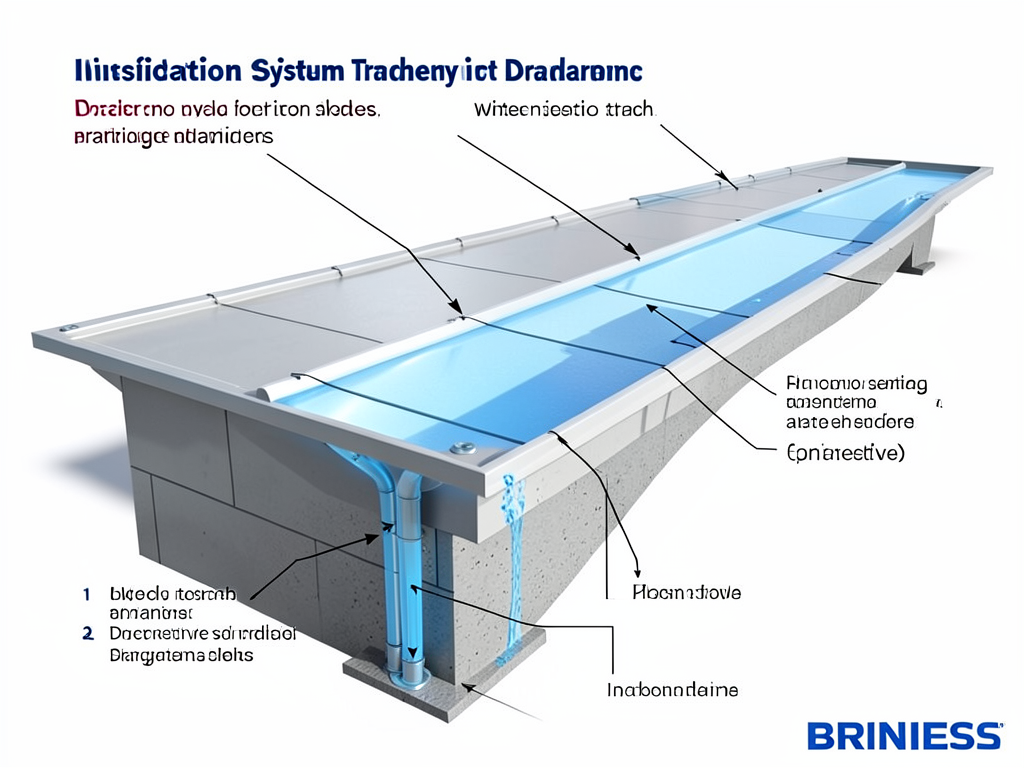
Siphonic systems use engineered fittings to create a vacuum effect that rapidly removes water from the roof. These high-capacity systems can handle extreme rainfall events and are increasingly popular for commercial buildings in the St. Louis area.
The siphonic principle allows these systems to drain at full capacity with minimal slope. This makes them ideal for retrofitting older buildings where adding slope isn’t practical. However, they require precise engineering and professional installation to function correctly.
| Drainage System | Best For | Maintenance Needs | Cost Range |
|---|---|---|---|
| Interior Drains | Large commercial buildings | High – quarterly cleaning | $15-25 per square foot |
| Scuppers | Historic buildings | Medium – bi-annual inspection | $8-12 per linear foot |
| Gutters/Downspouts | Residential properties | High – seasonal cleaning | $10-18 per linear foot |
| Siphonic Systems | High-capacity needs | Low – annual inspection | $20-30 per square foot |
Comparing Costs and Efficiency
Installation costs vary significantly based on building access, existing conditions, and system complexity. Interior drains require cutting into the roof structure and running pipes through occupied spaces. Scuppers need parapet wall modifications. Gutter systems require extensive exterior work and proper anchoring to handle ice loads.
Efficiency ratings show how quickly each system can remove water. Siphonic systems handle the highest volumes but cost the most upfront. Interior drains offer good capacity with moderate costs. Scuppers and gutters work well for smaller buildings but may struggle during extreme events.
Long-term costs include maintenance, repairs, and potential water damage from system failures. A cheap system that fails during a major storm often costs more than a properly engineered solution over the building’s lifetime. Who to Call for 24 Hour Roof Repairs Anywhere in St. Louis.
Addressing St. Louis Specific Challenges
Missouri’s climate creates unique drainage problems that generic solutions don’t address. The combination of heavy spring rains, summer thunderstorms, and winter ice storms requires systems designed for multiple failure modes.
Ice dams form when snow melts on warm roof areas and refreezes at cold eaves. This creates barriers that force water under roofing materials. St. Louis’s freeze-thaw cycles make ice dams particularly problematic. Proper drainage design includes heat cables and adequate insulation to prevent this cycle.
Local vegetation creates debris problems specific to St. Louis. Oak and maple trees common in Soulard drop leaves that clog drains and gutters. Pine needles from evergreens create mat-like blockages that trap water. Regular cleaning becomes essential, especially after fall leaf drop and spring seed pod season.
The Metropolitan St. Louis Sewer District (MSD) requires commercial properties to manage stormwater runoff to prevent sewer system overload. This means drainage systems must handle 100-year storm events and include detention provisions when necessary. Residential properties in combined sewer areas face similar requirements. Metropolitan St. Louis Sewer District.
Tapered Insulation: The ‘Hidden’ Drainage Solution
Tapered insulation creates artificial slopes on flat roofs without structural modifications. This system uses foam panels cut at specific angles to direct water toward drains. The taper typically ranges from 1/8 inch per foot to 1/4 inch per foot.
The insulation serves dual purposes: creating slope and providing thermal protection. In St. Louis’s climate, this combination helps prevent both ponding and ice dam formation. The tapered system works with any drainage type, making it versatile for retrofits.
Installation requires careful planning to ensure water flows to the intended collection points. Poor design can create new ponding areas or direct water toward building walls. Professional layout using CAD software prevents these problems.
Tapered systems cost more upfront than flat insulation but often pay for themselves through reduced maintenance and extended roof life. The improved drainage prevents many problems that require expensive repairs.
Maintenance Checklist for Property Managers
Regular maintenance prevents most drainage failures. A seasonal schedule catches problems before they cause damage. Property managers should inspect systems at least quarterly, with additional checks after major storms.
Spring maintenance focuses on clearing winter debris and checking for freeze damage. Ice can crack pipes and separate joints. All strainers and grates need cleaning to handle spring rains. Check overflow drains for blockages that could cause flooding.
Summer inspections verify that primary drains work at full capacity. Heavy thunderstorms test the system’s design limits. Look for signs of overflow, such as water stains on walls or ceiling leaks. Clean gutters and downspouts to handle tropical storm remnants that occasionally affect Missouri.
Fall maintenance prepares for leaf season. Install gutter guards where appropriate and increase cleaning frequency. Check roof surfaces for ponding that indicates drainage problems. Clear all scupper openings and verify that overflow systems function.
Winter preparation includes installing heat cables in ice-prone areas and verifying that insulation protects pipes from freezing. Check that roof access remains clear for emergency maintenance during storms.
- Visual Inspection
Walk the roof perimeter looking for standing water, debris accumulation, and damaged components. Check for rust on metal parts and cracks in drain bowls.
- Flow Testing
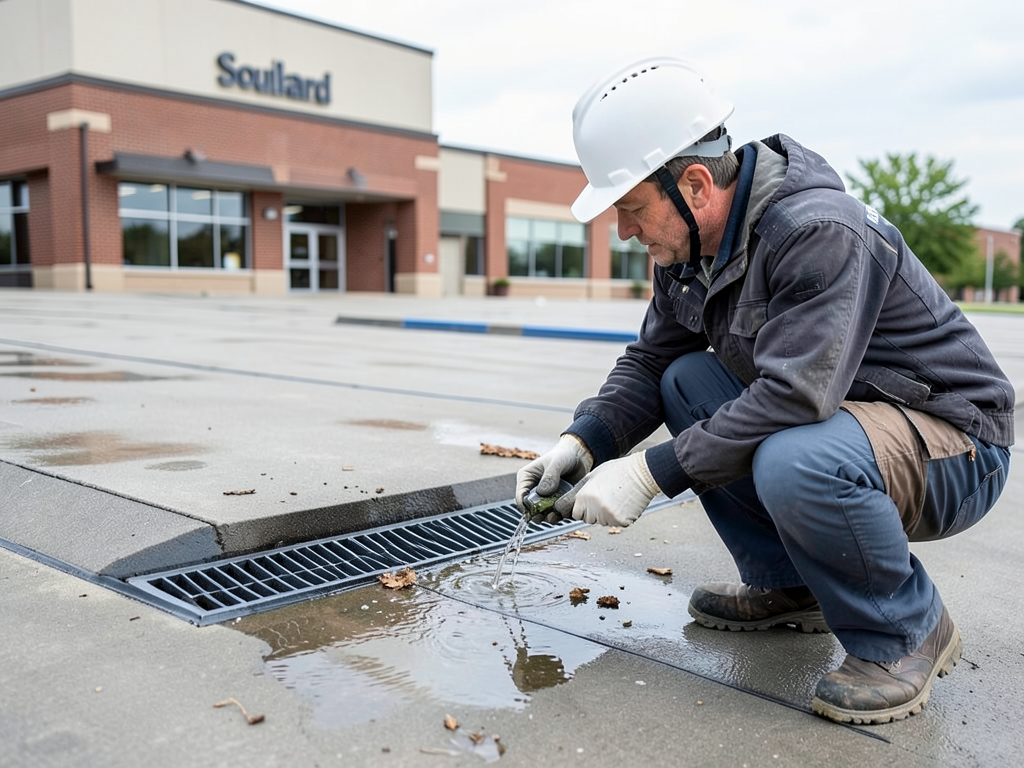
Pour water near drains to verify they work properly. Water should disappear within minutes, not hours. Slow drainage indicates partial blockages.
- Overflow Verification
Locate all overflow drains and ensure they’re clear. Pour water to test that they activate when primary drains are overwhelmed.
Emergency Overflow Drains
Building codes require overflow provisions for flat roofs. These secondary drains activate when primary systems can’t handle water volume. In St. Louis, where thunderstorms can produce extreme rainfall rates, properly designed overflows prevent catastrophic failures.
Overflow drains typically sit 2-4 inches above the primary drain level. When water reaches this height, it spills into the overflow, preventing roof collapse from water weight. The overflow must direct water away from the building to prevent foundation damage.
Many older Soulard buildings lack adequate overflow provisions. Adding these drains often requires structural modifications but provides essential protection. The cost of installation is minimal compared to potential water damage from system failure.
Emergency overflow systems should include alarms that alert building managers when water reaches critical levels. Early warning allows intervention before damage occurs. These systems prove especially valuable for buildings with valuable contents or critical operations.
Preventative Maintenance and Cleaning
Preventative maintenance costs far less than emergency repairs. A regular cleaning schedule prevents most drainage failures. The frequency depends on local conditions, with buildings near trees requiring more frequent service.
Professional cleaning includes removing all debris from drains, gutters, and scuppers. Technicians also check for damage and make minor repairs. They verify that all components function correctly and that water flows as designed.
Many drainage problems develop gradually. Small debris accumulations restrict flow over time. Regular maintenance catches these issues before they cause failures. The cost of quarterly cleaning often equals one emergency service call.
Documentation proves valuable for insurance claims and building maintenance records. Keep logs of all inspections, cleanings, and repairs. Photos showing system condition help track deterioration and justify replacement timing.
St. Louis Building Code Compliance
St. Louis County follows the International Building Code with local amendments. The code requires specific drainage provisions for flat roofs, including overflow drains, minimum slopes, and load calculations for water weight.
Section 1503 of the IBC addresses roof drainage requirements. It mandates that roof areas drain to approved locations and that overflow drains protect against structural failure. The code also requires calculations showing the system can handle local rainfall intensity.
MSD regulations add another layer of requirements for commercial properties. These focus on stormwater management and sewer system protection. Compliance often requires engineering studies and permits before installation.
Historic districts like Soulard may have additional restrictions on visible modifications. Scupper and gutter designs must match historical patterns. Interior drain installations need careful planning to avoid damaging historic structures.
Building permits require drainage plans showing system layout, pipe sizes, and overflow provisions. Plans must demonstrate compliance with all applicable codes. Professional engineering stamps may be required for complex systems.
Choosing the Right Contractor
Flat roof drainage requires specialized knowledge. Not all roofing contractors understand the complexities of proper drainage design. Look for contractors with specific experience in flat roof systems and local building codes.
Ask potential contractors about their experience with similar buildings in Soulard. Request references from local property managers. Verify that they understand MSD requirements and can obtain necessary permits.
Professional contractors use moisture meters and thermal imaging to diagnose existing problems. They should provide detailed proposals with system layouts and calculations. Avoid contractors who recommend solutions without understanding your specific building conditions.
Insurance and licensing protect you from liability. Verify that contractors carry both general liability and workers’ compensation insurance. Check that they hold proper licenses for your jurisdiction.
Quality contractors provide warranties on both materials and workmanship. Read warranty terms carefully. Some exclude damage from specific causes or require regular maintenance to remain valid. High Quality Roof Replacements for Creve Coeur Properties.
Emergency Response Planning
Even well-designed systems can fail during extreme events. Having an emergency response plan minimizes damage when problems occur. The plan should identify shut-off valves, emergency contacts, and temporary repair procedures.
Keep emergency repair materials on site, including tarps, sealants, and temporary patches. Train maintenance staff on basic emergency procedures. Know when to call professionals versus attempting temporary fixes.
Document all emergency responses and repairs. This information helps improve system design and prevents repeat failures. Insurance companies often require documentation of emergency procedures for coverage.
Consider installing water sensors that alert you to drainage problems. Early detection allows intervention before significant damage occurs. These systems prove especially valuable for buildings with valuable contents or critical operations.
Cost-Benefit Analysis
Quality drainage systems represent a significant investment but prevent much larger losses. Water damage from drainage failures can cost tens of thousands of dollars in repairs. Insurance may not cover damage from maintenance failures or code violations.
Calculate the total cost of ownership, including installation, maintenance, and potential damage costs. Compare this to the expected lifespan of different systems. Higher quality systems often prove more economical over time.
Energy efficiency improvements from proper drainage can offset some costs. Tapered insulation that creates drainage slopes also improves thermal performance. This dual benefit makes the investment more attractive.
Property value impacts should factor into decisions. Well-maintained buildings with modern systems command higher rents and sale prices. Poor drainage can reduce property values and increase insurance costs.
Consider financing options for major upgrades. Many contractors offer payment plans that spread costs over time. Some energy efficiency improvements qualify for tax credits or utility rebates.
Frequently Asked Questions
How often should flat roof drains be cleaned in St. Louis?
Flat roof drains in St. Louis should be cleaned quarterly at minimum, with additional cleaning after major storms or during heavy leaf fall in autumn. Buildings near mature trees may need monthly cleaning during peak seasons.
What building code requirements apply to flat roof drainage in St. Louis County?
St. Louis County follows the International Building Code Section 1503, which requires overflow drains, minimum slopes of 1/4 inch per foot, and calculations for local rainfall intensity. Commercial properties must also comply with MSD stormwater management regulations.
Can I add drainage to an existing flat roof without replacing the entire roof?
Yes, tapered insulation systems can add drainage slopes without structural modifications. Interior drains can often be added by cutting into the roof deck. However, the existing roofing material must be in good condition to support these modifications.
How do I know if my flat roof has proper overflow protection?
Check for secondary drains positioned 2-4 inches above primary drains. These should direct water away from the building. If you don’t see these features, your roof likely lacks proper overflow protection and needs evaluation by a professional.
What’s the typical lifespan of a flat roof drainage system?
Quality drainage systems last 20-30 years with proper maintenance. Components like strainers and seals may need replacement every 5-10 years. The overall system lifespan depends on local weather conditions and maintenance frequency.
Don’t wait for the next big storm to discover your drainage system can’t handle Missouri’s rainfall. Call (314) 417-7774 today to schedule your inspection and protect your Soulard property from water damage.
{
“@context”: “https://schema.org”,
“@type”: “BlogPosting”,
“headline”: “Managing Heavy Rainfall and Better Drainage for Soulard Flat Roofs”,
“description”: “Protect your Soulard flat roof from ponding water and Missouri storms. Learn drainage solutions tailored to St. Louis weather and building codes.”,
“wordCount”: 2647,
“datePublished”: “2026-04-02T14:04:00.000Z”,
“dateModified”: “2026-04-02T14:04:00.000Z”,
“inLanguage”: “en-US”,
“mainEntityOfPage”: {
“@type”: “WebPage”,
“@id”: “https://pioneerroofingstlouis.com”
},
“publisher”: {
“@type”: “LocalBusiness”,
“name”: “Pioneer Roofing St. Louis”,
“url”: “https://pioneerroofingstlouis.com”
},
“author”: {
“@type”: “Organization”,
“name”: “Pioneer Roofing St. Louis”,
“url”: “https://pioneerroofingstlouis.com”
},
“image”: {
“@type”: “ImageObject”,
“url”: “https://pioneerroofingstlouis.com/wp-content/uploads/2026/03/managing-heavy-rainfall-and-better-drainage-for-so-1.png”
}
}
{
“@context”: “https://schema.org”,
“@type”: “RoofingContractor”,
“name”: “Pioneer Roofing St. Louis”,
“url”: “https://pioneerroofingstlouis.com”,
“address”: {
“@type”: “PostalAddress”,
“addressLocality”: “St. Louis”
},
“areaServed”: {
“@type”: “City”,
“name”: “St. Louis”
}
}
{
“@context”: “https://schema.org”,
“@type”: “FAQPage”,
“mainEntity”: [
{
“@type”: “Question”,
“name”: “How often should flat roof drains be cleaned in St. Louis?”,
“acceptedAnswer”: {
“@type”: “Answer”,
“text”: “Flat roof drains in St. Louis should be cleaned quarterly at minimum, with additional cleaning after major storms or during heavy leaf fall in autumn. Buildings near mature trees may need monthly cleaning during peak seasons.”
}
},
{
“@type”: “Question”,
“name”: “What building code requirements apply to flat roof drainage in St. Louis County?”,
“acceptedAnswer”: {
“@type”: “Answer”,
“text”: “St. Louis County follows the International Building Code Section 1503, which requires overflow drains, minimum slopes of 1/4 inch per foot, and calculations for local rainfall intensity. Commercial properties must also comply with MSD stormwater management regulations.”
}
},
{
“@type”: “Question”,
“name”: “Can I add drainage to an existing flat roof without replacing the entire roof?”,
“acceptedAnswer”: {
“@type”: “Answer”,
“text”: “Yes, tapered insulation systems can add drainage slopes without structural modifications. Interior drains can often be added by cutting into the roof deck. However, the existing roofing material must be in good condition to support these modifications.”
}
},
{
“@type”: “Question”,
“name”: “How do I know if my flat roof has proper overflow protection?”,
“acceptedAnswer”: {
“@type”: “Answer”,
“text”: “Check for secondary drains positioned 2-4 inches above primary drains. These should direct water away from the building. If you don’t see these features, your roof likely lacks proper overflow protection and needs evaluation by a professional.”
}
},
{
“@type”: “Question”,
“name”: “What’s the typical lifespan of a flat roof drainage system?”,
“acceptedAnswer”: {
“@type”: “Answer”,
“text”: “Quality drainage systems last 20-30 years with proper maintenance. Components like strainers and seals may need replacement every 5-10 years. The overall system lifespan depends on local weather conditions and maintenance frequency.”
}
}
]
}
{
“@context”: “https://schema.org”,
“@type”: “HowTo”,
“name”: “How to Inspect Your Flat Roof Drainage”,
“step”: [
{
“@type”: “HowToStep”,
“position”: 1,
“name”: “Visual Inspection”,
“text”: “Walk the roof perimeter looking for standing water, debris accumulation, and damaged components. Check for rust on metal parts and cracks in drain bowls.”
},
{
“@type”: “HowToStep”,
“position”: 2,
“name”: “Flow Testing”,
“text”: “Pour water near drains to verify they work properly. Water should disappear within minutes, not hours. Slow drainage indicates partial blockages.”
},
{
“@type”: “HowToStep”,
“position”: 3,
“name”: “Overflow Verification”,
“text”: “Locate all overflow drains and ensure they’re clear. Pour water to test that they activate when primary drains are overwhelmed.”
}
],
“image”: “https://pioneerroofingstlouis.com/wp-content/uploads/2026/03/managing-heavy-rainfall-and-better-drainage-for-so-1.png”
}
{
“@context”: “https://schema.org”,
“@type”: “BreadcrumbList”,
“itemListElement”: [
{
“@type”: “ListItem”,
“position”: 1,
“name”: “Home”,
“item”: “https://pioneerroofingstlouis.com”
},
{
“@type”: “ListItem”,
“position”: 2,
“name”: “Blog”,
“item”: “https://pioneerroofingstlouis.com/blog”
},
{
“@type”: “ListItem”,
“position”: 3,
“name”: “Managing Heavy Rainfall and Better Drainage for Soulard Flat Roofs”
}
]
}
{
“@context”: “https://schema.org”,
“@type”: “Service”,
“serviceType”: “Roofing”,
“provider”: {
“@type”: “LocalBusiness”,
“name”: “Pioneer Roofing St. Louis”,
“url”: “https://pioneerroofingstlouis.com”
},
“areaServed”: {
“@type”: “City”,
“name”: “St. Louis”
},
“description”: “Protect your Soulard flat roof from ponding water and Missouri storms. Learn drainage solutions tailored to St. Louis weather and building codes.”
}