
Managing Shared Rooflines and Repairs for Lindenwood Park Duplexes
Living in a duplex in Lindenwood Park means sharing more than just a property line. The roof over your head might actually be a single structure spanning both units, creating a unique set of challenges when repairs become necessary. In St. Louis, where historic brick duplexes dominate many neighborhoods, understanding how to coordinate shared roof repairs is essential for protecting your investment and maintaining good relationships with your neighbor. St. Louis Building Permits.
The first step in managing shared rooflines is recognizing that a single roof covering two units creates one unified drainage system. When heavy rains hit St. Louis or ice dams form during winter freezes, water flows across property boundaries regardless of where the leak appears. This interconnected nature means that damage to one section often affects the entire structure, making coordinated repairs not just practical but necessary. EPA Heat Island Effect.
St. Louis building codes specifically address multi-family structures through the International Residential Code with local amendments. Section R301 of the St. Louis City building code requires that shared roof structures maintain proper load distribution and drainage separation where applicable. For historic Lindenwood Park duplexes built before modern codes, these requirements often grandfather existing configurations but mandate updates during major repairs or replacements. Who to Call for 24 Hour Roof Repairs Anywhere in St. Louis.
Understanding your legal responsibilities starts with reviewing property deeds and any existing roof maintenance agreements. Many Lindenwood Park duplexes have informal arrangements that become problematic when major repairs arise. Missouri law generally holds both property owners jointly responsible for maintaining shared structures, but specific agreements can shift these obligations. Without clear documentation, disputes over who pays for what percentage of repairs can escalate quickly.
The diagnostic process for shared roof issues requires examining the entire structure rather than focusing on visible damage. Technicians use moisture meters at multiple depths to trace water migration across property lines. Thermal imaging cameras reveal temperature variations that indicate hidden leaks, while core sampling of flat roof sections shows the condition of underlying layers. This comprehensive approach prevents the common mistake of fixing only the most obvious damage while leaving systemic issues that will cause future problems. Fixing Wind and Storm Damage Before It Ruins Your St. Louis Home.
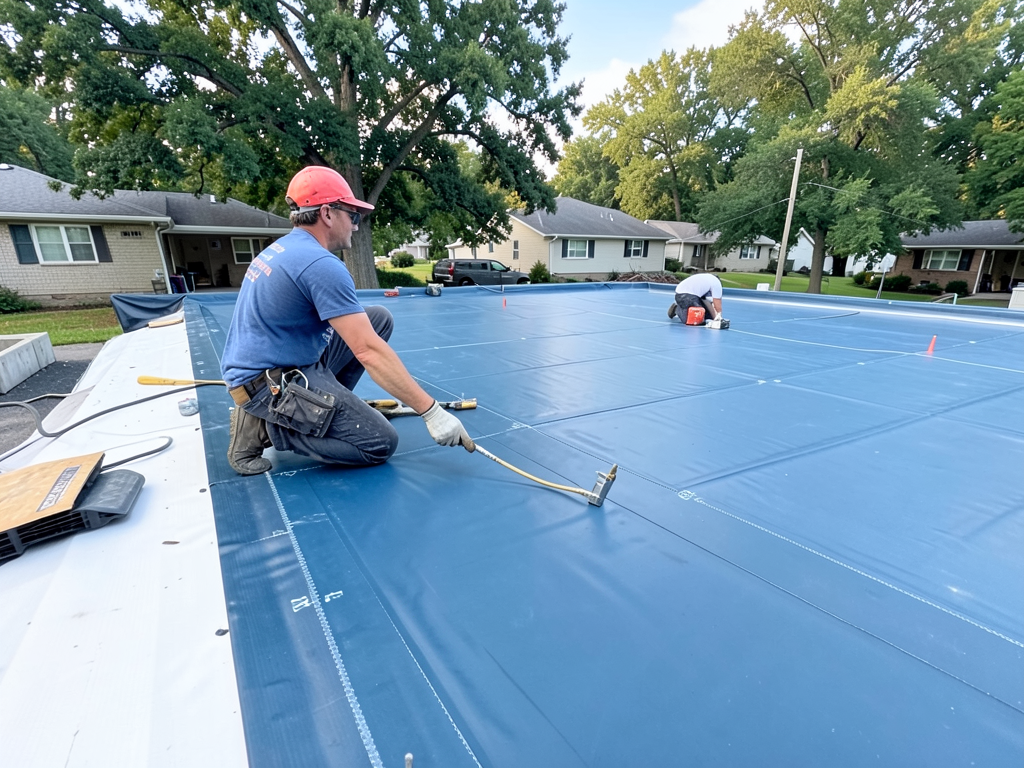
Material selection becomes more complex with shared structures. TPO and EPDM membranes work well for flat roof duplexes common in South St. Louis, offering durability against Missouri’s temperature swings. For pitched sections, architectural shingles provide better wind resistance during tornado season. The choice affects not just cost but also warranty coverage, as many manufacturers require both units to use identical materials for full warranty protection on shared structures.
Insurance coordination presents another layer of complexity. When one unit experiences storm damage, determining whether the claim covers the entire roof or just the affected portion depends on policy language and local regulations. St. Louis insurance providers often require documentation showing both owners agree to coordinated repairs before processing claims on shared structures. This requirement prevents situations where one owner’s negligence leads to damage spreading to the neighbor’s property.
Communication strategies make or break shared repair projects. Establishing a clear chain of contact, agreeing on access times, and documenting all decisions in writing prevents misunderstandings. Many successful duplex repairs in Lindenwood Park use a neutral third-party contractor to facilitate discussions between owners, ensuring technical recommendations remain objective rather than influenced by personal relationships.
The repair timeline typically extends beyond single-family projects due to coordination requirements. Weather delays affect both units simultaneously, and material deliveries must be scheduled to minimize disruption. Most duplex roof repairs in St. Louis take three to five days for flat roofs and five to seven days for pitched configurations, depending on weather conditions and the extent of coordination required.
Emergency situations require immediate action regardless of coordination status. When active leaks threaten interior damage, temporary tarping protects both units while permanent repairs are planned. St. Louis building codes allow emergency interventions without full permits, but documentation of the temporary measures becomes important for insurance and future permanent repairs.
Cost distribution often follows the principle of proportional benefit, where each owner pays based on the square footage of roof covering their unit. However, some repairs like structural reinforcement benefit the entire building equally, requiring different allocation methods. Written agreements before work begins prevent disputes over unexpected cost-sharing arrangements that arise during the project.
Maintenance responsibilities after repairs focus on preventing future issues through regular inspections. St. Louis recommends biannual roof checks, particularly after severe weather seasons. For shared structures, this means coordinating inspection schedules and sharing findings to address problems before they escalate into major repairs.
Historic preservation considerations apply to many Lindenwood Park duplexes built in the early 1900s. These structures often feature unique architectural elements like decorative parapet walls and original clay tile roofing that require specialized restoration techniques. Working with contractors experienced in historic preservation ensures repairs maintain the character while meeting modern performance standards. Reliable Roofing Services for Your Affton Home or Rental Property.
Energy efficiency upgrades during shared repairs can benefit both units through improved insulation and ventilation. Modern cool roof coatings reflect heat during St. Louis summers, while proper attic ventilation prevents ice dam formation in winter. These improvements often qualify for utility rebates, making them attractive additions to necessary repairs.
Future planning discussions should address long-term maintenance schedules and emergency protocols. Establishing a reserve fund for unexpected repairs or agreeing on a rotation for major replacements prevents financial strain when major work becomes necessary. Many successful duplex partnerships create five-year maintenance plans that distribute costs predictably. High Quality Roof Replacements for Creve Coeur Properties.
The environmental impact of shared roof repairs extends beyond individual properties. Proper disposal of old roofing materials, recycling where possible, and choosing sustainable materials reduces the carbon footprint of the project. St. Louis offers recycling programs for asphalt shingles and metal roofing, making environmentally responsible disposal easier for duplex owners.
Quality assurance for shared repairs requires inspection by both owners before final payment. This joint walkthrough ensures both parties are satisfied with the work and that no issues were overlooked due to the divided nature of the structure. Documentation of this final inspection becomes important for warranty claims and future reference.
Post-repair documentation should include warranties, maintenance schedules, and contact information for future issues. Creating a shared digital folder accessible to both owners ensures important information remains available even if ownership changes occur. This documentation proves valuable when selling either unit, as potential buyers appreciate knowing the roof’s complete history.
Call (314) 417-7774 today to schedule your inspection and get expert guidance on managing your shared roof repair project. Our team understands the unique challenges of Lindenwood Park duplexes and can help coordinate repairs that protect both units while maintaining good neighbor relationships.
Frequently Asked Questions
Who is responsible for paying for shared roof repairs in a duplex?
Responsibility typically depends on property agreements and the nature of the damage. Missouri law generally holds both owners jointly responsible for maintaining shared structures, but specific arrangements can vary. Review your property deed and any existing agreements to understand your obligations.
How long does a shared roof repair typically take in Lindenwood Park?
Most shared roof repairs take three to seven days depending on the roof type and weather conditions. Flat roof repairs generally require three to five days, while pitched roofs need five to seven days. Coordination between owners may extend the timeline slightly.
Do both owners need to be present during the repair process?
While both owners don’t need to be present at all times, clear communication and access arrangements are essential. Many successful projects designate one owner as the primary contact while ensuring both receive regular updates and have access for inspections.
Can we use different roofing materials for each unit?
Using different materials on a shared roof structure is generally not recommended and may void warranties. Most manufacturers require consistent materials across the entire roof for warranty coverage. Consult with a contractor experienced in multi-family roofing for specific recommendations.
What happens if one owner refuses to participate in necessary repairs?
If one owner refuses necessary repairs, the other owner may need to pursue legal remedies through Missouri courts. Documentation of the need for repairs and attempts to resolve the issue amicably becomes important in these situations. Some owners choose to proceed with repairs and seek reimbursement through legal channels.
Are permits required for shared roof repairs in St. Louis?
Yes, permits are typically required for major roof repairs and replacements in St. Louis. The permit process ensures work meets local building codes and safety standards. Both owners should be involved in the permit application process to ensure all requirements are met.
How can we prevent future disputes over shared roof maintenance?
Creating a written maintenance agreement that outlines responsibilities, cost-sharing arrangements, and communication protocols helps prevent future disputes. Many successful partnerships also establish a maintenance fund and schedule regular joint inspections to address issues early.
What insurance coverage is needed for shared roof structures?
Both owners should maintain adequate homeowners insurance that covers shared structures. Review your policies to understand coverage for shared roof damage and coordinate with your insurance providers about claim procedures for multi-family structures. Why Ladue Homeowners Trust These Specialized Roofing Contractors.
How do we handle emergency repairs when coordination isn’t possible?
Emergency repairs to prevent immediate damage are allowed without full coordination. However, document all emergency actions and communicate with your neighbor as soon as possible. Most St. Louis building codes allow temporary measures to prevent further damage while permanent solutions are planned.
Can energy efficiency improvements be added during shared roof repairs?
Yes, energy efficiency improvements like additional insulation or cool roof coatings can be added during shared repairs. These improvements often qualify for utility rebates and can reduce long-term energy costs for both units. Discuss these options with your contractor during the planning phase.
What documentation should we keep after shared roof repairs?
Keep all warranties, permits, inspection reports, and maintenance records in a shared digital folder accessible to both owners. This documentation proves valuable for future repairs, warranty claims, and when selling either unit. Include contact information for contractors and material specifications.
How do we handle roof repairs during extreme weather seasons?
Schedule major repairs during favorable weather seasons when possible. For emergency repairs during extreme weather, temporary protective measures take priority over permanent solutions. St. Louis building codes allow emergency interventions to prevent immediate damage, with permanent repairs scheduled when conditions improve.
What are the signs that our shared roof needs professional inspection?
Signs include visible leaks, water stains on ceilings, missing or damaged shingles, sagging areas, and excessive granule loss from asphalt shingles. For shared structures, any signs of damage in one unit warrant inspection of the entire roof system to identify potential issues affecting the other unit.
How do historic preservation requirements affect shared roof repairs?
Historic preservation requirements may limit material choices and repair methods for older duplexes in Lindenwood Park. Work with contractors experienced in historic preservation to ensure repairs maintain architectural character while meeting modern performance standards. Some improvements may require additional approvals from preservation boards.
What should we consider when selecting a contractor for shared roof repairs?
Choose contractors with experience in multi-family structures, proper licensing and insurance, and good references from similar projects. Both owners should participate in the selection process and agree on the contractor before work begins. Request detailed proposals that address the shared nature of the structure.
How can we budget for future shared roof maintenance?
Create a maintenance fund where both owners contribute regularly based on agreed-upon percentages. Many successful partnerships establish a five-year maintenance plan with predictable costs. Consider setting aside 1-2% of the property value annually for roof maintenance and future replacements.
What are the environmental considerations for shared roof repairs?
Consider recycling old roofing materials, choosing sustainable new materials, and implementing energy-efficient improvements. St. Louis offers recycling programs for asphalt shingles and metal roofing. Cool roof coatings can reduce urban heat island effects while lowering cooling costs for both units.
How do we handle warranty issues for shared roof repairs?
Ensure both owners understand warranty terms and conditions before work begins. Many manufacturers require both units to use identical materials for full warranty coverage. Document all warranty information and establish procedures for filing claims that affect the shared structure.
What communication tools work best for coordinating shared roof repairs?
Establish a shared digital folder for documents, use group messaging apps for quick communication, and schedule regular update meetings during the project. Some successful partnerships use project management tools designed for home maintenance coordination. Clear documentation of all decisions prevents future misunderstandings.
How do we prepare for potential ownership changes in shared structures?
Create agreements that address how ownership changes affect existing maintenance arrangements. Document all current agreements and ensure they transfer with property ownership. Consider including provisions for new owners to review and agree to existing maintenance schedules and cost-sharing arrangements.
What are the tax implications of shared roof repairs?
Roof repairs may be tax-deductible as maintenance expenses for rental properties, but improvements typically must be capitalized and depreciated. Consult with a tax professional about the specific implications for your situation, as tax treatment can vary based on ownership structure and property use.
How do we handle drainage issues in shared roof structures?
Proper drainage design ensures water flows away from both units without causing damage. This may require scuppers, internal drains, or modified gutter systems. Both owners should agree on drainage solutions that protect both properties and comply with St. Louis building codes.
What are the best practices for scheduling shared roof repairs?
Schedule repairs during favorable weather seasons when possible, coordinate access times that work for both owners, and establish clear communication protocols. Consider each owner’s work schedules and any planned events that might be affected by construction noise or disruption.
How do we document the condition of our shared roof before repairs?
Document existing conditions with photos, videos, and written descriptions before repairs begin. Both owners should participate in this documentation process. This baseline information proves valuable for insurance claims, warranty issues, and tracking the effectiveness of repairs over time.
What safety considerations apply to shared roof repairs?
Ensure contractors follow OSHA safety standards, use proper fall protection equipment, and protect both units from construction debris. Both owners should understand emergency procedures and have contact information for the contractor’s safety officer during the project.
How do we handle unexpected issues discovered during shared roof repairs?
Establish procedures for addressing unexpected issues before work begins. This might include agreeing on cost-sharing for unforeseen problems, setting spending limits that require mutual approval, and determining how to handle discoveries that affect only one unit but require work on the shared structure.
What are the benefits of professional coordination for shared roof repairs?
Professional coordination helps navigate complex logistics, ensures compliance with building codes, and provides objective technical guidance. Many duplex owners find that neutral third-party coordination prevents personal conflicts from affecting repair decisions and outcomes.
How do we maintain our shared roof after repairs are complete?
Establish a regular maintenance schedule with biannual inspections, clear responsibilities for routine tasks like gutter cleaning, and procedures for addressing minor issues before they become major problems. Document all maintenance activities and share findings with both owners to ensure early detection of potential issues.
Call (314) 417-7774 today to schedule your inspection and get expert guidance on managing your shared roof repair project. Our team understands the unique challenges of Lindenwood Park duplexes and can help coordinate repairs that protect both units while maintaining good neighbor relationships.
You may also find this helpful. Restoring the Charm of Spanish Tile on University City Multi Family Buildings.
{
“@context”: “https://schema.org”,
“@type”: “BlogPosting”,
“headline”: “Managing Shared Rooflines and Repairs for Lindenwood Park Duplexes”,
“description”: “Expert guide to coordinating duplex roof repairs in Lindenwood Park. Learn St. Louis-specific building codes, shared liability, and material choices for attached units.”,
“wordCount”: 2617,
“datePublished”: “2026-04-24T07:16:00.000Z”,
“dateModified”: “2026-04-24T07:16:00.000Z”,
“inLanguage”: “en-US”,
“mainEntityOfPage”: {
“@type”: “WebPage”,
“@id”: “https://pioneerroofingstlouis.com”
},
“publisher”: {
“@type”: “LocalBusiness”,
“name”: “Pioneer Roofing St. Louis”,
“url”: “https://pioneerroofingstlouis.com”
},
“author”: {
“@type”: “Organization”,
“name”: “Pioneer Roofing St. Louis”,
“url”: “https://pioneerroofingstlouis.com”
},
“image”: {
“@type”: “ImageObject”,
“url”: “https://pioneerroofingstlouis.com/wp-content/uploads/2026/03/managing-shared-rooflines-and-repairs-for-lindenwo-1.png”
}
}
{
“@context”: “https://schema.org”,
“@type”: “RoofingContractor”,
“name”: “Pioneer Roofing St. Louis”,
“url”: “https://pioneerroofingstlouis.com”,
“address”: {
“@type”: “PostalAddress”,
“addressLocality”: “St. Louis”
},
“areaServed”: {
“@type”: “City”,
“name”: “St. Louis”
}
}
{
“@context”: “https://schema.org”,
“@type”: “FAQPage”,
“mainEntity”: [
{
“@type”: “Question”,
“name”: “Who is responsible for paying for shared roof repairs in a duplex?”,
“acceptedAnswer”: {
“@type”: “Answer”,
“text”: “Responsibility typically depends on property agreements and the nature of the damage. Missouri law generally holds both owners jointly responsible for maintaining shared structures, but specific arrangements can vary. Review your property deed and any existing agreements to understand your obligations.”
}
},
{
“@type”: “Question”,
“name”: “How long does a shared roof repair typically take in Lindenwood Park?”,
“acceptedAnswer”: {
“@type”: “Answer”,
“text”: “Most shared roof repairs take three to seven days depending on the roof type and weather conditions. Flat roof repairs generally require three to five days, while pitched roofs need five to seven days. Coordination between owners may extend the timeline slightly.”
}
},
{
“@type”: “Question”,
“name”: “Do both owners need to be present during the repair process?”,
“acceptedAnswer”: {
“@type”: “Answer”,
“text”: “While both owners don’t need to be present at all times, clear communication and access arrangements are essential. Many successful projects designate one owner as the primary contact while ensuring both receive regular updates and have access for inspections.”
}
},
{
“@type”: “Question”,
“name”: “Can we use different roofing materials for each unit?”,
“acceptedAnswer”: {
“@type”: “Answer”,
“text”: “Using different materials on a shared roof structure is generally not recommended and may void warranties. Most manufacturers require consistent materials across the entire roof for warranty coverage. Consult with a contractor experienced in multi-family roofing for specific recommendations.”
}
},
{
“@type”: “Question”,
“name”: “What happens if one owner refuses to participate in necessary repairs?”,
“acceptedAnswer”: {
“@type”: “Answer”,
“text”: “If one owner refuses necessary repairs, the other owner may need to pursue legal remedies through Missouri courts. Documentation of the need for repairs and attempts to resolve the issue amicably becomes important in these situations. Some owners choose to proceed with repairs and seek reimbursement through legal channels.”
}
},
{
“@type”: “Question”,
“name”: “Are permits required for shared roof repairs in St. Louis?”,
“acceptedAnswer”: {
“@type”: “Answer”,
“text”: “Yes, permits are typically required for major roof repairs and replacements in St. Louis. The permit process ensures work meets local building codes and safety standards. Both owners should be involved in the permit application process to ensure all requirements are met.”
}
},
{
“@type”: “Question”,
“name”: “How can we prevent future disputes over shared roof maintenance?”,
“acceptedAnswer”: {
“@type”: “Answer”,
“text”: “Creating a written maintenance agreement that outlines responsibilities, cost-sharing arrangements, and communication protocols helps prevent future disputes. Many successful partnerships also establish a maintenance fund and schedule regular joint inspections to address issues early.”
}
},
{
“@type”: “Question”,
“name”: “What insurance coverage is needed for shared roof structures?”,
“acceptedAnswer”: {
“@type”: “Answer”,
“text”: “Both owners should maintain adequate homeowners insurance that covers shared structures. Review your policies to understand coverage for shared roof damage and coordinate with your insurance providers about claim procedures for multi-family structures. Why Ladue Homeowners Trust These Specialized Roofing Contractors.”
}
},
{
“@type”: “Question”,
“name”: “How do we handle emergency repairs when coordination isn’t possible?”,
“acceptedAnswer”: {
“@type”: “Answer”,
“text”: “Emergency repairs to prevent immediate damage are allowed without full coordination. However, document all emergency actions and communicate with your neighbor as soon as possible. Most St. Louis building codes allow temporary measures to prevent further damage while permanent solutions are planned.”
}
},
{
“@type”: “Question”,
“name”: “Can energy efficiency improvements be added during shared roof repairs?”,
“acceptedAnswer”: {
“@type”: “Answer”,
“text”: “Yes, energy efficiency improvements like additional insulation or cool roof coatings can be added during shared repairs. These improvements often qualify for utility rebates and can reduce long-term energy costs for both units. Discuss these options with your contractor during the planning phase.”
}
},
{
“@type”: “Question”,
“name”: “What documentation should we keep after shared roof repairs?”,
“acceptedAnswer”: {
“@type”: “Answer”,
“text”: “Keep all warranties, permits, inspection reports, and maintenance records in a shared digital folder accessible to both owners. This documentation proves valuable for future repairs, warranty claims, and when selling either unit. Include contact information for contractors and material specifications.”
}
},
{
“@type”: “Question”,
“name”: “How do we handle roof repairs during extreme weather seasons?”,
“acceptedAnswer”: {
“@type”: “Answer”,
“text”: “Schedule major repairs during favorable weather seasons when possible. For emergency repairs during extreme weather, temporary protective measures take priority over permanent solutions. St. Louis building codes allow emergency interventions to prevent immediate damage, with permanent repairs scheduled when conditions improve.”
}
},
{
“@type”: “Question”,
“name”: “What are the signs that our shared roof needs professional inspection?”,
“acceptedAnswer”: {
“@type”: “Answer”,
“text”: “Signs include visible leaks, water stains on ceilings, missing or damaged shingles, sagging areas, and excessive granule loss from asphalt shingles. For shared structures, any signs of damage in one unit warrant inspection of the entire roof system to identify potential issues affecting the other unit.”
}
},
{
“@type”: “Question”,
“name”: “How do historic preservation requirements affect shared roof repairs?”,
“acceptedAnswer”: {
“@type”: “Answer”,
“text”: “Historic preservation requirements may limit material choices and repair methods for older duplexes in Lindenwood Park. Work with contractors experienced in historic preservation to ensure repairs maintain architectural character while meeting modern performance standards. Some improvements may require additional approvals from preservation boards.”
}
},
{
“@type”: “Question”,
“name”: “What should we consider when selecting a contractor for shared roof repairs?”,
“acceptedAnswer”: {
“@type”: “Answer”,
“text”: “Choose contractors with experience in multi-family structures, proper licensing and insurance, and good references from similar projects. Both owners should participate in the selection process and agree on the contractor before work begins. Request detailed proposals that address the shared nature of the structure.”
}
},
{
“@type”: “Question”,
“name”: “How can we budget for future shared roof maintenance?”,
“acceptedAnswer”: {
“@type”: “Answer”,
“text”: “Create a maintenance fund where both owners contribute regularly based on agreed-upon percentages. Many successful partnerships establish a five-year maintenance plan with predictable costs. Consider setting aside 1-2% of the property value annually for roof maintenance and future replacements.”
}
},
{
“@type”: “Question”,
“name”: “What are the environmental considerations for shared roof repairs?”,
“acceptedAnswer”: {
“@type”: “Answer”,
“text”: “Consider recycling old roofing materials, choosing sustainable new materials, and implementing energy-efficient improvements. St. Louis offers recycling programs for asphalt shingles and metal roofing. Cool roof coatings can reduce urban heat island effects while lowering cooling costs for both units.”
}
},
{
“@type”: “Question”,
“name”: “How do we handle warranty issues for shared roof repairs?”,
“acceptedAnswer”: {
“@type”: “Answer”,
“text”: “Ensure both owners understand warranty terms and conditions before work begins. Many manufacturers require both units to use identical materials for full warranty coverage. Document all warranty information and establish procedures for filing claims that affect the shared structure.”
}
},
{
“@type”: “Question”,
“name”: “What communication tools work best for coordinating shared roof repairs?”,
“acceptedAnswer”: {
“@type”: “Answer”,
“text”: “Establish a shared digital folder for documents, use group messaging apps for quick communication, and schedule regular update meetings during the project. Some successful partnerships use project management tools designed for home maintenance coordination. Clear documentation of all decisions prevents future misunderstandings.”
}
},
{
“@type”: “Question”,
“name”: “How do we prepare for potential ownership changes in shared structures?”,
“acceptedAnswer”: {
“@type”: “Answer”,
“text”: “Create agreements that address how ownership changes affect existing maintenance arrangements. Document all current agreements and ensure they transfer with property ownership. Consider including provisions for new owners to review and agree to existing maintenance schedules and cost-sharing arrangements.”
}
},
{
“@type”: “Question”,
“name”: “What are the tax implications of shared roof repairs?”,
“acceptedAnswer”: {
“@type”: “Answer”,
“text”: “Roof repairs may be tax-deductible as maintenance expenses for rental properties, but improvements typically must be capitalized and depreciated. Consult with a tax professional about the specific implications for your situation, as tax treatment can vary based on ownership structure and property use.”
}
},
{
“@type”: “Question”,
“name”: “How do we handle drainage issues in shared roof structures?”,
“acceptedAnswer”: {
“@type”: “Answer”,
“text”: “Proper drainage design ensures water flows away from both units without causing damage. This may require scuppers, internal drains, or modified gutter systems. Both owners should agree on drainage solutions that protect both properties and comply with St. Louis building codes.”
}
},
{
“@type”: “Question”,
“name”: “What are the best practices for scheduling shared roof repairs?”,
“acceptedAnswer”: {
“@type”: “Answer”,
“text”: “Schedule repairs during favorable weather seasons when possible, coordinate access times that work for both owners, and establish clear communication protocols. Consider each owner’s work schedules and any planned events that might be affected by construction noise or disruption.”
}
},
{
“@type”: “Question”,
“name”: “How do we document the condition of our shared roof before repairs?”,
“acceptedAnswer”: {
“@type”: “Answer”,
“text”: “Document existing conditions with photos, videos, and written descriptions before repairs begin. Both owners should participate in this documentation process. This baseline information proves valuable for insurance claims, warranty issues, and tracking the effectiveness of repairs over time.”
}
},
{
“@type”: “Question”,
“name”: “What safety considerations apply to shared roof repairs?”,
“acceptedAnswer”: {
“@type”: “Answer”,
“text”: “Ensure contractors follow OSHA safety standards, use proper fall protection equipment, and protect both units from construction debris. Both owners should understand emergency procedures and have contact information for the contractor’s safety officer during the project.”
}
},
{
“@type”: “Question”,
“name”: “How do we handle unexpected issues discovered during shared roof repairs?”,
“acceptedAnswer”: {
“@type”: “Answer”,
“text”: “Establish procedures for addressing unexpected issues before work begins. This might include agreeing on cost-sharing for unforeseen problems, setting spending limits that require mutual approval, and determining how to handle discoveries that affect only one unit but require work on the shared structure.”
}
},
{
“@type”: “Question”,
“name”: “What are the benefits of professional coordination for shared roof repairs?”,
“acceptedAnswer”: {
“@type”: “Answer”,
“text”: “Professional coordination helps navigate complex logistics, ensures compliance with building codes, and provides objective technical guidance. Many duplex owners find that neutral third-party coordination prevents personal conflicts from affecting repair decisions and outcomes.”
}
},
{
“@type”: “Question”,
“name”: “How do we maintain our shared roof after repairs are complete?”,
“acceptedAnswer”: {
“@type”: “Answer”,
“text”: “Establish a regular maintenance schedule with biannual inspections, clear responsibilities for routine tasks like gutter cleaning, and procedures for addressing minor issues before they become major problems. Document all maintenance activities and share findings with both owners to ensure early detection of potential issues.”
}
}
]
}
{
“@context”: “https://schema.org”,
“@type”: “BreadcrumbList”,
“itemListElement”: [
{
“@type”: “ListItem”,
“position”: 1,
“name”: “Home”,
“item”: “https://pioneerroofingstlouis.com”
},
{
“@type”: “ListItem”,
“position”: 2,
“name”: “Blog”,
“item”: “https://pioneerroofingstlouis.com/blog”
},
{
“@type”: “ListItem”,
“position”: 3,
“name”: “Managing Shared Rooflines and Repairs for Lindenwood Park Duplexes”
}
]
}
{
“@context”: “https://schema.org”,
“@type”: “Service”,
“serviceType”: “Roofing”,
“provider”: {
“@type”: “LocalBusiness”,
“name”: “Pioneer Roofing St. Louis”,
“url”: “https://pioneerroofingstlouis.com”
},
“areaServed”: {
“@type”: “City”,
“name”: “St. Louis”
},
“description”: “Expert guide to coordinating duplex roof repairs in Lindenwood Park. Learn St. Louis-specific building codes, shared liability, and material choices for attached units.”
}