
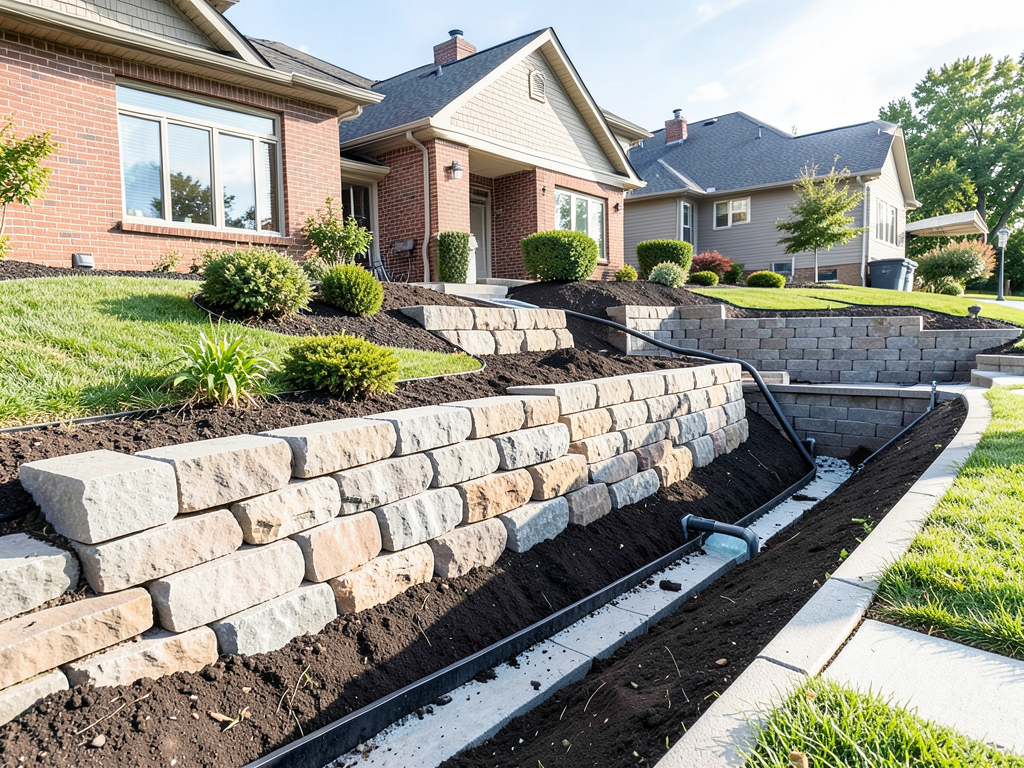
Managing Steep Slope Drainage and Runoff Issues for Eureka Homes
Living on steep terrain in Eureka means your home faces unique water management challenges that flat-land properties simply don’t experience. The dramatic elevation changes that give Eureka its scenic beauty also create concentrated water flow patterns that can overwhelm standard drainage systems and cause serious structural damage if not properly addressed. Hail Damage Assessment.
Steep slope drainage requires a specialized approach that accounts for the increased velocity of water runoff, the potential for soil erosion, and the concentrated force of water during heavy rainfall events. Understanding these dynamics is the first step toward protecting your Eureka home from costly water damage.. Read more about Why the Steep Rooflines of Lemay Ranch Homes Need Extra Attention During Storm Season.
Understanding Steep Slope Drainage Dynamics
Water behaves differently on steep slopes compared to flat terrain. As water travels downhill, its velocity increases exponentially with the slope grade. This means a 30% grade hillside can experience water flow rates that are 2-3 times faster than a flat yard, creating significant force against any structures in its path.
The concentrated nature of steep slope runoff also means that water doesn’t spread out evenly across the landscape. Instead, it follows the path of least resistance, often creating deep channels or gullies that can undermine foundations, damage landscaping, and even threaten the structural integrity of your home.
Golden Nugget #1: Eureka’s location in the Missouri Ozarks means many properties sit on karst limestone bedrock with thin soil layers. This geological reality means water moves quickly through surface soils and can emerge unexpectedly at lower elevations, creating subsurface drainage challenges that standard French drains cannot address.
Common Drainage Problems in Eureka’s Steep Terrain
Homeowners in Eureka frequently encounter several specific drainage issues related to the area’s steep topography. Understanding these problems helps you identify potential vulnerabilities before they cause major damage. Why Ladue Homeowners Trust These Specialized Roofing Contractors.
Foundation erosion is perhaps the most serious concern. As water rushes down slopes, it can carve away soil around foundation footings, creating voids that allow walls to shift or crack. This process often occurs gradually over multiple wet seasons, making it difficult to detect until significant damage has occurred.
Surface erosion presents another common challenge. Steep slopes without proper vegetation or erosion control measures can lose several inches of topsoil annually during heavy rain events. This not only damages your landscaping but can also clog drainage systems and create hazardous conditions around your home.
Golden Nugget #2: Eureka receives approximately 42 inches of rainfall annually, with most precipitation occurring in concentrated spring and early summer thunderstorm events. These intense rainfall periods can deliver 2-3 inches of water in less than an hour, overwhelming drainage systems designed for average conditions rather than peak loads.
Effective Drainage Solutions for Steep Slope Properties
Addressing steep slope drainage requires a comprehensive approach that combines multiple strategies. No single solution works for all situations, and the most effective systems typically incorporate several different elements working together.
Terracing represents one of the most effective long-term solutions for managing steep slope drainage. By creating a series of level planting areas connected by retaining walls, you can dramatically slow water velocity and give it time to infiltrate the soil rather than rushing downhill. Terraces also provide opportunities for planting deep-rooted vegetation that further stabilizes the slope.
Diversion swales offer another powerful tool for steep slope management. These shallow, grass-lined channels can intercept water flowing down a slope and redirect it to safer discharge points. When properly designed with the correct cross-sectional shape and gradient, swales can handle enormous volumes of water while preventing erosion.
Golden Nugget #3: The Missouri Department of Natural Resources recommends a minimum 2% gradient for drainage channels on slopes exceeding 15% grade. This specific gradient prevents water from pooling while also avoiding the high velocities that cause erosion. Many Eureka properties violate this standard with improperly graded drainage features.
Critical Components of a Complete Drainage System
A properly designed steep slope drainage system includes several interconnected components that work together to manage water from the moment it hits your property until it safely exits. Understanding these components helps you evaluate whether your current system provides adequate protection.
Surface collection points are the first line of defense. These include properly sized gutters and downspouts on your home, as well as any collection grates or channels installed at the top of slopes. For steep terrain, standard residential gutter sizes often prove inadequate, and upgrading to 6-inch commercial-grade systems may be necessary.
Conveyance systems move water from collection points to discharge areas. On steep slopes, these typically include solid PVC pipes buried below the frost line, rather than the corrugated flex pipe often used on flat terrain. The solid construction prevents collapse under soil pressure and eliminates the water loss that occurs through perforated pipes on steep grades.
Discharge management represents the final critical component. Simply moving water away from your home isn’t enough on steep terrain. You need to ensure it doesn’t cause problems downslope or create erosion at the point of release. This often requires energy dissipation structures like riprap aprons, splash blocks, or even small retention areas.
Soil Considerations for Steep Slope Drainage
The soil composition on your property significantly impacts drainage effectiveness and erosion potential. Eureka’s location in the Ozarks means many properties feature a complex mix of soil types that behave differently under wet conditions.
Clay soils, common in the Eureka area, present particular challenges for steep slope drainage. These soils expand when wet and contract when dry, creating a cycle that can crack foundations and create preferential flow paths for water. Additionally, clay soils have very low permeability, meaning water tends to run off rather than infiltrate, increasing surface flow rates.
Sandy or loamy soils offer better drainage characteristics but come with their own set of challenges. These soils erode much more quickly than clay when exposed to concentrated water flow, and they provide less structural support for retaining walls and other drainage features.
Soil testing represents a critical first step in any steep slope drainage project. Understanding your specific soil composition allows for proper design of drainage features and helps prevent costly failures due to unexpected soil behavior.
Vegetation and Erosion Control Strategies
Plants play a crucial role in steep slope drainage management that goes beyond simple aesthetics. The right vegetation can dramatically reduce erosion, slow water velocity, and even improve soil structure over time.
Deep-rooted native plants offer the best erosion control for steep slopes. Species like little bluestem, prairie dropseed, and various native sedges develop root systems that extend 3-5 feet into the soil, creating a living net that holds soil in place even during intense rainfall events.
Ground covers provide immediate erosion protection while larger plants establish themselves. Low-growing plants like creeping juniper, bearberry, or native violets can cover bare soil within a single growing season, significantly reducing surface erosion during their establishment period.
Proper plant spacing and installation timing also matter for erosion control. Planting during the dormant season allows root systems to establish before facing the stress of summer heat and potential drought. Spacing plants according to their mature size rather than immediate visual impact ensures they provide maximum soil stabilization as they grow.
Retaining Walls and Structural Solutions
For many Eureka properties, structural solutions like retaining walls become necessary to manage steep slopes effectively. These structures serve multiple purposes, from creating usable flat areas to providing critical support for drainage features.
Gravity retaining walls represent the simplest and often most cost-effective option for heights under 4 feet. These walls rely on their own weight to resist the pressure of soil behind them, making them ideal for situations where space constraints prevent the use of reinforced systems.
Reinforced retaining walls become necessary for taller applications or when supporting critical structures like driveways or building foundations. These systems incorporate geogrid reinforcement or soil nailing to provide additional stability beyond what the wall mass alone can achieve.
Proper drainage behind retaining walls proves critical for long-term performance. Without adequate drainage, water pressure can build up behind the wall, potentially causing failure even in well-constructed systems. This typically involves gravel backfill, drainage pipes, and weep holes to allow water to escape safely.
Professional Assessment and Design Considerations
Steep slope drainage projects often benefit from professional assessment, particularly for properties with complex topography or existing drainage problems. A qualified drainage specialist can identify issues that homeowners might overlook and design systems that address both current and future needs.
Site analysis should include evaluation of existing drainage patterns, soil composition testing, and identification of critical areas where water is causing or threatening damage. This analysis often reveals interconnected problems that require integrated solutions rather than addressing individual symptoms.
Design considerations must account for both functional requirements and aesthetic integration with your existing landscape. The best drainage solutions work with natural topography rather than fighting against it, creating systems that protect your property while enhancing its overall appearance and usability.
Permit requirements vary by jurisdiction, but many steep slope drainage modifications require permits from local authorities. These permits ensure that drainage improvements don’t create problems for neighboring properties and comply with local stormwater management regulations. Fixing Wind and Storm Damage Before It Ruins Your St. Louis Home.
Maintenance Requirements for Steep Slope Systems
Even the best-designed steep slope drainage system requires regular maintenance to continue functioning effectively. Understanding these requirements helps you protect your investment and prevent costly failures.
Gutter and downspout cleaning becomes particularly critical on steep terrain properties. The increased water velocity means even small debris accumulations can cause significant overflow, potentially directing water to areas where it can cause damage. Quarterly cleaning during the growing season typically proves necessary.
Surface drainage features like swales and channels require periodic inspection and maintenance to ensure they continue functioning as designed. This includes removing sediment accumulation, repairing erosion damage, and ensuring vegetation remains healthy and effective at stabilizing soil. EPA Stormwater Management Resources.
Underground drainage pipes should be inspected periodically, particularly after major rainfall events. While these systems typically require less frequent maintenance than surface features, blockages can cause catastrophic failures when they do occur, making proactive inspection worthwhile.
Emergency Preparedness for Steep Slope Properties
Living on steep terrain means accepting certain risks related to water management and erosion. Developing emergency preparedness strategies helps you respond effectively when extreme weather events test your drainage systems.
Monitoring weather forecasts becomes particularly important during wet seasons. Knowing when heavy rainfall is expected allows you to take preventive measures like clearing debris from drainage features or deploying temporary erosion control measures in vulnerable areas.
Emergency response plans should include procedures for dealing with sudden drainage failures. This might include having sandbags available, knowing how to quickly deploy temporary diversions, or having contact information for emergency drainage services readily accessible.
Insurance considerations also matter for steep slope properties. Standard homeowner’s policies may not cover certain types of water damage or erosion-related losses, making it important to understand your coverage limitations and consider additional protection if necessary.
Cost Considerations and Value Protection
Investing in proper steep slope drainage represents a significant expense for many Eureka homeowners, but it also protects one of your most valuable assets. Understanding the cost factors helps you make informed decisions about which solutions to pursue.
Simple drainage improvements like extending downspouts or installing surface channels typically cost between $500-$2,000, depending on the specific requirements and materials used. These solutions often provide the best return on investment for addressing minor drainage issues.
Comprehensive drainage system installations, including terracing, retaining walls, and underground piping, can range from $10,000 to $50,000 or more for larger properties. While these represent significant investments, they often prove cost-effective when compared to the potential damage from uncontrolled water flow.
Value protection extends beyond preventing immediate damage. Properly managed steep slopes can actually increase property value by creating usable outdoor spaces, improving landscaping potential, and eliminating the visual impact of erosion gullies and drainage problems.
Environmental Considerations and Best Practices
Steep slope drainage projects must balance property protection with environmental responsibility. Poor drainage practices can harm local waterways, destroy wildlife habitat, and contribute to downstream flooding problems.
Low-impact development principles should guide drainage design whenever possible. These approaches emphasize infiltration, filtration, and gradual release of stormwater rather than simply moving water quickly off-site. Techniques like rain gardens, bioswales, and permeable surfaces can significantly reduce the environmental impact of drainage improvements.
Native plant selection supports local ecosystems while providing effective erosion control. Native species have evolved to handle local rainfall patterns and soil conditions, making them more resilient and requiring less maintenance than exotic alternatives.
Wildlife considerations should factor into drainage design. Steep slopes often provide important habitat for various species, and drainage improvements can either enhance or destroy this habitat depending on how they’re implemented. Maintaining vegetation corridors and avoiding excessive disturbance helps preserve ecological value.
Choosing the Right Drainage Professional
Selecting qualified professionals for steep slope drainage work proves critical for project success. The specialized nature of this work means that not all contractors have the necessary expertise to design and install effective systems.
Experience with local conditions matters significantly. Contractors familiar with Eureka’s specific soil types, rainfall patterns, and regulatory requirements can design more effective systems than those unfamiliar with local conditions. Ask potential contractors about their experience with similar projects in your area.
Proper licensing and insurance provide essential protection for both you and the contractor. Steep slope work involves significant liability risks, making it important to verify that your contractor carries appropriate coverage for this type of work.
References and portfolio review help verify a contractor’s capabilities. Ask to see examples of similar projects they’ve completed, and if possible, visit some of these sites to evaluate the quality of their work firsthand. High Quality Roof Replacements for Creve Coeur Properties.
Future-Proofing Your Drainage System
Climate change and evolving land use patterns mean that drainage systems designed today may face different conditions in the future. Building flexibility and adaptability into your drainage system helps ensure it continues to protect your property as conditions change.
Oversizing critical components provides insurance against increasing rainfall intensity. While it may cost more initially to install larger pipes or more extensive drainage features, this approach can prevent costly retrofits as weather patterns evolve.
Modular design allows for system expansion as needs change. Building your drainage system in phases or using components that can be easily modified or expanded provides flexibility to address problems as they emerge rather than trying to anticipate every possible future need.
Regular reassessment of system performance helps identify needed modifications before problems become severe. Scheduling periodic evaluations of your drainage system, particularly after major rainfall events, allows for proactive maintenance and upgrades.
Conclusion
Managing steep slope drainage and runoff issues requires a comprehensive understanding of local conditions, proper design principles, and ongoing maintenance commitment. For Eureka homeowners, the unique combination of dramatic topography, variable soil conditions, and intense rainfall patterns creates both challenges and opportunities for effective water management.
By implementing the strategies outlined in this guide and working with qualified professionals when needed, you can protect your property from water damage while enhancing its overall value and usability. The investment in proper drainage management typically pays for itself many times over by preventing costly damage and creating more enjoyable outdoor spaces.
Don’t wait until water problems become severe to take action. Start by assessing your current drainage situation and identifying any vulnerable areas that need attention. Your steep slope property can be both beautiful and functional with the right drainage approach.
Frequently Asked Questions
How do I know if my steep slope drainage system needs improvement?
Signs of drainage problems include visible erosion gullies, foundation cracks, basement moisture, standing water after rainfall, and declining plant health on slopes. If you notice any of these issues, your drainage system likely needs evaluation and potential upgrades.
What’s the best way to handle water runoff from my roof on a steep slope?
Proper roof drainage on steep slopes requires oversized gutters (typically 6-inch commercial grade), extended downspouts that direct water to stable discharge points, and often underground piping to move water away from the foundation area. The specific solution depends on your property’s topography and soil conditions.
How much does a typical steep slope drainage project cost?
Costs vary dramatically based on the scope of work, ranging from $500-$2,000 for simple improvements to $10,000-$50,000 for comprehensive systems. Factors affecting cost include property size, slope steepness, soil conditions, and the complexity of required solutions.
Can I install steep slope drainage improvements myself?
While some simple improvements like extending downspouts can be DIY projects, most steep slope drainage work requires professional expertise. Improper installation can actually worsen drainage problems or create new hazards. Complex projects involving terracing, retaining walls, or underground piping should always be handled by qualified professionals.
How long does a steep slope drainage system typically last?
Well-designed and properly maintained drainage systems can last 20-30 years or more. However, components may need replacement or repair over time due to soil movement, root intrusion, or changing conditions. Regular maintenance significantly extends system lifespan.
Take Action to Protect Your Eureka Home
Don’t let steep slope drainage problems threaten your home’s foundation, landscaping, or structural integrity. Whether you’re dealing with existing water damage or want to prevent future problems, professional assessment and proper drainage design can save you thousands in potential repairs. Who to Call for 24 Hour Roof Repairs Anywhere in St. Louis.
Our team has extensive experience with Eureka’s unique topography and drainage challenges. We understand how local soil conditions, rainfall patterns, and building requirements affect drainage system design and performance.
Call (314) 417-7774 today to schedule your free drainage assessment. Our experts will evaluate your property’s specific needs and provide customized solutions that protect your home while enhancing your landscape’s beauty and functionality.
Don’t wait until the next heavy rain reveals your drainage vulnerabilities. Pick up the phone and call (314) 417-7774 before water damage becomes a costly reality. Your Eureka home deserves the best protection available. For more information, visit USDA Natural Resources Conservation Service.
{
“@context”: “https://schema.org”,
“@type”: “BlogPosting”,
“headline”: “Managing Steep Slope Drainage and Runoff Issues for Eureka Homes”,
“description”: “Expert solutions for steep slope drainage and runoff problems specific to Eureka homes. Learn how to protect your property from water damage with proper drainage systems.”,
“wordCount”: 3010,
“datePublished”: “2026-05-06T13:08:00.000Z”,
“dateModified”: “2026-05-06T13:08:00.000Z”,
“inLanguage”: “en-US”,
“mainEntityOfPage”: {
“@type”: “WebPage”,
“@id”: “https://pioneerroofingstlouis.com”
},
“publisher”: {
“@type”: “LocalBusiness”,
“name”: “Pioneer Roofing St. Louis”,
“url”: “https://pioneerroofingstlouis.com”
},
“author”: {
“@type”: “Organization”,
“name”: “Pioneer Roofing St. Louis”,
“url”: “https://pioneerroofingstlouis.com”
},
“image”: {
“@type”: “ImageObject”,
“url”: “https://pioneerroofingstlouis.com/wp-content/uploads/2026/03/managing-steep-slope-drainage-and-runoff-issues-fo-1.png”
}
}
{
“@context”: “https://schema.org”,
“@type”: “RoofingContractor”,
“name”: “Pioneer Roofing St. Louis”,
“url”: “https://pioneerroofingstlouis.com”,
“address”: {
“@type”: “PostalAddress”,
“addressLocality”: “St. Louis”
},
“areaServed”: {
“@type”: “City”,
“name”: “St. Louis”
}
}
{
“@context”: “https://schema.org”,
“@type”: “FAQPage”,
“mainEntity”: [
{
“@type”: “Question”,
“name”: “How do I know if my steep slope drainage system needs improvement?”,
“acceptedAnswer”: {
“@type”: “Answer”,
“text”: “Signs of drainage problems include visible erosion gullies, foundation cracks, basement moisture, standing water after rainfall, and declining plant health on slopes. If you notice any of these issues, your drainage system likely needs evaluation and potential upgrades.”
}
},
{
“@type”: “Question”,
“name”: “How much does a typical steep slope drainage project cost?”,
“acceptedAnswer”: {
“@type”: “Answer”,
“text”: “Costs vary dramatically based on the scope of work, ranging from $500-$2,000 for simple improvements to $10,000-$50,000 for comprehensive systems. Factors affecting cost include property size, slope steepness, soil conditions, and the complexity of required solutions.”
}
},
{
“@type”: “Question”,
“name”: “Can I install steep slope drainage improvements myself?”,
“acceptedAnswer”: {
“@type”: “Answer”,
“text”: “While some simple improvements like extending downspouts can be DIY projects, most steep slope drainage work requires professional expertise. Improper installation can actually worsen drainage problems or create new hazards. Complex projects involving terracing, retaining walls, or underground piping should always be handled by qualified professionals.”
}
},
{
“@type”: “Question”,
“name”: “How long does a steep slope drainage system typically last?”,
“acceptedAnswer”: {
“@type”: “Answer”,
“text”: “Well-designed and properly maintained drainage systems can last 20-30 years or more. However, components may need replacement or repair over time due to soil movement, root intrusion, or changing conditions. Regular maintenance significantly extends system lifespan.”
}
}
]
}
{
“@context”: “https://schema.org”,
“@type”: “BreadcrumbList”,
“itemListElement”: [
{
“@type”: “ListItem”,
“position”: 1,
“name”: “Home”,
“item”: “https://pioneerroofingstlouis.com”
},
{
“@type”: “ListItem”,
“position”: 2,
“name”: “Blog”,
“item”: “https://pioneerroofingstlouis.com/blog”
},
{
“@type”: “ListItem”,
“position”: 3,
“name”: “Managing Steep Slope Drainage and Runoff Issues for Eureka Homes”
}
]
}
{
“@context”: “https://schema.org”,
“@type”: “Service”,
“serviceType”: “Roofing”,
“provider”: {
“@type”: “LocalBusiness”,
“name”: “Pioneer Roofing St. Louis”,
“url”: “https://pioneerroofingstlouis.com”
},
“areaServed”: {
“@type”: “City”,
“name”: “St. Louis”
},
“description”: “Expert solutions for steep slope drainage and runoff problems specific to Eureka homes. Learn how to protect your property from water damage with proper drainage systems.”
}