
Protecting the Roof of Your Detached Garage or Carriage House in Dogtown
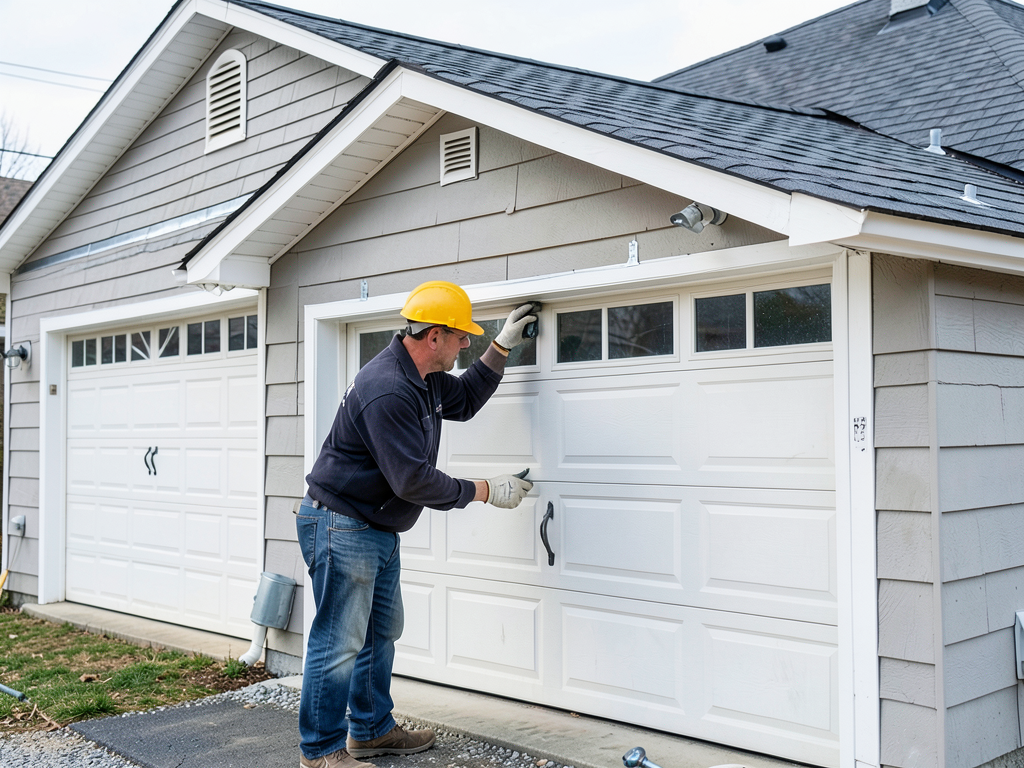
Detached garages and carriage houses in Dogtown face unique challenges from St. Louis’s extreme weather and historic neighborhood character. High humidity, hailstorms, and rapid freeze-thaw cycles can quickly damage older structures. This guide covers St. Louis-specific building codes, weather-resistant materials, and local permitting requirements to help you protect these valuable outbuildings. St. Louis County Building Permit Requirements.
Understanding St. Louis Building Codes for Detached Structures
St. Louis County requires building permits for any new or replacement roof on detached structures over 120 square feet. The International Residential Code adopted by St. Louis County mandates ice and water shield installation in valleys and along eaves where winter ice damming commonly occurs. The shield must extend 24 inches past the interior wall line in areas with heavy snowfall.
Detached garages in Dogtown often sit on clay soil that shifts during wet-dry cycles. This movement can cause roof framing to twist and shingles to crack. Building codes require proper rafter ties and hurricane clips to prevent uplift during Missouri’s frequent high-wind events. The Missouri State Standard Building Code also specifies minimum 15-pound felt underlayment for asphalt shingles.
Older detached garages in Dogtown may have undersized rafters or missing collar ties. A structural engineer should inspect these before installing heavy materials like clay tiles or slate. The engineer will verify the roof can handle the dead load plus a 20-pound per square foot snow load as required by code. UL 2218 Impact Resistance Standard.
Best Roofing Materials for Missouri’s Climate
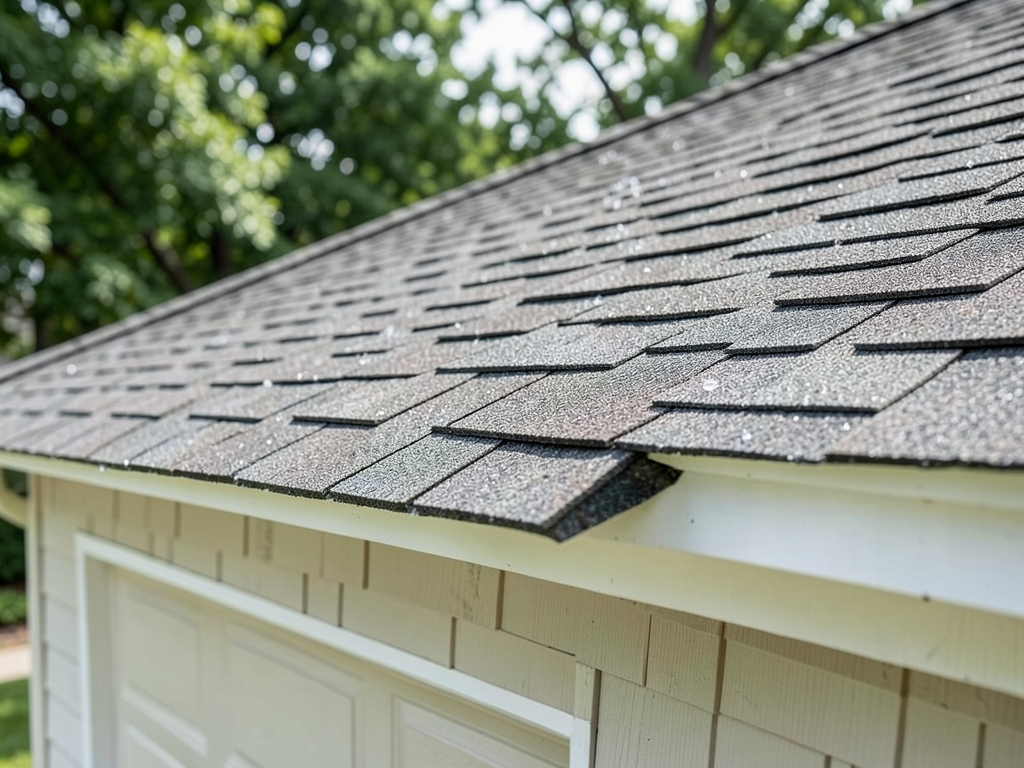
Class 4 impact-resistant shingles provide the best protection against St. Louis hailstorms. These shingles carry a UL 2218 Class 4 rating after surviving steel ball impacts without cracking. They cost 10-15% more than standard shingles but can reduce insurance premiums by up to 30% in Missouri. Fixing Wind and Storm Damage Before It Ruins Your St. Louis Home.
Metal roofing offers superior longevity for detached garages. Standing seam metal panels interlock to prevent wind-driven rain infiltration. The smooth surface sheds hail without damage and resists algae growth common in St. Louis’s humid summers. A properly installed metal roof lasts 40-60 years compared to 15-20 years for asphalt. Reliable Roofing Services for Your Affton Home or Rental Property.
For flat-roof detached garages, TPO membrane provides excellent weather resistance. The white reflective surface reduces heat absorption and energy costs. TPO withstands UV exposure and resists punctures from falling branches. Seams are heat-welded to create a monolithic barrier against water intrusion.
Wood shakes and shingles require frequent maintenance in St. Louis’s climate. High humidity promotes moss and algae growth. Freeze-thaw cycles cause wood to split and warp. If you prefer the wood look, consider composite shake made from recycled materials that mimics wood but resists moisture damage. Hail Damage Assessment.
| Material | Lifespan in St. Louis | Wind Rating | Ice Protection |
|---|---|---|---|
| Class 4 Asphalt | 15-20 years | 130 mph | Ice shield required |
| Standing Seam Metal | 40-60 years | 140+ mph | Ice shield recommended |
| TPO Membrane | 25-30 years | 100 mph | Self-healing seams |
Ventilation Requirements for Detached Garages
Proper ventilation prevents moisture buildup in detached garages that lack HVAC systems. Building codes require one square foot of net free ventilation area for every 150 square feet of attic space. This can be achieved through ridge vents combined with soffit vents or gable vents.
Ridge vents provide continuous airflow along the roof peak. They work best with baffled soffit vents that prevent wind-driven rain from entering. The total ventilation area should be split equally between intake and exhaust vents for optimal airflow.
Gable vents offer a simpler installation for detached garages with gable roofs. Place one vent near the peak of each gable end. This creates cross-ventilation that removes hot air and moisture. In Dogtown’s humid climate, consider adding a powered attic ventilator to supplement natural ventilation during summer months.
Workshop or gym conversions require additional ventilation considerations. Moisture from equipment or exercise creates condensation that can rot roof decking. Install vapor barriers under insulation and consider a dehumidifier to maintain humidity below 60%.
Matching Your Garage Roof to Your Home’s Architecture
Dogtown features a mix of historic bungalows, craftsman homes, and mid-century ranches. Your detached garage roof should complement your home’s architectural style. For historic homes, match the roof pitch, material, and color of your main house to maintain neighborhood character.
Clay tile roofs common on Mediterranean-style homes require a minimum 4:12 pitch and additional structural support. The weight of clay tile exceeds asphalt by 600-800 pounds per square. Verify your garage framing can handle this load before installation.
Colonial and craftsman homes often feature architectural asphalt shingles with dimensional profiles. These provide depth and shadow lines that mimic wood shakes or slate. Choose colors that coordinate with your home’s exterior trim and brick or siding.
Modern homes in Dogtown may feature flat or low-slope roofs with membrane systems. TPO or EPDM provides a clean, contemporary look while offering superior weather resistance. Add tapered insulation to create positive drainage and prevent ponding water.
Cost Factors for Detached Garage Roofing in St. Louis
Roofing costs in St. Louis vary based on material selection, roof complexity, and local labor rates. Asphalt shingles range from $3.50 to $5.50 per square foot installed. Premium architectural shingles cost $1-2 more per square foot but offer better wind and impact resistance. How to Navigate a Roofing Insurance Claim After a St. Louis Hail Storm.
Metal roofing installation costs $8 to $14 per square foot depending on panel profile and finish. Standing seam metal costs more than corrugated panels but provides superior weatherproofing. The higher upfront cost pays off through longer lifespan and lower maintenance.
Permit fees for detached structures in St. Louis County average $150 to $300. Additional fees apply for electrical work or structural modifications. Historic districts may require design review approval, adding $200 to $500 in architectural fees.
Removal of existing roofing adds $1 to $2 per square foot to your project cost. Multiple layers of old roofing increase disposal fees and labor time. A complete tear-off allows inspection of roof decking and replacement of rotted sections.
Seasonal timing affects pricing. Late winter and early spring offer the best contractor availability and pricing. Summer months see higher demand and prices may increase 10-15% during storm season.
Common Problems with Older Detached Garages
Many detached garages in Dogtown were built before modern building codes. Common issues include undersized rafters, missing hurricane clips, and inadequate flashing. These deficiencies make older structures vulnerable to storm damage and water infiltration.
Rotted roof decking often hides beneath old shingles. A screwdriver test reveals soft spots where moisture has penetrated. Replace any decking that feels spongy or shows signs of rot. This prevents future leaks and provides a solid base for new roofing.
Improperly flashed roof-to-wall connections allow water to seep behind siding. Look for rust stains or peeling paint at these junctions. Install new step flashing and counterflashing to create a watertight seal. Extend flashing at least 4 inches up the wall and 6 inches onto the roof.
Missing or damaged ridge caps leave the roof peak vulnerable to wind-driven rain. Replace broken caps and seal gaps with roofing cement. Consider installing a continuous ridge vent to improve ventilation while protecting the roof peak.
Squirrels and raccoons often damage roofs by chewing through rotted fascia or creating entry holes. Repair all animal damage and install metal drip edge to prevent future chewing. Trim tree branches that provide access to the roof.
Maintenance Tips to Extend Roof Life
Clean gutters and downspouts twice yearly to prevent water backup. Clogged gutters cause water to overflow and seep under shingles. Check that downspouts direct water at least 5 feet from the foundation to prevent soil erosion around the garage.
Remove leaves and debris from roof valleys where they trap moisture. Use a leaf blower or soft broom rather than a pressure washer which can damage shingles. Pay special attention to areas around chimneys and vent pipes where debris accumulates.
Inspect flashing annually for signs of separation or rust. Seal small gaps with roofing cement before they become leaks. Replace severely corroded flashing to prevent water damage to underlying structures.
Check for missing or damaged shingles after severe weather. Replace any that show cracking, curling, or loss of granules. Document damage with photos for insurance claims if needed.
Trim overhanging tree branches to prevent abrasion damage during wind storms. Keep branches at least 10 feet from the roof surface. This also reduces leaf litter and prevents animals from accessing the roof.
Insurance Considerations for Detached Structures
Most homeowners insurance policies cover detached garages under Coverage B for other structures. However, coverage limits often cap at 10% of your dwelling coverage. Verify your policy includes adequate coverage for your detached garage’s replacement cost.
Impact-resistant roofing may qualify for insurance discounts in Missouri. Class 4 shingles can reduce premiums by 10-30% depending on your carrier. Ask your agent about available discounts when selecting roofing materials.
Document your garage’s condition with photos before and after roofing work. Keep receipts for materials and labor. This documentation speeds up insurance claims if storm damage occurs.
Consider adding equipment coverage if you store valuable items in your garage. Standard policies may not cover tools, equipment, or vehicles stored in detached structures. A rider can provide additional protection for these items.
DIY vs Professional Installation
DIY roofing saves labor costs but requires proper safety equipment and experience. Working on a roof involves fall hazards and requires knowledge of proper underlayment installation and flashing details. Mistakes can lead to costly water damage.
Professional installation includes manufacturer warranties on materials and workmanship guarantees. Contractors carry liability insurance and workers’ compensation. They also handle permit acquisition and code compliance inspections.
Complex roof designs with multiple valleys, dormers, or low slopes require professional expertise. These features need special flashing techniques and ventilation planning. Improper installation often leads to premature failure and expensive repairs. Who to Call for 24 Hour Roof Repairs Anywhere in St. Louis.
If you choose DIY, start with a small, simple roof section to build skills. Use proper fall protection equipment and work with a helper. Follow manufacturer installation instructions exactly to maintain warranty coverage.
Frequently Asked Questions
Do I need a permit to replace my detached garage roof in St. Louis?
Yes, St. Louis County requires permits for detached structures over 120 square feet. The permit ensures compliance with building codes for structural integrity and weatherproofing.
How long does a typical detached garage roof last in Missouri?
Asphalt shingle roofs last 15-20 years in Missouri’s climate. Metal roofing can last 40-60 years. Proper ventilation and maintenance can extend any roof’s lifespan by 5-10 years.
Should I match my garage roof to my house roof?
Matching materials and colors creates visual harmony and may be required by historic district guidelines. Similar roofing also maintains consistent property appearance if you sell your home.
Protect Your Investment with Professional Roofing Services
Detached garages and carriage houses represent significant property value that deserves proper protection. St. Louis’s climate challenges require weather-resistant materials and code-compliant installation. Whether you need minor repairs or complete replacement, professional roofing ensures your structure withstands Missouri’s storms for years to come.
Don’t wait for the next hailstorm to damage your garage roof. Call (314) 417-7774 today to schedule your inspection and get a detailed estimate for protecting your detached structure. Our experienced team understands St. Louis building codes and weather patterns to provide lasting solutions.
Pick up the phone and call (314) 417-7774 before the next storm hits. We’ll help you choose the right materials and ensure proper installation to protect your garage for decades to come.
{
“@context”: “https://schema.org”,
“@type”: “BlogPosting”,
“headline”: “Protecting the Roof of Your Detached Garage or Carriage House in Dogtown”,
“description”: “Learn how to protect detached garage roofs in Dogtown with St. Louis-specific materials, codes, and weatherproofing strategies. Call (314) 417-7774 for expert help.”,
“wordCount”: 1943,
“datePublished”: “2026-04-04T13:54:00.000Z”,
“dateModified”: “2026-04-04T13:54:00.000Z”,
“inLanguage”: “en-US”,
“mainEntityOfPage”: {
“@type”: “WebPage”,
“@id”: “https://pioneerroofingstlouis.com”
},
“publisher”: {
“@type”: “LocalBusiness”,
“name”: “Pioneer Roofing St. Louis”,
“url”: “https://pioneerroofingstlouis.com”
},
“author”: {
“@type”: “Organization”,
“name”: “Pioneer Roofing St. Louis”,
“url”: “https://pioneerroofingstlouis.com”
},
“image”: {
“@type”: “ImageObject”,
“url”: “https://pioneerroofingstlouis.com/wp-content/uploads/2026/03/protecting-the-roof-of-your-detached-garage-or-car-1.png”
}
}
{
“@context”: “https://schema.org”,
“@type”: “RoofingContractor”,
“name”: “Pioneer Roofing St. Louis”,
“url”: “https://pioneerroofingstlouis.com”,
“address”: {
“@type”: “PostalAddress”,
“addressLocality”: “St. Louis”
},
“areaServed”: {
“@type”: “City”,
“name”: “St. Louis”
}
}
{
“@context”: “https://schema.org”,
“@type”: “FAQPage”,
“mainEntity”: [
{
“@type”: “Question”,
“name”: “Do I need a permit to replace my detached garage roof in St. Louis?”,
“acceptedAnswer”: {
“@type”: “Answer”,
“text”: “Yes, St. Louis County requires permits for detached structures over 120 square feet. The permit ensures compliance with building codes for structural integrity and weatherproofing.”
}
},
{
“@type”: “Question”,
“name”: “How long does a typical detached garage roof last in Missouri?”,
“acceptedAnswer”: {
“@type”: “Answer”,
“text”: “Asphalt shingle roofs last 15-20 years in Missouri’s climate. Metal roofing can last 40-60 years. Proper ventilation and maintenance can extend any roof’s lifespan by 5-10 years.”
}
},
{
“@type”: “Question”,
“name”: “Should I match my garage roof to my house roof?”,
“acceptedAnswer”: {
“@type”: “Answer”,
“text”: “Matching materials and colors creates visual harmony and may be required by historic district guidelines. Similar roofing also maintains consistent property appearance if you sell your home.”
}
}
]
}
{
“@context”: “https://schema.org”,
“@type”: “BreadcrumbList”,
“itemListElement”: [
{
“@type”: “ListItem”,
“position”: 1,
“name”: “Home”,
“item”: “https://pioneerroofingstlouis.com”
},
{
“@type”: “ListItem”,
“position”: 2,
“name”: “Blog”,
“item”: “https://pioneerroofingstlouis.com/blog”
},
{
“@type”: “ListItem”,
“position”: 3,
“name”: “Protecting the Roof of Your Detached Garage or Carriage House in Dogtown”
}
]
}
{
“@context”: “https://schema.org”,
“@type”: “Service”,
“serviceType”: “Roofing”,
“provider”: {
“@type”: “LocalBusiness”,
“name”: “Pioneer Roofing St. Louis”,
“url”: “https://pioneerroofingstlouis.com”
},
“areaServed”: {
“@type”: “City”,
“name”: “St. Louis”
},
“description”: “Learn how to protect detached garage roofs in Dogtown with St. Louis-specific materials, codes, and weatherproofing strategies. Call (314) 417-7774 for expert help.”
}