
Protecting Your Wildwood Roof from Raccoons and Tree Damage
Wildwood’s mature tree canopy creates stunning neighborhoods but also serious roofing risks. The combination of white oaks, silver maples, and black walnut trees common in 63005 and 63038 zip codes means your roof faces constant threats from falling limbs, animal intrusion, and moisture damage. These aren’t just cosmetic issues—they can compromise your home’s structural integrity and lead to costly repairs if ignored. Reliable Roofing Services for Your Affton Home or Rental Property.
Tree damage in Wildwood often starts subtly. A low-hanging branch might scrape your shingles during every windstorm, gradually wearing away protective granules. Meanwhile, raccoons and squirrels see your roof as a highway to your attic, creating entry points that let in rain, cold air, and pests. Understanding these specific threats is the first step to protecting your investment. Fixing Wind and Storm Damage Before It Ruins Your St. Louis Home.
Common Types of Tree-Related Roof Damage in West County
Wildwood homeowners face several unique challenges from their beautiful but potentially destructive trees. The area’s mature canopy creates conditions that accelerate roof deterioration in ways most homeowners don’t expect.
Mechanical abrasion from low-hanging limbs is the most common issue we see in neighborhoods near Babler State Park. When branches rub against shingles during wind events, they strip away protective granules and create weak spots. This damage often goes unnoticed until water starts seeping through during heavy rains.
Punctures and structural damage from fallen branches pose the most immediate threat. Wildwood’s white oaks can drop limbs weighing hundreds of pounds during storms. These impacts can crack rafters, puncture decking, and create openings that compromise your entire roof system.
Gutter clogs and ice damming caused by leaf debris create secondary problems. The area’s mature trees drop enormous amounts of leaves, seeds, and twigs. When gutters overflow, water backs up under shingles and creates perfect conditions for ice dams during Wildwood’s freeze-thaw cycles.
Moss and algae growth from excessive shade is particularly problematic in Wildwood’s wooded lots. The combination of shade from mature trees and the area’s high humidity creates ideal conditions for moss to grow on north-facing roof slopes. This organic growth holds moisture against shingles and accelerates deterioration.
Emergency Services: What to Do if a Tree Falls on Your Roof
When a tree impacts your roof, every minute counts. The first priority is safety—never attempt to inspect damage during a storm or while the tree is still moving. From our experience handling emergency calls across St. Louis County, here’s what you need to know. St. Louis County Building Permit Application.
Safety first protocols mean staying away from the affected area and keeping family members clear of potential collapse zones. A tree-impacted roof can shift unexpectedly, and damaged electrical systems may create shock hazards. Call (314) 417-7774 immediately for 24/7 emergency response.
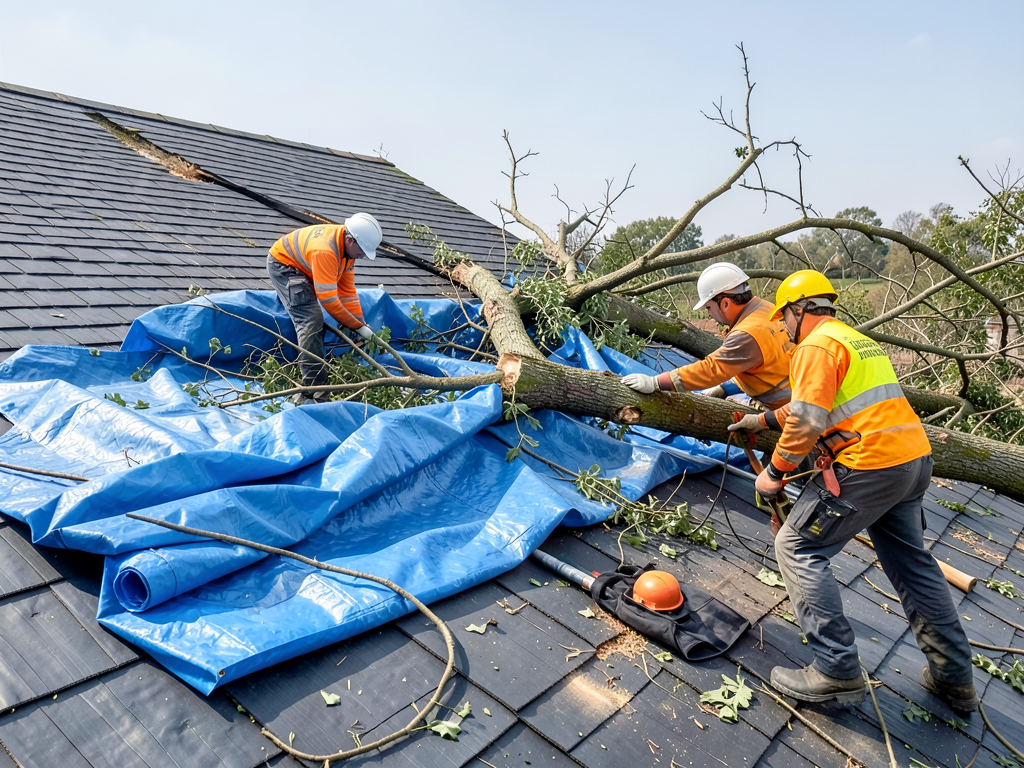
Tarping and temporary dry-in services prevent further water damage while permanent repairs are planned. Our emergency teams carry commercial-grade tarps and can secure most roofs within hours of your call. This temporary protection is crucial in Wildwood’s rainy spring season when delays can mean thousands in water damage. Who to Call for 24 Hour Roof Repairs Anywhere in St. Louis.
Coordination with local Wildwood tree removal services is essential for safe, efficient repairs. We maintain relationships with certified arborists who can remove fallen trees without causing additional damage to your structure. This coordination prevents the costly mistake of removing a tree before stabilizing the roof underneath.
Documenting damage for insurance purposes should begin immediately. Take photos from safe distances and save all receipts for emergency services. St. Louis County building codes require permits for structural repairs, so proper documentation helps streamline the approval process.
- Ensure Safety
Evacuate the immediate area and call emergency services if there are gas leaks or electrical hazards.
- Control Water Intrusion
Place buckets under active leaks and move valuables away from affected areas.
- Document Damage
Take clear photos of all visible damage from safe vantage points.
- Contact Professionals
Call (314) 417-7774 for immediate emergency tarping and assessment.
Navigating Insurance Claims for Tree Damage
Understanding your insurance coverage for tree damage can be confusing. The distinction between ‘Act of God’ events and neglect-related damage significantly impacts whether your claim gets approved. Here’s what Wildwood homeowners need to know.
Insurance policies typically cover sudden, accidental damage from falling trees during storms. However, they may deny claims for damage caused by neglected trees that were obviously diseased or leaning before the incident. Regular tree inspections and maintenance documentation can strengthen your position if you need to file a claim.
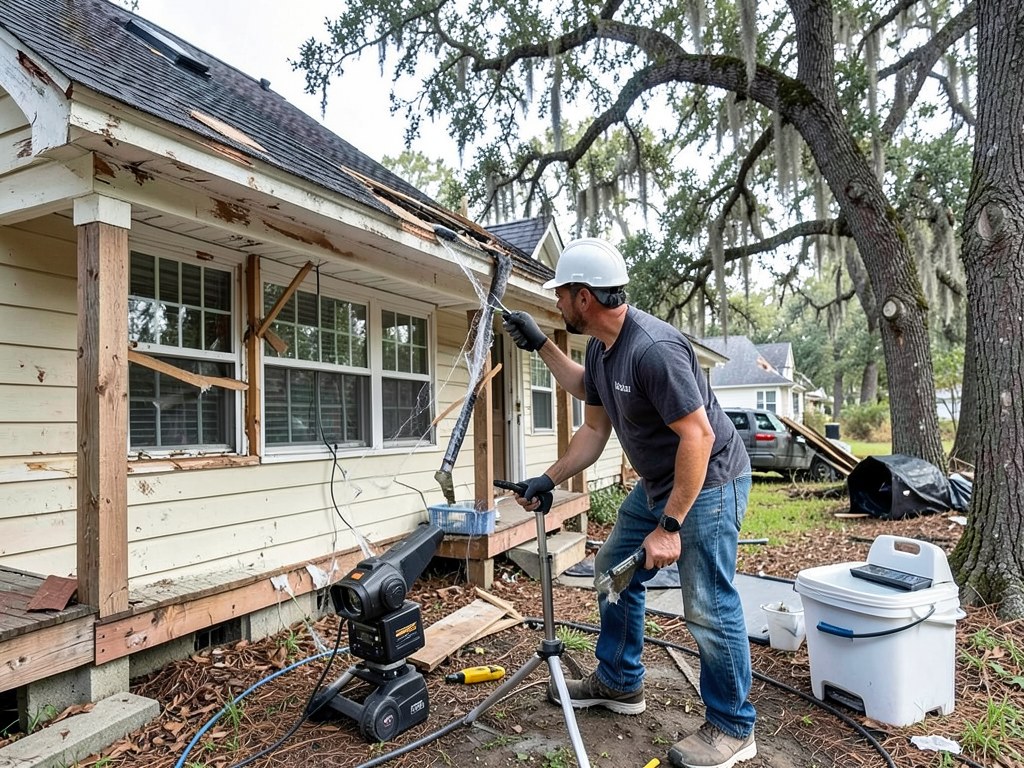
How our adjusters document damage for Wildwood homeowners involves detailed structural assessments. We use moisture meters to detect hidden water intrusion, thermal imaging to identify temperature variations that indicate compromised decking, and core sampling to assess shingle integrity. This comprehensive documentation helps insurance companies understand the full scope of repairs needed.
Working with local insurance agents in 63005, 63038, and 63040 requires understanding regional claim patterns. Wildwood’s wooded lots mean tree damage claims are more common here than in other St. Louis suburbs. Local agents understand these patterns and can help expedite approvals for legitimate claims.
The claims process typically takes 3-5 business days for initial assessment, but structural repairs may require additional permitting time. St. Louis County requires building permits for any roof repairs affecting structural components, which can add 7-10 days to project timelines.
Proactive Prevention: Identifying Hazard Trees
Preventing tree damage is often more cost-effective than repairing it. Wildwood’s mature tree canopy means many homes are surrounded by trees that could become hazards during the next storm. Learning to identify warning signs can save you thousands in emergency repairs.
Dead or dying branches are the most obvious warning sign. Look for branches without leaves during growing season, bark that’s falling off, or fungal growth on the trunk. These branches are prone to sudden failure during wind events common in the Meramec River valley.
Structural defects in tree trunks include cracks, splits, or areas where the trunk forks into a sharp V-shape. These weaknesses can cause entire trees to fail during high winds. Wildwood’s combination of clay soil and mature trees creates conditions where root systems can’t always support the above-ground weight during storms.
Proximity to structures matters more than you might think. A tree’s root system typically extends 2-3 times the height of the tree. Trees planted too close to homes can have roots that damage foundations while branches threaten roofs. The general rule is to maintain at least 15-20 feet between mature trees and structures.
Species-specific risks affect Wildwood homeowners differently. Silver maples grow quickly but have weak wood that breaks easily in storms. Black walnut trees drop heavy nuts that can dent gutters and damage shingles. White oaks are strong but can become hazard trees if they develop internal rot that’s not visible from the outside.
Structural Integrity Assessments After Limb Impact
Not all tree damage is visible to the untrained eye. After a limb impact, your roof may have hidden structural damage that compromises its ability to protect your home. Understanding what to look for can prevent catastrophic failures later.
Decking damage often occurs even when shingles appear intact. The force of a falling limb can crack or break the plywood or OSB decking beneath your shingles. This creates weak spots that may not leak immediately but can fail completely during the next heavy rain or snow load.
Rafter and truss damage requires professional assessment. Impact forces can crack rafters, split trusses, or loosen connection plates. These structural elements support your roof’s weight, and damage to them can lead to sagging, water pooling, and eventual collapse. We use specialized tools to detect these hidden issues.
Flashing damage around chimneys, vents, and valleys often occurs during tree impacts. Even if the main roof structure appears intact, damaged flashing creates entry points for water. The freeze-thaw cycles common in Wildwood can worsen these small openings into major leaks.
Underlayment integrity is crucial for preventing water intrusion. Modern synthetic underlayment provides excellent protection, but impact damage can create tears or separations. We inspect underlayment during every repair to ensure your roof’s secondary water barrier remains intact.
Coordinating Tree Removal and Roofing Repairs
The sequence of tree removal and roof repair significantly impacts project success and cost. Attempting these tasks separately often leads to damaged repairs or incomplete solutions. Here’s how we coordinate these services for Wildwood homeowners.
Timing considerations mean tree removal should typically happen before roof repairs begin. However, the roof must be stabilized first to prevent additional damage during tree removal. Our teams coordinate with arborists to ensure trees are removed in sections that minimize impact on the existing structure.
Access planning becomes crucial in Wildwood’s wooded lots. Many properties have limited access for large equipment, requiring specialized removal techniques. We work with arborists who use cranes, bucket trucks, and precision cutting to remove trees without damaging surrounding landscaping or structures.
Debris management prevents additional damage during the repair process. Tree removal generates sawdust, wood chips, and other debris that can clog gutters or scratch new roofing materials. Our teams include cleanup protocols that protect your investment throughout the entire repair process. How to Navigate a Roofing Insurance Claim After a St. Louis Hail Storm.
Final inspections ensure all damage has been addressed. After both tree removal and roofing repairs are complete, we conduct comprehensive inspections to verify that no secondary damage occurred during either process. This includes checking for granule loss from debris, inspecting flashing integrity, and testing for proper drainage.
St. Louis County Building Permits for Major Roof Reconstruction
Wildwood homeowners often don’t realize that major roof repairs require permits from St. Louis County. Understanding these requirements can prevent costly delays and ensure your repairs meet all safety standards.
Permit requirements apply when repairs affect structural components, change roof pitch, or involve more than 25% of the total roof area. Tree damage often triggers these thresholds because impacts frequently require replacing decking, rafters, or entire roof sections. The permitting process ensures repairs meet current building codes.
St. Louis County uses the International Residential Code with local amendments specific to our region’s weather patterns. These codes address wind uplift requirements, ice dam protection, and fire resistance ratings. Wildwood’s wooded character means additional considerations for ember resistance in case of nearby wildfires. International Society of Arboriculture.
Inspection schedules typically require rough framing inspection before decking installation, then final inspection after all work is complete. These inspections verify that repairs meet structural requirements and that proper materials have been installed. Skipping inspections can result in fines and may void manufacturer warranties.
Timeline expectations should include permit processing time. St. Louis County typically processes residential permits within 3-5 business days, but complex repairs may require additional review. Weather delays are common in Wildwood’s spring storm season, so building in extra time prevents rushed work that could compromise quality. High Quality Roof Replacements for Creve Coeur Properties.
Cost Factors for Tree Damage Repairs
Understanding the cost factors for tree damage repairs helps Wildwood homeowners budget appropriately and avoid surprise expenses. Several variables affect the final cost of repairs after tree impacts.
Structural damage severity is the primary cost driver. Replacing a few damaged shingles costs significantly less than repairing cracked rafters or replacing sections of decking. Our assessments include detailed structural evaluations to provide accurate cost estimates before work begins.
Material selection affects both immediate costs and long-term value. While standard architectural shingles may be the least expensive option, impact-resistant shingles or metal roofing may provide better protection against future tree damage. We help homeowners understand the cost-benefit analysis of different material choices.
Access challenges in Wildwood’s wooded neighborhoods can increase labor costs. Properties with steep slopes, limited parking, or mature trees close to structures require additional safety measures and specialized equipment. These factors are included in our initial estimates to prevent surprise charges.
Seasonal timing affects both costs and availability. Emergency repairs during storm season may incur premium pricing, while scheduling non-urgent repairs during slower periods can result in better pricing. We work with homeowners to find solutions that balance urgency with budget considerations.
Long-term Protection Strategies
Protecting your Wildwood roof from future tree damage requires a comprehensive approach that addresses both immediate threats and long-term vulnerabilities. Here are strategies that have proven effective for our local clients.
Regular tree maintenance prevents many common problems. Annual inspections by certified arborists can identify hazard trees before they cause damage. Pruning removes dead branches, reduces wind resistance, and maintains safe distances between trees and structures. The cost of preventive maintenance is typically far less than emergency repairs.
Roof inspections should occur at least twice yearly, ideally in spring and fall. These inspections can identify early signs of damage from tree contact, animal intrusion, or weather exposure. Early detection allows for minor repairs that prevent major problems later.
Impact-resistant materials provide additional protection in high-risk areas. Class 4 impact-resistant shingles can withstand hail and falling debris better than standard materials. For homes surrounded by mature trees, these materials often pay for themselves through reduced repair costs over time.
Animal deterrent systems prevent raccoon and squirrel damage. These can include metal flashing in vulnerable areas, sealed entry points, and even ultrasonic deterrents. Preventing animal intrusion is much easier than repairing the damage they cause to roofing materials and attic structures.
Choosing the Right Roofing Contractor
Not all roofing contractors have experience with the specific challenges Wildwood homeowners face. Choosing the right contractor can mean the difference between a repair that lasts and one that fails during the next storm.
Local experience matters significantly in Wildwood. Contractors familiar with the area understand the specific tree species, weather patterns, and building requirements that affect roofing work. They also have established relationships with local suppliers, inspectors, and arborists that can streamline your project.
Insurance and licensing verification is essential for any contractor you consider. In Missouri, roofing contractors should carry general liability insurance and workers’ compensation coverage. Ask for current certificates and verify them with the issuing companies. This protects you from liability if accidents occur during your project.
Warranty offerings indicate contractor confidence in their work. Look for contractors who offer both manufacturer warranties on materials and workmanship warranties on installation. The best contractors stand behind their work for 5-10 years or more, depending on the scope of repairs.
Communication throughout the project prevents misunderstandings and ensures your expectations are met. The right contractor will explain their assessment process, provide detailed written estimates, and keep you informed about timelines and any changes that arise during the repair process.
Frequently Asked Questions
How quickly should I respond to tree damage on my roof?
Emergency response is critical. Water intrusion can cause extensive damage within hours, and structural issues can worsen quickly. Call (314) 417-7774 immediately for 24/7 emergency service in Wildwood and surrounding areas.
Will my homeowner’s insurance cover tree damage repairs?
Most policies cover sudden, accidental damage from falling trees during storms. However, damage from neglected trees or pre-existing conditions may be denied. We can help document damage and work with your insurance company throughout the claims process.
How can I tell if tree damage is just cosmetic or actually structural?
Visible shingle damage is often just the surface issue. Impact forces can crack decking, damage rafters, or compromise flashing even when shingles appear intact. Professional assessment using moisture meters and thermal imaging is necessary to identify hidden structural damage.
What’s the typical timeline for tree damage repairs in Wildwood?
Emergency tarping can usually be completed within hours. Full repairs typically take 2-5 days depending on damage severity, material availability, and permit requirements. Complex structural repairs may require additional time for inspections and engineering approvals.
Can I prevent raccoon damage to my roof?
Yes, several strategies can deter raccoons and other animals. These include sealing entry points, installing metal flashing in vulnerable areas, and removing overhanging branches that provide access to your roof. We can assess your specific property and recommend appropriate prevention measures.
What building codes apply to roof repairs in Wildwood?
St. Louis County enforces the International Residential Code with local amendments. Repairs affecting structural components, more than 25% of the roof area, or changes to roof pitch require permits and inspections. Our team handles all permitting requirements for your project.
How much does tree damage repair typically cost?
Costs vary widely based on damage extent, materials needed, and structural repairs required. Minor repairs might cost $500-1,000, while major structural repairs can exceed $10,000. We provide detailed written estimates after thorough assessment of your specific situation.
Tree damage to your Wildwood roof requires immediate attention from experienced professionals who understand the unique challenges of our wooded communities. Don’t wait until small problems become major structural issues. Call (314) 417-7774 today to schedule your comprehensive roof inspection and protect your home from the next storm.
Pick up the phone and call (314) 417-7774 before the next storm hits. Our emergency response teams are ready to secure your roof and prevent further damage to your Wildwood home.
{
“@context”: “https://schema.org”,
“@type”: “BlogPosting”,
“headline”: “Protecting Your Wildwood Roof from Raccoons and Tree Damage”,
“description”: “Wildwood’s dense tree canopy creates unique roofing risks. Learn how to prevent raccoon intrusion, storm damage, and structural issues specific to St. Louis County’s wooded suburbs.”,
“wordCount”: 2841,
“datePublished”: “2026-03-24T16:04:00.000Z”,
“dateModified”: “2026-03-24T16:04:00.000Z”,
“inLanguage”: “en-US”,
“mainEntityOfPage”: {
“@type”: “WebPage”,
“@id”: “https://pioneerroofingstlouis.com”
},
“publisher”: {
“@type”: “LocalBusiness”,
“name”: “Pioneer Roofing St. Louis”,
“url”: “https://pioneerroofingstlouis.com”
},
“author”: {
“@type”: “Organization”,
“name”: “Pioneer Roofing St. Louis”,
“url”: “https://pioneerroofingstlouis.com”
},
“image”: {
“@type”: “ImageObject”,
“url”: “https://pioneerroofingstlouis.com/wp-content/uploads/2026/03/protecting-your-wildwood-roof-from-raccoons-and-tr-1.png”
}
}
{
“@context”: “https://schema.org”,
“@type”: “RoofingContractor”,
“name”: “Pioneer Roofing St. Louis”,
“url”: “https://pioneerroofingstlouis.com”,
“address”: {
“@type”: “PostalAddress”,
“addressLocality”: “St. Louis”
},
“areaServed”: {
“@type”: “City”,
“name”: “St. Louis”
}
}
{
“@context”: “https://schema.org”,
“@type”: “FAQPage”,
“mainEntity”: [
{
“@type”: “Question”,
“name”: “How quickly should I respond to tree damage on my roof?”,
“acceptedAnswer”: {
“@type”: “Answer”,
“text”: “Emergency response is critical. Water intrusion can cause extensive damage within hours, and structural issues can worsen quickly. Call (314) 417-7774 immediately for 24/7 emergency service in Wildwood and surrounding areas.”
}
},
{
“@type”: “Question”,
“name”: “Will my homeowner’s insurance cover tree damage repairs?”,
“acceptedAnswer”: {
“@type”: “Answer”,
“text”: “Most policies cover sudden, accidental damage from falling trees during storms. However, damage from neglected trees or pre-existing conditions may be denied. We can help document damage and work with your insurance company throughout the claims process.”
}
},
{
“@type”: “Question”,
“name”: “How can I tell if tree damage is just cosmetic or actually structural?”,
“acceptedAnswer”: {
“@type”: “Answer”,
“text”: “Visible shingle damage is often just the surface issue. Impact forces can crack decking, damage rafters, or compromise flashing even when shingles appear intact. Professional assessment using moisture meters and thermal imaging is necessary to identify hidden structural damage.”
}
},
{
“@type”: “Question”,
“name”: “What’s the typical timeline for tree damage repairs in Wildwood?”,
“acceptedAnswer”: {
“@type”: “Answer”,
“text”: “Emergency tarping can usually be completed within hours. Full repairs typically take 2-5 days depending on damage severity, material availability, and permit requirements. Complex structural repairs may require additional time for inspections and engineering approvals.”
}
},
{
“@type”: “Question”,
“name”: “Can I prevent raccoon damage to my roof?”,
“acceptedAnswer”: {
“@type”: “Answer”,
“text”: “Yes, several strategies can deter raccoons and other animals. These include sealing entry points, installing metal flashing in vulnerable areas, and removing overhanging branches that provide access to your roof. We can assess your specific property and recommend appropriate prevention measures.”
}
},
{
“@type”: “Question”,
“name”: “What building codes apply to roof repairs in Wildwood?”,
“acceptedAnswer”: {
“@type”: “Answer”,
“text”: “St. Louis County enforces the International Residential Code with local amendments. Repairs affecting structural components, more than 25% of the roof area, or changes to roof pitch require permits and inspections. Our team handles all permitting requirements for your project.”
}
},
{
“@type”: “Question”,
“name”: “How much does tree damage repair typically cost?”,
“acceptedAnswer”: {
“@type”: “Answer”,
“text”: “Costs vary widely based on damage extent, materials needed, and structural repairs required. Minor repairs might cost $500-1,000, while major structural repairs can exceed $10,000. We provide detailed written estimates after thorough assessment of your specific situation.”
}
}
]
}
{
“@context”: “https://schema.org”,
“@type”: “HowTo”,
“name”: “Emergency Roof Response”,
“step”: [
{
“@type”: “HowToStep”,
“position”: 1,
“name”: “Ensure Safety”,
“text”: “Evacuate the immediate area and call emergency services if there are gas leaks or electrical hazards.”
},
{
“@type”: “HowToStep”,
“position”: 2,
“name”: “Control Water Intrusion”,
“text”: “Place buckets under active leaks and move valuables away from affected areas.”
},
{
“@type”: “HowToStep”,
“position”: 3,
“name”: “Document Damage”,
“text”: “Take clear photos of all visible damage from safe vantage points.”
},
{
“@type”: “HowToStep”,
“position”: 4,
“name”: “Contact Professionals”,
“text”: “Call (314) 417-7774 for immediate emergency tarping and assessment.”
}
],
“image”: “https://pioneerroofingstlouis.com/wp-content/uploads/2026/03/protecting-your-wildwood-roof-from-raccoons-and-tr-1.png”
}
{
“@context”: “https://schema.org”,
“@type”: “BreadcrumbList”,
“itemListElement”: [
{
“@type”: “ListItem”,
“position”: 1,
“name”: “Home”,
“item”: “https://pioneerroofingstlouis.com”
},
{
“@type”: “ListItem”,
“position”: 2,
“name”: “Blog”,
“item”: “https://pioneerroofingstlouis.com/blog”
},
{
“@type”: “ListItem”,
“position”: 3,
“name”: “Protecting Your Wildwood Roof from Raccoons and Tree Damage”
}
]
}
{
“@context”: “https://schema.org”,
“@type”: “Service”,
“serviceType”: “Roofing”,
“provider”: {
“@type”: “LocalBusiness”,
“name”: “Pioneer Roofing St. Louis”,
“url”: “https://pioneerroofingstlouis.com”
},
“areaServed”: {
“@type”: “City”,
“name”: “St. Louis”
},
“description”: “Wildwood’s dense tree canopy creates unique roofing risks. Learn how to prevent raccoon intrusion, storm damage, and structural issues specific to St. Louis County’s wooded suburbs.”
}